Introduction
The IIT Patna Research Park represents a significant step forward in fostering innovation and technological advancement in the region. With an impressive investment of ₹250 crore, this initiative is aimed at becoming a catalyst for growth and development, particularly in the burgeoning field of artificial intelligence (AI). The establishment of this research park underscores the commitment of IIT Patna to position itself at the forefront of technological research and development in India.
One of the primary objectives of the research park is to create a conducive environment for collaboration between researchers, industry professionals, and startups. This collaborative ecosystem is designed to stimulate creativity and innovation, thereby enhancing the local job market, especially in sectors related to AI. As artificial intelligence continues to gain traction across various industries, the need for skilled professionals in this field has never been more critical.
The investment in the IIT Patna Research Park is also indicative of the institution’s strategic focus on bridging the gap between academic research and practical applications. By fostering partnerships with private enterprises and other academic institutions, the park aims to facilitate the transfer of knowledge and technology. This approach is expected to benefit not only researchers and students but also local businesses looking to tap into the transformative potential of AI.
In addition to driving innovation, the establishment of the research park is likely to lead to the creation of numerous AI-related job opportunities in the region. As startups and established companies flock to the area to participate in collaborative projects, the demand for AI professionals is poised to increase significantly. This expansion of the local job market is essential for stimulating economic growth and improving employment prospects for residents.
Overview of IIT Patna Research Park
The IIT Patna Research Park is a state-of-the-art facility strategically designed to foster innovation and collaboration between academia, industry, and startups, with a strong emphasis on technological advancement. By bridging the gap between theoretical research and practical application, the Research Park aims to leverage the strengths of the Indian Institute of Technology Patna to create a vibrant ecosystem that encourages entrepreneurship and skill development.
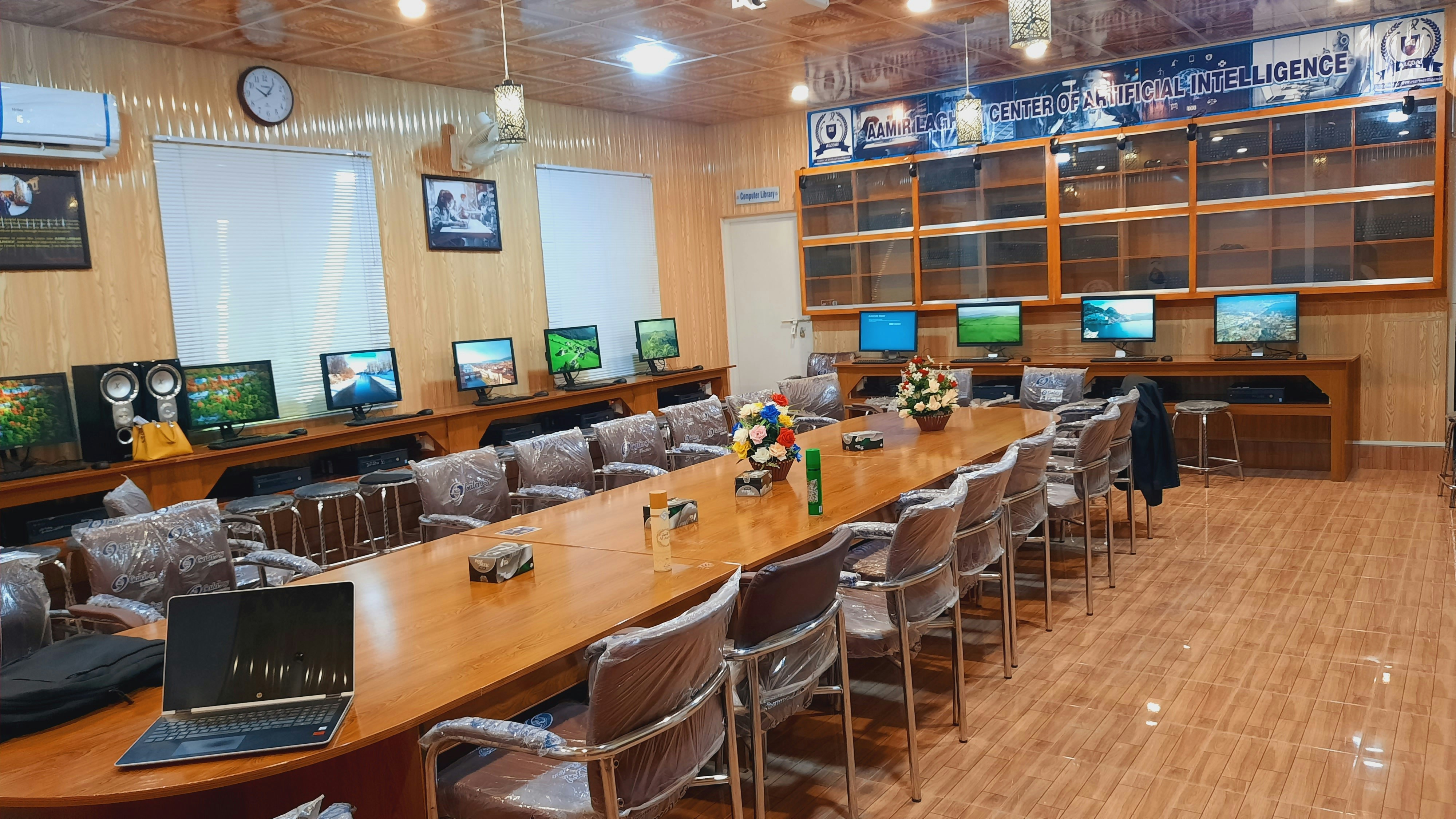
The structure of the IIT Patna Research Park includes modern laboratories, open co-working spaces, and meeting rooms, enabling a conducive environment for research and development. This layout not only facilitates the exchange of ideas but also encourages interdisciplinary collaboration among students, faculty, and industry professionals. Given the rapid advancements in the field of artificial intelligence (AI), the park is committed to becoming a hotbed for AI research and innovation.
At its core, the mission of the IIT Patna Research Park is to empower startups and established companies through access to cutting-edge research and technological resources. This initiative aims to incubate startups focused on artificial intelligence and related fields, thus supporting the development of local AI jobs. By working hand-in-hand with industry leaders and experienced entrepreneurs, the Research Park creates unique networking opportunities that promote knowledge sharing and foster partnerships that can lead to breakthrough innovations.
Overall, the IIT Patna Research Park is poised to significantly impact the local job market, particularly in the domain of artificial intelligence. As local businesses tap into the research capabilities of IIT Patna, they not only enhance their operational efficiencies but also contribute to the growth of a skilled workforce well-versed in AI technologies.
Local Economic Landscape for AI Jobs
The local job market for artificial intelligence (AI) professionals in Patna and its surrounding region is witnessing a significant transformation, propelled by advancements in technology and the establishment of centers dedicated to research and innovation. With institutions like the ₹250 Cr IIT Patna Research Park, the landscape has begun evolving positively, enhancing prospects for AI specialists.
Several companies involved in tech development and software solutions have recognized the need for AI talent. Industries ranging from healthcare to finance are actively seeking skilled professionals who can integrate AI into their services to improve efficiency and decision-making processes. The growing demand for AI expertise is evident, given the increased interest from startups and established firms alike that are now concentrating on machine learning, data analytics, and AI-driven solutions.
In response to this demand, higher education institutions are adapting their curricula to produce graduates equipped with relevant skills. Collaborative efforts between universities and tech industries are being emphasized, ensuring that students are not only trained in theoretical knowledge but also in practical applications of AI technologies. The focus is on creating a robust pipeline of talent that can cater to the evolving needs of the local economy.
Furthermore, local governments are also taking steps to promote the AI sector, which not only provides job opportunities but also stimulates economic growth. Incentives for startups, investments in technology parks, and entrepreneurial programs are fostering an environment conducive to innovation. This strategic alignment between educational institutions, private sectors, and governmental initiatives is key to building a sustainable workforce and enhancing Patna’s position as a hub for AI jobs in the region.
Projected Job Creation from the Research Park
The establishment of the ₹250 Cr IIT Patna Research Park is set to significantly impact the local job market, particularly within the domain of artificial intelligence (AI). It aims to not only foster innovation but also create a robust ecosystem that encourages employment opportunities for the regional workforce. As the Research Park gears up, various roles will emerge across several sectors, with a strong focus on technology-driven positions.
Initial forecasts suggest that the Research Park could lead to the creation of over a thousand new jobs in the next five years. These roles will primarily encompass positions such as data scientists, AI specialists, software engineers, and machine learning engineers. As companies establish their presence within the park, they are expected to seek highly skilled talent, leading to increased competition among local candidates to secure desirable positions.
The hiring trends anticipated in the upcoming years indicate a shift towards roles that require advanced technical skills and practical knowledge in AI and related fields. Educational institutions and training programs in and around Patna are likely to adapt their curricula to meet these emerging demands. This alignment will empower students and professionals to harness the requisite skills, enhancing their employability in a competitive job market.
Furthermore, the Research Park’s commitment to collaboration with local businesses and educational institutions will help create pathways for internships and research opportunities. These initiatives not only facilitate hands-on experience for aspiring professionals but also allow existing employees to upskill, thereby enriching the local talent pool. In turn, this growth will contribute to the economic resilience of the region, enhancing the overall quality of life in the community.
Collaboration Opportunities for Startups and Enterprises
The establishment of the ₹250 Cr IIT Patna Research Park has opened up significant collaboration opportunities between startups and established enterprises within the artificial intelligence (AI) sector. This synergy not only fosters innovation but also creates a robust ecosystem that can accelerate growth and job creation in AI-related fields. The Research Park serves as an incubator for emerging technologies and provides a platform for knowledge sharing among various stakeholders.
Startups can benefit immensely from the resources and expertise available at the IIT Patna Research Park. Through partnerships with IIT Patna, they gain access to cutting-edge research, mentorship from industry experts, and state-of-the-art facilities. Moreover, established enterprises can collaborate with startups to drive innovation by leveraging fresh perspectives and agile methodologies that startups often embody. This cooperative approach encourages the development of new AI applications, tools, and methodologies tailored to local and global markets.
Additionally, the Research Park hosts various innovation hubs designed specifically to facilitate collaborations. These hubs focus on interdisciplinary projects, enabling different sectors to explore the implementation of AI technologies in areas such as healthcare, finance, manufacturing, and smart city initiatives. By bringing together academic insights and practical business know-how, these hubs can significantly enhance the employability of graduates and create a highly skilled workforce ready to meet the demands of the AI industry.
Joint efforts within this collaborative framework have the potential to drive substantial job creation in AI roles. As startups and enterprises work together to develop innovative solutions, they will inevitably require a diverse range of talents, thereby increasing job opportunities for local professionals and enhancing the regional economic landscape. The collaborative nature fostered by the IIT Patna Research Park not only presents a pathway for innovation but also solidifies Patna’s position as a growing hub for AI development.
Skill Development Initiatives
The establishment of the ₹250 Cr IIT Patna Research Park plays a pivotal role in the enhancement of local artificial intelligence (AI) job prospects through specialized skill development initiatives. Recognizing the rapid evolution of AI technology and its integration into various sectors, IIT Patna has proactively initiated several training programs aimed at upskilling the local workforce. These initiatives encompass a variety of workshops, courses, and hands-on training opportunities designed to equip participants with the necessary competencies required by the AI industry.
One of the prominent programs introduced is a series of workshops focused on foundational AI concepts, coding skills, and data analysis. These workshops are often organized in collaboration with industry experts and educators who bring real-world experience to the training. By participating in these workshops, individuals can gain insights into various AI applications while also becoming proficient in tools and technologies that are in high demand.
Furthermore, IIT Patna is set to launch several comprehensive education programs that will cover advanced topics such as machine learning, neural networks, and natural language processing. These programs are designed to foster a deeper understanding of AI principles and practices, which can significantly enhance employability in the burgeoning AI job market. Collaborations with tech companies and startups often facilitate internships, enabling participants to apply their acquired knowledge in practical settings.
The research park is also instrumental in proposing initiatives aimed at continuous learning and development. By hosting seminars, guest lectures, and interactive sessions with industry leaders, IIT Patna seeks to create a vibrant ecosystem that encourages innovation and ongoing education in AI-related fields. This focus on skill enhancement not only positions the local workforce favorably for career opportunities but also contributes to the overall growth of the AI sector in the region.
Challenges and Considerations
Despite the considerable potential of the ₹250 Crore IIT Patna Research Park to stimulate local AI job creation, several challenges must be addressed to realize this ambition fully. One of the primary hurdles is securing adequate and sustained funding. Establishing an innovative research environment requires ongoing financial investment not only for infrastructure but also for talent acquisition and retention. Without robust funding mechanisms, the park may struggle to support its initiatives and attract high-caliber researchers and practitioners in artificial intelligence (AI).
Infrastructure also presents a significant consideration. A successful Research Park necessitates state-of-the-art facilities, high-speed internet, and advanced technological resources to foster a conducive atmosphere for AI innovation. Inadequate infrastructure may deter established companies and startups from engaging with the park, thereby limiting its capability to generate employment locally. Addressing infrastructure shortcomings is paramount to its long-term success and effectiveness in the AI job market.
Another critical challenge revolves around the necessity for cohesive regional policies. For the Research Park to be genuinely impactful, there must be alignment with municipal and state government strategies focused on job creation in technology sectors. This includes tax incentives, business-friendly regulations, education and training programs, and collaborations with local universities and organizations. Without coordinated efforts from all stakeholders involved, including public and private sectors, the Research Park’s ability to foster meaningful AI job growth may be compromised. It is essential for the development of supportive policies that recognize and facilitate the unique needs and opportunities of the AI sector.
Case Studies of Similar Initiatives
Research parks and innovation hubs have emerged in various regions, significantly impacting local job markets, particularly within the artificial intelligence (AI) and technology sectors. A prominent example is the Stanford Research Park in California, which has fostered a robust ecosystem for tech startups and multinational corporations. The collaboration between Stanford University and leading companies such as Hewlett-Packard and Tesla has helped create thousands of high-skilled jobs. The integration of academic research with industry needs has made it a prime location for attracting talent and investments, ultimately enhancing the local economy.
Another noteworthy instance is the Cambridge Innovation Center in Massachusetts, which has successfully converted an array of academic research outputs into commercial ventures. This center specifically focuses on creating a supportive environment for startups in the AI sector. By providing mentorship, resources, and networking opportunities, the Cambridge Innovation Center has generated a substantial increase in local employment, demonstrating the efficacy of creating synergies between academia and industry.
The Research Triangle Park, situated in North Carolina, is yet another case study that demonstrates the potential of dedicated research facilities in driving job growth. Spanning over 7,000 acres, this park is home to numerous tech companies and startups, contributing to significant advancements in AI technology. By attracting top-tier talent and fostering collaborations among companies, Research Triangle Park has become a beacon of tech innovation and local job creation.
These case studies underscore the importance of collaboration between educational institutions and industries in fostering innovation and job growth. The experiences of these established research parks offer valuable insights for the IIT Patna Research Park, particularly in its pursuit of enhancing local employment opportunities in the AI sector. Lessons learned include the significance of industry partnerships and the importance of creating an infrastructure that encourages innovation and talent retention.
Conclusion and Future Outlook
As we reflect on the impact of the ₹250 Cr IIT Patna Research Park, it becomes evident that this initiative stands as a pivotal opportunity for the local economy, especially in the realm of artificial intelligence (AI) jobs. The establishment of this research park is not merely an investment in infrastructure; it serves as a catalyst for innovation and skill development among aspiring engineers and researchers. With its focus on AI, the park is likely to attract significant attention from tech companies and startups, fostering an ecosystem that nurtures talent and promotes partnerships.
The prospective increase in AI job opportunities is expected to have a ripple effect on the job market in the region. As the demand for skilled professionals grows, educational institutions will have the incentive to refine their curricula, aligning it with the evolving needs of the industry. This will not only elevate the skill levels of the local workforce but also make the region more resilient against economic fluctuations. Moreover, the collaboration between academia and industry at the Research Park could lead to groundbreaking research, further enhancing the reputation of IIT Patna as a leader in technological advancement.
Looking ahead, it is crucial for stakeholders—including policymakers, corporate leaders, and educational institutions—to actively engage in creating an environment that maximizes the benefits of the Research Park. This could entail establishing mentorship programs, encouraging internships, and facilitating networking events that connect students with industry professionals. By fostering a cohesive relationship between all parties involved, the impact of IIT Patna Research Park on the local AI job market can be significantly amplified, paving the way for sustained economic growth and technological innovation.