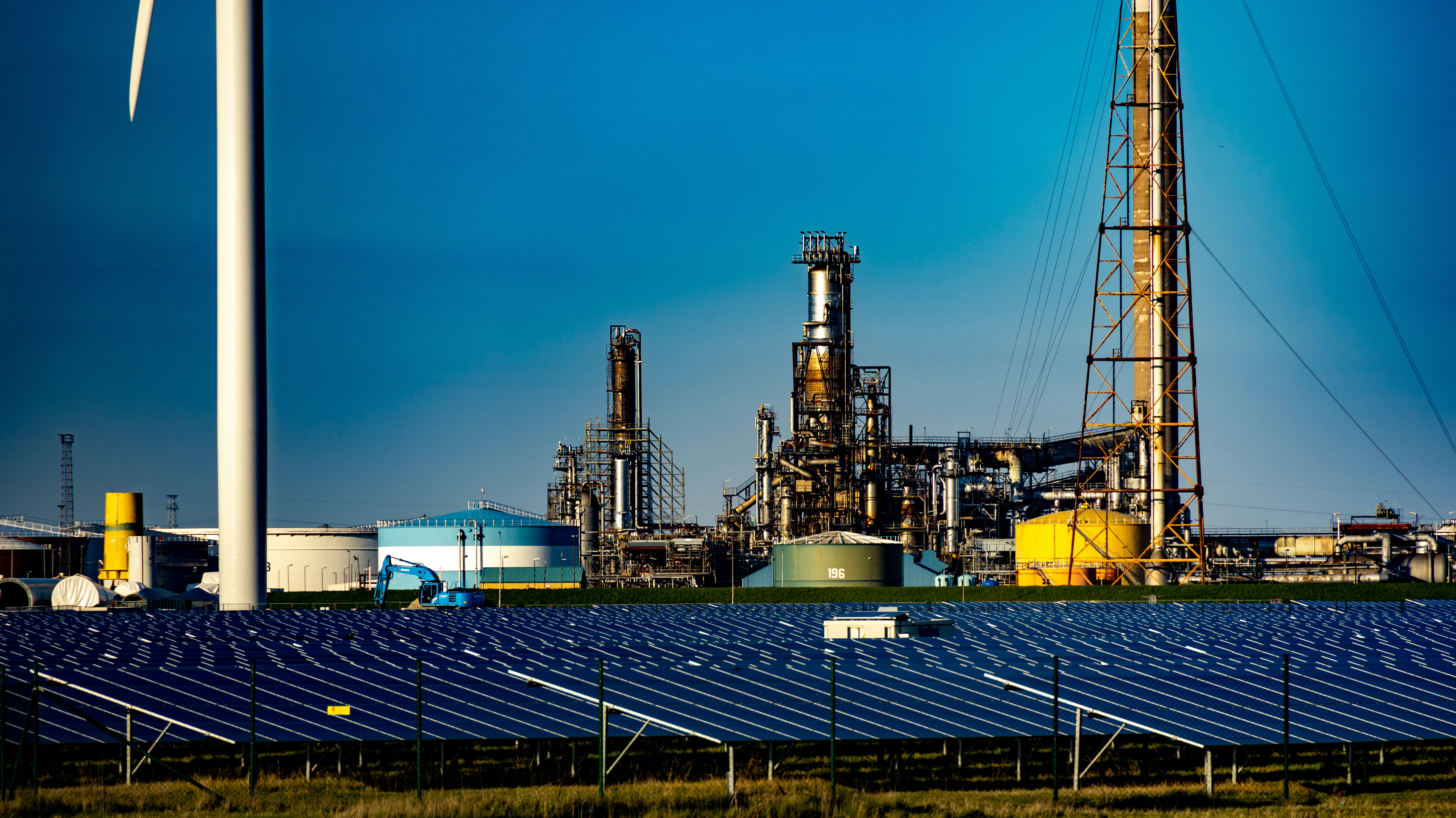
Introduction: The Promise of Renewable Energy in Bihar
Bihar, one of India’s most populous states, faces considerable challenges in its energy landscape. Dependent largely on conventional energy sources such as coal and oil, the state grapples with issues like high carbon emissions, energy insecurity, and insufficient infrastructure. These challenges pose significant barriers to economic development and social progress. Nevertheless, the advent of renewable energy offers a viable solution, promising not only to address these pressing issues but also to pave the way for a sustainable future.
Renewable energy sources, including solar, wind, hydro, and biomass, present a powerful alternative to traditional fossil fuels. They are inherently cleaner, producing minimal environmental pollution and contributing to lower carbon footprints. In addition, they promote energy independence, reducing reliance on imported fuels and enhancing energy security. For Bihar, the integration of renewable energy can effectively offset the limitations posed by existing power systems, thus transforming the state into a model of sustainable energy use.
AI technologies further amplify the benefits of renewable energy. Utilizing AI to optimize energy production, distribution, and consumption can help in maximizing efficiency and minimizing waste. For example, intelligent forecasting can improve the management of energy supply, aligning it with real-time demand. Additionally, AI can facilitate the implementation of smart grids, which can enhance the reliability and resilience of the power sector.
As the state of Bihar stands on the brink of an energy revolution, the integration of renewable sources and advanced AI technologies heralds immense potential. Not only will this shift contribute to environmental sustainability, but it will also stimulate economic growth, create jobs, and improve the quality of life for its residents. This transformative journey can ultimately redefine the energy narrative of Bihar, aligning it more closely with global sustainability goals.
Understanding Adani’s $100B Investment in Renewable AI Data Centers
In recent years, Adani Group has embarked on an ambitious initiative to invest $100 billion in renewable AI data centers. This monumental investment underscores a strategic vision aimed at harnessing cutting-edge technology while transitioning to sustainable energy sources. The core objective of this sizable financial commitment is to build state-of-the-art facilities that utilize artificial intelligence to manage and optimize energy consumption, thereby reducing the carbon footprint associated with data processing.
Renewable AI data centers are designed to operate on energy harnessed from renewable sources such as solar, wind, and hydroelectric power. These facilities leverage advanced artificial intelligence algorithms to streamline operations, increase efficiency, and ensure that energy usage aligns with real-time demand. The integration of AI enhances the operational capability of data centers, allowing them to predict peak usage times and adjust energy consumption accordingly without sacrificing performance.
Furthermore, the establishment of these data centers is expected to act as a catalyst for significant infrastructure development in Bihar and neighboring regions. This includes the creation of local jobs in construction and operational management, as well as opportunities for educational institutions to collaborate on training programs to support the workforce needed for this burgeoning sector. The anticipated infrastructure improvements will not only boost the local economy but also foster technological innovation in the region.
Adani’s investment plan also encompasses the development of an expansive network of renewable energy sources dedicated to powering these AI data centers. This commitment not only positions the company as a leader in the renewable energy sector, but it also sets a benchmark for corporate responsibility and sustainable development in the pursuit of a greener future.
The Role of Renewable Energy in Data Center Operations
In recent years, the reliance on renewable energy sources has grown significantly, particularly in the context of data center operations. As these facilities consume large amounts of electricity, integrating renewable energy solutions has become imperative for enhancing sustainability and reducing carbon footprints. The most prominent forms of renewable energy that power data centers include solar and wind energy, both of which are pivotal in shaping the future of technology.
Solar energy, owing to its accessibility and efficiency, has emerged as a frontrunner in the renewable energy landscape. Data centers equipped with solar power systems can generate their electricity, thereby diminishing their dependency on fossil fuels. This transition not only curtails greenhouse gas emissions but also stabilizes energy costs over time. Similarly, wind energy represents another viable solution, particularly in regions with favorable climates. Wind-powered data centers harness kinetic energy from winds to produce electricity, contributing to a cleaner energy portfolio.
The integration of renewable energy in data center operations aligns seamlessly with the global trend towards greener technology. Companies are increasingly adopting sustainable practices, acknowledging their role in combating climate change. Through the implementation of renewable energy solutions, data centers not only enhance their operational efficiency but also demonstrate corporate responsibility towards environmental stewardship.
Furthermore, the emphasis on sustainability fosters innovation within the industry. The demand for renewable energy solutions is driving advancements in energy efficiency, storage technologies, and smart grid infrastructures. As a result, organizations are encouraged to rethink their energy strategies, ensuring that sustainability is not merely an afterthought but a foundational element in data center operations.
Economic Implications for Bihar: Job Creation and Investment Opportunities
The establishment of Adani’s $100 billion renewable AI data centers in Bihar is poised to significantly transform the state’s economic landscape. One of the most immediate impacts will be the creation of numerous job opportunities directly associated with these data centers. These facilities will require a skilled workforce to manage and operate advanced technologies such as artificial intelligence and renewable energy systems. As a result, there will be an urgent demand for trained professionals, ranging from IT specialists to data analysts.
Beyond direct employment, the project will also lead to indirect job creation across various supporting industries. Local companies in construction, logistics, and maintenance will benefit from contracts awarded during the construction phase and ongoing operations of the data centers. This secondary job market may experience significant growth, contributing to an increased standard of living for many residents in Bihar.
Furthermore, the influx of investment associated with these data centers is likely to stimulate local businesses. Enhanced infrastructure development, such as improved roads, enhanced telecommunications, and greater electricity availability, will provide a supportive environment for local enterprises. Small and medium-sized enterprises (SMEs) may thrive as a result of increased economic activity, providing goods and services to both the data centers and the newly employed workforce.
The potential for technological and educational advancements in the region cannot be overlooked. With the presence of cutting-edge data facilities, educational institutions may emerge, focusing on skills needed in tech and renewable energy fields. In summary, the economic implications of Adani’s investment in Bihar are far-reaching, promising to not only create jobs directly but also stimulate a ripple effect that benefits the broader community through enhanced investment opportunities and local business growth.
Technological Advancements: AI and Big Data in Renewable Energy
The integration of Artificial Intelligence (AI) and Big Data into the renewable energy sector represents a pivotal advancement, one that promises to optimize energy production, distribution, and consumption. In the context of Adani’s ambitious $100 billion renewable AI data centers in Bihar, these technologies play a crucial role. The ability to harness vast data sets through sophisticated algorithms enables the identification of patterns and insights that significantly improve operational efficiency.
One of the primary advantages of utilizing AI in renewable energy is predictive analytics. By employing machine learning models, energy producers can forecast demand and supply fluctuations, enhancing grid management and reducing energy waste. For instance, AI can help anticipate periods of high energy consumption based on historical data and real-time metrics, allowing for better preparedness in energy distribution.
Additionally, Big Data analytics is essential for monitoring and managing renewable energy assets. By collecting large volumes of data from solar panels, wind turbines, and energy storage systems, operators can analyze performance metrics to identify inefficiencies early. This proactive approach not only ensures the longevity of the equipment but also maximizes energy output. Technologies such as Internet of Things (IoT) sensors facilitate this data collection, providing real-time feedback that further supports operational enhancements.
Moreover, AI-driven optimization can revolutionize energy management strategies. Machine learning algorithms can optimize the balance between energy generation from renewable sources and consumption needs, ensuring that energy is used when it is most efficient to do so. These advancements can lower operational costs and promote sustainability, ultimately contributing to Bihar’s transition towards a greener future.
Through the deployment of AI and Big Data, Adani’s data centers are set to redefine energy management in Bihar, showcasing the potential of technology to drive significant changes in the renewable energy landscape.
Environmental Benefits: A Greener Future for Bihar
The recent drive towards renewable energy projects in Bihar, particularly through Adani’s ambitious $100 billion investment in AI data centers, promises significant environmental advantages that can transform the region into a model of sustainability. By transitioning to renewable energy sources, Bihar stands to markedly improve its air quality, leading to substantial public health benefits.
Conventional energy projects often contribute to increased levels of air pollutants and greenhouse gas emissions, adversely affecting both human health and the environment. In contrast, the shift to renewable sources such as solar, wind, and hydroelectric power can drastically reduce these emissions. This pivot not only helps in alleviating the current burden of air pollution but also positions Bihar as a progressive player in combating climate change by reducing its carbon footprint.
Additionally, the integration of renewable energy is likely to have positive implications for local ecosystems. Establishing green energy projects can bolster biodiversity by promoting the conservation of natural habitats. For instance, solar farms can coexist with agricultural practices, allowing farmers to harness dual benefits from the same land. This cooperative approach can provide a protective shield for various species and contribute to the ecological balance necessary for sustainable development.
Moreover, local community health stands to gain significantly from these environmental improvements. Cleaner air directly correlates with lower incidences of respiratory diseases and other health complications linked to pollution. Consequently, the adoption of renewable energy through these data centers can lead to healthier communities, elevating the quality of life for residents in Bihar.
In conclusion, the environmental benefits associated with the renewable energy initiatives spearheaded by Adani in Bihar will not only create a cleaner and healthier environment but also foster biodiversity and enhance community well-being.
Educational and Skill Development Initiatives
The establishment of Adani’s $100 billion renewable AI data centers in Bihar presents a considerable opportunity for enhancing the region’s educational and skill development framework. As these centers come to fruition, the demand for a skilled workforce proficient in renewable energy technologies and artificial intelligence is set to increase significantly. This paradigm shift necessitates the development of targeted educational programs that can equip the local population with the requisite skills.
To meet this demand, collaborations between Adani, educational institutions, and non-governmental organizations (NGOs) will be critical. By forming strategic partnerships, these entities can create specialized training curricula that focus on both theoretical knowledge and practical experience relevant to renewable energy and AI applications. Universities and technical colleges within Bihar could play a pivotal role, offering degree programs and certification courses tailored to the needs of these innovative industries.
Moreover, initiatives aimed at upskilling existing workers will also be essential. Workshops, boot camps, and online courses can be designed to facilitate continuous learning and adaptation to new technologies. Such programs would not only help in skill acquisition but also foster an environment of innovation and research within Bihar. Encouraging STEM (Science, Technology, Engineering, and Mathematics) education at the grassroots level through school curricula can further lay a foundational understanding of technology among the youth.
In addition to conventional educational frameworks, community engagement programs that focus on awareness and skill-building in renewable energy can promote inclusivity. These programs can empower marginalized sectors of the population, providing them access to modern technologies and job opportunities that arise from the establishment of data centers.
Challenges and Considerations in Implementation
As Bihar prepares to embrace the transformative potential of Adani’s $100 billion investment in renewable AI data centers, several challenges and considerations must be addressed. The successful implementation of this initiative relies heavily on overcoming infrastructural limitations that currently exist within the state. Bihar’s electricity distribution and transportation infrastructure require significant upgrades to support the vast energy requirements and logistics associated with large-scale data centers. This includes improving grid capacity, ensuring reliable power supply, and developing efficient logistics networks to facilitate the movement of personnel and materials.
Furthermore, regulatory hurdles represent another obstacle in the rollout of these renewable energy initiatives. In India, obtaining the necessary permits and licenses can often be time-consuming and bureaucratic. It is crucial for stakeholders to navigate this landscape effectively to avoid delays in project execution. Additionally, aligning local, state, and national policies toward renewable energy is essential to streamline the process and encourage investment.
A robust policy framework will be pivotal in supporting the growth of renewable energy initiatives in Bihar. Policymakers must establish clear and conducive regulations that incentivize both private and public investments in renewable technologies. This framework should also address issues such as land acquisition, environmental impact assessments, and community engagement to ensure that the benefits of these projects are widely shared and do not compromise local ecosystems or communities.
Overall, while the promise of Adani’s renewable AI data centers in Bihar is significant, careful planning and coordination will be necessary to navigate the challenges of infrastructure, regulation, and policy to fully realize this transformative vision.
Conclusion: A Vision for Bihar’s Sustainable Future
The recent initiatives by Adani to invest $100 billion in renewable AI data centers mark a critical turning point for Bihar. This investment is not merely a financial transaction; it symbolizes a broader commitment to sustainable development that will create significant socio-economic opportunities for the state and its inhabitants. The integration of renewable energy sources with cutting-edge artificial intelligence technology can transform how energy is produced, consumed, and managed.
As Bihar continues to grapple with issues related to energy dependency, environmental degradation, and economic stagnation, the development of renewable energy projects is vital. By harnessing resources such as solar and wind energy coupled with advanced data analytics, Bihar can move toward energy self-sufficiency, reducing its carbon footprint while also providing reliable electricity to its citizens.
The future envisioned for Bihar is one rooted in sustainability, economic resilience, and technological advancement. Stakeholders ranging from government entities to local communities must align in their efforts to foster an environment conducive to long-term growth. This collective effort will ensure that the transformative potential of Adani’s investments is realized, resulting in widespread benefits including job creation, improved infrastructure, and enhanced quality of life.
Furthermore, continuous collaboration among all stakeholders is crucial for maintaining momentum in the renewable sector. Engaging the local populace and integrating their insights into planning and implementation can yield more tailored and impactful solutions. As we look forward to this new chapter for Bihar, it is imperative that both public and private sectors remain steadfast in fostering a strategic framework that prioritizes sustainable development, thereby paving the way for a prosperous future for all its residents.