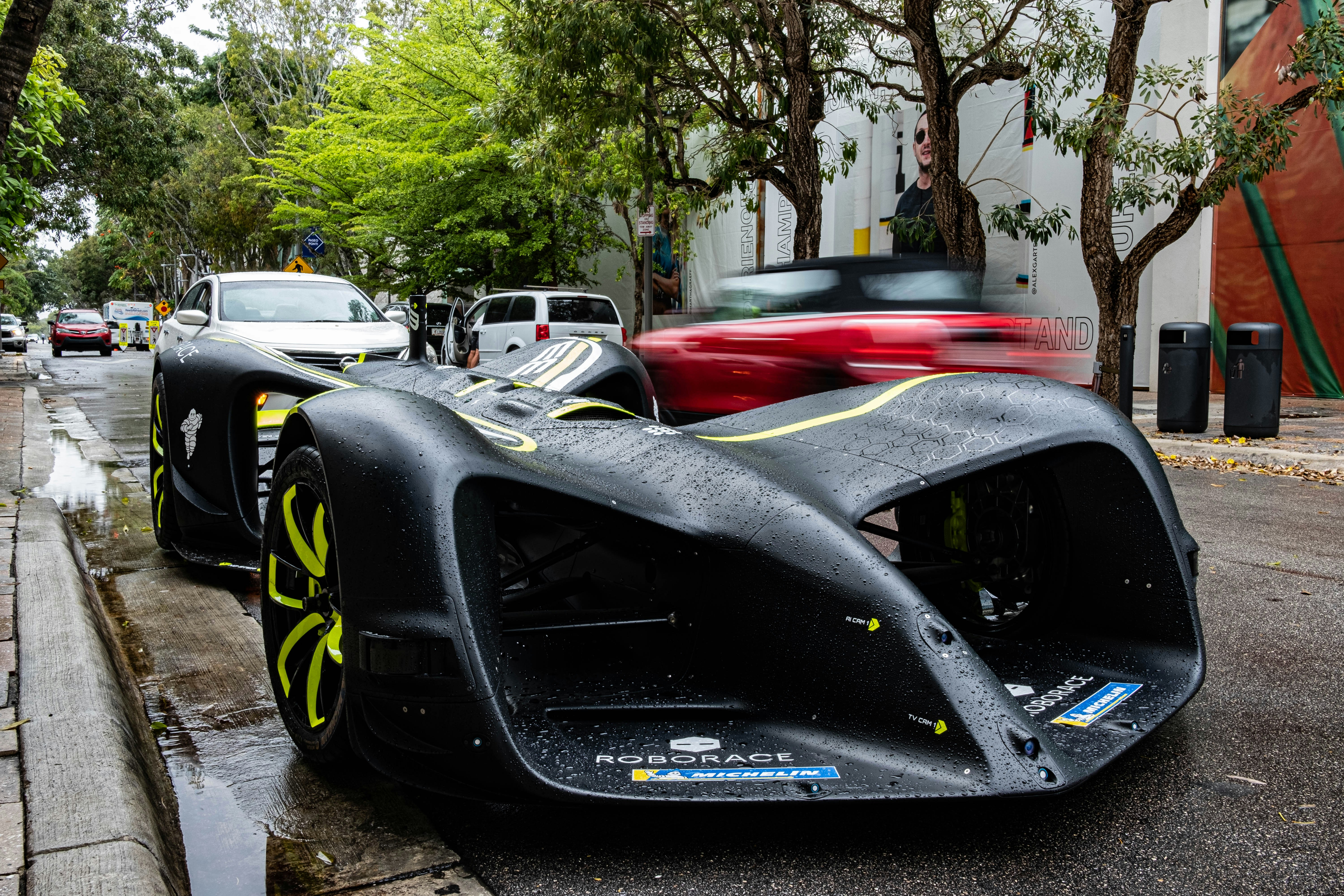
Introduction to Autonomous Driving and World Models
Autonomous driving technology represents a significant advancement in modern transportation, enabling vehicles to operate without human intervention. This innovative approach utilizes a combination of sensors, machine learning algorithms, and advanced computing to facilitate navigation and ensure safety on the roads. The relevance of autonomous vehicles extends beyond mere convenience; it aims to enhance traffic efficiency, reduce accidents, and improve accessibility for diverse populations. In regions like Bihar, where the road infrastructure may present unique challenges, the successful deployment of autonomous driving systems can lead to transformative effects on mobility.
At the core of autonomous driving systems lies a crucial component known as world models. A world model is a computational representation of an environment that enables autonomous vehicles to perceive, simulate, and interact with their surroundings effectively. These models are designed to predict how the vehicle will behave in various situations, forming a reliable basis for decision-making. Through the integration of sensory data and prior experiences, world models help the vehicle understand not only the immediate environment but also the broader context in which it operates.
The purpose of world models extends beyond simple mapping; they facilitate real-time processing of information, thereby enhancing the vehicle’s ability to make informed decisions. By simulating potential scenarios, these models empower autonomous systems to anticipate obstacles, recognize traffic patterns, and adapt to changing conditions. Consequently, they play a vital role in refining navigation abilities, particularly in complex terrains such as those found in Bihar. The development and optimization of world models are essential to fully harness the potential of autonomous vehicles, ultimately shaping the future of transportation in challenging environments.
The Unique Challenges of Driving in Bihar
Driving in Bihar presents a myriad of challenges that are distinct from those encountered in more structured urban environments. One of the primary issues stems from the varied road conditions. In many parts of Bihar, roads can be poorly maintained, featuring potholes, loose gravel, and irregular surfaces. These conditions necessitate a level of adaptability in autonomous driving systems to ensure safe navigation. An effective world model must encompass these factors to maintain optimal performance while traversing such unpredictable terrains.
Furthermore, the traffic patterns in Bihar are often unpredictable and chaotic. Unlike cities with well-defined traffic laws and regulations, Bihar’s roads witness a blend of diverse vehicles, from bicycles to heavy trucks, all sharing the same space. This amalgamation leads to spontaneous maneuvers that can be challenging for autonomous vehicles, which rely heavily on predictable behavior patterns for safe operation. Hence, developing a sophisticated algorithm that can interpret and respond to erratic traffic patterns is crucial for enhancing autonomous driving technologies in this region.
Additionally, environmental factors play a significant role in the challenges faced by autonomous vehicles in Bihar. Seasonal variations, particularly during the monsoon, can lead to flooding and reduced visibility. These conditions can hinder the sensors and cameras that autonomous vehicles rely on for navigation. Incorporating these environmental variables into the world model significantly enhances the vehicle’s ability to adapt to adverse conditions, ensuring safer travel. Ultimately, understanding and addressing these unique challenges is vital for deploying autonomous driving technologies effectively in Bihar, paving the way for safer and more efficient transportation solutions in the future.
Understanding World Models: Mechanisms and Benefits
World models are sophisticated AI constructs that enable autonomous vehicles to interpret and interact with their surroundings. These models leverage vast amounts of data gathered from various sources, such as sensor readings, images, and historical driving data, to create an internal representation of the environment. By simulating potential scenarios within this virtual landscape, world models empower autonomous systems to make informed decisions and navigate safely through complex terrains, such as the roads of Bihar.
The mechanisms of world models rely heavily on machine learning algorithms that process input data to continually update and refine their understanding of the world. These algorithms analyze factors like road conditions, traffic patterns, and obstacles, allowing the model to generate predictive scenarios. For example, if a world model identifies erratic behavior from a vehicle ahead, it can predict potential outcomes and adjust the autonomous vehicle’s trajectory accordingly, thereby enhancing safety.
One of the primary benefits of incorporating world models in autonomous driving is their ability to facilitate efficient planning. By predicting the behavior of other road users, world models enable vehicles to assess the best paths to take, minimizing travel time while ensuring adherence to traffic regulations. Furthermore, they play a crucial role in risk assessment; by simulating various potential situations, the models can identify and mitigate risks before they manifest, effectively preventing accidents.
In summary, the advantages of using world models extend beyond mere navigation; they encompass a multidimensional approach to driving safety and operational efficiency. As autonomous driving technology continues to evolve, the integration of world models will be vital in addressing the challenges presented by dynamic environments, ultimately making autonomous vehicles safer and more reliable on the roads of Bihar and beyond.
Integration of World Models in Autonomous Driving Systems
The integration of world models into autonomous driving systems represents a significant advancement in how these vehicles perceive and interact with their environment. World models serve as a computational framework, allowing vehicles to construct internal representations of the surrounding world based on the data they gather in real-time. This process begins with the vehicle’s sensors—cameras, LiDAR, radar, and other hardware—collecting information about the environment.
Once this data is captured, it is transmitted to the vehicle’s onboard software, where sophisticated algorithms process and analyze it. The algorithms utilize machine learning techniques to continually refine and update the world model. This dynamic updating mechanism ensures that the model remains accurate despite changing conditions on the road, such as fluctuating traffic patterns, road obstacles, and varying weather conditions.
For instance, when a vehicle encounters a new object, such as a pedestrian or a traffic cone, it assesses the situation in real-time and adjusts its world model accordingly. This integration allows for improved navigation as the vehicle can predict the behavior of other road users based on historical data and real-time observations. Consequently, it enhances not only the safety and efficiency of navigation but also the overall driving experience.
The implications of such advanced integration are far-reaching. By maintaining an up-to-date world model, autonomous vehicles can better navigate complex scenarios that are prevalent in regions like Bihar, where road conditions can be unpredictable. Furthermore, an accurate world model facilitates more effective communication and interaction with other road users, which is vital for a harmonious co-existence of autonomous and traditional vehicles on the road.
Real-World Implementations of World Models
World models have emerged as a revolutionary approach in enhancing the functionality of autonomous vehicles, especially in challenging environments akin to the diverse and complex road systems found in Bihar. One notable case study is that of an autonomous driving system tested in the urban settings of Bangalore, India. Researchers from the Indian Institute of Science utilized world models to enable a self-driving vehicle to navigate through congested traffic conditions, characterized by unpredictable driver behaviors and a multitude of obstacles. By simulating various traffic scenarios within a virtual environment, the model efficiently anticipated potential hazards, thus improving the vehicle’s decision-making process in real-time.
Another compelling example can be seen in the deployment of autonomous trucks in rural areas of Brazil. The project aimed at enhancing logistics efficiency amidst fluctuating road conditions—similar to some of those in Bihar. The development team employed a dynamic world model that accounted for varying terrain features and sporadic weather changes, which often impede transportation. This adaptive world model facilitated noteworthy improvements in both route planning and obstacle avoidance, resulting in a reduced average delivery time and increased safety ratings for the vehicles.
Furthermore, a collaboration between automotive engineers and AI specialists in Japan led to a groundbreaking pilot study on autonomous vehicles navigating mountainous terrains. The world model integrated geospatial data, environmental factors, and historical accident data, which together informed the vehicle’s navigation system. Not only did the results demonstrate increased efficiency in pathfinding, but they also highlighted a 40% reduction in incidents compared to traditional navigation methods.
These case studies underscore the profound impact that world models can have on the performance of autonomous vehicles, particularly in environments that present significant navigational challenges. By harnessing the capacity of world models, engineers and developers are paving the way for safer and more reliable autonomous driving solutions that can adapt to complex road conditions.
Future Trends in Autonomous Driving Technologies
The landscape of autonomous driving technologies is evolving rapidly, with significant emphasis on the development of world models. These models represent a sophisticated level of understanding that autonomous vehicles achieve, allowing them to interpret and navigate their environments more effectively. As the demand for enhanced safety and efficiency in transportation increases, so too does the focus on the integration of artificial intelligence (AI) and machine learning into these systems.
One of the promising future trends in autonomous driving is the continual advancement of AI algorithms, enabling world models to learn from diverse sets of data. Leveraging large datasets collected from varied environments, these models can adapt to numerous driving conditions, particularly in complex terrains like those found in Bihar. Machine learning frameworks are expected to become more robust, supporting real-time decision-making and adaptation to unpredictable situations.
Additionally, sensor technologies are advancing at an impressive rate. Emerging sensors, including LIDAR, radar, and high-definition cameras, will provide vehicles with a more nuanced understanding of their surroundings. This sensory input will be vital for building accurate world models that can predict dynamic changes on the road, such as traffic flow, road conditions, and the behavior of other drivers and pedestrians. In the context of Bihar, where road conditions can vary significantly, these advancements will improve an autonomous vehicle’s ability to react appropriately and safely.
Moreover, innovations in vehicle-to-everything (V2X) communication will play a crucial role in future autonomous systems. By sharing information between vehicles, infrastructure, and the environment, V2X will contribute to developing centralized world models that reflect collective data from numerous sources, facilitating safer and more efficient navigation.
In conclusion, the future of autonomous driving technologies will be shaped significantly by advancements in AI, machine learning, and refined sensor capabilities. As these innovations unfold, they will enhance the ability of autonomous vehicles to navigate the challenging landscapes found in regions like Bihar, paving the way for broader adoption and increased safety in transportation.
Local Government and Infrastructure Support
The facilitation of autonomous driving technologies requires substantial support from local government and infrastructure, particularly in a diverse and dynamic environment like Bihar. Effective policies and strategic funding allocations play crucial roles in shaping the landscape for autonomous vehicles. Local authorities need to develop guidelines that not only accommodate these technologies but also ensure safety and efficiency on the roads.
In Bihar, the government can lay the groundwork for autonomous driving by implementing forward-thinking policies. This could involve establishing regulatory frameworks that promote innovation while addressing safety concerns and public acceptance. By engaging stakeholders including technology companies, automotive manufacturers, and urban planners, the government can create a comprehensive roadmap that aligns with sustainable development goals.
Funding is another integral aspect of supporting autonomous driving initiatives. The local government can allocate financial resources dedicated to infrastructure upgrades that are essential for the operational success of autonomous vehicles. This includes investments in smart traffic management systems, improved road conditions, and enhanced communication networks that support vehicle-to-infrastructure (V2I) systems. Establishing public-private partnerships can mobilize additional funding sources and expertise, thereby fostering a collaborative environment conducive to innovation.
Furthermore, local infrastructure must be adapted to complement autonomous driving technologies. This might involve redesigning roadways, enhancing signage, and improving connectivity in rural areas. Ensuring that autonomous vehicles can seamlessly integrate into existing traffic systems is essential for their acceptance and longevity. By prioritizing these components, the local government can effectively facilitate the development and deployment of autonomous driving technologies in Bihar.
Community Acceptance and Ethical Considerations
The integration of autonomous driving technologies into the transportation ecosystem of Bihar brings forth numerous social implications that warrant careful analysis. Community acceptance is critical for the successful deployment of AI-driven vehicles, which can dramatically transform mobility within the region. Gauging community attitudes towards such technologies is paramount, particularly given the unique cultural and geographical context of Bihar.
One of the primary concerns expressed by residents revolves around safety. Autonomous vehicles operate using complex algorithms and rely on sensors to navigate, potentially reducing human error. However, any incidents involving these vehicles could lead to apprehension and resistance among the public. Engaging with local communities through educational initiatives can enhance understanding of how these systems ensure safety, ultimately fostering trust.
Privacy issues also pervade the conversation around autonomous driving in Bihar. As these vehicles gather and process large amounts of data to function effectively, residents may worry about the extent of data collection and potential misuse. Clear communication regarding data protection measures and transparency about how personal information is handled will be essential in addressing these concerns.
Ethical considerations must also be at the forefront when discussing the deployment of AI-driven vehicles. The technology’s impact on employment, especially in a region where many depend on driving for livelihood, requires careful contemplation. Policymakers must consider support mechanisms for those whose jobs may be supplanted by automation.
Overall, the acceptance of autonomous driving in Bihar hinges on constructive dialogues between technology developers, community members, and regulatory bodies. It is essential to build a consensus that respects the values and needs of the local populace while paving the way for technological advancement.
Conclusion: The Road Ahead for Autonomous Driving in Bihar
As we reflect on the discussion surrounding the impact of world models on autonomous driving in Bihar, it becomes clear that these models hold significant potential for transforming the landscape of road navigation in the region. By integrating advanced simulation techniques and data-driven insights, world models can enhance the ability of autonomous vehicles to understand complex driving environments, which is particularly critical in regions like Bihar where road conditions can be unpredictable.
The advantages of world models extend beyond mere navigation; they also encompass safety, efficiency, and adaptability. With their capacity to predict vehicle dynamics and human interactions, autonomous systems can make better-informed decisions, potentially reducing the risk of accidents on the roads. This capability is vital in Bihar, where traffic patterns can differ markedly from more traditional urban settings.
Moreover, the successful implementation of autonomous driving technologies will require robust collaboration among various stakeholders, including researchers, automotive manufacturers, local government authorities, and the community at large. Engaging with residents to address their concerns and incorporating local insights into the technological development process will be essential for fostering acceptance and trust in autonomous vehicles.
To navigate the challenges ahead, ongoing research and innovation in world models will play a pivotal role. By continually refining these models to accommodate the unique aspects of the Bihar road network, autonomous driving can evolve to meet the specific demands of the region effectively. Thus, while the road ahead is fraught with challenges, the promise of enhanced safety and efficiency through world models lays a solid foundation for the future of autonomous driving in Bihar. In conclusion, the commitment to research, collaboration, and community engagement is paramount for realizing this vision.