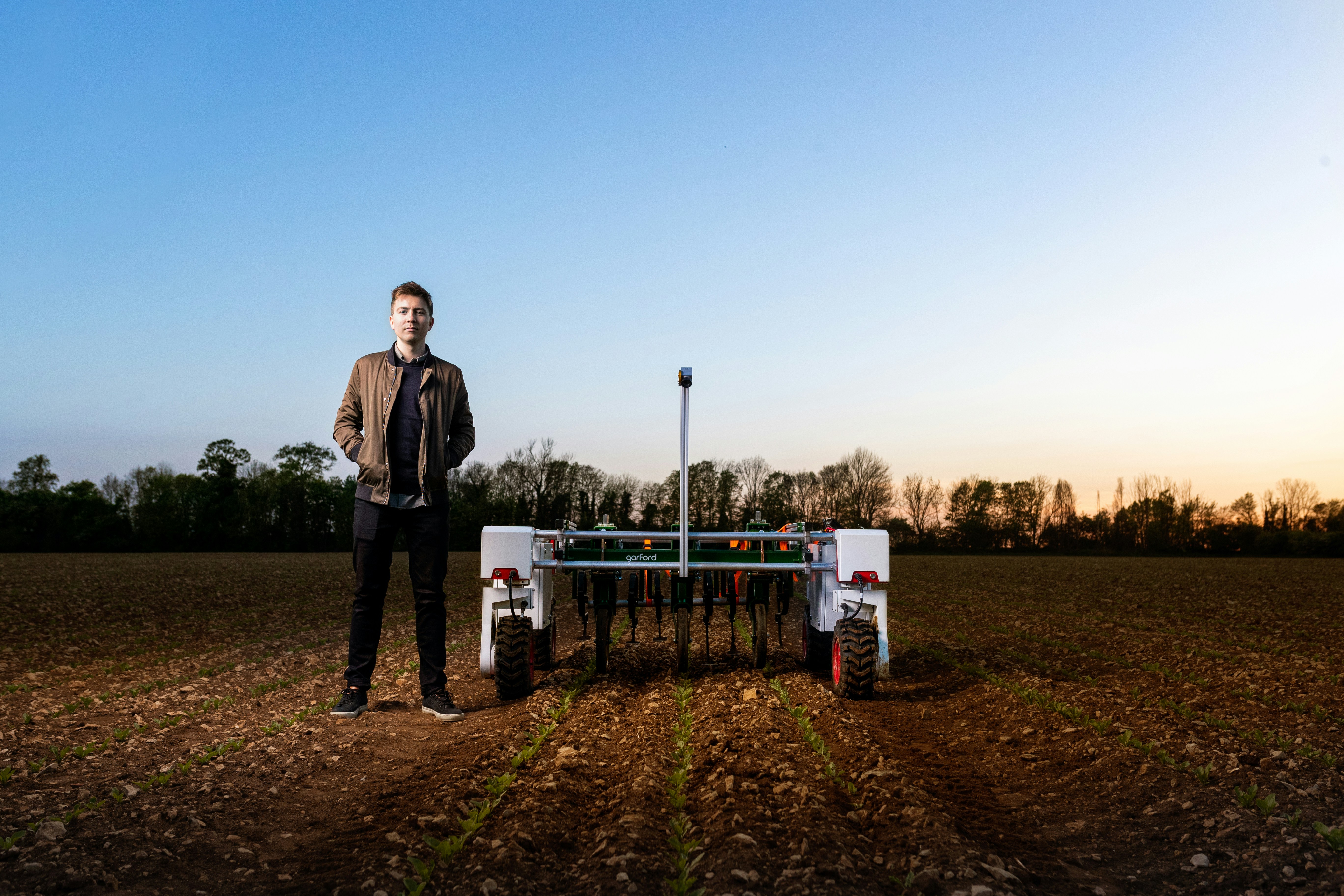
Introduction to Embodied AI in Agriculture
Embodied AI refers to artificial intelligence systems that have a tangible physical form, allowing them to interact with the environment in more sophisticated ways than traditional AI. In the context of agriculture, especially in regions like Bihar, embodied AI can revolutionize farming practices by providing solutions that simplify labor-intensive tasks. This technology incorporates robotics, sensors, and machine learning algorithms, enabling machines to perform complex actions such as planting, weeding, and harvesting.
In Bihar, where agriculture remains the backbone of the economy, the introduction of embodied AI can significantly enhance productivity. The state’s agricultural sector faces numerous challenges, including labor shortages and the need for increased efficiency to meet the demands of food production. By deploying robots equipped with AI capabilities, farmers could automate various processes, thus lessening their dependence on manual labor.
Furthermore, embodied AI systems can be designed to operate in diverse weather conditions and terrains, making them ideally suited for the varied landscape of Bihar. These systems can analyze data from the environment, adapt their actions accordingly, and optimize agricultural practices such as irrigation and fertilization. This level of interaction between AI and the physical world represents a notable advancement in agricultural technology.
Embracing embodied AI in farming could lead to higher yield rates while ensuring that farmers can maintain or even reduce production costs. By alleviating the need for laborious tasks, this technology not only holds the potential to improve the livelihoods of farmers but also aims to make farming a more appealing occupation for the younger generation, who may see it as an avenue for innovation and technological engagement.
Current State of Agriculture in Bihar
Bihar’s agricultural landscape is characterized by a diverse range of crops, with rice and wheat being the staples. The state also cultivates pulses, maize, and sugarcane, reflecting its varied climatic zones. Agriculture holds significant importance in Bihar, as it not only provides livelihoods to over 70% of the state’s population but also serves as the backbone of its economy. Despite these attributes, the sector faces numerous challenges that hinder productivity and farmers’ economic stability.
One of the key issues confronting Bihar’s agriculture is the heavy reliance on manual labor. Although this traditional method of farming has sustained the state for generations, it contributes to inefficiencies and high operational costs for farmers. The labor force is often not available during peak seasons due to various socio-economic factors, leading to labor shortages. Furthermore, the increasing out-migration of agricultural workers to urban areas in search of better opportunities exacerbates this problem, leaving farmers to manage their fields with fewer hands.
The farming practices in Bihar are also marked by limited access to modern technology and resources. Many farmers still depend on outdated techniques and equipment, hindering their ability to increase yields. Additionally, adverse weather conditions, poor soil health, and inadequate irrigation facilities contribute to low productivity and uncertain harvests. These factors not only strain the farmers’ income but also limit their ability to invest in more efficient farming methods.
In conclusion, the current state of agriculture in Bihar showcases a farming system that is deeply intertwined with manual labor yet constrained by inefficiencies and economic challenges. As the state seeks to address these issues, the adoption of innovative solutions such as embodied AI in agricultural practices may offer a pathway to enhance productivity and alleviate the dependence on manual labor.
Understanding Embodied AI Technology
Embodied AI represents a convergence of artificial intelligence mechanisms designed to carry out complex tasks through physical agents, predominantly robots. In its essence, this technology enables machines to interact with the physical environment through perception, reasoning, and action, thereby automating various processes traditionally reliant on human labor. A vital component of embodied AI is its utilization in agricultural practices, specifically in regions like Bihar where labor-intensive farming methods prevail.
The functioning of embodied AI in agriculture can be illustrated through robotics, computer vision, and machine learning. Robotics involves the creation of specialized machines equipped with tools and sensors capable of performing tasks such as planting, weeding, and harvesting crops. For instance, robotic harvesters equipped with advanced gripping mechanisms can identify ripe fruits and vegetables, efficiently collecting them without damaging the produce.
Furthermore, computer vision plays a crucial role in improving the efficacy of embodied AI. By employing high-definition cameras and image processing algorithms, these systems can analyze the crops’ health, detect pests or diseases, and classify plants based on species or maturity level. This capability allows farmers to make informed decisions regarding irrigation, fertilization, and pest control, ultimately optimizing yield.
Machine learning, a subset of AI, enhances the intelligence of these technologies by enabling them to learn from data. For instance, through the analysis of historical agricultural data, machine learning algorithms can predict crop performance and yield based on varying environmental conditions, thereby guiding farmers in adopting the most effective cultivation strategies.
By integrating these technologies, embodied AI can significantly transform farming operations in Bihar, relieving the burden of manual labor while enhancing productivity and sustainability in the agricultural sector.
Potential Benefits of Embodied AI in Reducing Manual Labor
In the context of Bihar agriculture, the integration of embodied artificial intelligence (AI) promises numerous advantages, particularly aimed at alleviating the reliance on manual labor. One of the primary benefits is the potential for increased efficiency. Embodied AI systems, capable of performing repetitive agricultural tasks, streamline operations leading to quicker completion times. This efficiency enables farmers to allocate their resources more effectively, optimizing crop yield and reducing the overall labor burden.
Moreover, precision in performing tasks is another key benefit. Embodied AI can conduct functions like planting, watering, and harvesting with a level of accuracy that surpasses human capabilities. By using advanced sensors and algorithms, these systems can determine the optimal times and methods for carrying out tasks. This precision not only enhances productivity but also minimizes waste, which is crucial in resource-intensive fields such as agriculture.
The reduction in human error is another significant advantage. Traditional farming relies heavily on human labor, which is prone to fatigue and mistakes, particularly during peak farming seasons. Embodied AI technology, however, operates with consistent performance, reducing the likelihood of errors that can cost time and resources. This reliability fosters a more sustainable agricultural practice, as crops can be managed with fewer setbacks.
Furthermore, the capability for round-the-clock operation is a transformative attribute of embodied AI. Unlike human workers, these systems can function through the night and under various weather conditions, significantly increasing operational hours. Continuous operation allows for rapid responses to agricultural needs, such as harvesting at the optimal time or rapidly addressing pest outbreaks. Thus, the adoption of embodied AI in Bihar agriculture holds the promise of transforming the landscape, making it more efficient, precise, and resilient in the face of labor challenges.
Challenges of Implementing AI in Bihar’s Agriculture Sector
Implementing embodied AI in Bihar’s agriculture sector presents several challenges that require careful consideration. One of the primary obstacles is the high initial costs associated with the deployment of AI technologies. Farmers in Bihar, who predominantly operate on limited budgets, may find it difficult to invest in advanced AI systems. This economic barrier can inhibit widespread adoption and hinder the transformative potential of AI in enhancing agricultural productivity.
Additionally, the existing infrastructure in Bihar is often inadequate for supporting the integration of sophisticated AI solutions. Many rural areas lack reliable electricity, internet access, and advanced agricultural facilities. Upgrading this infrastructure is essential for the successful implementation of AI technologies. Without improvements in connectivity and power supply, the benefits of embodied AI may not be fully realized, as technology relies heavily on a stable operational environment.
Furthermore, the successful integration of AI in agriculture necessitates extensive training for farmers. Many small-scale farmers may not possess the technical expertise required to effectively utilize AI tools. Educational programs and training workshops are crucial to equip farmers with the knowledge needed to operate AI-powered machines and analyze their output. This training must also address the potential misconceptions or fears regarding AI replacing human jobs, which can create resistance to adopting new technologies.
Finally, societal factors, such as resistance to technology adoption, may pose significant challenges. Many farmers may be hesitant to embrace change, preferring traditional farming methods over unfamiliar technology. Overcoming this resistance will require targeted community outreach and awareness campaigns that highlight the benefits of AI in improving efficiency, reducing labor, and ultimately increasing crop yields.
Case Studies of Successful AI Implementations
In recent years, the integration of embodied artificial intelligence (AI) within agricultural practices has gained momentum globally. Various case studies showcase how embodied AI technologies have successfully transformed farming operations, leading to enhanced efficiency and productivity while minimizing manual labor demands.
One notable example is the deployment of autonomous tractors in the United States. These AI-driven machines are equipped with sensors and cameras, enabling them to navigate fields with precision. Farmers have reported reductions in labor costs and increased operational efficiency, as these tractors can work autonomously day and night. This transition not only alleviates the manual labor burden but also effectively addresses the labor shortages often faced in the agricultural sector.
Another prominent case comes from Japan, where robotic harvesting systems have been developed for rice and fruit crops. These robots, designed to emulate human activities, have been trained using machine learning algorithms to identify ripe produce and harvest it without damaging the surrounding plants. As a result, farmers have experienced increased harvest yields and improved quality of the produce, showcasing the potential of embodied AI in reducing manual labor.
In Europe, precision agriculture technology has also gained traction. For instance, drones equipped with AI capabilities can assess crop health and provide farmers with crucial data to make informed decisions about irrigation and fertilization. By using this technology, farmers can optimize resource allocation, diminishing the need for excessive manual interventions. Field trials indicate that this approach leads to more sustainable farming practices touting both environmental benefits and economic savings.
These case studies illustrate the transformative potential of embodied AI in agriculture, creating benchmarks for Bihar’s farming community. By examining these implementations, stakeholders in Bihar can gain actionable insights into best practices, potential challenges, and the overall benefits of integrating AI into their agricultural processes.
The Role of Government and Policy in AI Adoption
To harness the potential of embodied AI in the agricultural sector, particularly in regions like Bihar, it is crucial for government frameworks and policies to evolve in tandem with technological advancements. The role of government is pivotal in establishing a conducive environment for the adoption of AI-driven solutions. One way the government can facilitate this transition is through the provision of incentives and subsidies tailored specifically for farmers. Financial assistance can encourage farmers to adopt innovative technologies that may otherwise seem financially burdensome.
In addition to direct financial support, there is a pressing need for government-led training programs designed to educate farmers about the benefits of AI technologies, including embodied AI solutions. These training initiatives can demystify the technology, making it more accessible and easier to integrate into traditional farming practices. By equipping farmers with the necessary skills and knowledge, the government can enhance workforce adaptability to new technologies, thereby fostering greater confidence among agricultural communities.
Moreover, public policy should focus on developing an effective regulatory framework that ensures the safe deployment of AI technologies in agriculture. This involves establishing guidelines to protect farmers while promoting innovation. Collaborative efforts between the government and tech firms that specialize in AI can lead to the development of tailored solutions that address the unique challenges faced by Bihar’s agricultural sector.
Lastly, mechanisms for ongoing assessment and feedback should be instituted to gauge the effectiveness of implemented policies. Regular evaluations can help refine programs and adjust incentives to better meet the evolving needs of farmers. By creating an ecosystem that encourages the productive use of embodied AI, governments can play an instrumental role in transforming the agricultural landscape in Bihar.
Future Prospects of AI in Bihar’s Agricultural Landscape
The landscape of agriculture in Bihar is poised for significant transformation with the potential integration of embodied AI technologies. These advancements promise to not only streamline agricultural processes but also promote efficiency and productivity. As embodied AI systems emerge, farmers may find themselves equipped with tools that enhance decision-making, optimize resource management, and increase yield quality. This shift is expected to encourage a move towards precision farming, wherein data-driven insights lead to targeted interventions in crop management.
One of the notable prospects lies in the enhancement of labor dynamics. Traditional farming is reliant on a considerable workforce, often leading to challenges such as labor shortages and increased costs. The adoption of embodied AI can mitigate these issues by automating various tasks, such as planting, irrigation, and harvesting. As robots and AI-enabled equipment become more commonplace, they can relieve farmers from manual labor, allowing them to focus on strategic aspects of their operations, thus fostering a more sustainable agricultural ecosystem.
Moreover, the implications of AI on the economic landscape of Bihar’s agriculture cannot be overstated. With the projected increase in productivity and quality of crops, farmers stand to benefit from higher profit margins. This increase will not only empower individual farmers but also contribute to the overall growth of the agricultural sector in Bihar. Collaborations between technology providers and local agricultural institutions can further enhance the reach and implementation of these innovations.
In conclusion, the future prospects of AI in Bihar’s agriculture present a compelling narrative. As farmers embrace embodied AI technologies, we can anticipate a significant reshaping of agricultural practices, leading to enhanced productivity, economic benefits, and a shift towards more sustainable farming methodologies. The upcoming years will be crucial in determining the extent of this transformation and its impacts on the region’s agricultural heritage.
Conclusion and Call to Action
The integration of embodied AI within agriculture in Bihar presents a transformative opportunity to significantly reduce manual labor while enhancing productivity and efficiency. This technology has the potential to automate many tedious and labor-intensive tasks that have traditionally relied on human effort. By implementing AI-driven solutions, farmers in Bihar can not only streamline their operations but also improve yields and minimize dependency on manual interventions.
Throughout this discussion, we have highlighted the various benefits of adopting embodied AI, including time-saving mechanisms, precision in farming techniques, and a reduction in the physical strain often placed on agricultural workers. These advantages underscore the importance of rethinking traditional agricultural practices and moving towards innovative approaches that are more sustainable and efficient.
However, the successful adoption of AI technologies in Bihar’s agriculture sector requires a collective effort from various stakeholders. Collaboration between farmers, technology providers, and policymakers is crucial to create an environment conducive to embracing these advancements. Farmers must be afforded the necessary training and resources to utilize AI tools effectively. Meanwhile, technology providers should ensure that AI solutions are tailored to the specific agricultural conditions prevalent in Bihar. Policymakers play a vital role in creating favorable regulations and support systems that facilitate the integration of AI.
In conclusion, as we face the challenges of agricultural labor shortages and the need for increased food production, the time is ripe to explore and implement embodied AI solutions. By joining forces and committing to this forward-thinking journey, we can pave the way for a more sustainable agricultural future in Bihar. We invite all stakeholders to engage in discussions, share insights, and take proactive steps toward harnessing the power of embodied AI in agriculture.