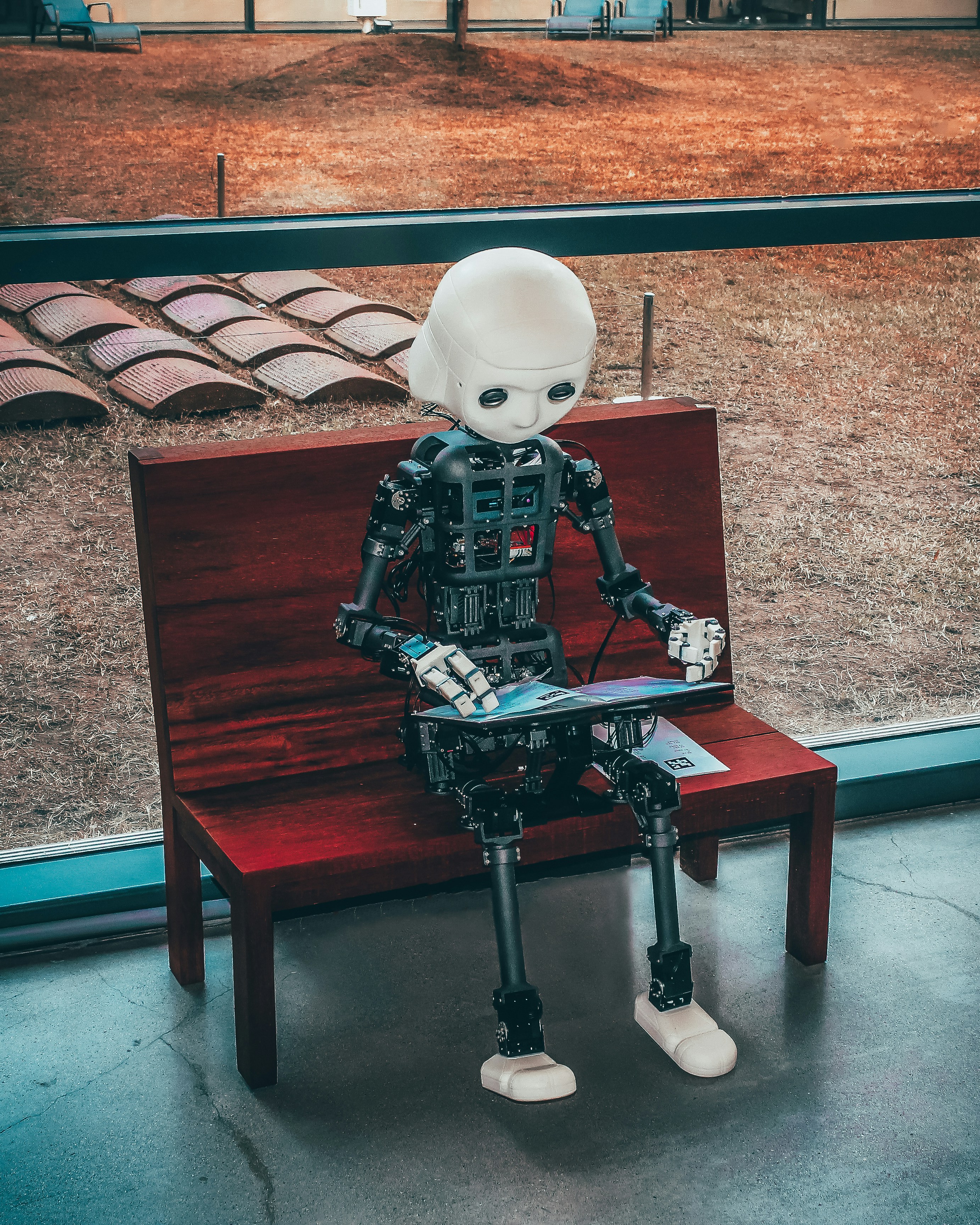
Introduction to Humanoid Robots in Elderly Care
The integration of humanoid robots into elder care represents a significant technological advancement that has the potential to transform how we provide support to the aging population. Humanoid robots are designed to resemble human appearance and behavior, allowing them to engage in various tasks that can aid in the daily lives of elderly individuals. With the increase in the global aging population and the changing demographics in cities like Patna, there is an urgent need to explore innovative solutions for elderly care.
As the number of senior citizens rises, many face challenges related to independence, safety, and health management. Traditional caregiving methods may not always suffice to meet the growing demands. Humanoid robots offer a viable option as they can assist in monitoring health, providing companionship, and managing tasks that seniors may struggle with, such as medication reminders and mobility assistance.
Technological developments have made it possible for humanoid robots to become more sophisticated, incorporating artificial intelligence (AI) and machine learning capabilities. These advancements enable robots to adapt to the unique needs of each individual they assist. For instance, they can learn behavioral patterns, ensuring that their support is personalized and effective. In Patna, where access to human caregivers may be limited, humanoid robots could fill a crucial gap, enhancing the quality of care while allowing elderly residents to maintain their dignity and autonomy.
In summary, the potential of humanoid robots in the field of elderly care is vast and varied. By addressing specific needs, promoting independence, and utilizing advanced technology, humanoid robots represent a promising avenue for the enhancement of elderly care services in Patna and similar urban locales.
Current Challenges Facing the Elderly in Patna
The elderly population in Patna faces a myriad of challenges that significantly affect their quality of life. One of the most prevalent issues is mobility. Many elderly individuals struggle to move around due to age-related ailments or other health conditions, leading to a decreased ability to perform daily tasks independently. Such mobility issues often result in a sense of isolation, which can further exacerbate mental health concerns, such as depression and anxiety.
Another significant challenge is the lack of companionship. Many older adults live alone, particularly in urban settings like Patna, where traditional family structures may not be as prevalent. This loneliness can lead to negative impacts on both mental and physical health, highlighting the need for social interaction and engagement. Community programs may be limited, and not all elderly individuals may have family nearby to provide regular support.
Access to healthcare is yet another critical issue facing the elderly in Patna. Although there are healthcare facilities available, the geographical barriers, along with financial constraints, can limit the elderly’s ability to receive timely medical care. Regular check-ups and timely interventions are crucial for maintaining health in older age, making accessibility a key concern.
Moreover, the management of household tasks presents another hurdle. For many elderly individuals, activities like cooking, cleaning, and grocery shopping can become overwhelming. This not only impacts their independence but can also lead to hazardous situations if not conducted safely. As these challenges mount, exploring innovative solutions such as humanoid robots capable of assisting with daily tasks becomes a pertinent conversation in the effort to enhance the living conditions of the elderly in Patna.
Overview of Humanoid Robot Technology
Humanoid robots represent a remarkable intersection of engineering, artificial intelligence, and design, aimed at mimicking human capabilities and interactions. Their development is rooted in advanced robotics, where the focus is on creating machines that can perform a variety of tasks typically associated with human behavior. These machines are equipped with sophisticated sensors, actuators, and AI algorithms, enabling them to navigate their environments and interact with humans effectively.
The physical design of humanoid robots is carefully considered, often featuring two legs, arms, and a head, which allows them to engage with humans in a more relatable manner. The materials used in construction vary, often including lightweight metals and polymers that balance durability with ease of movement. This design facilitates functionalities such as walking, reaching, and even mimicking facial expressions, thus enhancing their ability to bond with the elderly.
The functionalities of humanoid robots extend beyond mere mobility assistance; they can perform several important tasks critical for elder care. For instance, medication reminders can be programmed into the robot’s system, ensuring that seniors adhere to their prescribed regimens. Additionally, these robots can assist with daily activities such as fetching items, helping with dressing, or even guiding individuals during physical rehabilitation exercises.
Companionship is another key function of humanoid robots. Equipped with speech recognition and natural language processing capabilities, these robots can engage in conversations, respond to questions, and provide entertainment, significantly reducing feelings of isolation among the elderly. In essence, the integration of humanoid robots into elder care settings in Patna homes may offer enhanced support for independence, safety, and emotional wellbeing, showcasing the potential of technology to positively impact the aging population.
Safety Considerations for Humanoid Robots
As humanoid robots increasingly become integrated into the daily lives of elderly individuals, particularly in domestic environments such as homes in Patna, understanding their safety features is paramount. The physical interactions between robots and their human users raise significant safety concerns that must be addressed comprehensively. These concerns span across various dimensions, including operational mechanisms, responsiveness, and programmed safety protocols.
Modern humanoid robots are equipped with an array of built-in safety features designed to ensure the well-being of elderly individuals. One prominent feature is the presence of sensors that enable robots to detect their surroundings effectively. These sensors can identify human presence, obstacles, and changes in the environment, allowing for safe navigation and interaction. For instance, when a robot approaches an elderly person, it can slow down or stop based on distance measurement to prevent accidental collisions. This responsiveness is critical in minimizing the risk of physical harm during interactions.
Additionally, humanoid robots can be programmed with emergency response capabilities. In instances of falls or health-related emergencies, these robots can be integrated with alert systems to notify family members or emergency services promptly. Such proactive measures not only safeguard the immediate welfare of elderly users but also provide peace of mind to their family members, knowing that help is readily available if needed. Furthermore, the ability to customize the robots’ responses to individual needs and preferences can enhance their effectiveness as personal assistants while prioritizing the safety of elderly users.
Furthermore, incorporating fail-safe mechanisms within humanoid robots ensures that any malfunction or unexpected behavior can be swiftly addressed without compromising user safety. By emphasizing these safety considerations, the development and application of humanoid robots can be tailored to foster a secure, supportive environment for the elderly, enhancing their quality of life while mitigating potential risks associated with robotic assistance.
Case Studies: Successful Implementations of Humanoid Robots
Across the globe, several countries have made significant strides in integrating humanoid robots into elderly care settings, demonstrating their effectiveness in enhancing the quality of life for seniors. One prominent case is Japan, where robots such as Robi and Paro have been employed in nursing homes. These humanoid companions not only provide social interaction but also help alleviate feelings of loneliness—a common issue among the elderly. Caregivers have noted a remarkable improvement in emotional well-being among residents who engage with these robotic peers, fostering a sense of companionship that traditional care often struggles to provide.
Similarly, in the United States, the use of the robot “Pepper” has revolutionized engagement in assisted living facilities. Pepper is designed to communicate effectively with users through speech recognition and emotional detection software, allowing it to respond to seniors’ needs in real-time. Studies have shown that seniors who interact with Pepper display increased socialization and improved cognitive function, which are critical components of elderly care. The positive outcomes from such interactions inspire caregivers to explore further innovative uses of technology in their daily routines.
In addition, the United Kingdom has witnessed successful implementations of humanoid robots in physiotherapy and rehabilitation scenarios for elderly patients. Robots such as the “Giraff” assist in delivering physical therapy sessions while offering companionship. These initiatives have resulted in measurable gains in mobility and independence for seniors, underscoring the potential for humanoid robots to serve as multipurpose tools in eldercare.
These case studies collectively pave the way for potential applications in Patna, where similar innovations can address the unique challenges faced by the elderly. The benefits observed in these international settings highlight the necessity for further exploration and adaptation of humanoid robots in local eldercare initiatives, ultimately striving for improved safety and well-being for seniors in Patna.
Public Perception and Acceptance of Humanoid Robots
The perception and acceptance of humanoid robots among the elderly and their families in Patna is a multifaceted issue, influenced by cultural, social, and emotional factors. As these technologically advanced assistants enter homes, understanding how the elderly perceive them becomes crucial. A significant factor affecting acceptance is trust. Humanoid robots, designed to provide assistance and companionship, need to be perceived as reliable and safe. Elderly individuals often have concerns about the capabilities of technology, as they may be unfamiliar with its functionalities. Building trust involves providing adequate information about the robots’ features and how they can genuinely enhance the quality of life.
Comfort is another critical element in the acceptance of humanoid robots. Many elderly individuals may feel threatened by the idea of having machines perform tasks traditionally done by human caregivers. This discomfort can stem from a fear of replacement or a lack of familiarity with interacting with robotic systems. Ensuring that these robots are designed to be user-friendly and supportive may ease anxiety and lead to increased acceptance. In many cases, demonstrating the capabilities of humanoid robots in a friendly and engaging manner can help to foster positive perceptions.
Cultural considerations also play a substantial role in shaping public perception. In Patna, where traditional values and family-oriented living are predominant, the introduction of humanoid robots may evoke mixed feelings. While some families may embrace technology as a means to enhance caregiving, others may view it with skepticism, preferring human interaction over robotic assistance. Addressing these cultural concerns through community engagement, workshops, and open discussions can provide insights into the fears and expectations surrounding humanoid robots.
Potential Barriers to Adoption in Patna
The introduction of humanoid robots into the daily lives of the elderly in Patna presents several potential barriers that could hinder their adoption. One primary concern is financial constraints. Many families may struggle with the costs associated with purchasing and maintaining such advanced technology. Humanoid robots, regardless of their potential benefits, are often perceived as luxury items rather than essential tools for care. To overcome these financial barriers, it may be beneficial for governments and non-governmental organizations to offer subsidies or financial assistance programs specifically aimed at families with elderly members. This would make humane technological solutions more accessible to a broader segment of the population.
Technological infrastructure is another significant barrier. In many areas of Patna, inconsistent power supply and limited internet connectivity can impede the functionality of humanoid robots. For these robots to operate efficiently, they require stable power sources and seamless internet access for data updates and remote monitoring capabilities. Investing in the necessary infrastructure, such as improving the electrical grid and expanding internet coverage, is essential for facilitating the integration of these robots into households.
Moreover, societal factors play a crucial role in the acceptance of humanoid robots. Cultural perceptions regarding technology and generational differences can hinder the willingness of families to embrace robotic assistance. Many individuals may be skeptical about relying on technology to care for their loved ones, equating it to a loss of human touch in caregiving. Public awareness campaigns and educational programs that highlight the benefits of humanoid robots in enhancing the quality of life for the elderly can help mitigate these concerns. Additionally, providing demonstrations and pilot programs in community centers can illustrate the practical advantages that these robots can offer, paving the way for increased acceptance and adoption.
Future Prospects of Humanoid Robots in Elderly Care
The future of humanoid robots in elderly care looks promising as advancements in artificial intelligence (AI) and robotics continue to unfold. The integration of sophisticated AI technologies is expected to enhance the capabilities of these robots, enabling them to understand and respond to the nuanced needs of elderly individuals. By leveraging machine learning algorithms, robots will become adept at recognizing emotional cues and providing companionship, which can significantly combat loneliness among senior citizens.
Moreover, as robotics technology progresses, humanoid robots are anticipated to offer more practical assistance in daily activities such as medication management, meal preparation, and mobility support. Equipped with sensors and advanced navigation systems, these robots will ensure the safety of the elderly by preventing accidents and providing immediate help during emergencies. In addition, the use of humanoid robots in home environments could alleviate some pressure on caregivers, allowing them to focus on complex emotional support and other essential care duties that require human compassion.
Looking ahead, the role of humanoid robots in elder care is likely to expand as society continues to prioritize aging in place. Technological advancements will allow for enhanced customization of robotic companions, tailored to the individual preferences and health needs of seniors. Additionally, collaborations between healthcare providers, technology developers, and policy makers will play a crucial role in integrating these technologies effectively and ethically within homes. There is also a growing emphasis on creating user-friendly interfaces, ensuring that elderly individuals feel comfortable and secure interacting with these robots.
As research progresses, it becomes clear that humanoid robots hold significant potential for reshaping the landscape of elderly assistance, ultimately contributing to a supportive and enriching environment for older adults.
Conclusion and Call to Action
As we explore the potential of humanoid robots in assisting the elderly population in Patna, it becomes increasingly clear that these innovative technologies can provide valuable support in enhancing the quality of life for senior citizens. The discussion highlights not only the immediate benefits of companionship and assistance but also the broader implications for elder care systems. Humanoid robots can alleviate staff shortages in healthcare facilities, offer personalized care, and assist in daily tasks, thereby promoting independence among the elderly.
Moreover, the integration of humanoid robots in elder care can significantly reduce the risk of accidents and ensure that seniors receive timely assistance in emergencies. The adaptability and programmability of these robots allow for tailored solutions that address the specific needs of individuals, creating a safer and more efficient living environment within Patna homes.
In light of these potential benefits, it is imperative that policymakers, businesses, and community leaders engage in discussions regarding the implementation of humanoid robots within elder care frameworks. By fostering collaboration between technology developers and healthcare providers, stakeholders can pave the way for integrating these advanced solutions into existing support systems. This could lead to improved health outcomes, increased safety, and a better quality of life for the elderly.
As we move forward, it is essential for individuals and organizations to consider the societal implications and the responsibility that comes with advancing the use of technology in elder care. Encouraging dialogue, exploring funding opportunities, and conducting pilot programs can be instrumental in ensuring the successful adoption of humanoid robots in Patna. Together, we can harness these innovations to protect and enhance the lives of our senior citizens, creating a more supportive and enriched community for all.