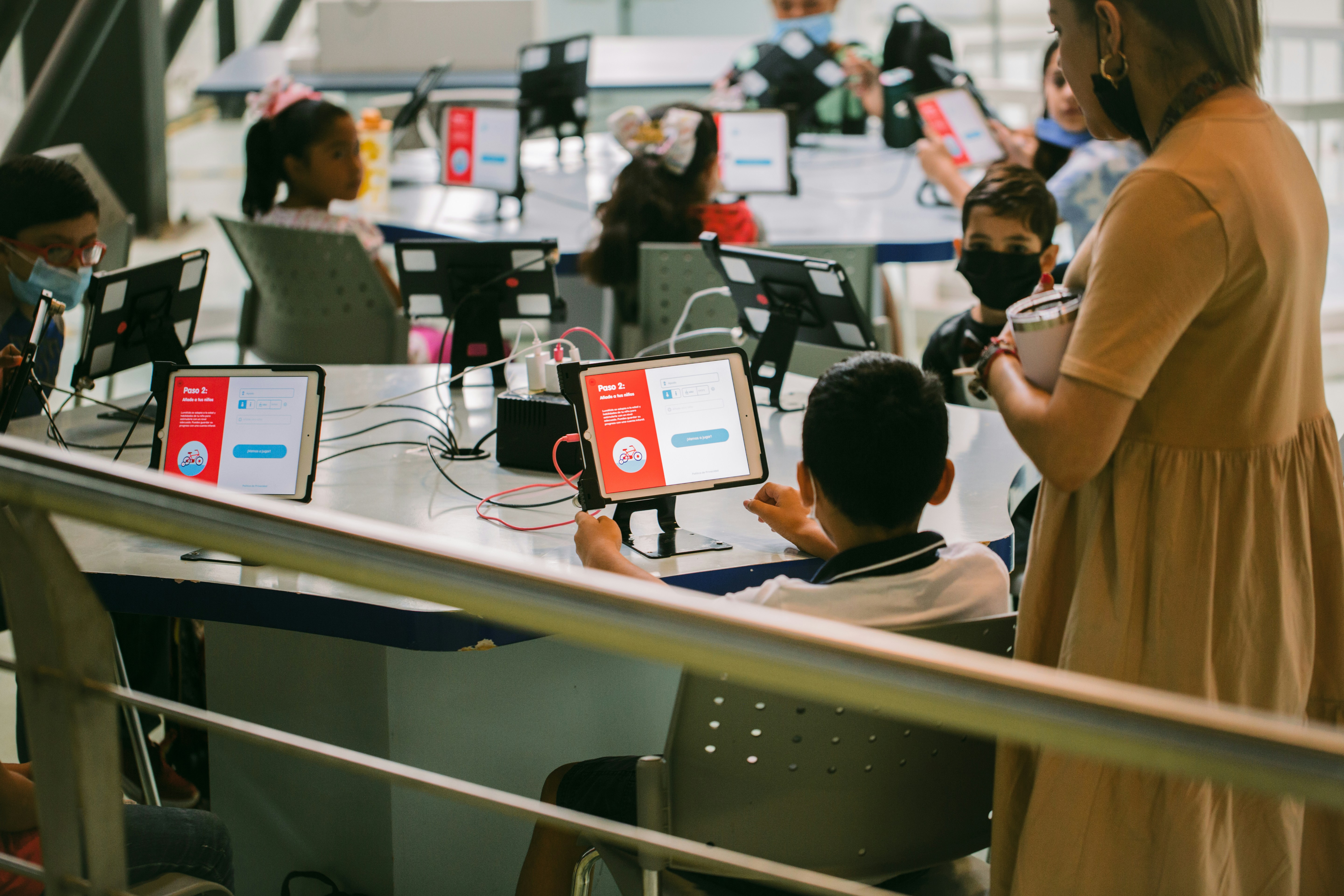
Introduction to AI in Education
Artificial Intelligence (AI) is transforming various sectors, and education is no exception. As the educational landscape evolves, particularly in government schools in Patna, the integration of AI is becoming increasingly relevant. AI technologies encompass a broad range of applications, from automated grading systems to personalized learning tools, all designed to enhance the educational experience.
The relevance of AI in education lies in its ability to analyze vast amounts of data and adapt to individual learning needs. In government schools, where resources may be limited, AI solutions present an opportunity to bridge gaps in traditional teaching methodologies. AI tutors serve as valuable tools that can assess student performance in real-time, create personalized lesson plans, and address the unique needs of each learner.
One significant benefit of implementing AI in Patna’s government schools is its potential to scale personalized education. With varying levels of understanding among students in a single classroom, AI tutors can provide tailored support, ensuring that no child is left behind. This technology allows educators to focus on high-level teaching while decreasing the time spent on administrative tasks. The ability of AI systems to analyze student behavior and learning patterns further enhances the feedback loop, enabling teachers to refine their approaches and strategies.
Moreover, as technology continues to advance at a rapid pace, the adoption of AI solutions in education is likely to increase. This presents an opportunity for government schools in Patna to not only modernize their curriculum but also prepare students for a world where digital literacy is paramount. Embracing AI in education thus reflects a commitment to equipping learners with the necessary skills to thrive in the 21st century.
The Current State of Education in Patna Government Schools
Patna, the capital city of Bihar, faces significant challenges in its educational framework, particularly in government schools. The teacher-student ratio is a crucial factor affecting learning outcomes, with many schools reporting an inadequate number of teachers to meet the diverse needs of their students. This imbalance often results in overcrowded classrooms, where it becomes increasingly difficult for teachers to provide individualized attention necessary for fostering a productive learning environment. In such scenarios, effective engagement and personalized learning experiences become nearly unattainable.
Moreover, the curriculum delivered in Patna government schools frequently suffers from limitations that do not align with the evolving educational standards or the aspirations of the students. Many students find the materials either too simplistic or outdated, lacking the depth required to spark interest and critical thinking. Consequently, this curriculum gap further exacerbates the disengagement and lack of motivation among students, leaving them ill-prepared for future academic or vocational pursuits.
Student engagement is another pressing concern, with many learners displaying apathy towards their education. Factors contributing to this disengagement include inadequately trained teachers, lack of interactive learning materials, and insufficient access to modern educational resources. Without innovative approaches to education, many students in Patna risk falling behind, unable to keep pace with their peers in more developed educational environments.
Given these ongoing challenges, there is a growing necessity for innovative solutions that can enhance the educational framework. The introduction of AI tutors presents a promising option to address these issues effectively. AI technology has the potential to offer tailored learning experiences, adapt to individual student needs, and alleviate the overwhelming pressure faced by teachers in Patna government schools. By integrating such technologies, the educational landscape can be transformed, enabling better engagement, improved educational outcomes, and a brighter future for students in Patna.
Understanding AI Tutors: What They Are and How They Work
Artificial Intelligence (AI) tutors are innovative educational tools designed to enhance the learning experience by personalizing it to meet individual student needs. These tutors leverage machine learning algorithms to analyze student performance, preferences, and learning styles, allowing them to provide tailored support and resources. By utilizing data-driven insights, AI tutors are capable of identifying areas where students struggle, facilitating targeted intervention, and fostering a more effective learning environment.
One of the key functionalities of AI tutors is adaptive learning, which adjusts the difficulty level of tasks based on real-time assessments of student performance. This means that as a student progresses, the AI can modify lesson plans to ensure that they remain challenged without becoming overwhelmed. For example, platforms like Carnegie Learning employ adaptive algorithms that adjust math problem complexity based on a student’s answers, tailoring future questions to address specific skills that require improvement.
Moreover, real-time feedback is another significant feature offered by AI tutors. This immediate response helps students understand their mistakes and learn from them instantaneously, a crucial component in reinforcing concepts. Various applications, such as Khan Academy and Duolingo, illustrate this capability by offering instant performance analysis, guiding learners through interactive exercises that respond to their individual input.
Furthermore, personalized lesson plans are a hallmark of AI tutoring platforms. By analyzing data collected from a student’s interactions, AI tutors can create custom learning paths that cater to their strengths and weaknesses. Platforms such as Smart Sparrow enable educators to design bespoke learning experiences, giving students a greater sense of ownership over their educational journey.
Personalized Learning: The Key Benefits of AI Tutors
Personalized learning has emerged as a transformative approach within the educational landscape, particularly in government schools in Patna, where the integration of AI tutors is proving to be beneficial for students. AI tutors play an essential role in customizing education according to individual needs, thereby addressing diverse learning styles and capabilities. This ensures that content is tailored specifically to align with the current understanding of each student, fostering a more meaningful educational experience.
One of the primary advantages of AI tutors is their ability to deliver tailored content delivery. They utilize sophisticated algorithms to assess the strengths and weaknesses of students, offering resources and learning materials that are specifically designed to meet their unique requirements. By doing so, AI tutors can effectively bridge the gaps in knowledge and provide support in areas where students may struggle, facilitating a stronger grasp of the subject material.
Additionally, pacing becomes a crucial aspect of personalized learning through AI-driven systems. Traditional classroom settings often follow a uniform pace, which can leave some students behind while others feel unchallenged. Conversely, AI tutors allow students to progress through their learning journey at their own speed, promoting self-directed learning. This individualized pace enables students to spend more time on challenging topics, ensuring thorough comprehension before moving on to the next concepts.
Yet another benefit is the comprehensive tracking of student improvement that AI tutors provide. These systems can effectively monitor progress over time, identify areas needing attention, and provide educators with detailed analytics. Such information empowers teachers to make informed decisions on instructional strategies, ensuring that each child receives the support necessary for academic success. Overall, the incorporation of AI tutors significantly enhances personalized learning, creating a more engaging and effective educational environment for students in Patna’s government schools.
Case Studies: Success Stories of AI Tutors in Patna
In recent years, several pilot projects have emerged within Patna government schools that illustrate the effectiveness of AI tutors in enhancing educational outcomes. These case studies not only showcase the potential of AI in the classroom but also offer insightful testimonials from teachers, students, and parents who have experienced this innovative approach first-hand.
One notable initiative involved implementing AI tutoring systems in a cluster of government schools in Patna, aiming to address the diverse learning needs associated with varying educational backgrounds. Teachers reported a significant improvement in student engagement and personalized learning experiences. For instance, in one school, students showed an average academic performance increase of 20% after regularly utilizing AI tutoring resources for subjects like mathematics and science. According to Ms. Rani, a mathematics teacher at a local government school, “The AI tutor has been a game-changer. It adapts to each student’s learning pace, ensuring that no one is left behind. Many students have gained confidence and are now performing exceptionally well in examinations.”
Furthermore, testimonials from students have underscored the positive emotional impact of AI tutors. A seventh-grade student named Aman shared, “I used to struggle with science, but the AI tutor made concepts easier to understand. Now I look forward to my science classes.” This sentiment was echoed by parents who appreciated how AI tutoring facilitated a more personalized home study environment. According to Mrs. Sharma, a parent of a ninth-grade student, “We noticed our child spending more time studying and showing interest in subjects that he once found challenging. The AI tutor seems to provide that extra support he needed.”
These case studies collectively highlight the successful implementation of AI tutors in Patna government schools. They reflect an encouraging trend towards enhancing student engagement and overall educational performance through personalized learning solutions.
Challenges and Ethical Considerations
The integration of AI tutors into the traditional educational framework of Patna government schools presents several challenges and ethical considerations that warrant careful examination. One significant challenge is the technological infrastructure required for successful implementation. Many schools in Patna may lack reliable internet access and sufficient hardware to support AI-driven educational tools. This digital divide could hinder the effectiveness of AI tutors and exacerbate existing inequalities in educational access.
Furthermore, the effective training of teachers is essential for the successful adoption of AI tutors. Educators must be equipped not only with the technical knowledge to use these systems, but also with understanding how to complement AI with traditional teaching methods. Professional development initiatives should be established to assist teachers in navigating this new landscape, ensuring that they are capable of integrating AI seamlessly into their classrooms.
Societal acceptance of AI technology in education is another critical issue, as parents and communities may have differing views on the use of artificial intelligence as an educational tool. While some may embrace the potential for customized learning experiences, others may express skepticism or concern regarding the replacement of human educators. To address this, it is crucial to engage stakeholders in meaningful discussions about the benefits and limitations of AI tutoring.
Moreover, ethical concerns surrounding data privacy and security cannot be overlooked. The collection and analysis of student data by AI systems pose significant risks if not managed appropriately. Educational institutions must establish rigorous policies to safeguard student information and ensure transparency in how data is utilized. Additionally, biases inherent in AI algorithms could lead to unequal learning outcomes, highlighting the need for continuous evaluation and refinement of AI systems to promote fairness and equity in education.
Future Prospects: The Role of AI in Shaping Education
The future of education in Patna government schools is poised for transformation due to the integration of Artificial Intelligence (AI) in teaching methodologies. As technology continues to advance, AI tutors are expected to play a critical role in creating personalized education experiences tailored to individual learning needs. This personalization is paramount, as it allows students to progress at their own pace, reinforcing their strengths while providing additional support in areas where they may struggle.
One of the most significant developments in AI technology is its ability to analyze vast amounts of data rapidly. This capability could lead to the creation of adaptive learning platforms that assess student performance in real time and modify learning materials accordingly. Such innovations promise a more engaging and effective educational environment that caters to diverse learning styles and paces. The potential for AI to enhance these methodologies makes it a vital tool for educators, facilitating a shift from traditional one-size-fits-all approaches to more individualized instruction.
Moreover, the incorporation of AI within the educational landscape could foster a more inclusive atmosphere, especially in under-resourced areas. By providing access to quality learning resources and skilled tutoring, AI can help bridge educational gaps and ensure that all students have the opportunity to succeed. This could lead to increased student retention and higher graduation rates within Patna government schools, shaping a more educated and capable workforce for the future.
As these advancements unfold, it will be essential for educators and policymakers to collaborate on integrating AI effectively into curriculum development. The synergy between human instruction and AI capabilities can result in innovative teaching practices that not only enhance learning outcomes but also instill a lifelong love for learning among students. The future of education in Patna, enriched by AI, holds great promise for nurturing a new generation equipped with the skills necessary to thrive in an increasingly technology-driven world.
Integrating AI Tutors with Traditional Teaching Methods
The increase in technology adoption within educational frameworks prompts a need for integrating AI tutors effectively alongside traditional teaching methodologies. Leveraging AI tutors does not aim to replace teachers; instead, it focuses on complementing the existing pedagogical practices. This integration can enhance student learning experiences by creating a collaborative educational environment.
One viable strategy includes establishing a blended learning model where AI tutors support teachers in delivering personalized instruction. In this scenario, teachers can utilize AI-driven assessments to identify students’ strengths and weaknesses, allowing for tailored learning paths that address individual needs. Such data-driven insights empower educators to modify their lesson plans or adopt alternative teaching strategies to better reach diverse learners.
Moreover, collaborative teaching approaches can be implemented wherein teachers and AI tutors interact in real-time during lessons. For instance, while a traditional instructor leads a class discussion, AI tutors can provide on-the-spot resources or supplemental materials for students requiring additional support or enrichment. This alliance ensures that learners receive immediate assistance while still benefiting from human interaction, which is instrumental for socio-emotional development.
Furthermore, professional development for teachers is crucial in this integration process. Training programs that focus on leveraging AI tools in the classroom can equip educators with the necessary skills to maximize technology’s potential. By fostering familiarity and comfort with AI systems, teachers will more effectively collaborate in the educational ecosystem.
Overall, a systematic approach that harnesses both AI and traditional teaching will facilitate a richer learning experience for students. By promoting partnership rather than competition between teachers and AI tutors, educational institutions in Patna can effectively adapt to evolving learning demands.
Conclusion: Embracing Innovation for Better Education
As we have explored throughout this post, the integration of AI tutors in Patna government schools has the potential to revolutionize educational methodologies. With their ability to personalize learning experiences, AI-driven technologies cater to the individual needs of students, ensuring that all learners receive the tailored support they require. This personalized approach is particularly effective in enhancing engagement and improving academic performance, creating a more inclusive learning environment.
The deployment of AI tutors addresses a critical gap in educational resources, especially in regions where access to quality teaching may be limited. By leveraging data-driven insights, these intelligent systems can identify students’ strengths and weaknesses, allowing for a more targeted educational strategy. This not only promotes academic excellence but also fosters a deeper understanding of subject matter, encouraging students to take ownership of their learning.
Furthermore, it is essential for stakeholders, including educators, policymakers, and community leaders, to embrace this innovative technology. Supporting the implementation of AI tutors requires a collaborative effort to enhance infrastructure, training, and resources. By doing so, we can ensure that every student in Patna government schools receives the educational opportunities they deserve.
In light of these insights, it is imperative that we advocate for the integration of AI in our educational institutions. The potential benefits—including increased accessibility, improved learning outcomes, and a more engaging educational experience—are significant. Embracing this technological advancement is not just a necessary step; it represents a commitment to creating a better future for our children.