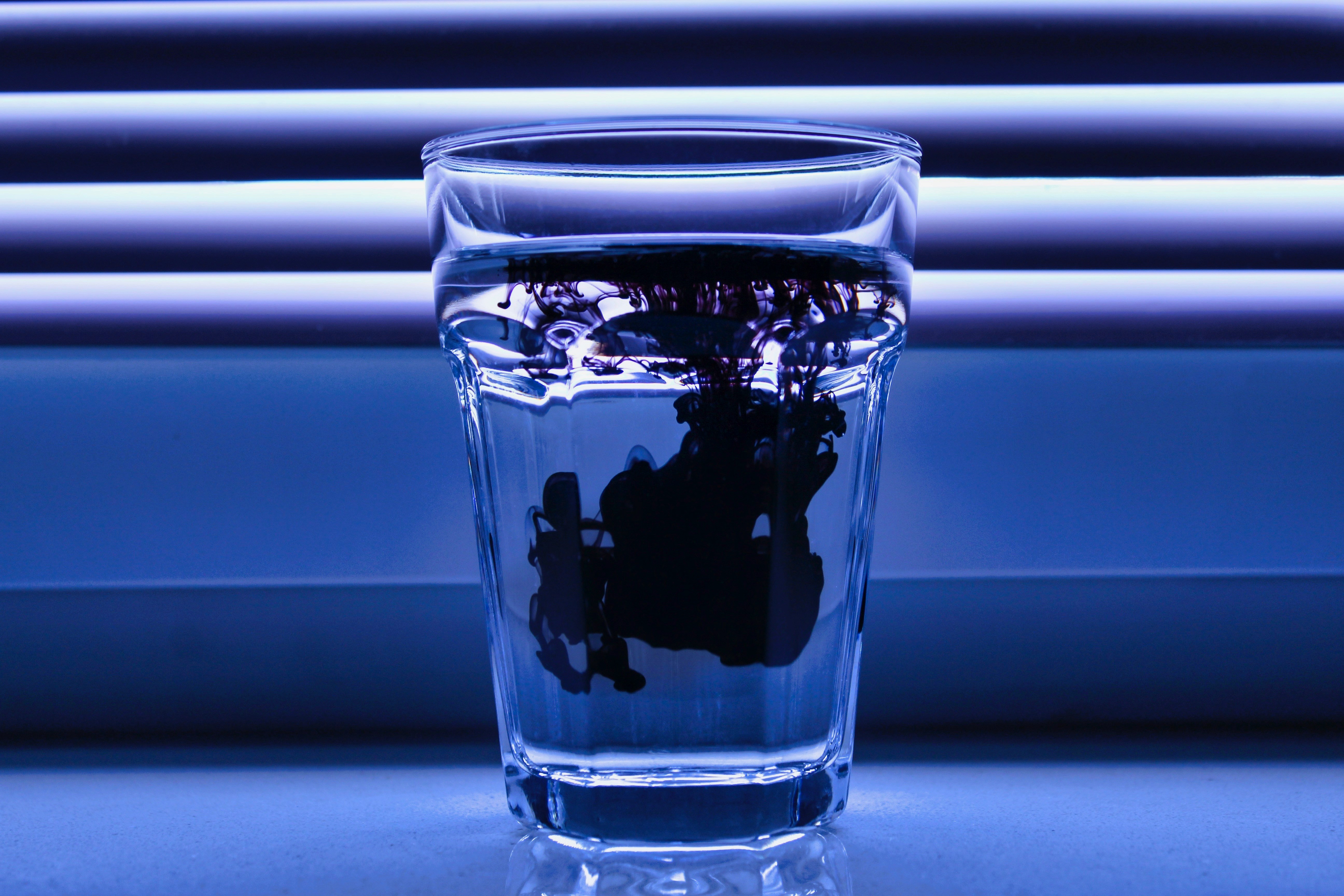
Introduction to Diffusion and Its Importance
Diffusion is a fundamental physical process defined as the movement of molecules from an area of higher concentration to one of lower concentration. This phenomenon plays a crucial role in various scientific fields, including chemistry, biology, and environmental science. Diffusion is essential for understanding how substances interact with one another, and it significantly influences biological and chemical reactions.
In biological contexts, diffusion is vital for maintaining homeostasis within cells. For instance, oxygen and carbon dioxide gas exchange occurs in the lungs through diffusion, allowing for cellular respiration in the body’s tissues. Nutrients, such as glucose, also diffuse across cell membranes, demonstrating the importance of this process for energy production and cellular functions. Additionally, the diffusion of ions is critical in nerve cell signaling and muscle contractions, illustrating its role in physiological processes.
Beyond biology, diffusion is a key concept in industrial applications and environmental science. In chemical engineering, optimizing diffusion is crucial for enhancing reaction rates and product yields in various processes, including progressive distillation. By understanding and harnessing the principles of diffusion, industries can improve efficiency and reduce waste. In environmental science, diffusion significantly impacts pollutant dispersal in air and water. Studies on how pollutants diffuse aid in developing strategies for remediation and environmental protection.
Thus, diffusion is not merely a physical phenomenon; it is a cornerstone of various scientific fields, affecting everything from cellular health to industrial productivity and environmental sustainability. The significance of diffusion extends through multiple layers of research and application, asserting its importance in both natural and engineered systems.
What is Progressive Distillation?
Progressive distillation is a well-established technique employed for the separation of mixtures into individual components based on their distinct boiling points. This method efficiently facilitates the extraction of desired substances, thereby playing a vital role in various industrial processes. By systematically heating a mixture, components with lower boiling points vaporize first, allowing them to be collected and condensed back into a liquid state. This sequential operation continues until the mixture is separated into its constituent parts, providing both purity and yield.
The primary purpose of progressive distillation is to enhance the selective separation process, enabling industries to obtain specific products with minimal contaminants. This technique enjoys widespread application across key sectors such as petrochemicals, where crude oil is transformed into valuable fuels and chemicals. In alcohol production, progressive distillation allows distillers to purify ethanol from fermentation mixtures, ensuring high-quality spirits. Furthermore, in water purification systems, this method helps eliminate impurities and provide clean drinking water, showcasing its significance in environmental health.
Progressive distillation can be distinguished from standard distillation through its systematic approach, which may involve multiple stages or columns designed to refine the separation further. Each stage targets specific components, and through careful control of temperature and pressure, the process maximizes the efficiency of component extraction. By employing advanced technologies and equipment, industries can optimize production rates and achieve greater control over the quality of their end products.
The Role of Temperature in Diffusion
Temperature plays a crucial role in the process of diffusion, especially as it relates to progressive distillation. In essence, diffusion is the movement of particles from an area of higher concentration to an area of lower concentration. At elevated temperatures, the kinetic energy of the molecules increases, leading to more rapid and energetic movement. This acceleration of motion makes it possible for molecules to collide more frequently and mix more effectively, which enhances the rate of diffusion.
In the context of progressive distillation, where the objective is to separate various components within a mixture, temperature serves as a critical parameter. As the temperature rises during distillation, the vapor pressure of the substances also increases, allowing for a faster transition from liquid to vapor. Consequently, this increased volatility results in a higher quantity of molecules escaping into the vapor phase, promoting rapid diffusion of these vapor molecules. Therefore, understanding how temperature influences these dynamics can significantly optimize the process of progressive distillation.
Moreover, the relationship between temperature and diffusion rate can be quantified through Fick’s laws of diffusion, which state that an increase in temperature will typically result in a proportional rise in the diffusion coefficient. This enhanced rate of diffusion is particularly beneficial in progressive distillation, as it facilitates the efficient separation of components based on their differing boiling points. Consequently, operators in a distillation process must closely monitor and adjust the temperature to ensure optimal diffusion rates, thereby improving the yield and purity of the distillates.
How Progressive Distillation Influences Molecular Movement
Progressive distillation is a method that fundamentally changes the way molecules interact during a separation process. By utilizing varying temperatures and pressure conditions, progressive distillation creates an environment that enhances molecular movement. In this context, smaller and lighter molecules have a distinct advantage over their larger counterparts when it comes to diffusion. The separation process effectively segregates substances based on their boiling points and molecular weights, allowing the lighter fractions to diffuse more rapidly.
As the distillation process advances, molecules are subjected to differential temperatures. Lighter molecules typically evaporate at lower temperatures, thus entering the vapor phase more readily. This transition supports quick diffusion through the vapor column, ultimately enhancing the overall efficiency of the distillation process. In contrast, larger, heavier molecules require higher energy input to achieve the same state, which limits their movement. The separation thus creates a dynamic equilibrium whereby lighter fractions occupy a larger portion of the vapor phase, promoting faster diffusion compared to heavier fractions.
Furthermore, the mechanism of progressive distillation enhances molecular interaction. By continually reintroducing vapors into a distillation column, the likelihood of lighter molecules colliding with one another increases, resulting in more efficient energy transfer and momentum sharing. This cascading effect fosters more rapid molecular movement, thus maximizing the effective separation of components within a mixture. Consequently, progressive distillation not only facilitates molecular segregation based on weight but also accelerates diffusion rates for lighter molecules, establishing a clear advantage in industrial applications where efficiency is paramount.
The Principle of Concentration Gradient
The process of diffusion relies heavily on the concept of concentration gradient, which is the difference in concentration of molecules across a space. In a typical scenario, molecules tend to move from areas of higher concentration to areas of lower concentration until equilibrium is achieved. This natural tendency is fundamental to various processes, including progressive distillation, where distinct concentration levels play a crucial role.
In the context of progressive distillation, concentration gradients are intentionally created to enhance the efficiency of diffusion. This technique separates components of a mixture based on their boiling points. As the mixture is heated, the most volatile components vaporize first, leading to higher concentrations of these substances in the vapor phase. As the distillation progresses, the concentration of the remaining components changes, resulting in varying concentration levels throughout the distillation column.
The establishment of a steep concentration gradient accelerates the movement of molecules. When a substantial difference exists in concentration levels, the driving force behind diffusion is increased, facilitating a quicker and more effective separation of components. Essentially, the greater the difference in concentration, the more significant the potential for rapid diffusion. This principle is exploited in progressive distillation by maintaining optimal temperature and pressure, leading to effective mass transfer.
Moreover, maintaining an efficient concentration gradient is pivotal for the operational success of distillation processes. By carefully controlling parameters such as reflux ratios and column height, practitioners can ensure that concentration differences remain significant throughout the distillation process. The balance struck between the vapor and liquid phases further influences the overall separation efficiency, highlighting the profound importance of concentration gradients in diffusion.
Impact of Pressure and Volume on Diffusion Speed
In the realm of progressive distillation, understanding the influence of pressure and volume on diffusion speed is crucial for optimizing efficiency. Diffusion is the process by which molecules move from an area of higher concentration to one of lower concentration, and its rate can be significantly affected by environmental factors, specifically pressure and volume.
According to the ideal gas law, which states that the product of pressure and volume is proportional to the number of moles of gas times the temperature (PV = nRT), changes in these parameters can lead to variations in diffusion rates. Increasing the pressure within a distillation column can enhance the concentration of vapors and subsequently boost the rate of diffusion. For instance, higher pressure leads to a greater number of gas molecules occupying a smaller volume, intensifying molecular collisions and thereby increasing the diffusion speed.
Conversely, reducing the pressure allows for larger volumes, which can result in slower diffusion rates due to the decreased concentration of molecules. It is essential to strike a balance, as excessively low pressure may hinder the efficiency of the distillation process by relinquishing the necessary concentration of the target compounds. In practical applications, distillation setups utilize pressure control systems to fine-tune the environment, optimizing the diffusion rates and enhancing the overall effectiveness of the separation process.
Moreover, variations in volume can also influence how quickly molecules diffuse. When the volume is expanded, the distance molecules must travel to achieve equilibrium extends, potentially slowing down the overall diffusion rate despite the decreased pressure. Hence, when designing distillation processes, it is imperative to consider both pressure and volume adjustments to achieve the desired outcomes in terms of efficiency and yield.
Comparative Analysis: Progressive Distillation vs. Traditional Distillation
Distillation is a widely used separation technique that relies on differences in boiling points to separate components from a mixture. Traditional distillation, often referred to as simple or batch distillation, involves heating the mixture until one or more components vaporize; this vapor is then condensed back into liquid form and collected. However, this approach can be time-consuming and less efficient, particularly for complex mixtures requiring multiple separation steps.
In contrast, progressive distillation represents a more advanced methodology designed to enhance the separation process through improved diffusion dynamics. With this technique, the distillation occurs in a series of stages or columns, allowing for continuous vaporization and condensation. This gradual process significantly enhances the mass transfer efficiencies and speeds based on the principles of equilibrium that govern the behavior of the components within the mixture.
By employing a progressive approach, the diffusion rates of the components can be accelerated. Each stage of the progressive distillation optimally utilizes the vapor and liquid phases, enabling better interaction for separation. As a result, the method produces higher purity products and requires fewer energy inputs and time compared to traditional methods.
Moreover, progressive distillation systems are often designed to handle larger volumes or real-time adjustments in the feed composition, making them ideal for industries where process flexibility is crucial. In contrast, traditional distillation systems, with their batch processing nature, can lead to inefficiencies when adaptations are necessary. This inherent difference illustrates how progressive distillation not only improves the rate of diffusion but also enhances operational efficiency and product quality.
Practical Applications of Accelerated Diffusion Through Progressive Distillation
Accelerated diffusion through progressive distillation plays a significant role in various industries, showcasing its versatility and efficiency. One key area of application is the pharmaceutical sector, where the precise separation of compounds is crucial for drug formulation processes. For instance, progressive distillation is employed in the extraction and purification of active pharmaceutical ingredients (APIs). The enhanced diffusion rates allow for faster and more effective separation of these compounds from complex mixtures, thereby expediting the drug development timelines. The ability to achieve higher purity levels not only meets regulatory standards but also improves the overall efficacy of the final products.
In the petrochemical industry, accelerated diffusion through progressive distillation is vital for refining crude oil into value-added products such as gasoline, kerosene, and diesel. The implementation of advanced distillation techniques enables refineries to optimize the separation of different hydrocarbons, leading to increased yield and reduced energy consumption. This process also allows for the efficient recovery of ethylene and propylene, which are essential feedstocks for producing various polymers and chemicals. As demand for cleaner fuels grows, the adaptability of progressive distillation ensures that petrochemical processes remain efficient and eco-friendly.
Environmental technology has also benefited from the principles of accelerated diffusion. Innovative wastewater treatment methods utilize progressive distillation to separate contaminants from water, ensuring cleaner effluents are discharged into ecosystems. The technology allows for rapid diffusion of pollutants, making it easier to concentrate these substances for safer disposal or recovery. This application not only aids compliance with environmental regulations but also promotes sustainability by enabling the recycling of valuable materials from waste streams.
Conclusion and Future Perspectives
In exploring the intricacies of progressive distillation and its role in the acceleration of diffusion, it is evident that these processes are closely intertwined. Progressive distillation has emerged as a significant technique in the field of separation sciences, optimizing the separation of components in mixtures through the efficient control of temperature and pressure. This innovative approach not only enhances diffusion rates but also improves the overall purity of the separated substances.
The examination of diffusion dynamics within progressive distillation highlights the critical importance of understanding molecular interactions and their impact on the movement of particles. This knowledge base is paramount for advancing separation techniques that cater to both industrial and laboratory applications. Furthermore, the integration of novel technologies such as machine learning and automation could lead to unprecedented efficiencies in distillation processes, providing new avenues for research and application.
As we look to the future, significant advancements can be anticipated in the fields of progressive distillation and diffusion. Researchers are continuously exploring the potential of new materials for distillation columns that may further enhance mass transfer rates. Additionally, the development of hybrid separation technologies combining distillation with other methods could revolutionize how we approach complex separations.
Ultimately, as the landscape of separation science evolves, the principles observed in diffusion and progressive distillation will pave the way for innovative methodologies that can address current and future challenges in various industries, including pharmaceuticals, oil refining, and environmental engineering. By continuing to refine and assess these separation techniques, the potential for improved separation processes will undoubtedly advance, benefiting both scientific exploration and practical applications in the real world.