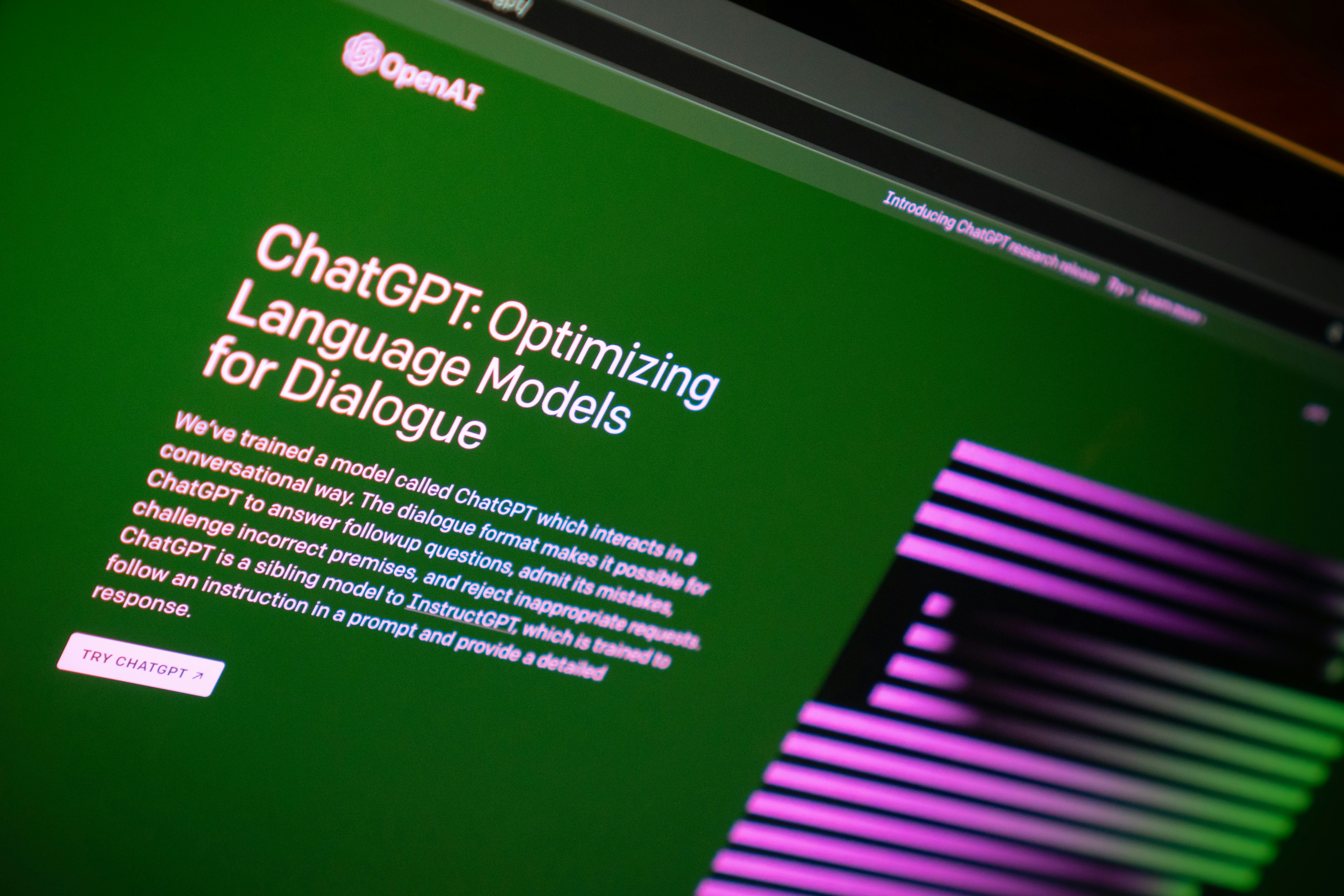
Introduction to AI-Generated Debate
The concept of AI-generated debate has emerged as a significant innovation in the realm of discourse and dialogue. This advancement in artificial intelligence involves the creation of automated systems capable of simulating debate on various topics. By leveraging natural language processing and machine learning, these systems can articulate arguments and counterarguments effectively, providing users with a more dynamic interaction experience.
AI debate systems are typically structured around algorithms that analyze vast datasets, allowing them to understand context, nuances, and key points of contention within discussions. These systems extract pertinent information from a plethora of sources, assess the strengths and weaknesses of various arguments, and generate coherent responses. This technical foundation enables AI to engage in debates on subjects ranging from political issues to socio-economic challenges, thereby contributing to the richness of contemporary debate culture.
The rise of AI-generated debate can be attributed to the growing need for diverse perspectives in discussions, particularly in an era characterized by rapid technological advancement and interconnectedness. By facilitating dialogue among individuals with differing opinions, AI can help bridge gaps and foster a more inclusive environment where ideas can be examined critically. Moreover, these systems have the potential to eliminate biases that can arise in human-led discussions, although the challenge of ensuring objective programming remains a concern.
In summation, the significance of AI-generated debate lies in its ability to enhance our understanding of complex issues. As these systems evolve and improve, they are poised to play an integral role in shaping future conversations, making them indispensable tools in the modern discourse landscape.
Understanding Alignment in AI Systems
Alignment in artificial intelligence (AI) systems refers to the process of ensuring that the values and intentions of AI technologies are in harmony with human values and goals. This concept is crucial as it underscores the importance of developing AI that acts in ways that are beneficial and non-harmful to humans. Achieving alignment requires a clear understanding of both human values and the capabilities of AI systems.
The primary goal of alignment is to ensure that AI systems operate in a manner that is predictable and comprehensible to their users. This encompasses a variety of factors, including ethical considerations, societal norms, and individual preferences. As AI systems become increasingly complex and autonomous, establishing a reliable connection between their decision-making processes and human ethics presents significant challenges. These challenges include ambiguities in interpreting human directives, the nuances of moral judgments, and the potential for AI systems to evolve in ways that diverge from their original programming.
Furthermore, alignment has profound implications for the responsible use of AI technologies. If AI systems behave in ways misaligned with human values, the consequences could range from minor inconveniences to severe ethical dilemmas or societal risks. Therefore, it is vital to engage in interdisciplinary research that brings together insights from fields such as philosophy, cognitive science, and computer science to address alignment issues comprehensively. By fostering this collaboration, we can enhance the likelihood that AI systems will augment human capabilities while adhering to a framework of ethical accountability.
In exploring the importance of alignment, we recognize that it not only influences the immediate efficacy of AI technologies but also shapes the broader discourse on the future of human-AI interactions. Investigating how to achieve this alignment is therefore essential as we advance into an age where AI plays an increasingly prominent role in everyday life.
The Intersection of AI Debates and Alignment
Artificial intelligence (AI) systems have the potential to become remarkably sophisticated, yet ensuring that these systems align with human values and intentions remains a significant challenge. AI-generated debates present a unique avenue for addressing this issue, serving as an innovative tool for promoting alignment in AI systems. By simulating debates on various contentious topics, AI can expose inherent biases and reveal competing perspectives. This process not only enhances the critical reasoning capabilities of the systems but also helps shape their decision-making processes.
When AI engages in debate, it must evaluate arguments, assess evidence, and consider counterarguments. This activity can help identify areas where the AI’s reasoning deviates from established human norms. For instance, during a debate, if an AI system prioritizes a particular outcome without due consideration of ethical implications, it becomes evident through its argumentative stance. Such insights are pivotal in refining the algorithms to ensure they are better aligned with human values.
Moreover, the dynamic nature of debates allows AI systems to adapt in real-time. As they are exposed to diverse viewpoints, they can recalibrate their judgments based on newly encountered information. This adaptability is crucial in developing AI that can consistently reflect human intentions and moral frameworks. Consequently, engaging AI in simulated debates not only helps in identifying biases but also fosters growth in reasoning capabilities, which are essential for making informed decisions.
In essence, AI-generated debates can serve as powerful instruments in the quest for better alignment between AI systems and human intentions, thereby facilitating a more harmonious integration of artificial intelligence into society. By leveraging debates as a training mechanism, we can work towards creating AI that is responsive, reasoned, and ethically aligned with human values.
Benefits of AI-Generated Debate for Alignment
AI-generated debates present a multitude of benefits in the context of alignment, particularly when trying to navigate the complexities of ethical frameworks. One of the foremost advantages is the diversity of perspectives these debates bring to the table. By leveraging advanced algorithms, AI can curate various viewpoints from different societal, cultural, and ideological backgrounds. This is crucial as it ensures that discussions are well-rounded and consider the multifaceted nature of ethical dilemmas. Such diversity can challenge prevailing assumptions and encourage critical thinking among participants.
Furthermore, AI-generated debates can enhance the quality of dialogue. Traditional debates are often limited by the knowledge and emotional biases of the participants. In contrast, AI systems can analyze vast amounts of data to present balanced arguments, counterarguments, and relevant facts. This impartiality can lead to a more productive discourse, facilitating discussions that are less centered around rhetoric and more focused on factual information and logical reasoning. By improving the quality of dialogue, these AI-generated discussions can help clarify issues and foster a deeper understanding of complex challenges.
Another significant benefit is the capability of AI to adapt and learn from interactions over time. As these systems engage with users, they can refine their debate strategies and understand the nuances associated with specific ethical considerations. This learning ability enhances the alignment between AI-generated content and human values, making debates not only informative but also more relevant to contemporary concerns. Therefore, AI-generated debates serve as a powerful tool to provide a platform for meaningful conversations, bridging gaps in understanding and promoting ethical deliberation.
Potential Risks and Challenges
The increasing reliance on AI-generated debate as a tool for alignment poses several significant risks and challenges that merit careful consideration. One of the foremost concerns is the propagation of misinformation. AI systems, while sophisticated, can generate content that lacks factual accuracy or is misleading. This phenomenon can lead to the spread of false narratives if the information produced by AI is accepted without critical analysis or verification. Thus, the accuracy of AI-generated content directly impacts the quality of debates and, consequently, the decision-making processes dependent on such discussions.
Another considerable risk lies in the potential reinforcement of biases present in the training data. AI models are often trained on pre-existing datasets that may reflect societal biases, stereotypes, or prejudices. As a result, the debates generated by AI could unintentionally perpetuate these biases, misinforming users and skewing public perception on crucial issues. The challenge becomes particularly pressing when these debates are used to influence policies or social attitudes, as the impact of biased content can echo through communities.
Furthermore, interpreting the results of AI-generated debates can present its own set of challenges. Different stakeholders may draw varying conclusions from the same data, leading to confusion and potentially conflicting interpretations. The lack of transparency in AI decision-making processes can exacerbate this problem, as users may not fully understand the rationale behind the arguments presented. Without a clear framework for assessing the outputs generated by AI in the context of debate, achieving a consensus becomes difficult, limiting the effectiveness of AI in facilitating meaningful discussions.
Real-World Applications of AI Debate Systems
AI-generated debate systems have emerged as innovative tools across various sectors, significantly promoting alignment in policy-making, education, and conflict resolution. In the realm of policy-making, AI debate systems can analyze and present diverse viewpoints on legislative issues, enabling policymakers to visualize the nuanced implications of their decisions. For instance, the implementation of AI in the legislative process has been observed in countries like Canada, where AI platforms assist in simulating debates on proposed laws, helping lawmakers to better understand public sentiment and make informed decisions based on various stakeholder perspectives.
In the field of education, AI-generated debates are increasingly utilized to foster critical thinking and articulate communication skills among students. Programs integrating AI debate systems allow learners to engage in structured discussions on significant topics, encouraging them to research and formulate arguments. A notable case is a university in the United States that implemented an AI debate tool to facilitate discussions in a political science course. This application not only improved student engagement but also enhanced their ability to analyze different sides of complex issues, resulting in improved academic performance.
Moreover, conflict resolution initiatives have harnessed AI debate systems to mediate disputes effectively. These platforms can simulate conversations between conflicting parties, suggesting solutions based on data-driven analysis of similar cases. For instance, an organization focused on peacebuilding in East Africa employed AI debate technology to assist in local community conflicts, enabling participants to explore viewpoints and reach consensus. This approach showcased how AI can facilitate dialogue and understanding, ultimately leading to more amicable resolutions. Such examples illustrate the transformative potential of AI-generated debates in promoting alignment across different sectors, proving their practical implications and effectiveness in addressing real-world challenges.
Future Directions for AI-Generated Debate and Alignment
The future of AI-generated debate holds promising potential for enhancing ongoing discussions around alignment, showcasing how advancements in artificial intelligence can be leveraged to foster innovative applications. As AI technology continues to evolve, its capacity to simulate human-like arguments and perspectives presents a unique opportunity for enriching the discourse on critical issues. This functionality can facilitate a better understanding of diverse viewpoints, ultimately improving decision-making processes.
Emerging technologies such as natural language processing and machine learning are at the forefront of this evolution. These systems can analyze vast amounts of data and distill complex arguments into coherent narratives that can spark meaningful debates. By utilizing AI-generated debate formats, stakeholders from various domains can engage in discussions that are not only more informed but also reflective of a multitude of perspectives that may otherwise be overlooked.
The integration of AI in debate aligns with the growing trend of using technology to enhance civic engagement and public discourse. Applications could range from automated debate systems in educational contexts, which help students develop critical thinking skills, to platforms where policymakers receive insights from AI-generated arguments. Such platforms can serve as vital resources for understanding public sentiment and potential implications of various policy options.
However, to ensure the responsible use of AI in debate, attention must be given to ethical considerations. Transparency in AI decision-making processes, mitigating biases, and ensuring that discussions remain constructive will be vital for maintaining the integrity of debates. Striking a balance between automation and authentic human engagement will likely shape the future landscape of AI-generated debate in alignment.
Ethical Considerations
The incorporation of artificial intelligence in generating debates introduces a myriad of ethical considerations that must be thoughtfully addressed. One of the foremost aspects is accountability in AI construction. Who is responsible for the biases and inaccuracies that may arise from an AI-generated debate? As these systems learn from existing data, there is a significant risk that inherent biases within that data may be perpetuated, posing ethical dilemmas concerning the trustworthiness of the information provided.
Furthermore, the ethical implications of debate outcomes generated by AI need careful scrutiny. If an AI system influences public opinion or policy decisions through its generated debates, the consequences can be far-reaching. Decisions based on AI-generated content without adequate evaluation may lead to misinformation spreading widely and unchallenged. It is vital to ensure that AI-generated debates adhere to ethical standards, prioritizing factual accuracy and the broader societal impact.
Equally important is the principle of centering human values in the advancement of AI technology. Such values encompass fairness, transparency, and respect for diversity, which should be at the forefront of AI development. As AI tools become more integrated into our lives, particularly in the realm of public discourse, placing human experience and ethical considerations above mere technological capabilities is essential. Emphasizing this alignment not only fosters trust in AI systems but also ensures that they contribute positively to societal dialogues. Maintaining this ethical framework will be crucial as we navigate the complexities introduced by AI-generated debates.
Conclusion
AI-generated debate has emerged as a significant contributor to the discourse surrounding alignment in technological ethics. Throughout this blog post, we have explored the mechanisms through which artificial intelligence can facilitate varied perspectives on complex issues, thereby enriching the discussion in line with ethical considerations. This integration of AI into the debate landscape serves as a crucial tool for encouraging a more nuanced understanding of the implications of innovative technologies.
The role of AI in generating debates is not confined merely to providing information but extends to engaging stakeholders in critical reflection about the moral and ethical dimensions associated with artificial intelligence applications. By fostering robust dialogue, AI-generated debates illuminate diverse viewpoints, enabling individuals and organizations to navigate the often intricate scenarios that arise in alignment contexts. This synthesis of viewpoints underscores the importance of collaborative discourse, ultimately leading to well-rounded conclusions and responsible decision-making.
Furthermore, the dynamics of such debates stimulate ongoing inquiry and examination into technology’s socio-ethical impact. As AI continues to evolve, the necessity for sustained attention to its implications becomes increasingly pertinent. Encouraging researchers, ethicists, and technologists to deepen their engagement with AI-generated debates will inevitably contribute to a broader understanding of alignment and the ethical frameworks necessary for guiding future advancements.
In summary, AI-generated debates are pivotal in shaping the dialogue on technological alignment and ethics. The continued exploration of this intersection promises to unveil further insights, making it an area ripe for research and discourse. As stakeholders commit to navigating this ever-evolving landscape, the understanding of principles governing alignment will undoubtedly benefit from the diverse perspectives introduced by AI-driven engagement.