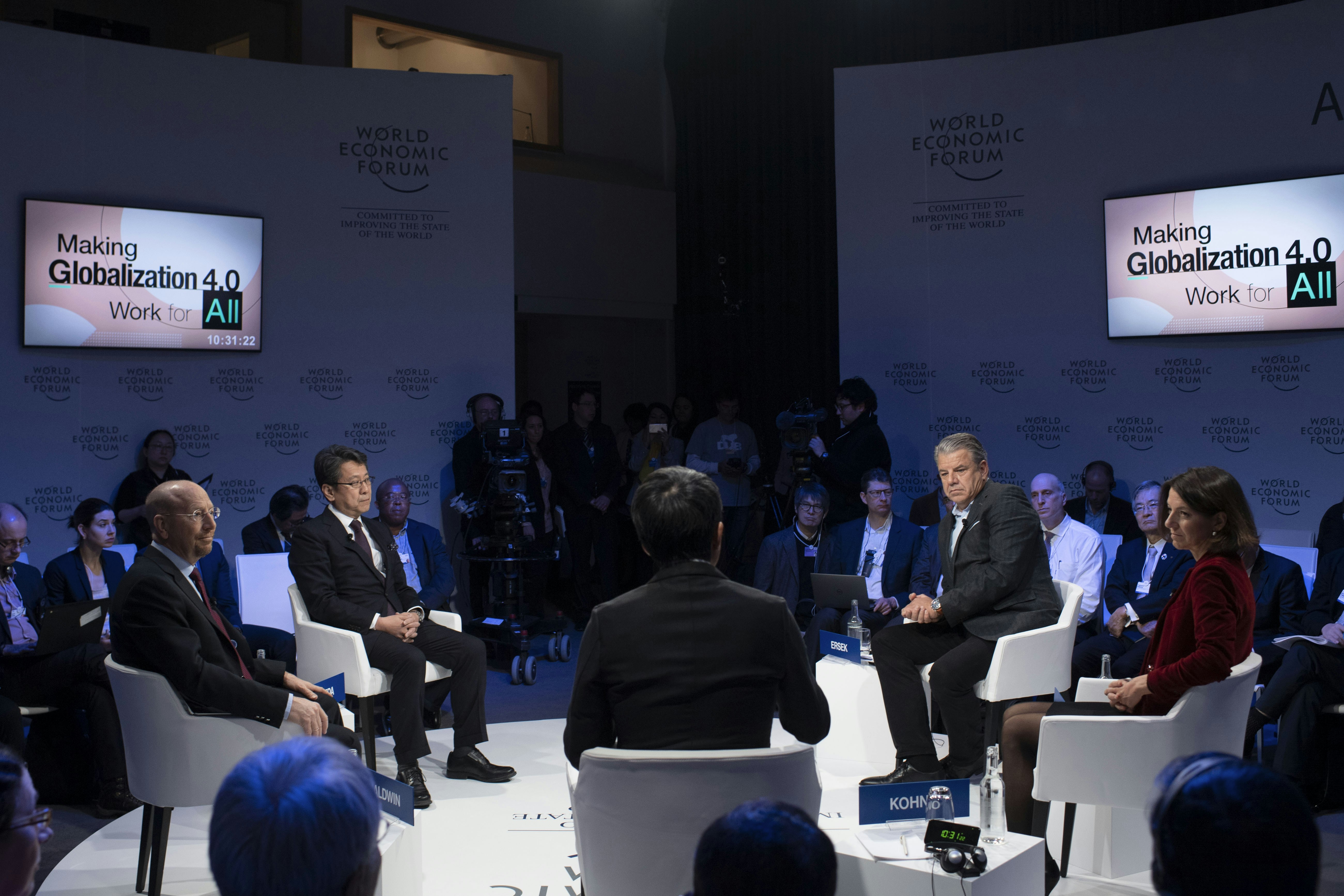
Introduction to AI-Generated Debate
The concept of AI-generated debate has emerged as a significant component of modern discourse, leveraging advancements in artificial intelligence to facilitate dynamic and nuanced discussions. Unlike traditional debate formats that often rely on human speakers presenting arguments based on personal beliefs, AI-generated debates utilize algorithms to generate arguments objectively, providing a fresh perspective on various topics. This innovative approach allows for a diverse range of viewpoints that can enrich conversations across multiple platforms.
The rise of AI technologies in sectors such as education, business, and media underscores the escalating relevance of AI-generated debates. As AI continues to evolve, its capabilities to process vast amounts of information and simulate reasoning patterns enable it to formulate cohesive arguments in real-time, creating a compelling alternative to human-led discourse. One notable distinction between AI-generated debates and traditional methods is the emphasis on data-driven analysis over emotional persuasion, thereby shifting the focus from subjective viewpoints to evidence-based reasoning.
Moreover, AI-generated debate can play a philanthropic role in democratizing discussions. By making debates more accessible and inclusive, individuals from varied backgrounds can engage meaningfully on important issues. This democratization arises as AI tools facilitate participation in discourse, regardless of one’s expertise or familiarity with a given subject. Furthermore, AI-assisted debates may mitigate biases that typically accompany human interactions, fostering an environment where ideas can be evaluated on their merit rather than the popularity of the speaker.
In essence, AI-generated debate signifies an evolution within the landscape of discussion, marking a shift towards more objective, inclusive, and globally aligned conversations. Understanding this transformation is crucial for recognizing the potential implications of artificial intelligence on future discourse and society as a whole.
Understanding Global Alignment
Global alignment refers to the approach where nations collaborate to address shared challenges and pursue collective objectives, primarily in the realm of international relations. This concept emphasizes the importance of combined efforts from multiple nations to effectively tackle significant issues that transcend borders, such as climate change, security threats, and economic inequality. As the world becomes increasingly interconnected, the need for global alignment becomes more pressing.
In the context of climate change, global alignment involves cooperation among countries to develop strategies that mitigate its effects. Nations must form agreements to reduce greenhouse gas emissions, transition to renewable energy sources, and promote sustainable practices. Without concerted action, the effects of climate change can lead to severe consequences, including natural disasters, food shortages, and resource conflicts. Thus, global alignment is crucial in fostering a unified response to these environmental challenges.
Similarly, in the realm of security, global alignment is essential for addressing threats such as terrorism, cyberattacks, and geopolitical tensions. Countries must share intelligence, resources, and strategies to ensure a cohesive and effective approach to security matters. The global nature of these threats means that no nation can tackle them in isolation; hence, collaborative initiatives become necessary to enhance safety and stability worldwide.
Moreover, global economic disparities necessitate a cooperative framework for achieving equitable growth. Developing nations often face challenges such as poverty, lack of infrastructure, and limited access to education and healthcare. Global alignment can work towards addressing these disparities through international aid and development programs. By pooling resources and expertise, nations can create sustainable solutions that empower all countries to reach their potential.
In essence, global alignment is a critical framework for international cooperation, enabling nations to jointly forge pathways to resolve pressing global challenges.
The Mechanics of AI Debate Generation
AI-generated debate relies heavily on advanced technologies enabling machines to comprehend language and generate arguments effectively. Central to this process is natural language processing (NLP), a facet of artificial intelligence that allows algorithms to interpret and manipulate human language in a manner that is both meaningful and contextually relevant. Through large-scale data analysis, NLP enables AI systems to discern the nuances of various topics, facilitating debates that cover multiple perspectives.
Machine learning algorithms are another critical component in AI debate generation. These algorithms learn from vast datasets, which include written debates, articles, and discussions. By analyzing these resources, the AI can identify patterns, styles, and the structure of effective arguments. Over time, as the AI processes more information, it refines its ability to generate nuanced arguments, adapting its output to better align with the style and substance of human discourse.
Data sources play a vital role in shaping the AI’s debating capabilities. The training datasets are curated from a wide range of topics, presenting opposing viewpoints across various fields. This diversity ensures that the AI is not biased toward a singular perspective, enhancing its relevance and applicability in real-world discussions. Consequently, the AI can engage in debates that reflect genuine human experiences and societal complexities.
Ultimately, training AI systems to understand and engage in debates requires iterative learning and continuous refinement. This ongoing process allows for the integration of new information and emerging viewpoints, ensuring that AI debate generation evolves alongside our understanding of contentious issues. Through the intertwining of NLP, machine learning, and comprehensive data sources, AI-generated debates can increasingly mimic the multifaceted nature of human discussion, enriching the landscape of public discourse.
Impacts of AI-Generated Debate on Discourse
The advent of AI-generated debate has brought significant transformations to public discourse, revealing both commendable benefits and notable challenges. One of the most positive impacts is the enhancement of understanding complex issues. AI systems can process vast amounts of information quickly, providing diverse perspectives on multifaceted topics that might otherwise be challenging for individuals to grasp thoroughly. By generating structured debates, AI can facilitate informed discussions that invite participants to critically assess multiple viewpoints, thereby promoting a deeper understanding of contentious issues.
Moreover, AI-generated content can democratize access to information, enabling broader participation in discussions that were previously restricted to experts or particular socio-economic groups. This inclusive approach allows diverse voices to contribute, enriching the discourse and potentially leading to more balanced outcomes.
However, the introduction of AI-generated debate is not without its pitfalls. One alarming concern is the potential dissemination of misinformation. As algorithms generate content based on data inputs, they can inadvertently propagate inaccuracies if the data sources are flawed or biased. This possibility raises questions about the reliability of AI-generated debates and their role in shaping public opinion.
Furthermore, the risk of manipulation looms large. Unscrupulous entities could exploit AI technology to create persuasive arguments or debates that serve their agendas, thereby influencing public discourse in a deceptive manner. This manipulation could lead to polarization rather than constructive dialogue, ultimately hampering societal progress.
The dual nature of AI-generated debates necessitates a cautious approach to their integration into public discourse. While they hold the promise of enriching discussions and broadening access to information, stakeholders must remain vigilant about the potential for misinformation and manipulation. Effective regulatory frameworks and continuous scrutiny of AI outputs will be essential to harness its benefits while mitigating risks.
Case Studies: AI in Action
In recent years, the integration of artificial intelligence (AI) in facilitating debates on global issues has gained traction across various platforms. These AI-generated debates not only enrich public discourse but also reflect the breadth of perspectives surrounding critical topics. One notable example occurred during the United Nations Climate Change Conference, where AI was employed to simulate divergent viewpoints on climate policy. By analyzing public sentiment and prevailing arguments, AI-generated models presented various positions, helping delegates understand the implications of different strategies. This method fostered a more nuanced discussion, encouraging holistic policy-making that takes into account multiple stakeholder interests.
Another salient case was the use of AI in shaping the discourse during the global pandemic. With diverse opinions regarding public health measures like lockdowns and vaccination mandates, AI tools were launched to generate balanced debates. By compiling data from social media platforms and research articles, these tools crafted arguments representing various societal concerns, from economic impacts to health outcomes. Policymakers utilized these insights to gauge public sentiment and address misinformation, ultimately leading to more effective communication strategies about COVID-19 guidelines.
Furthermore, AI-generated debates have been effective in the realm of international relations. For instance, think tanks have implemented AI algorithms to engage stakeholders in discussions about diplomatic strategies and conflict resolution. By providing simulations of potential scenarios, these debates have facilitated deeper understanding among diplomats regarding the costs and benefits of different foreign policy decisions. The resulting clarity often has a direct impact on negotiation processes and decision-making.
These examples illustrate that AI-generated debates serve as powerful tools in shaping public opinion and influencing policy-making. By harnessing the analytical capabilities of AI, societies can engage in productive discussions that address complex global issues with informed perspectives.
Ethical Considerations
The integration of AI in debates brings forth significant ethical considerations that need thorough examination. One of the primary concerns is the presence of biases within AI models. Machine learning algorithms are trained on datasets that may reflect societal prejudices. As a result, AI-generated arguments can inadvertently perpetuate stereotypes or skewed viewpoints, impacting the overall quality and fairness of the debate. It is essential for developers to actively manage these biases to avoid generating content that can distort public opinion or reinforce harmful narratives.
Furthermore, the transparency of AI decision-making processes remains a contentious issue. Understanding how an AI arrives at a particular conclusion is vital for users and audiences alike. If AI systems function as black boxes, their credibility is brought into question, and participants must rely on assumptions about their integrity. Promoting transparency within these systems can build trust and enable a clearer understanding of the arguments presented, thus enhancing meaningful discussions surrounding critical topics.
Another aspect to consider is the potential influence of automated arguments on societal values. When AI-generated content becomes predominant in public discourse, there is a risk that nuanced human perspectives could be overshadowed. This trend might lead to an erosion of critical thinking and the decline of the diversity of thought in debates. As automated content proliferates, it is vital to ensure that ethical frameworks, which prioritize human input and judgment, remain integral to the discourse.
In addressing these ethical concerns, stakeholders ranging from policymakers to AI developers should collaborate to create guidelines that ensure responsible use of AI in debates. This includes establishing standards for transparency, bias mitigation strategies, and promoting human oversight in argumentative discussions. By understanding and addressing these ethical considerations, the role of AI in debates can be aligned with societal values and contribute positively to global alignment.
Future of AI-Generated Debate
As we look to the future of AI-generated debate, it becomes apparent that advancements in artificial intelligence technologies will significantly influence how discussions unfold in public discourse and global alignment efforts. Emerging trends in natural language processing and machine learning are likely to enhance the capabilities of AI systems, allowing them to better understand and engage with nuanced human arguments. This evolution promises a more sophisticated approach to framing debates, where AI can identify key issues, detect bias, and propose well-reasoned counterarguments.
Furthermore, the integration of AI-generated debate into educational institutions and public forums can elevate the level of discourse. By utilizing AI systems to moderate discussions, participants may benefit from more structured dialogues, thereby encouraging critical thinking and informed decision-making. With the ability to simulate various perspectives, AI-generated discussions can foster empathy and understanding among diverse groups, ultimately aiding in the alignment of global perspectives.
However, as we embrace the potential of AI-generated debates, it is also essential to be vigilant about the ethical implications associated with these technologies. Concerns about misinformation, manipulation, and the potential loss of human agency must be addressed. Thoughtful regulation and oversight will be necessary to ensure that AI serves as a facilitator of constructive debate rather than a tool of division.
In conclusion, the future of AI-generated debate holds significant promise for enhancing global alignment and enriching public discourse. By continuously evolving the technologies that power these debates while considering their ethical implications, society can leverage AI’s capabilities to foster constructive dialogue and bridge gaps among divergent viewpoints.
Strategies for Integrating AI Debate in Global Policies
As artificial intelligence (AI) continues to permeate various sectors, policymakers must devise practical strategies to seamlessly integrate AI-generated debates into global decision-making processes. This integration is essential for fostering collaboration among stakeholders and enhancing public engagement. One effective strategy involves establishing frameworks that allow for the systematic incorporation of AI-generated insights into policy development. By leveraging AI technology, governments can benefit from a diverse range of perspectives on complex global issues, thus enriching the decision-making landscape.
Another crucial approach is to facilitate multi-stakeholder dialogues that include not only policymakers but also AI experts, civil society representatives, and the general public. These dialogues can be structured around AI-generated debates, which serve as a basis for discussion and negotiation. Creating platforms where these debates can be hosted and shared enhances visibility and promotes an informed citizenry. This form of engagement is vital, as it allows citizens to comprehend the reasoning behind specific policy decisions, ultimately increasing accountability and trust in the political process.
Moreover, training programs tailored for policymakers on the effective utilization of AI technologies can significantly bolster the integration process. These programs should emphasize the critical evaluation of AI outputs, ensuring that decision-makers are equipped to discern biases and mitigate potential misinformation. Policymakers can enhance their skills in using AI tools to analyze data-driven arguments and counterpoints generated through AI debates, thereby making more informed decisions.
Finally, continuous evaluation and iteration of the integration processes are necessary to adapt to evolving technology and societal needs. This dynamic approach allows policymakers to refine strategies based on feedback and outcomes, ensuring that AI-generated debate continues to serve its purpose in the realm of global policies effectively.
Conclusion: Embracing Change for Global Unity
As we reflect on the pivotal role of AI-generated debate in promoting global alignment, several key points emerge that underscore its significance in the contemporary world. First and foremost, AI technologies have the capability to facilitate discussions that transcend geographical and cultural barriers. By leveraging vast databases of information and articulated reasoning, AI-generated debates can bring diverse perspectives to the forefront, enabling participants to engage in meaningful dialogue that may have previously been hindered by language or ideological differences.
Moreover, AI-generated debates serve as a powerful tool for identifying and addressing pressing global issues. Topics such as climate change, public health, and international security necessitate collaborative efforts across nations. These debates can simulate constructive discussions, offering insights and recommendations that are crucial for informed decision-making. Thus, AI not only fosters an environment of cooperation but also enhances the effectiveness of collective problem-solving efforts.
In addition, AI-generated debates can help to democratize access to information and perspectives. By analyzing patterns in societal discourse and drawing from a diverse range of sources, these AI systems can provide individuals with a wealth of knowledge that empowers them to form educated opinions. This increased access can encourage civic engagement and nurture a more informed global populace.
In conclusion, embracing AI-generated debate as a tool for fostering global alignment is imperative in our rapidly changing society. By harnessing the power of technology to enhance discourse and collaboration, we create bridges that unite people around shared goals and values. The potential for AI to shape a more cooperative and empathetic world is immense, and now is the time to recognize and act upon this opportunity, ensuring that our collective future is bright and united.