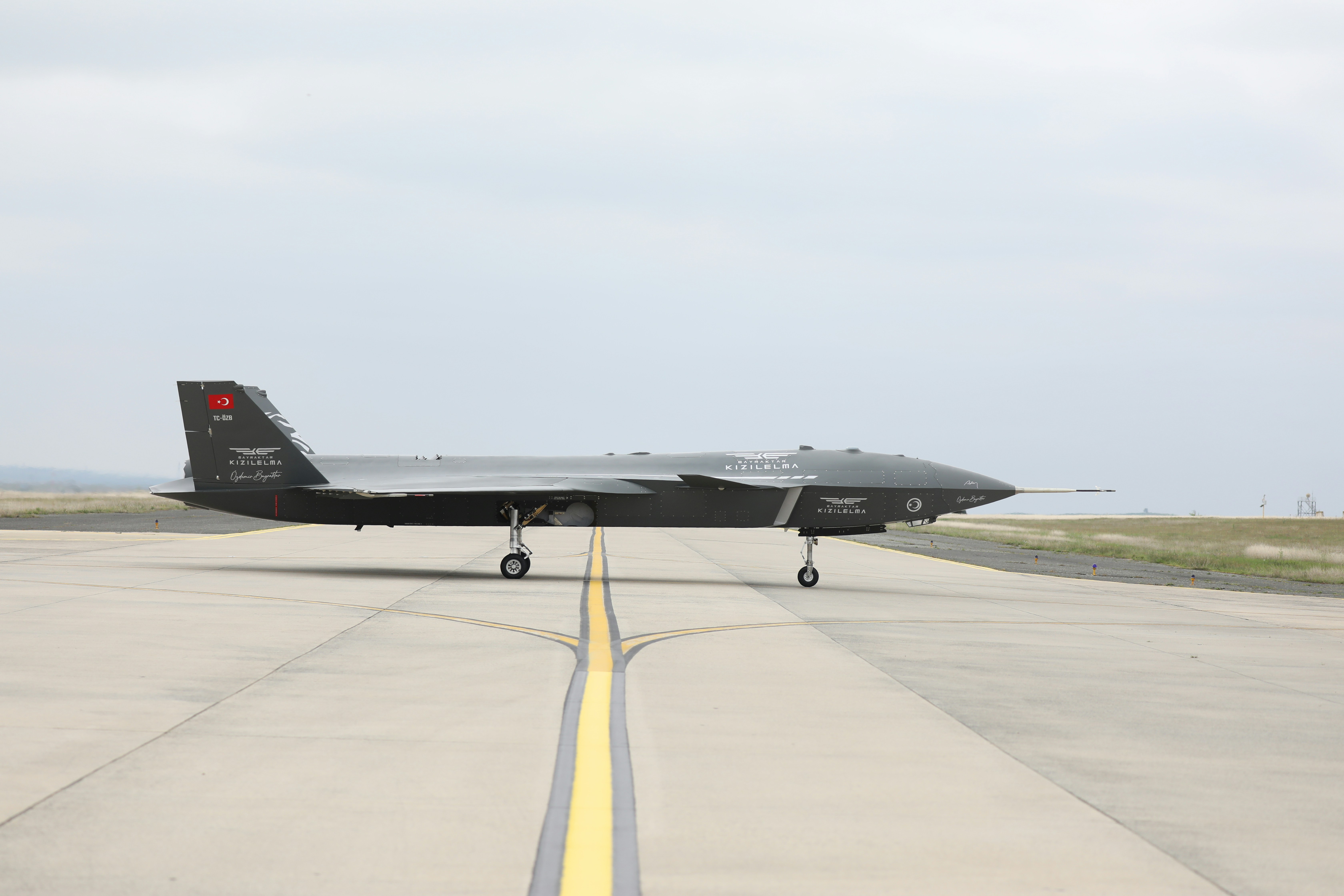
Introduction to Autonomous Military AI Agents
Autonomous military AI agents represent a significant evolution in the realm of warfare and military strategy. These advanced systems are designed to operate independently within a military framework, utilizing artificial intelligence to analyze situations, make decisions, and execute actions without direct human intervention. The integration of AI into military applications seeks to enhance operational efficiency, reduce human error, and respond rapidly to evolving threats on the battlefield.
The concept of utilizing machine intelligence in warfare is not entirely new; however, recent advancements in AI technologies have transformed the potential of these systems. From unmanned aerial vehicles (UAVs) to autonomous ground vehicles, the military is increasingly aware of the strategic advantages that autonomous agents can provide. These machines can process vast amounts of data far more quickly than human operators, enabling real-time responses in dynamic combat environments.
Potential applications of autonomous military AI agents span a wide range of functions. For instance, they may be deployed in reconnaissance missions to gather intelligence with minimal risk to human soldiers. Additionally, they can facilitate logistics operations, assisting in the transport of supplies or the assembly of battlefield infrastructure. In more complex scenarios, these AI agents may be involved in direct combat, engaging enemy forces based on pre-defined operational parameters.
As we consider the future trajectory of military operations, it is imperative to acknowledge the role of AI in shaping the landscape of warfare. The ongoing evolution of autonomous systems could lead to enhanced decision-making capabilities, proactive threat mitigation strategies, and even a paradigm shift in traditional concepts of warfare. However, this advancement must be navigated carefully to address ethical considerations, operational effectiveness, and the potential risks associated with autonomous actions in combat.
Current State of AI in Military Applications
The integration of Artificial Intelligence (AI) into military applications has seen significant advancements in recent years, with varying levels of deployment across different countries. AI technologies are now being utilized in various contexts, including surveillance, logistics, and decision-making processes. The aim is to enhance operational capabilities and improve overall mission effectiveness.
In terms of surveillance, AI-powered systems are being employed to analyze vast amounts of data gathered from multiple sources, such as drones and satellite imagery. These systems can identify potential threats and generate actionable intelligence more efficiently than traditional methods. For example, the United States military has deployed AI technologies that assist in monitoring borders and conflict zones, which has proven to be effective in reducing response times and enhancing situational awareness.
Logistical operations have also benefited from AI integration. Intelligent algorithms are being used to optimize supply chains and maintenance schedules, ensuring that military resources are managed efficiently. Countries like China and Russia are investing heavily in AI to improve their logistics frameworks, anticipating that such advancements will provide a competitive edge during conflicts. AI systems can predict equipment failures and automate the ordering of necessary supplies, thus minimizing downtime and maximizing readiness.
Decision-making processes within the military landscape are evolving, with AI systems assisting commanders in various strategic decisions. For instance, predictive analytics can evaluate potential outcomes based on historical data, allowing military leaders to make informed choices during critical operations. Nations like Israel have implemented AI in their military strategies, showcasing the effectiveness of these technologies in enhancing decision-making capabilities in real-time scenarios.
Overall, the current state of AI in military applications highlights a trend towards increasingly sophisticated technologies, which not only streamline operations but also enhance the effectiveness of military strategies. As nations continue to invest in AI, the future of military operations is poised for transformation.
The pursuit of military superiority through autonomous artificial intelligence (AI) has intensified among leading global powers, with notable investments from the United States, China, and Russia. Each of these nations exhibits distinct motivations and approaches to develop advanced military AI technology aimed at enhancing their operational effectiveness and strategic capabilities.
The United States stands at the forefront of military AI development, motivated by the need to maintain technological superiority amid evolving security challenges. The U.S. Department of Defense has launched several initiatives focused on integrating AI into various military operations, including logistics, cyber warfare, and battlefield simulations. The Joint Artificial Intelligence Center (JAIC) plays a critical role in overseeing the implementation of AI technologies across military branches, aiming to expedite their adoption for enhanced decision-making and operational efficiency.
In contrast, China demonstrates a robust commitment to advancing its military AI capabilities, viewing this technology as pivotal for its long-term national security and geopolitical ambitions. The Chinese government has articulated a strategy to develop a world-class military that incorporates advanced AI applications. Initiatives such as the “New Generation Artificial Intelligence Development Plan” emphasize the rapid advancement of AI research and its integration into military applications, resulting in significant state-sponsored investment in research and development.
Russia’s approach to military AI development is equally assertive, driven by a desire to counterbalance perceived threats, particularly from NATO and the U.S. The Kremlin has allocated substantial resources to enhance its military technologies, including automated and autonomous systems. Russian military doctrine increasingly emphasizes the integration of AI to enable faster and more effective response capabilities in conflict scenarios. Moscow has also pursued collaborations with domestic tech firms to expedite its AI advancements.
These leading nations not only compete for technological advantages but also shape the global landscape of military AI strategy and policy. As they continue to invest in research and development, the implications for global security are profound, potentially altering the dynamics of international relations and conflict.
Technological Innovations Driving Autonomous Military Systems
In the realm of modern warfare, technological innovations are rapidly evolving to create autonomous military AI agents capable of redefining combat strategies. At the forefront of these advancements is machine learning, which empowers systems to learn from data inputs and improve their performance over time. By leveraging vast datasets and advanced algorithms, military AI can analyze potential threats and make real-time decisions in dynamic environments, thus enhancing operational efficiency.
Additionally, robotics plays a pivotal role in the development of autonomous military systems. From unmanned aerial vehicles (UAVs) to ground robots and maritime drones, robotics is reshaping the battlefield by providing capabilities that were previously unattainable. These machines not only undertake missions that risk human lives but also operate with a level of precision that is critical in tactical situations. The integration of robotics in autonomous military operations ensures that complex tasks can be executed swiftly and efficiently.
Furthermore, advancements in sensor technology are crucial for the effective functioning of autonomous military agents. Modern sensors enable these systems to gather and process environmental data, which is essential for situational awareness. This fusion of data from multiple sensors enhances the autonomy of military AI agents, allowing them to navigate challenging terrains and detect enemy movements with high accuracy. As sensor technologies become more sophisticated, they contribute significantly to the reliability and effectiveness of autonomous systems across various combat scenarios.
Together, these technological innovations in machine learning, robotics, and sensor technology are laying the groundwork for a new era of warfare. The deployment of these autonomous military AI agents promises to transform operational tactics, providing countries with strategic advantages on the battlefield. With each innovation, the future of warfare becomes increasingly intertwined with automation and artificial intelligence, prompting ongoing discussions surrounding ethical implications and global security dynamics.
Ethical Considerations and Challenges
The deployment of autonomous military AI agents presents a complex landscape of ethical considerations and challenges that must be thoroughly evaluated. One primary concern revolves around accountability in decision-making processes. With autonomous systems making critical battlefield choices, determining who is responsible for their actions becomes increasingly murky. In situations where an AI agent mistakenly engages non-combatants, the question arises: is it the fault of the programmer, the military entity, or the AI itself?
Additionally, there is the potential for escalation of conflicts. Autonomous military AI agents could operate at speeds and precision levels beyond human capacities, which might lower the threshold for initiating military action. This rapid decision-making capability could lead to miscalculations and unintended engagements, further complicating the already tenuous nature of international relations. Alongside this concern is the risk of a new arms race, where nations might feel pressured to develop their own autonomous solutions to keep pace with rivals, potentially leading to heightened tensions worldwide.
The implications of deploying such technologies also extend to international humanitarian law. The principle of distinction, which mandates that combatants distinguish between military targets and civilians, may be challenged by the capabilities of autonomous AI agents. There are significant ethical implications regarding their ability to comply with established legal frameworks. Critics argue that the use of AI in warfare could undermine these humanitarian principles, while proponents believe that well-regulated autonomous systems might enhance compliance due to their precision and objectivity.
Ultimately, the integration of autonomous military AI agents into modern warfare raises profound moral responsibilities. Society must grapple with these ethical dilemmas, addressing the balance between technological advancement and the profound implications for human life and dignity.
Predicting Which Country Will Lead in Deploying Military AI
As the world witnesses rapid advancements in artificial intelligence, the domain of military technology is no exception. The race to develop and deploy autonomous military AI agents has intensified, leading analysts and strategists to speculate which nation will take the lead in this new frontier of warfare. Several factors play pivotal roles in determining a country’s capability to successfully integrate such cutting-edge technology into its military operations.
National investment in research and development is a critical factor. Countries such as the United States and China are currently at the forefront, significantly investing in AI technologies for military applications. The scale of investment not only encompasses monetary resources but also reflects the prioritization of AI in national defense strategies. For instance, the U.S. Department of Defense has ramped up funding for projects like the Joint Artificial Intelligence Center, illustrating a concerted effort to harness AI for strategic advantage.
Technological infrastructure also contributes significantly. Nations with robust tech ecosystems, an adequate talent pool, and existing innovations in AI are better positioned to deploy autonomous systems. Countries with leading technology companies can make crucial contributions to the defense sector, enhancing their military capabilities. Additionally, collaborative efforts with private sector firms can foster breakthroughs in AI research, yielding significant advancements in autonomous military systems.
Moreover, international relations play a crucial role in the deployment of military AI. Nations that foster strong alliances and collaborations can leverage shared knowledge and resources, thus accelerating the development and application of military AI technologies. Strategic partnerships can also provide countries with access to advanced research and innovations that would otherwise be out of reach.
In conclusion, while multiple countries are investing in autonomous military AI agents, the United States and China appear to be leading based on their substantial investments, technological capabilities, and strategic partnerships. Observing how these dynamics evolve will shed light on which country will first realize the deployment of military AI agents on a significant scale.
Implications of Autonomous Agents on Global Warfare
The introduction of autonomous military AI agents stands to revolutionize modern warfare, serving as a potential game changer in military strategy and global power dynamics. These AI agents, capable of performing complex tasks without direct human intervention, could alter how nations approach combat operations. As countries race to develop and deploy these technologies, significant implications arise for both national and international security.
Firstly, with the integration of autonomous agents, military strategies may shift towards more aggressive postures. Nations could increasingly rely on precision-based tactics enabled by AI, which would enhance operational efficiency and minimize human casualties. However, this reliance on technology raises critical ethical concerns regarding accountability in armed conflict. Autonomous agents, programmed with decision-making capabilities, may not always act in alignment with international laws or humanitarian principles, potentially leading to unintended consequences on the battlefield.
Moreover, the deployment of such advanced technologies is likely to exacerbate existing power imbalances among nations. Countries that achieve dominance in AI military capabilities may significantly influence the geopolitical landscape, compelling other states to respond by accelerating their own AI weapon development efforts. This arms race in autonomous warfare technology could destabilize regions and initiate a new chapter of power rivalry, reminiscent of the Cold War era.
Another dimension to consider is the overall impact on global security. The proliferation of autonomous military agents could empower non-state actors and terrorist organizations, granting them access to sophisticated weaponry that traditionally required substantial resources. As these entities adapt to new technologies, traditional security frameworks may become inadequate, necessitating international cooperation and regulatory frameworks that address the challenges posed by autonomous warfare.
In summary, the implications of deploying autonomous military AI agents in combat scenarios extend far beyond battlefield tactics, influencing global military strategies, altering power dynamics between nations, and reshaping the landscape of global security. Policymakers must address these challenges to ensure that technological innovations contribute positively to international stability.
Case Studies of Autonomous Military Systems in Testing
The exploration of autonomous military systems has seen various nations test different technologies, illuminating their strengths and weaknesses. One prominent case is the United States, which has been advancing autonomous drones like the MQ-9 Reaper. Initially deployed for reconnaissance, these drones have evolved to incorporate semi-autonomous strike capabilities. Their operational testing revealed significant improvements in surveillance efficiency and reduced risk to human pilots. However, ethical concerns and the need for stringent oversight continue to shape the ongoing discourse regarding their integration into active military roles.
Similarly, Israel has been at the forefront of developing autonomous systems, notably the Harop drone. This loitering munition can autonomously identify and engage targets, displaying advanced capabilities in both surveillance and strike operations. Tests conducted in varied combat scenarios have shown that the Harop can significantly enhance battlefield responsiveness. However, this deployment raised concerns about civilian safety and collateral damage, prompting discussions on the ethical implications of such technologies.
In the realm of ground systems, Russia has been testing the Uran-9, an unmanned ground vehicle equipped with armaments for combat situations. The testing phases revealed both innovative tactical advantages and logistical challenges, showcasing the complexities involved when integrating autonomous platforms into existing military frameworks. The lessons learned emphasize the importance of adapting military strategies to accommodate new technologies while grappling with the ethical dilemmas they introduce.
These case studies underscore the multifaceted nature of autonomous military systems. They provide valuable insights not only into tactical advancements but also into the crucial decision-making processes surrounding their deployment. As nations continue to explore the potential of these technologies, it remains imperative to balance innovation with ethical responsibility in military applications.
Conclusion: The Future Landscape of Warfare with AI
As we navigate through the evolving landscape of warfare, the role of artificial intelligence (AI) is becoming increasingly prominent. Autonomous military AI agents represent a significant shift in how countries approach defense and warfare strategy. The potential for these technologies to change traditional military engagements cannot be overstated, as they promise enhanced efficiency, reduced human risks, and rapid decision-making capabilities in complex scenarios.
Throughout this discussion, we explored the various dimensions of deploying autonomous military AI agents, including their strategic advantages, ethical considerations, and the implications for international security. Transparency in AI development and deployment is paramount; countries must tread carefully to establish norms that prevent an arms race driven by autonomous systems. Particularly, the use of AI in military applications necessitates a careful examination of ethical boundaries and accountability mechanisms to ensure that these advanced technologies are employed in accordance with humanitarian principles.
The international community plays a critical role in shaping the future of warfare with AI. Engaging in meaningful dialogue and establishing regulatory frameworks will be essential to govern the use of autonomous military capabilities responsibly. Without collaborative efforts toward ethical governance, the prospects of destabilization and misuse could rise significantly. Nations must commit to discussions that transcend borders and political affiliations to foster a safer global environment.
In conclusion, as we look ahead, the integration of AI into military practices will undeniably transform the landscape of warfare. However, with innovation comes responsibility. Countries must recognize their duty to ensure that the deployment of autonomous military AI agents does not overshadow the fundamental principles of warfare—a commitment to safeguarding human dignity, minimizing harm, and maintaining peace.