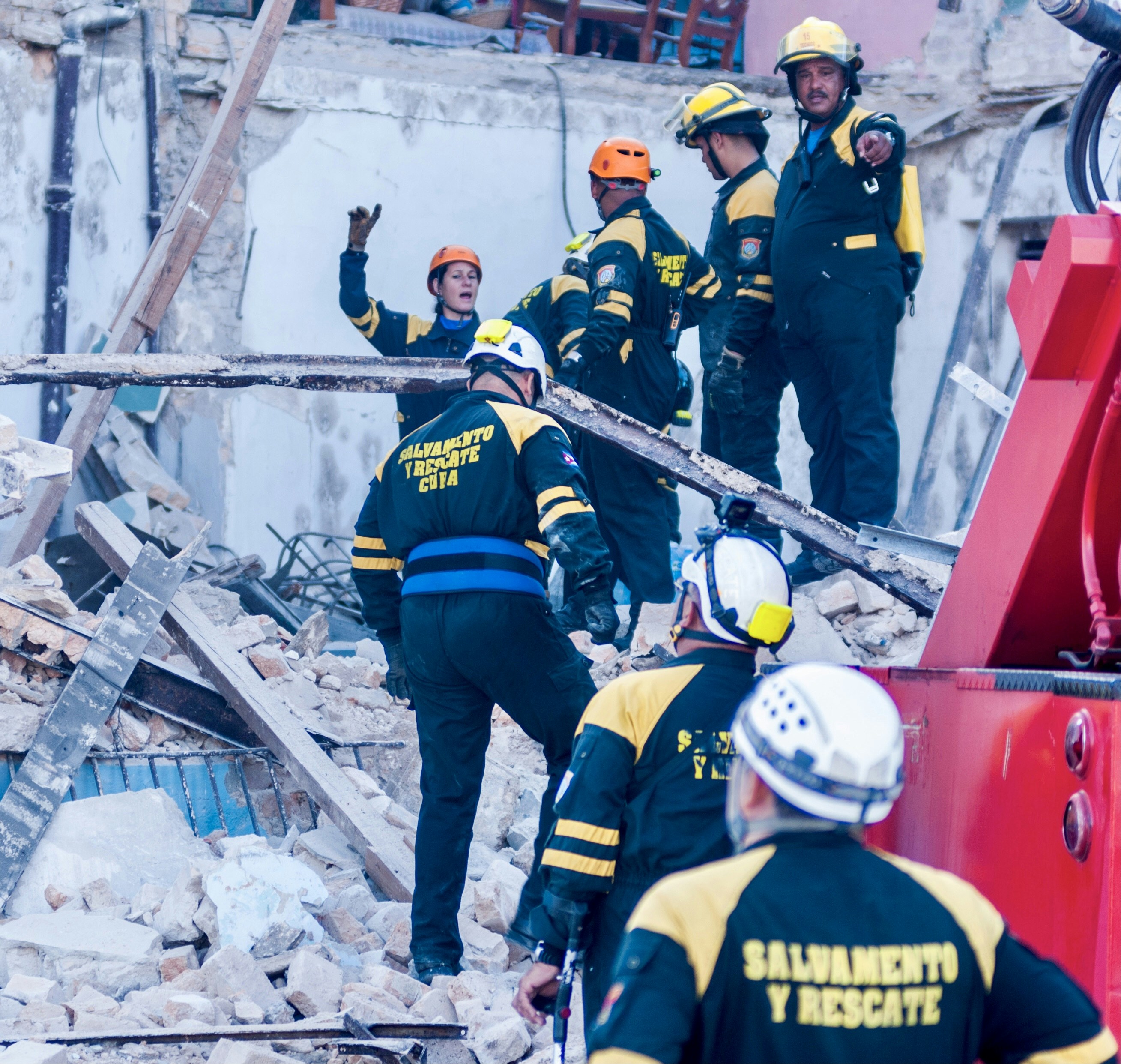
Introduction to Crisis Response
Crisis response refers to the collective efforts undertaken by governments, organizations, and international bodies to address and mitigate the impacts of various crises that affect populations globally. These crises can manifest in numerous forms, including humanitarian disasters, armed conflicts, and public health emergencies. Their significance in global affairs is profound, as timely and effective responses are crucial in saving lives, alleviating suffering, and restoring stability in affected regions.
Humanitarian disasters often arise from natural calamities such as earthquakes, floods, or hurricanes. These events can lead to catastrophic consequences, displacing communities and overwhelming local resources. In response, the international community must mobilize quickly to provide critical assistance, including food, shelter, medical care, and psychological support. The urgency of these situations often necessitates a robust coordinated response to ensure that help reaches those in need as swiftly as possible.
Armed conflicts represent another form of crisis that requires immediate international action. These conflicts not only result in loss of life but also contribute to long-term social and economic instability. The involvement of various stakeholders, including humanitarian agencies, government entities, and peacekeeping forces, is often essential to protect civilians and facilitate the delivery of aid, underscoring the importance of strategic crisis response measures.
Health emergencies, such as pandemics, have become increasingly prominent in recent years, demonstrating the urgent need for a well-coordinated international response. The rapid spread of disease highlights vulnerabilities within global health systems and necessitates timely interventions to contain outbreaks, provide treatment, and implement preventive measures. Thus, understanding the complexities of crisis response is vital for enhancing global preparedness and resilience.
The Role of Technology in Crisis Management
In recent years, the landscape of crisis management has undergone a significant transformation driven by advancements in technology. Various tools and platforms have been leveraged by agencies to enhance communication, streamline data collection, and facilitate real-time response during international crises. The integration of technology in these processes has proven crucial in the timely and effective management of emergencies.
One of the primary benefits of utilizing technology in crisis management is the capability for rapid communication. Agencies can disseminate crucial information to stakeholders, responders, and the public within seconds through platforms such as social media, email alerts, and dedicated crisis management applications. This immediacy ensures that accurate information is available in real-time, which is paramount in preventing the spread of misinformation that typically accompanies crises.
Moreover, technology has considerably improved data collection and analysis capabilities. Agencies can now utilize tools such as geographic information systems (GIS), artificial intelligence (AI), and big data analytics to gather information about a crisis situation, analyze patterns, and forecast potential developments. This data-driven approach allows for informed decision-making and resource allocation, ultimately enhancing the efficacy of crisis response efforts.
However, the reliance on technology does not come without its disadvantages. Technological failures, such as system outages or cybersecurity breaches, can severely hinder an agency’s ability to respond effectively to a crisis. Additionally, over-dependence on technology may lead to a lack of preparedness for scenarios where human intervention is necessary, highlighting the importance of maintaining a balance between technological tools and human expertise.
In conclusion, while technology undeniably plays a vital role in improving crisis management, it is essential for agencies to harness it thoughtfully, ensuring they are prepared to handle the complexities of modern crises while minimizing potential pitfalls associated with technological reliance.
What Are Agents in Crisis Response?
In the context of crisis response, agents refer to a variety of systems and technologies designed to assist in the management and resolution of emergencies and disasters. These agents can be broadly categorized into two types: artificial intelligence (AI) agents and automated systems. Each type plays a unique role in enhancing the efficiency and effectiveness of crisis response efforts.
Artificial intelligence agents utilize advanced algorithms and machine learning techniques to analyze vast amounts of data in real-time. By processing information from multiple sources—including social media, news outlets, and weather reports—AI agents can provide valuable insights into unfolding crises. For instance, during natural disasters such as hurricanes or earthquakes, AI agents help in predicting the path and impact of the event by assessing various factors like terrain and population density. This predictive capability aids governmental agencies and NGOs in making timely and informed decisions about resource allocation and evacuation plans.
On the other hand, automated systems encompass a wide range of technologies, including software applications and robotic systems designed to perform specific tasks during a crisis. These systems can automate various processes such as data collection, communication, and logistics management. For example, drones equipped with sensors can quickly assess damage in disaster-stricken areas, while automated communication systems can relay critical information to affected populations. This level of automation significantly minimizes human error and facilitates a more organized response, allowing human responders to focus on more complex decision-making tasks.
By integrating both AI agents and automated systems, crisis response teams can enhance their operational capabilities. Whether through predictive analytics or streamlined communications, the synergy created by these agents is vital in addressing the multifaceted challenges faced during international crises.
Success Stories of Automated Responses
In recent years, various case studies have illustrated the impactful role of automated systems and agents in international crisis response. One prominent example is the use of automated alert systems during natural disasters. In the 2017 hurricane season, automated emergency notification systems were employed in the Caribbean, which allowed local governments to rapidly disseminate evacuation orders and safety information. The efficiency of these systems helped minimize casualties as residents received timely alerts through various channels, including mobile apps and text messages.
Another notable case is the role of artificial intelligence in managing the COVID-19 pandemic. Automated contact tracing applications proved instrumental in identifying and notifying individuals who had been exposed to the virus. Countries like South Korea implemented these technologies effectively, enabling public health officials to contain outbreaks swiftly. By leveraging data analysis and real-time tracking, automated systems enhanced the decision-making process, allowing for a more organized response to the health crisis.
Additionally, automated platforms have significantly contributed to humanitarian efforts. During the Rohingya refugee crisis, organizations utilized automated data collection tools to assess the needs and conditions of displaced populations. These tools enabled rapid information gathering and analysis, facilitating quicker responses to urgent needs such as food, shelter, and medical care. By streamlining operations, automated systems not only improved the distribution of resources but also enhanced the coordination between multiple agencies involved in the response.
These examples demonstrate how integrating automated systems in crisis response has led to more effective outcomes. By providing rapid information, enhancing communication, and optimizing resource allocation, automated agents have proved to be valuable assets in managing international crises. Their continued development may present new opportunities to further improve crisis management efforts globally.
Challenges to Automation in Crisis Situations
In the context of crisis management, the integration of automated agents raises several challenges that necessitate careful consideration. One of the foremost issues is the need for human oversight. Automated systems, while capable of processing vast amounts of data rapidly, lack the nuanced understanding required in complex and dynamic environments. Human operators can make judgment calls that take into account ethical considerations and contextual factors—capabilities that automated agents simply do not possess. As a result, reliance on machines in critical scenarios could lead to oversights that have significant consequences.
Another challenge relates to data privacy and security. During a crisis, sensitive information is often exchanged and utilized to inform decisions and actions. Automated agents may require access to large datasets that contain personal or confidential information, raising concerns about data handling practices. The risk of data breaches or inadequate data protection measures can jeopardize not only operational effectiveness but also the trust of affected populations in the crisis response efforts.
Furthermore, automated agents often struggle with interpreting complex human emotions and unconventional situations. In crises where psychological factors play a critical role, such as natural disasters or conflicts, an automated system may misinterpret situations or fail to empathize with individuals affected. The inability of machines to truly comprehend human feelings or social dynamics can hinder their effectiveness in crisis scenarios and may lead to inappropriate responses.
These challenges underscore the importance of maintaining a balanced approach that leverages the strengths of automation while ensuring robust human involvement. This combination may yield more effective crisis management, allowing for timely and compassionate responses that address the needs of affected individuals.
The Role of Human Oversight
As automation becomes increasingly prevalent in international crisis response, the critical role of human oversight cannot be overstated. While automated systems can enhance efficiency and resource allocation during emergencies, there are scenarios where human judgment remains indispensable. This is especially true in complex or rapidly evolving situations where nuanced decision-making is required.
Automation offers several benefits, such as speed and the ability to process vast amounts of data quickly. However, automated systems may lack the contextual understanding and emotional intelligence that are essential in crisis situations. For instance, when assessing on-ground realities or evaluating the psychological state of affected populations, human empathy and critical thinking play a crucial role. Therefore, striking a balance between automation and the human touch is essential in effectively managing crisis responses.
In addition, automated systems may sometimes produce outputs based on pre-defined algorithms that might not adapt sufficiently to unforeseen circumstances. This limitation highlights the necessity for human oversight to verify and, if necessary, rectify automated judgments. Human operators can provide insights based on their expertise and experience, ensuring that decisions made during crises are not solely reliant on technology but are also informed by real-world considerations.
Moreover, the ethical implications of automation in crisis management demand careful consideration. The potential for biases inherent in automated algorithms can lead to unintended consequences. Human oversight serves not only as a corrective mechanism but also as a means of ensuring that responses are just and equitable. Ultimately, while automation can significantly assist in crisis response, it is the collaboration between technology and human oversight that will produce the most effective outcomes.
Future Trends in Crisis Response Automation
The landscape of crisis response is evolving rapidly, shaped largely by advancements in various technological domains. Among these, machine learning (ML), natural language processing (NLP), and predictive analytics stand out as pivotal forces driving this change. As we look to the future, these technologies promise to enhance automated responses in ways previously thought unattainable.
Machine learning, a subset of artificial intelligence, enables systems to learn from data and improve their performance over time without explicit programming. In the context of crisis response, ML can analyze vast amounts of data quickly, identifying patterns and potential threats more efficiently than human analysts. For example, during natural disasters or humanitarian crises, machine learning algorithms can prioritize resources and responses based on real-time data analysis, ultimately saving lives.
Natural language processing also plays a crucial role in enhancing crisis response automation. NLP allows machines to understand and interpret human language, which can be particularly useful in assessing social media posts and news reports during a crisis. By processing natural language data, automated systems can swiftly gauge public sentiment, identify misinformation, and aid in appropriate resource allocation. This capability not only assists in real-time decision-making but also contributes to more effective communication strategies.
Predictive analytics takes these advancements a step further by employing statistical algorithms to forecast future events based on historical data. In the realm of crisis management, predictive analytics can help authorities anticipate crises before they escalate, allowing for proactive measures to be put in place. By integrating insights from various data sources, organizations can create a comprehensive crisis response strategy that is not only reactive but also anticipatory.
As these technologies continue to mature, the potential for a more efficient and effective crisis response framework increases. Key stakeholders, including governments, NGOs, and private enterprises, will need to collaboratively explore these innovations to fully harness their benefits, ultimately paving the way for automated systems that can respond to international crises with unprecedented speed and accuracy.
Best Practices for Integrating Automation
As organizations navigate the complexity of international crises, the integration of automated agents into response strategies has emerged as a pivotal approach. To effectively incorporate automation, it is essential for organizations to follow best practices that enhance not only efficiency but also responsiveness.
Firstly, comprehensive training programs must be developed for both personnel and the automated systems themselves. Training should encompass technical aspects, including system operation and troubleshooting, as well as soft skills relevant to communication and decision-making during crises. Engaging front-line employees in the training process ensures that staff members are familiar with the automated tools and can work seamlessly alongside them. This collaborative approach enhances the overall operational effectiveness.
Secondly, the implementation of automation should be undertaken in phases, beginning with pilot programs that allow organizations to test automated agents in smaller, controlled environments. This phased approach enables the identification of challenges and adjustment of processes before full-scale deployment. Collecting feedback from these initial trials is critical for refining the automation’s functionality and adaptability to various crisis scenarios.
Continuous evaluation post-implementation is paramount to maintaining the effectiveness of automated responses. Organizations should establish metrics for assessing performance, such as speed and accuracy in crisis management. Regularly reviewing the outcomes generated by automated agents, alongside manual interventions, will help organizations to fine-tune their systems and ensure that they remain responsive to evolving crisis dynamics.
In summary, integrating automated agents into international crisis response strategies requires meticulous planning, thorough training, a phased implementation strategy, and ongoing evaluation. By adopting these best practices, organizations can leverage automation to enhance their crisis management capabilities, ensuring a more efficient and effective response to global emergencies.
Conclusion
In evaluating the role of automated agents in international crisis response, it is evident that these technologies offer significant potential for enhancing efficiency and speed. The ability of automation to process vast amounts of data and learn from patterns enables quicker decision-making during emergencies, an essential factor when every moment counts. Automated systems can assist in coordination among various entities, ensuring that resources are optimally allocated and efforts are synchronized. Through real-time updates and communication, agents can help mitigate the human errors that often accompany crisis management.
However, it is crucial to acknowledge the limitations of such automated systems. The complexity of international crises often involves nuanced human emotions, political considerations, and rapidly changing dynamics that automation alone may not fully comprehend. Relying solely on automated decision-making could lead to oversights and unintended consequences. Furthermore, the ethical implications surrounding the use of artificial intelligence in sensitive situations require careful consideration to prevent issues such as bias or lack of accountability.
Therefore, while automated agents can serve as valuable tools in crisis response efforts, they should complement, rather than replace, human intervention. The fusion of technology with human expertise can create a more robust response mechanism, harnessing the strengths of both. Continued research and discussion are essential in this field, as the challenges posed by global crises evolve and become more intricate. Integrating automated systems must be a thoughtful process, aiming to enhance resilience and effectiveness without compromising humanity’s ability to navigate complex scenarios with empathy and insight. The ongoing exploration of this balance will be vital as we confront future crises.