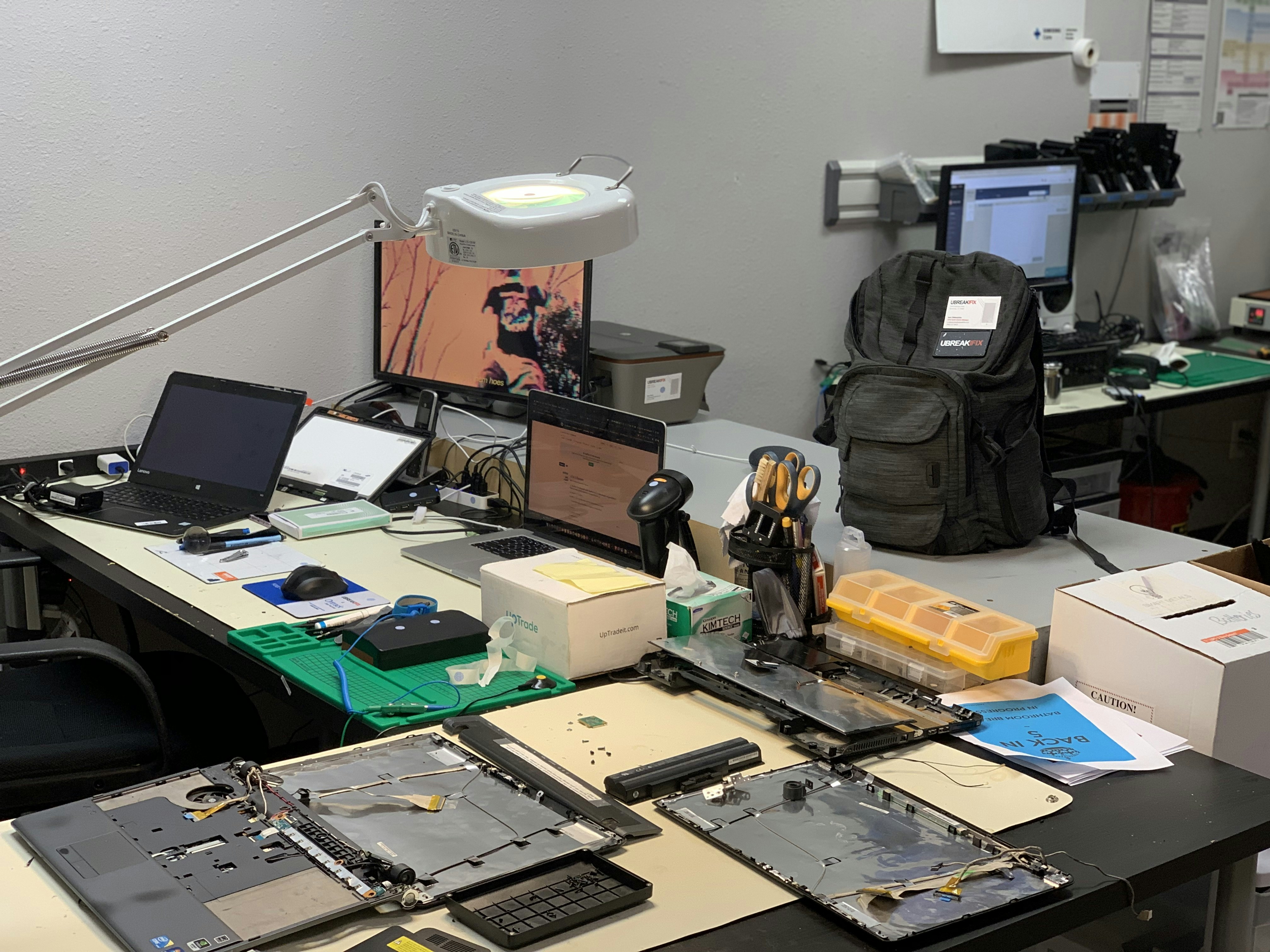
Introduction to Tool Failure in the Agent Industry
In the agent industry, particularly in sectors such as real estate, insurance, and travel, the reliance on various tools is paramount for success. Agents frequently utilize a combination of software applications, communication platforms, and customer relationship management (CRM) systems to facilitate their day-to-day operations. However, tool failure is a significant issue that can disrupt workflows, hinder productivity, and ultimately affect service delivery.
Tool failure can occur for various reasons, including software bugs, hardware malfunctions, or compatibility issues between different systems. For instance, when an agent relies on a CRM system to track client interactions and the system experiences downtime, the agent may struggle to access critical information. This not only creates a bottleneck in service provision but can also lead to frustration and lost opportunities. The consequences of such failures can ripple throughout the organization, affecting not just the individual agent but also their team and client relationships.
Moreover, the frequency of tool failure can vary, depending on the technology stack utilized and the level of technical support available. While some tools might have a more robust support system in place, others may leave agents to troubleshoot issues independently. This added pressure can exacerbate stress levels, taking away from the agents’ primary focus: serving their clients.
In this context, understanding tool failure and its implications is crucial for agents and their agencies. Addressing the challenges posed by tool malfunctions is not merely a technical endeavor; it requires a strategic approach that encompasses training, regular maintenance, and contingency planning. By acknowledging the potential for tool failure and preparing accordingly, agencies can enhance their operational resilience and maintain high levels of service for their clients.
Reasons for Tool Failure
Tool failure is a multifaceted issue that can significantly disrupt the workflows of agents across various industries. One of the primary reasons for tool ineffectiveness lies in technical malfunctions. These malfunctions can arise from poor software design, hardware discrepancies, or compatibility issues with existing systems. When tools do not function as intended, they can impede productivity, leading to increased frustration for users.
Another vital factor contributing to tool failure is a lack of adequate training. Even the most sophisticated tools are only as effective as the individuals operating them. Without proper training, agents may be unaware of how to leverage the full capabilities of their tools, resulting in suboptimal use. This situation can be exacerbated in environments where tools frequently change, and ongoing training is necessary to keep agents updated.
Outdated technologies also play a crucial role in tool failure. In a rapidly evolving technological landscape, tools that were once effective can quickly become obsolete. When organizations fail to keep their tools up-to-date, they risk employing systems that no longer meet current operational demands. This can affect agents’ ability to perform their roles effectively, as they may find themselves struggling with interfaces or functionalities that do not align with modern workflows.
Finally, unexpected external factors can greatly influence tool performance. Elements such as network outages, changes in regulations, or market shifts can lead to tool inefficiencies that were previously unforeseen. These external stressors can disrupt the seamless operation of tools, shifting the focus of agents from their core responsibilities to addressing tool-related issues.
The Impact of Tool Failure on Agents’ Performance
Tool failures can significantly hinder an agent’s performance, directly affecting their ability to effectively manage tasks and meet objectives. In numerous scenarios, agents rely heavily on technology for communication, data analysis, and customer support. When these tools malfunction or become unavailable, the agents are left vulnerable to various challenges that can undermine their productivity.
For instance, consider a situation where an agent is expected to resolve customer inquiries using a customer relationship management (CRM) software. If the CRM system crashes, the agent may struggle to access essential customer information, leading to delays in response times. This not only frustrates the agent but may also result in customer dissatisfaction, perpetuating a cycle of poor service and heightened stress levels.
The impact extends beyond just immediate tasks. The inability to utilize necessary tools can lead to a backlog of work. As agents strive to manage their workflows without proper tools, they may encounter increasing pressure to perform, which affects their mental wellbeing. Extended periods of tool failure can instill a sense of inadequacy, diminish morale, or even lead to burnout. The psychological ramifications are profound, as agents may feel overwhelmed by the cumulative impact of unmanageable workloads and a loss of control over their work environment.
Moreover, continuous tool failures can create an atmosphere of instability within the workplace. Agents might experience uncertainty regarding their job security, which can lead to decreased motivation and engagement. The ability to perform optimally is tied closely to the resources at an agent’s disposal; when those resources falter, the repercussions contribute not only to lower individual productivity but also to the overall efficiency of the organization.
Challenges in Tool Recovery
Agents frequently encounter various challenges when attempting to recover from tool failures. One primary concern is the time constraints that they face. In most cases, agents operate under tight deadlines, necessitating swift resolutions to ensure minimal disruption in service delivery. These time pressures can hinder their ability to thoroughly diagnose the problem, often resulting in suboptimal solutions that may not address the root cause of the failure.
Another issue agents must navigate is the resource limitations at their disposal. These limitations can manifest in various forms, including insufficient access to necessary tools, lack of technical knowledge, or inadequate staffing levels. When resources are scarce, agents may find themselves unprepared to handle tool failures effectively. This inadequacy can prolong the recovery process and ultimately affect the overall performance of the organization.
Additionally, an inadequate support system can exacerbate the difficulties faced during tool recovery. Many agents rely on various support teams to assist them in resolving issues, but when these teams are overburdened or unavailable, the agents can feel isolated in their struggle. This lack of support can lead to frustration and anxiety, ultimately diminishing the agents’ effectiveness during recovery operations.
As agents grapple with these common challenges, it is imperative for organizations to recognize and address these obstacles. By investing in better resource management, providing timely training, and ensuring that adequate support systems are in place, businesses can alleviate some of the burdens faced by agents during tool recovery. This proactive approach not only enhances recovery efforts but also promotes a more positive work environment for agents.
The Role of Management in Supporting Tool Recovery
Management plays a pivotal role in ensuring the effective recovery of tools, a critical task that directly impacts the performance of agents. When tool failures occur, the repercussions can lead to decreased productivity and heightened frustration among agents. Therefore, it is essential for management to establish a robust support system that can guide agents through such challenges.
Effective communication stands as one of the cornerstones in this support structure. By fostering an open dialogue, management can better understand the challenges agents face in relation to tool failures. Regular check-ins and feedback loops facilitate a two-way communication channel that allows management to remain informed about specific issues, enabling them to provide timely assistance and resources.
Additionally, comprehensive training programs are vital to equip agents with the necessary skills to handle unexpected tool failures. Management should prioritize continuous learning opportunities that not only focus on the technical aspects of each tool but also on problem-solving and adaptability. By empowering agents through training, management can help reduce downtimes associated with tool recovery and enhance overall operational efficiency.
Resource allocation is another essential facet in supporting agents during tool recovery. Management must ensure that agents have access to adequate resources, such as backup tools, repair kits, or technical support staff. Implementing a well-defined protocol for tool recovery can streamline processes and minimize the disruption caused by failures. This structured approach not only aids in faster resolution but also instills confidence in agents, knowing they have the support needed to tackle challenges head-on.
In conclusion, management’s involvement is crucial in fostering an environment where agents feel supported and empowered when navigating tool recovery issues. Through effective communication, training, and resource allocation, management can significantly enhance agents’ ability to recover from tool failures, ultimately leading to improved performance and job satisfaction.
Strategies for Improving Tool Reliability
Enhancing tool reliability is critical for minimizing downtime and ensuring that agents can perform their duties effectively. Implementing a few actionable strategies can significantly reduce failure incidence and improve overall tool performance.
Firstly, regular maintenance of tools is essential. Scheduled maintenance checks can identify potential issues before they escalate into major problems. This proactive approach allows for the timely replacement of worn-out components and the application of necessary repairs, which can greatly enhance tool longevity and reliability.
Secondly, keeping tools updated with the latest software patches and firmware is a vital strategy. Software updates often include bug fixes, performance enhancements, and security improvements that can contribute to increased reliability. Therefore, it is advisable for agents to establish a routine for checking and applying updates to all tools used in their operations.
In addition, organizations should consider adopting new technologies that enhance the performance of existing tools. Embracing innovative solutions, such as cloud-based applications or AI-driven analytics tools, can optimize workflows and alleviate some of the burden tied to tool dependability. By exploring advancements in technology, organizations can ensure that their systems remain relevant and functional.
Moreover, training employees on effective usage and troubleshooting of tools can also play a significant role in improving reliability. By equipping agents with the knowledge to address minor issues on their own, organizations can minimize delays associated with tool failures and foster a more resilient work environment. This approach not only empowers employees but also contributes positively to overall performance metrics.
Finally, gathering feedback from agents on tool performance can provide valuable insights. Regularly soliciting input allows organizations to identify patterns in tool failure and address specific concerns, creating a loop of continuous improvement. By implementing these strategies, organizations can significantly improve tool reliability and reduce incidences of tool failure.
Training and Development for Agents
In the fast-paced world of customer service and support, the ability of agents to effectively handle tool failures is paramount. Continuous training and development programs are essential in empowering agents to manage these challenges proficiently. These programs not only equip agents with the skills needed to troubleshoot issues effectively but also enhance their confidence in navigating complex scenarios that may arise during tool failures.
One of the key aspects of successful training is the focus on practical, hands-on experiences that simulate real-life tool failure situations. This approach allows agents to gain exposure to various scenarios, enhancing their problem-solving capabilities. Moreover, integrating technology into training sessions, such as using interactive simulations or online learning modules, can significantly boost engagement and retention of knowledge among agents.
Furthermore, ongoing development opportunities should encompass not only technical skills but also soft skills such as communication, time management, and emotional intelligence. A well-rounded approach ensures that agents are not only technically competent but also equipped to handle stress and provide empathetic support to customers experiencing tool failures. This blend of skills is essential for maintaining customer satisfaction, even in challenging situations.
Regular assessments and feedback mechanisms can help identify areas in which agents may require additional training. By analyzing performance metrics and customer feedback, organizations can tailor their training programs to address specific weaknesses, ensuring that agents are always prepared for unexpected challenges.
In conclusion, implementing robust training and development programs is vital for agents to effectively recover from tool failures. By focusing on both technical and interpersonal skills, organizations can create a proactive workforce capable of maintaining performance and nurturing customer relationships despite operational setbacks.
Case Studies of Successful Tool Failure Recovery
Successful tool failure recovery is critical in maintaining operational stability and restoring productivity. This can be observed through several case studies across various sectors. One notable example comes from the manufacturing industry, where a company faced significant downtime due to malfunctioning machinery. Rather than relying solely on traditional repair methods, they implemented a real-time monitoring system that enabled them to detect problems before they escalated. This proactive strategy resulted in a 40% reduction in downtime and established benchmarks for future recovery efforts.
In another case, a telecommunications service provider experienced extensive outages due to failures in their switching equipment. The organization adopted a comprehensive recovery framework that involved cross-training their technical staff. This empowered them to handle tool failures swiftly and efficiently. By diversifying their training programs and preparing teams for emergency situations, they were able to restore services within hours and bolster their resilience against future tool failures.
Moreover, a healthcare institution faced challenges when their patient management system went offline unexpectedly. The rapid response team recognized the importance of communication and collaboration. They engaged stakeholders at all levels, from IT personnel to hospital staff, ensuring everyone understood their roles in the recovery process. This cohesive approach not only restored system functionality within a short time frame but also enhanced user confidence and reinforced the institution’s commitment to continuous improvement in managing tool failures.
These examples illustrate various successful recovery strategies that address tool failures effectively. By analyzing the actions taken in these instances, organizations can draw valuable lessons. Implementing robust monitoring systems, fostering cross-training programs, and creating a culture of collaboration are vital elements that contribute significantly to effective tool failure recovery. As the landscape of technology evolves, learning from such case studies can guide industries in fortifying their recovery protocols against future challenges.
Conclusion and Future Outlook
The struggles faced by agents in tool failure recovery present a significant challenge in today’s fast-paced work environment. Agents often find themselves grappling with the complexities of system malfunctions, which can lead to lengthy downtimes and ultimately affect productivity. The core difficulties identified during our discussion include improper tool management, insufficient training on recovery procedures, and the lack of streamlined communication channels during a crisis.
In light of these challenges, it is crucial for organizations to invest in comprehensive tool management systems that emphasize reliability and ease of use. By implementing advanced analytics and monitoring solutions, organizations can enhance their predictive maintenance capabilities, thereby reducing the incidents of tool failures. Furthermore, training programs tailored to equip agents with the knowledge and skills they need to effectively manage tool failure scenarios can play a vital role in mitigating losses and improving response times.
Looking towards the future, the evolution of technology presents exciting possibilities for improving tool management and recovery efforts. Artificial intelligence and machine learning can be harnessed to develop smarter systems capable of learning from past failures. These advancements can result in automatically generated troubleshooting guides and preventative measures that significantly enhance tool reliability. Additionally, fostering a culture of continuous learning and adaptability among agents will contribute positively to not only tool recovery practices but also overall organizational resilience.
In conclusion, addressing the struggles associated with tool failure recovery requires a multifaceted approach that incorporates technology, training, and a proactive mindset. By doing so, organizations can not only enhance their operational efficiency but also create a more empowered workforce capable of navigating the inevitable challenges presented by tool failures in their daily responsibilities.