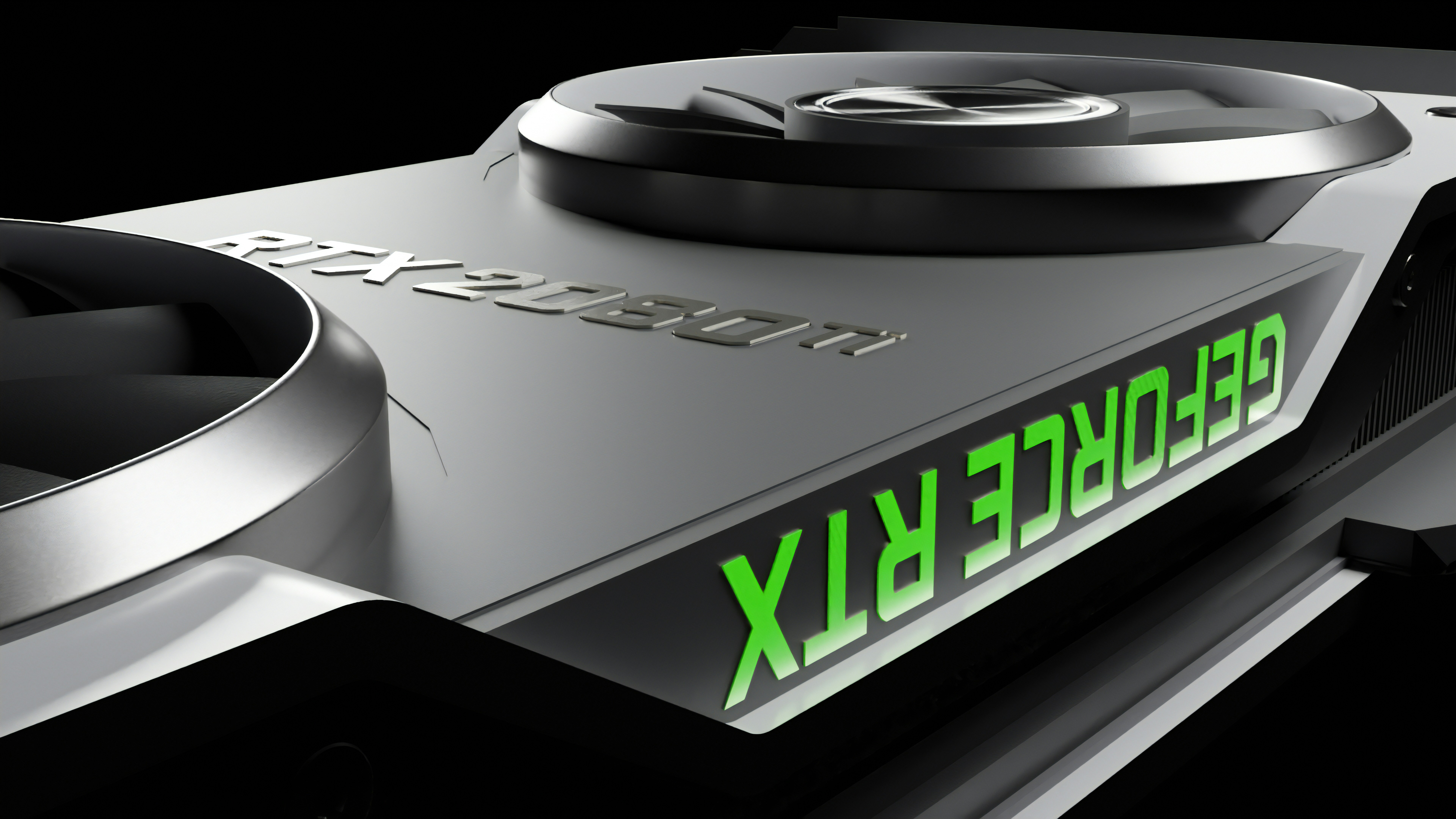
Understanding TPUs and GPUs
In the rapidly evolving landscape of computing resources, two prominent players have emerged: Tensor Processing Units (TPUs) and Graphics Processing Units (GPUs). Both serve distinct functions and optimally address the needs of modern data processing and machine learning tasks. A foundational understanding of these components is essential for professionals in the field.
TPUs are a type of application-specific integrated circuit (ASIC) designed specifically for accelerating machine learning workloads. Developed by Google, TPUs focus on optimizing tensor computations, which are essential for neural networks. The primary architecture of TPUs allows them to handle large amounts of data efficiently with reduced power consumption, making them particularly effective for tasks such as deep learning. Their design features a matrix processing unit that facilitates the multiplication of matrices, a crucial operation in training and inference procedures for artificial intelligence models.
On the other hand, GPUs have traditionally been employed for rendering graphics and are built to handle parallel tasks exceptionally well. Originally designed for video games, their architecture allows for the simultaneous processing of multiple threads, which is beneficial for a range of applications beyond graphics, including scientific simulations and machine learning. While GPUs excel in tasks requiring high throughput and parallel processing, their general-purpose design may not always align seamlessly with the computational demands of specific AI workloads.
As AI and deep learning continue to advance, understanding the differences and applications of TPUs and GPUs becomes increasingly important. Whether it is the speed and efficiency of TPUs in handling tensor operations or the versatility of GPUs for broader computing tasks, both processing units play a vital role in the data-driven world we are navigating.
Evolution and Purpose of TPUs
The introduction of Tensor Processing Units (TPUs) by Google in 2016 marked a significant advancement in the realm of machine learning and artificial intelligence. TPUs were explicitly designed to accelerate the performance of deep learning workloads, particularly those that utilize large-scale neural networks. Unlike traditional hardware such as Graphics Processing Units (GPUs), which were primarily developed for rendering graphics, TPUs focus on optimizing tensor operations that are at the core of many machine learning algorithms.
Initially, TPUs were brought forth to meet the specific computational demands of TensorFlow, Google’s open-source machine learning framework. Their architecture supports matrix multiplication and high-volume data processing, making them exceptionally well suited for tasks like image processing, natural language processing, and real-time analytics. The need for such specialized hardware arose from the increasing complexity and scale of deep learning models, which often required extensive computational resources.
Over the years, TPUs have evolved through multiple generations, with each iteration bringing enhancements in performance, efficiency, and functionality. The first generation focused on providing efficient training of neural networks, allowing organizations to train models faster and at a lower cost compared to conventional hardware. The later generations have continued this trajectory, introducing features such as improved interconnect technology, increased memory bandwidth, and integration capabilities with cloud computing environments.
In terms of performance optimization, TPUs achieve substantial speed-ups in tensor calculations, employing techniques such as reduced precision arithmetic to maximize throughput without significantly compromising accuracy. This evolution ensures that TPUs remain a competitive solution for entities pursuing cutting-edge artificial intelligence applications, providing the necessary infrastructure to handle the demands of modern deep learning tasks efficiently.
Key Differences between TPUs and GPUs
Tensor Processing Units (TPUs) and Graphics Processing Units (GPUs) are both integral components in the landscape of modern computing, particularly in the realm of artificial intelligence and machine learning. One of the primary differences between the two lies in their architecture. GPUs were primarily designed for rendering graphics, showing exceptional capability in parallel processing due to their thousands of cores. In contrast, TPUs are specifically optimized for deep learning tasks, utilizing matrix processing and custom hardware to efficiently manage linear algebra operations and tensor calculations.
When comparing performance metrics, TPUs often outshine GPUs in specific machine learning tasks that involve extensive calculations. Their efficiency is driven by a superior architecture that accommodates larger matrix computations, allowing TPUs to execute operations at a higher speed than traditional GPUs. Consequently, this makes TPUs particularly well-suited for large-scale neural network training and inference, where substantial data throughput is required. On the other hand, GPUs excel in providing more versatility, suitable for various applications beyond just AI, including scientific simulations and video processing.
The suitability of TPUs versus GPUs for different types of workloads further highlights their differences. While TPUs offer unparalleled performance in tasks involving massive datasets and complex models, they are less adaptable when transitioning to non-AI workloads. GPUs, with their flexibility and broad application range, remain an excellent choice for developers dealing with multi-purpose computational needs. Therefore, the selection between TPUs and GPUs should be informed by the specific requirements of the tasks at hand, recognizing that both play distinct roles in enhancing computational efficiency and effectiveness.
Architecture Comparison
When investigating the architectures of Tensor Processing Units (TPUs) and Graphics Processing Units (GPUs), it is essential to consider several key features that define their efficiency and preferred use cases. TPUs, designed specifically for machine learning tasks, and GPUs, traditionally utilized for graphics rendering, diverge significantly in core configurations, memory bandwidth, and operational optimization.
TPUs are characterized by a high number of cores arranged into units dedicated to tensor operations, which are highly beneficial in deep learning applications. Each TPU contains matrix multiplication units that allow simultaneous processing of multiple operations, leading to a significant boost in performance for tasks such as training neural networks. In contrast, a typical GPU features fewer cores, albeit with a higher clock speed, which excels in a broader range of operations but may not be as specialized in handling the specific requirements of machine learning.
The memory bandwidth of TPUs plays a crucial role in their architecture. TPUs utilize high-bandwidth memory optimized for tensor computations, which contributes to improved data throughput crucial for handling large datasets in AI training scenarios. GPUs, however, although equipped with substantial memory bandwidth, may be constrained by their architecture when addressing the specialized and intensive data processing needs encountered in deep learning operations. This leads to longer processing times when similar workloads are executed on a GPU compared to a TPU.
Furthermore, while GPUs can perform a variety of tasks—including 3D rendering and general-purpose computing—the architecture of TPUs is streamlined for matrix computations and vector processing, minimizing overhead. This specialization allows TPUs to outperform GPUs in scenarios like neural network training, where extensive matrix calculations are commonplace.
Performance Benchmarks
As advancements in artificial intelligence (AI) and machine learning (ML) accelerate, understanding the benchmarks that differentiate Tensor Processing Units (TPUs) from Graphics Processing Units (GPUs) becomes crucial. Both types of processors have unique attributes that can significantly impact performance, especially when it comes to training models and executing inference tasks.
In terms of speed, TPUs are specifically designed to accelerate the computations required for neural networks. They utilize a matrix multiplication architecture that enables them to perform vast amounts of computations simultaneously. As reported in various studies, TPUs can process tens of petaflops of operations per second while training large models, achieving an efficiency that typically surpasses GPUs. For instance, a single TPU pod can execute machine learning workloads approximately 15-30 times faster than a comparable GPU setup.
Energy efficiency is another critical aspect when comparing TPUs and GPUs. TPUs often consume less power for equivalent workloads, which becomes significant for large-scale enterprises operating data center facilities. For example, several benchmarks indicate that TPUs can achieve performance-per-watt metrics that are two to three times better than their GPU counterparts. This advantage often leads organizations to prefer TPUs in environments where energy costs are a primary factor.
When evaluating processing power, it is vital to consider the specific tasks being executed. TPUs shine in training and inference for deep learning tasks but may falter in general graphics-related applications where GPUs hold significant performance advantages. Therefore, it is essential for developers and organizations to choose the right processor based on their specific needs, particularly which type of calculations and workloads they intend to run.
Use Cases for TPUs and GPUs
Tensor Processing Units (TPUs) and Graphics Processing Units (GPUs) serve distinct yet overlapping roles in the computing landscape, especially concerning their application in various fields such as artificial intelligence, graphics rendering, gaming, and scientific computing. Understanding the specific use cases for each can illustrate their advantages and help determine the optimal choice for a particular project.
In the realm of artificial intelligence, TPUs are specifically designed to accelerate machine learning workloads. They are highly efficient at performing tensor operations which are essential in deep learning tasks. For instance, Google’s TensorFlow framework seamlessly integrates TPUs to process vast datasets, enabling faster training of AI models. This efficiency becomes a game-changer in scenarios involving natural language processing or image recognition, where the computational demands are exceedingly high.
Conversely, GPUs excel in rendering complex graphics and accelerating computations that require high parallelism. The inherent architecture of GPUs makes them ideal for tasks such as real-time rendering in video games and interactive applications. Their ability to handle multiple threads simultaneously allows for smoother graphics performance and enhanced gameplay experiences. Additionally, they are widely utilized in scientific computing, where simulations and data visualizations require substantial graphical resources.
Furthermore, the synergy between TPUs and GPUs can be leveraged in hybrid applications. For example, while TPUs can handle the training of deep learning models, GPUs can be employed for inference tasks where high-quality visualizations are needed. This collaborative approach enables developers to harness the strengths of both processing units, ensuring optimal performance across diverse scenarios.
Overall, the choice between TPUs and GPUs depends significantly on the specific requirements of the application. By assessing the nature of the workloads, practitioners can make informed decisions that enhance efficiency and effectiveness in their respective domains.
Cost-Effectiveness and Accessibility
When evaluating the cost structures between Tensor Processing Units (TPUs) and Graphics Processing Units (GPUs), several factors come into play. An essential consideration is the pricing models adopted by major cloud service providers. TPUs are generally optimized for specific types of machine learning tasks, particularly those involving deep learning algorithms. As such, many cloud providers offer TPUs on a rental basis, which can be cost-effective for researchers and developers who require computational power only intermittently.
In contrast, GPUs provide a more versatile solution, supporting a broader array of applications beyond just machine learning. Consequently, their cost structures can vary significantly based on the workload requirements. Factors such as the purchase price for physical hardware, operational expenses for electricity, and cooling requirements must also be considered when determining the overall cost-effectiveness of GPUs, especially for long-term use.
Accessibility is another critical aspect to analyze. TPUs have been integrated into cloud platforms like Google Cloud, which simplifies access for users without the need for considerable infrastructure investment. This straightforward model enables researchers and developers to leverage powerful computing resources without the burdens associated with traditional hardware setups. Conversely, while GPUs are widely available and supported by different platforms, setting up an environment for optimal performance may require more technical knowledge and greater initial investment.
In conclusion, while both TPUs and GPUs play vital roles in computational tasks, TPUs may present a more cost-effective and accessible option for those focused specifically on deep learning applications. Their usage within cloud platforms lowers the barrier to entry, making high-performance computing capabilities available to a wider audience, particularly those in the early stages of their research or development projects.
Future Trends in Processing Units
The landscape of computing is witnessing unprecedented evolution, particularly in the domain of processing units such as Tensor Processing Units (TPUs) and Graphics Processing Units (GPUs). As artificial intelligence, machine learning, and data-heavy applications continue to proliferate, significant advancements are anticipated in both hardware and software optimization. The future of TPUs points toward enhanced architectures specifically designed for deep learning tasks, which may outperform traditional processing units in speed and efficiency.
One expected trend is the increasing integration of AI capabilities within TPUs. Researchers are focusing on developing architectures that allow for more efficient training and inference of neural networks, thereby enhancing the overall performance of applications reliant on machine learning. In contrast, GPUs, with their versatile frameworks, are likely to expand their utility by continuously improving graphical rendering and parallel processing techniques. This will enable GPUs to maintain relevance in both gaming and high-performance computing tasks, alongside their growing presence in AI applications.
Furthermore, the democratization of AI tools may shift the roles of TPUs and GPUs. As more industries leverage machine learning and data analytics, there could be a surge in demand for easily accessible, cloud-based TPU services. This shift may result in the standardization of performance metrics between TPUs and GPUs, leading to more informed choices for developers and engineers when selecting computing resources. Additionally, both TPUs and GPUs are expected to incorporate advanced features such as improved energy efficiency and thermal management, addressing the growing concerns around sustainability in technology.
In conclusion, the future of TPUs and GPUs holds promise for remarkable advancements that will redefine the capabilities of processing units. Their evolving roles will likely lead to a more synergistic relationship, where each unit capitalizes on its strengths to support the burgeoning fields of AI and data-driven technologies.
Conclusion
In this comprehensive exploration of Tensor Processing Units (TPUs) and Graphics Processing Units (GPUs), we have highlighted the distinct roles and advantages each type of processing unit brings to the field of computing, especially in deep learning applications. TPUs are specifically designed to accelerate machine learning workloads, offering significant advantages in speed and efficiency for certain tasks. Their architecture is tailored to optimize tensor computations, which are foundational in neural network training and inference.
On the other hand, GPUs possess a versatile architecture capable of handling a wide range of computational tasks beyond just deep learning. They excel in parallel processing, making them ideal for graphics rendering and other computationally intensive applications such as scientific simulations and video editing. While TPUs can outperform GPUs in certain machine learning benchmarks, especially with large datasets and complex models, GPUs provide flexibility that is essential for a broader array of tasks.
Choosing between TPUs and GPUs ultimately depends on specific application needs. For organizations focused solely on deep learning applications, TPUs may offer greater efficiency and performance. Conversely, for those requiring versatility in computing tasks, a GPU could be the better choice. Understanding the strengths and weaknesses of each processing unit aids in making informed decisions that align with both project requirements and budget considerations. This nuanced understanding is key in leveraging these advanced technologies effectively and ensuring optimal performance in computing tasks.