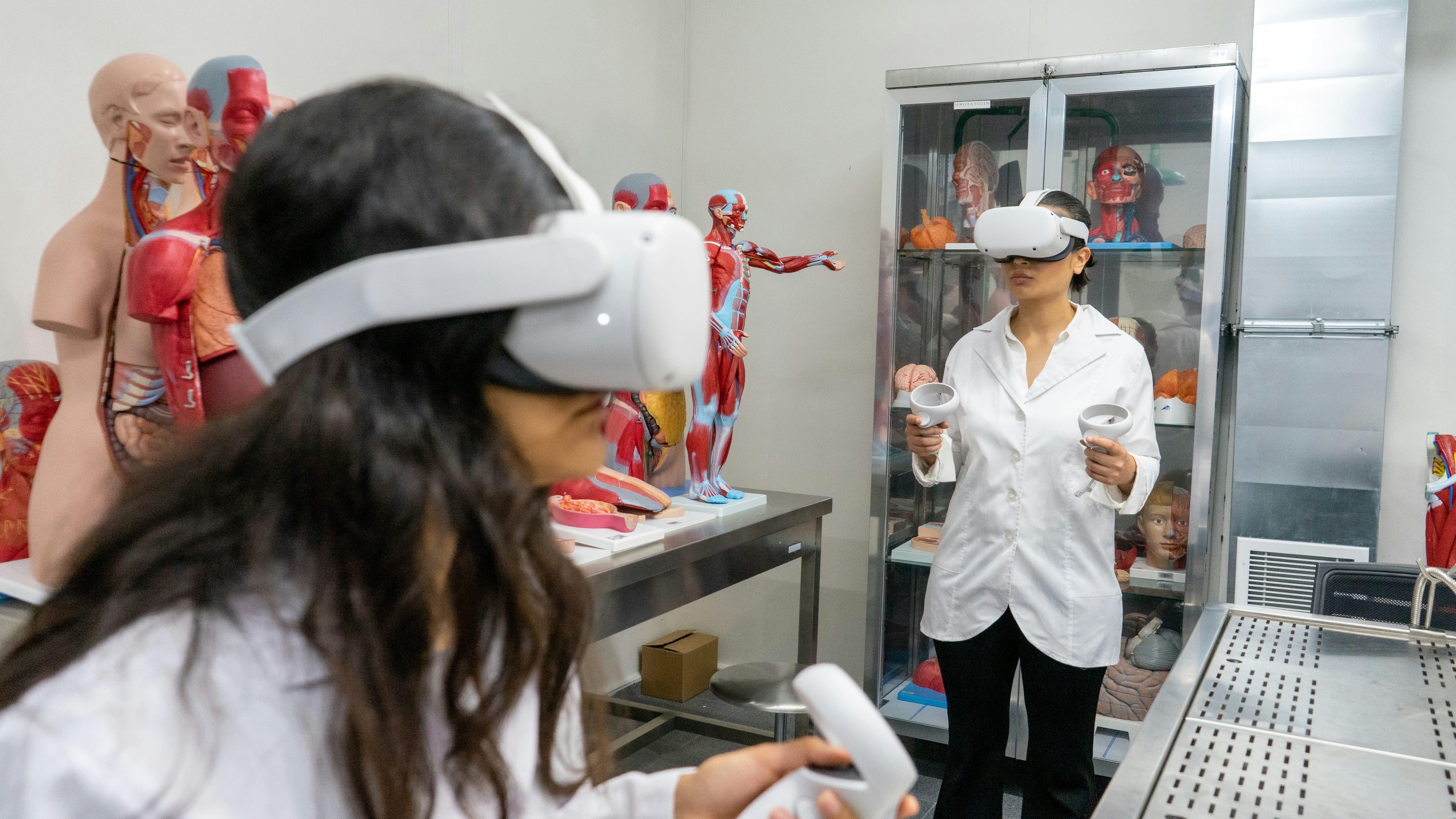
Introduction to Digital Twin Technology
Digital twin technology represents a groundbreaking advancement in the intersection of the physical and digital realms. A digital twin is a virtual representation of a physical object or system that mirrors its real-world counterpart in real-time. This innovative technology captures, analyzes, and simulates the data of an item, system, or even a process, enabling users to monitor performance, predict outcomes, and optimize functionalities.
The concept of digital twins has its roots in the aerospace and manufacturing sectors, where prototyping and simulations were essential for product development. Originally, the term was coined by Dr. Michael Grieves at the University of Michigan in 2002, with the idea primarily focused on product lifecycle management. Over the years, the application of digital twins has expanded significantly, incorporating various industries such as healthcare, automotive, and urban planning.
Functionally, digital twin technology utilizes sensors, Machine Learning (ML), and Internet of Things (IoT) frameworks to gather data from the physical entities. These insights inform the digital models, which can subsequently simulate different scenarios. This dynamic feedback loop enhances decision-making processes, as it provides stakeholders with accurate, actionable intelligence that can improve maintenance, development, and operational efficiency.
In healthcare, for example, digital twins can be utilized to model patient health outcomes using real-time health data, enabling personalized treatment plans. In manufacturing, these virtual representations facilitate predictive maintenance, thereby reducing downtime and enhancing productivity. By creating a detailed digital counterpart, organizations can better understand the complexities of their operations and drive improvements across various domains.
The Role of Digital Twins in Manufacturing
Digital twin technology is fundamentally reshaping the manufacturing industry by allowing companies to create virtual replicas of physical assets, processes, or systems. A digital twin effectively represents a real-world counterpart, enabling manufacturers to glean insights into performance and optimize operational efficiency. One significant application of digital twins is process optimization. By simulating production processes in a digital environment, companies can identify bottlenecks, test different variables, and analyze outcomes without disrupting actual operations. This leads to a more informed decision-making process, thereby improving overall productivity.
Another critical area where digital twins are making an impact is predictive maintenance. Manufacturing equipment is subject to wear and tear, which can lead to unexpected downtime if not monitored effectively. Utilizing digital twin technology, manufacturers can predict when a machine is likely to fail by analyzing data collected from its operational history. By implementing this predictive approach, organizations can schedule timely maintenance, reduce costs associated with unexpected repairs, and extend the lifespan of their equipment.
Moreover, digital twins enhance production workflows by providing real-time data visualization. This technology facilitates better communication and collaborative efforts among different teams within a manufacturing environment. For instance, by utilizing dashboards that display live data from digital twins, team members can adjust their workflows promptly based on up-to-date information. This ensures that the production processes align with organizational goals and adapt to changes in demand or other variables.
In essence, digital twin technology serves as a crucial tool in the manufacturing sector, offering significant benefits through process optimization, predictive maintenance, and enhanced production workflows. As more manufacturers begin to integrate these technologies, we can expect to see a continued evolution in operational strategies aimed at increasing efficiency and reducing costs across the industry.
Applications of Digital Twin Technology in Healthcare
Digital twin technology has emerged as a transformative tool within the healthcare sector, offering innovative solutions for patient modeling, personalized medicine, and enhancing hospital operations. These digital replicas of physical entities serve to improve understanding and management of healthcare processes and patient outcomes.
One of the most noteworthy applications of digital twins in healthcare is patient modeling. By creating a virtual representation of an individual’s health status, including their medical history, genetic information, and lifestyle factors, healthcare providers can analyze complex data to predict disease progression and treatment outcomes. For instance, researchers at the University of Toronto are utilizing digital twins to simulate the effects of various treatment options on patients with chronic conditions, enabling customized care plans that significantly improve patient outcomes.
Another application is in personalized medicine, where digital twins facilitate tailored therapeutic strategies. These virtual models can be applied to assess how individual patients might respond to specific medications or interventions, allowing clinicians to select the most effective treatment courses efficiently. In practice, the use of digital twins has been particularly prominent in oncology, where they help oncologists to visualize and predict tumor behavior, leading to more precise and personalized treatment protocols.
Besides direct patient applications, digital twins also enhance operational efficiency in healthcare facilities. Hospitals can create digital twins of their entire operational workflow to optimize resource allocation, improve patient flow, and reduce waiting times. A notable example of this is the Mayo Clinic, which has implemented digital twin technology to monitor and manage patient throughput, resulting in enhanced productivity and patient satisfaction.
Overall, the applications of digital twin technology in healthcare not only pave the way for improved individual patient care but also contribute to more efficient healthcare systems, demonstrating its significant potential in the sector.
Benefits of Implementing Digital Twin Technology
Digital twin technology has emerged as a transformative tool in various industries, significantly enhancing operational efficiency and effectiveness. One of the primary benefits of implementing digital twin technology is improved efficiency. This technology allows organizations to create real-time simulations of physical assets and processes, enabling them to analyze performance and identify areas of optimization. By harnessing comprehensive data analytics, companies can streamline operations, leading to increased productivity and reduced downtime.
Cost reduction is another crucial advantage. By utilizing digital twins, businesses can forecast potential issues before they escalate, which minimizes unplanned maintenance and associated costs. This predictive maintenance approach allows companies to allocate resources more effectively, avoiding unnecessary expenses and extending the lifecycle of their assets. Furthermore, by improving operational efficiencies, organizations can reduce energy consumption and waste, contributing to overall cost savings.
Digital twin technology enhances decision-making by providing a data-driven framework for evaluating different scenarios. Leaders can simulate various outcomes based on real-time data, receiving valuable insights that support strategic planning and risk management. This capability is particularly beneficial in complex environments such as manufacturing and healthcare, where the stakes are high and the margin for error is minimal.
Lastly, enhanced collaboration is a significant benefit of digital twin technology. Teams across departments can access a shared digital representation of the assets, fostering communication and cooperation. This collaborative approach allows stakeholders to align their efforts more effectively, ultimately driving innovation and improving project outcomes. In summary, the implementation of digital twin technology during manufacturing and healthcare processes presents numerous benefits, making it an invaluable asset in today’s competitive landscape.
Challenges and Limitations of Digital Twin Technology
Digital twin technology, while promising numerous benefits in fields such as manufacturing and healthcare, is not without its challenges and limitations. One primary issue is data integration, which requires the synchronization of various data sources. Organizations often rely on multiple systems, each generating unique data formats and standards. The ability to effectively integrate and harmonize this data is crucial for creating an accurate digital twin. Failure to achieve seamless data integration can lead to discrepancies and ultimately diminish the potential insights derived from the digital twin.
Additionally, privacy concerns play a significant role in the implementation of digital twin technology. As these digital replicas often operate using sensitive data, organizations must navigate complex regulations regarding data privacy and protection. The potential for unauthorized access to confidential information poses a notable risk. Therefore, ensuring robust security measures and compliance with relevant legal frameworks becomes an essential aspect when deploying digital twins, particularly within the healthcare sector, where patient data is especially sensitive.
Technological hurdles also contribute to the challenges associated with digital twin implementation. Many organizations face limitations related to inadequate infrastructure, insufficient computational power, or lack of technical expertise. As digital twins require substantial processing capability to analyze large datasets in real-time, organizations must evaluate their existing technological frameworks to identify any gaps. Furthermore, the development and maintenance of these systems often necessitate specialized skills, which can be hard to find, ultimately delaying the adoption of digital twin technology.
The Future of Digital Twin Technology
As digital twin technology continues to evolve, its future holds significant promise across various sectors, particularly in manufacturing and healthcare. Emerging trends point towards the integration of advanced artificial intelligence (AI) and machine learning (ML) techniques with digital twins, allowing for more sophisticated simulations and real-time analytics. These enhancements could lead to the development of self-optimizing systems, where digital twins not only replicate physical entities but also learn and adapt, improving performance over time.
In manufacturing, the future of digital twin technology may encompass broader applications such as predictive maintenance, which helps in minimizing downtime and maintenance costs by forecasting potential equipment failures before they occur. Furthermore, industries are increasingly looking at using digital twins for designing smart factories that optimize production lines through real-time monitoring and adjustments.
Healthcare, on the other hand, sees an exciting trajectory with the potential for personalized medicine. By creating detailed digital replicas of patients, healthcare professionals could foresee complications and tailor treatments specifically to individual health profiles. This shift could enhance patient outcomes and streamline processes within healthcare systems, reducing the burden on medical staff and infrastructure.
Additionally, as the Internet of Things (IoT) merges with digital twin technology, we can anticipate further advancements. The ability to collect and analyze vast amounts of data from interconnected devices will improve the accuracy and functionality of digital twins. These systems are expected to provide deeper insights leading to better decision-making processes, not only in production efficiency and patient care but across a host of other applications such as urban planning and environmental monitoring.
In conclusion, the future of digital twin technology is poised for transformative growth, powered by innovations in AI, IoT, and a commitment to optimizing processes in both manufacturing and healthcare sectors.
Case Studies: Digital Twin Innovations
Digital twin technology has emerged as a transformative force in various industries, and its applications in manufacturing and healthcare provide compelling case studies that illustrate its innovative potential. In the manufacturing sector, General Electric (GE) stands as a notable example. The company implemented digital twin models for its jet engines, allowing for the continuous monitoring of engine performance in real-time. By utilizing sensor data from each engine, GE created a virtual replica that could predict maintenance needs and operational inefficiencies. This proactive approach led to significant cost savings, reduced downtime, and improved overall efficiency, showcasing how digital twin technology can optimize complex manufacturing processes.
In healthcare, one prominent case is the use of digital twin technology by Siemens Healthineers in the realm of personalized medicine. The company developed digital twins of patients to simulate and visualize potential treatment outcomes based on individual health data. By integrating information such as genetics, medical history, and lifestyle factors, healthcare providers could tailor treatments more accurately. This initiative not only enhanced the precision of therapies but also empowered patients by providing them insight into their projected health journeys, thus improving patient engagement and satisfaction.
Moreover, Philips has harnessed this technology for surgical planning. Their digital twin models help surgeons visualize specific anatomical structures prior to an operation, facilitating better preparation and decision-making in the operating room. As a result, this has demonstrated reduced surgical risks and improved patient recovery times. These cases illuminate the diverse applications of digital twin technology across industries, revealing its capacity to drive efficiency, innovation, and improved outcomes in both manufacturing processes and healthcare services.
Comparing Digital Twin Technology with Other Technologies
Digital Twin technology serves as a revolutionary concept in the realms of manufacturing and healthcare, significantly enhancing operational efficiency and decision-making processes. While it shares functional similarities with other advanced technologies such as the Internet of Things (IoT) and Artificial Intelligence (AI), the distinct advantages of digital twin technology set it apart.
The Internet of Things (IoT) involves connecting devices and systems across a network, enabling the collection and analysis of data from various sources. This data can be instrumental in monitoring performance and predicting failures. However, IoT primarily focuses on data generation; it lacks the comprehensive simulation and visualization capabilities that digital twin technology offers. Digital twins provide richer insights by creating virtual models that represent their physical counterparts, enabling advanced predictive analytics and real-time monitoring, which go beyond merely detecting issues as they arise.
On the other hand, Artificial Intelligence (AI) leverages machine learning algorithms to analyze data and automate decision-making processes. While AI can enhance the intelligence of digital twins by allowing them to learn from past data, it does not inherently provide the visual representation of physical systems. The integration of AI into digital twin technology enables the creation of more sophisticated models that not only forecast potential outcomes but also simulate varying scenarios, allowing for proactive rather than reactive management strategies.
In summary, while IoT and AI contribute significantly to digital transformation, digital twin technology combines the benefits of both, providing a dynamic model that allows organizations to monitor, predict, and enhance their operations. This unique capability empowers industries to optimize performance, reduce downtime, and ultimately drive more informed decisions, setting a new standard in both manufacturing and healthcare applications.
Conclusion: The Impact of Digital Twin Technology on Industries
In recent years, digital twin technology has emerged as a groundbreaking solution with the potential to transform various sectors, notably manufacturing and healthcare. This innovative approach enables the creation of virtual replicas of physical entities, allowing businesses and healthcare providers to optimize processes, enhance decision-making, and reduce costs. The application of digital twins in manufacturing has led to increased efficiency through improved predictive maintenance, real-time monitoring, and streamlined production processes. Additionally, in healthcare, the technology supports personalized medicine by simulating patient responses to various treatments, ultimately improving health outcomes.
Digital twins have significant implications for industries looking to embrace Industry 4.0 principles. The integration of advanced technologies such as the Internet of Things (IoT), artificial intelligence, and big data analytics with digital twins fosters a data-driven environment. This synergy provides organizations with actionable insights that can be utilized to develop innovative strategies, reduce time-to-market, and enhance customer satisfaction.
Furthermore, as industries continue to face complex challenges such as supply chain disruptions and evolving consumer demands, the ability to simulate real-world scenarios offers a distinct competitive advantage. By leveraging digital twin technology, organizations can proactively address inefficiencies and adapt to market changes swiftly. The transformative potential of digital twin technology lies not only in its current applications but also in future innovations that may arise as the technology continues to evolve.
In conclusion, digital twin technology stands as a pillar of modern industry, providing tools that empower organizations to advance their operational capabilities. As the landscape of manufacturing and healthcare continues to evolve, it is crucial for stakeholders to understand and harness the full potential of digital twins, paving the way for significant advancements in their respective fields.