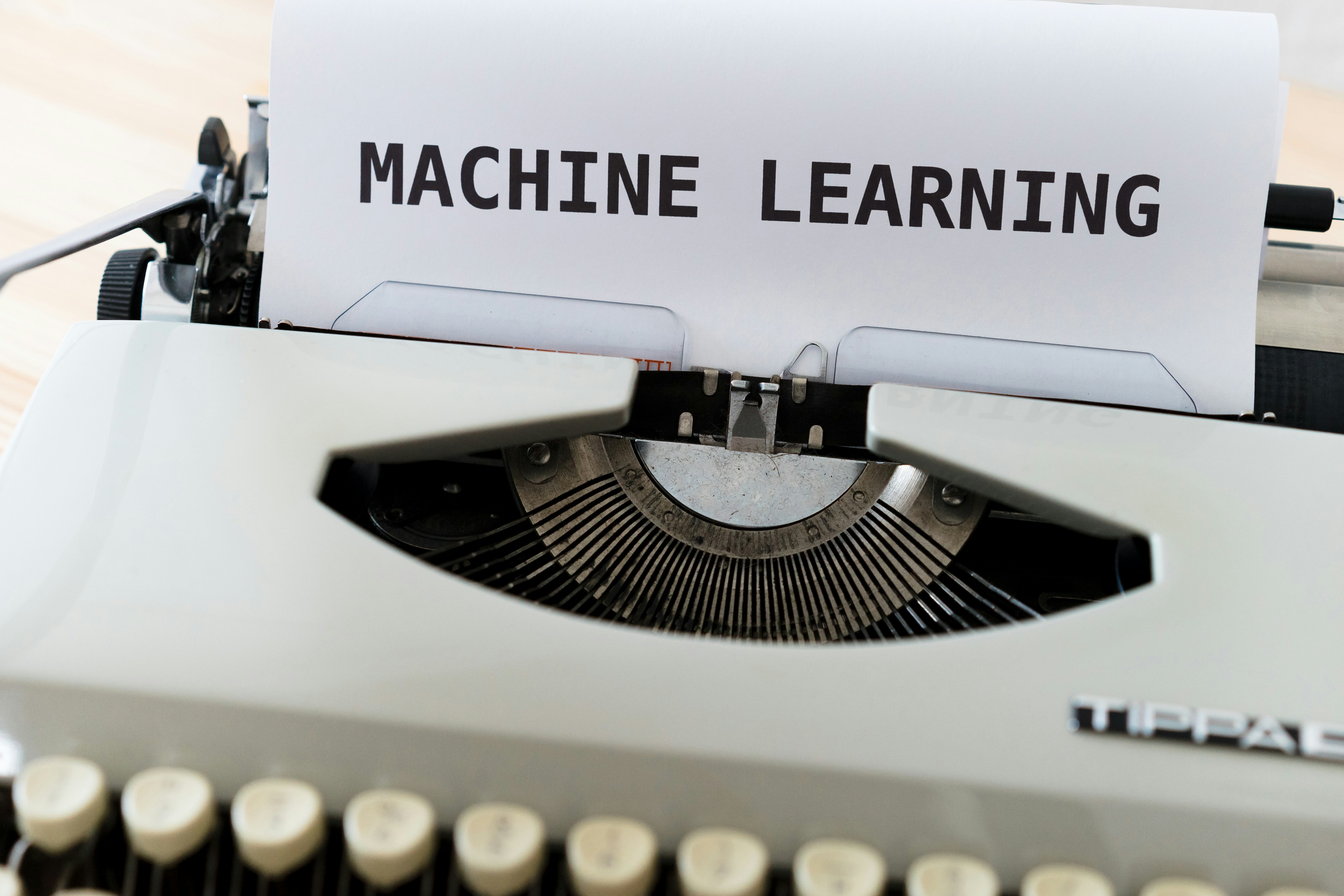
Introduction to Machine Unlearning
Machine unlearning is an emerging concept in the field of artificial intelligence (AI) that allows AI systems to effectively “forget” specific pieces of information. This capability is increasingly regarded as essential in maintaining the privacy and security of sensitive data. As AI systems become more prominent in everyday applications, the handling of personal and confidential information raises significant concerns about data management and compliance with privacy regulations.
The motivation behind machine unlearning primarily stems from the need to mitigate the risks associated with data misuse and breaches. Data privacy has gained considerable attention due to heightened awareness of data rights and appropriate data handling practices. Users now demand that organizations protect their personal information and also provide options for data deletion when it is no longer needed or if consent is revoked. This places a strong emphasis on the importance of an AI system’s ability to remove or “forget” certain data without compromising the integrity of the model’s learning capabilities.
The mechanism of unlearning hinges on tactics that allow AI algorithms to selectively erase data influences while maintaining overall model performance. This may involve retraining models with subsets of information or applying sophisticated techniques to reverse the effects of specific data points. The challenge lies in balancing effective unlearning with the preservation of valuable knowledge retained by the AI system, which becomes particularly crucial when dealing with sensitive information.
As awareness of data protection grows globally, understanding and implementing machine unlearning within AI frameworks will increasingly become an essential requirement for organizations. This proactive approach not only enhances data security but also builds trust among users who wish to ensure their sensitive data is handled responsibly. The journey towards mastering machine unlearning is a vital step toward achieving robust data rights within the burgeoning AI landscape.
The Need for Data Forgetting in AI
As artificial intelligence (AI) systems continue to evolve and integrate into various aspects of society, the need for data forgetting has become increasingly paramount. One of the primary drivers for implementing strategies that enable AI to forget specific data is the stringent data privacy regulations such as the General Data Protection Regulation (GDPR). These regulations emphasize the importance of an individual’s right to control their personal data, requiring organizations to erase such data upon request. Consequently, unlearning becomes essential for AI systems that must comply with these regulatory frameworks while ensuring that they do not retain data about individuals who choose to opt out.
Moreover, the ethical implications surrounding the handling of sensitive information cannot be overlooked. AI systems trained on personal data can inadvertently perpetuate biases or cause harm if such data is not managed properly. Therefore, implementing machine unlearning techniques not only aligns with legal requirements but also safeguards against potential ethical issues. For instance, if a user wishes to remove their sensitive information, the ability of an AI system to effectively forget that data is not just an operational necessity but a moral obligation.
In real-world scenarios, the acknowledgment of the need for data forgetting is reflected in various industries, including healthcare, finance, and social media. For example, in the healthcare sector, patient confidentiality is paramount; the unlearning of specific patient data from machine learning models ensures compliance with legal standards while protecting individual privacy. Similarly, finance organizations may face reputational damage if they hold onto sensitive customer data that should be forgotten. This demonstrates that the ability to forget data is essential for maintaining trust within any AI-driven service.
Current Techniques for Machine Unlearning
Machine unlearning is an emerging field focused on developing methodologies that enable artificial intelligence (AI) systems to effectively forget specific data. Various techniques have been proposed and implemented in this realm, including retraining, approximate forgetting, and data sharding. Each of these approaches brings forth unique advantages and challenges while being applicable to various AI models.
One prevalent approach is retraining, where the AI model is updated to exclude the influence of the sensitive data while retaining its accuracy. This method often requires access to the entire dataset, making it resource-intensive. Furthermore, the retraining process may inadvertently cause some challenges, such as prolonged downtime for the model and a potential degradation in performance, especially if the sensitive data is significantly intertwined within the training set.
Another technique is approximate forgetting, which seeks to remove the influence of certain data points by mitigating their effects rather than completely retraining the model. This approach is more efficient and can often be executed with lower computational costs. However, implementing approximate forgetting can be complex, as it necessitates a comprehensive understanding of the model’s underlying architecture and how the sensitive data has contributed to its predictive capabilities.
Data sharding is also gaining attention as a technique for machine unlearning. In this method, the original dataset is divided into smaller segments or shards, enabling the removal of specific shards that contain sensitive data. This strategy not only streamlines the unlearning process but also enhances data privacy. However, the main drawback lies in the need for careful management of the shards to maintain the overall integrity of the model’s performance.
In conclusion, while current techniques for machine unlearning such as retraining, approximate forgetting, and data sharding offer potential routes for helping AI to forget sensitive data, they also present unique sets of challenges. Addressing these obstacles will be crucial for the broader application and acceptance of machine unlearning in AI systems.
Challenges in Implementing Machine Unlearning
Implementing machine unlearning, the capability of artificial intelligence (AI) systems to effectively “forget” specific sensitive data, presents several technical and operational challenges. One of the foremost challenges lies in the computational costs associated with the unlearning process. Unlike traditional learning, which involves training models on a dataset, machine unlearning requires recalibrating the model to exclude the influence of particular data points. This recalibration often demands considerable computational resources, making it potentially prohibitive for larger datasets.
Moreover, the complexity of algorithms employed in machine unlearning compounds these costs. Many current algorithms struggle with efficiently removing data without retraining the entire model. This inefficiency not only leads to increased resource consumption but also prolongs the time required to achieve a state of satisfactory model performance. As a result, organizations must carefully assess whether the benefits of implementing machine unlearning outweigh these associated costs.
Another significant challenge is the risk of unintended consequences when attempting to remove data. The process of unlearning is delicate; if not executed correctly, it can lead to the model retaining irrelevant or erroneous information, or even introducing biases that were not present prior to the unlearning attempt. Additionally, there is a potential risk that the methods used for unlearning might inadvertently compromise the integrity of the remaining data, thereby diminishing the overall accuracy of the AI model.
Operationally, organizations also need to consider the implications of machine unlearning on compliance with privacy regulations. The processes must align with legal standards governing data protection, which imposes further complexities in the engineering of AI systems. As such, developing robust protocols for machine unlearning remains a critical, yet challenging, pursuit for AI practitioners seeking to enhance data privacy without sacrificing model performance.
Case Studies of Machine Unlearning
Machine unlearning is a nascent yet significant concept in the realm of artificial intelligence and data privacy. Various sectors have begun to implement strategies that highlight the potential of machine unlearning to effectively manage sensitive information. Here, we explore case studies from healthcare, finance, and social media that showcase both the successes achieved and the challenges encountered in this emerging field.
In the healthcare industry, organizations are working diligently to comply with stringent regulations regarding patient data. One notable case involved a healthcare provider that employed machine unlearning techniques to delete sensitive patient records from its models, necessary for compliance with the Health Insurance Portability and Accountability Act (HIPAA). By implementing a system that facilitated the removal of specific data points, they were able to ensure that no personally identifiable information remained in their analyses. This initiative not only protected patient privacy but also enhanced trust between the provider and patients.
Similarly, in finance, machine unlearning has been tested through a project that aimed to eliminate bias in credit scoring algorithms. A financial institution utilized machine unlearning to erase the influence of certain variables associated with historical discrimination. This effort demonstrated significant success, leading to improved fairness in credit assessments. However, challenges arose regarding the technical complexity of accurately identifying and removing specific data influence while preserving the overall predictive power of the model.
Social media platforms have also begun to explore machine unlearning, especially concerning user-generated content. A prominent social media company faced backlash over data retention practices and consequently experimented with unlearning sensitive data related to users’ posts. The challenge here lay in balancing data deletion with the platform’s need for historical context in conversations, showcasing the delicate nature of unlearning without diminishing the user experience.
These case studies illustrate that while machine unlearning holds immense potential across various sectors, it also presents significant technical and ethical challenges that must be addressed to achieve successful and responsible implementation.
Ethical Implications of AI Forgetting
The notion of machine unlearning raises numerous ethical considerations that warrant careful examination. As artificial intelligence systems increasingly integrate into daily life, the balance between user privacy and data utility becomes paramount. Individuals have the right to control their data, particularly when sensitive information is involved, which includes personal details that could have lasting impacts if misused. Thus, the ability for AI to ‘forget’ specific data presents a vital aspect of privacy protection.
Accountability in AI decisions is another significant factor. When an AI system is designed to retain or forget data, the decision-making process should be transparent. Stakeholders, including users and developers, must understand how and when data is being forgotten to ensure trust in AI technologies. This need for transparency raises questions about the ability to audit AI systems and the responsibility of developers in implementing machine unlearning techniques. As AI evolves, ethical frameworks must adapt to include guidelines that prioritize user rights and understand the consequences of data retention or erasure.
Furthermore, the implications of machine unlearning are particularly pronounced for marginalized communities. Often, these groups are disproportionately affected by data misuse or harmful bias embedded within AI systems. The ability for AI to forget information can empower these communities by minimizing the risks associated with unwanted data exposure. However, it also poses a risk if not executed correctly; improper implementation could lead to erasure of beneficial data or a lack of accountability in understanding systemic biases. Hence, ethical considerations surrounding machine unlearning must address these disparities and strive for inclusivity in AI development practices.
Future Directions in Machine Unlearning Research
The field of machine unlearning is rapidly evolving, with researchers exploring a variety of innovative approaches to enhance the capability of artificial intelligence (AI) systems to remove specific sensitive data. This emerging discipline aims to address the growing concerns surrounding data privacy and security in AI applications. One area of focus is the development of efficient algorithms that facilitate the unlearning process. Current algorithms can be resource-intensive and time-consuming, necessitating research into more scalable solutions.
Furthermore, interdisciplinary collaboration between data scientists, privacy experts, and ethicists is becoming increasingly essential. These collaborations are expected to yield insights that not only improve the technical aspects of machine unlearning but also address the ethical implications associated with data retention and deletion. This multifaceted approach is crucial for creating robust frameworks that ensure compliance with international regulations such as the General Data Protection Regulation (GDPR).
Another promising direction in machine unlearning research is the integration of advanced technologies, such as federated learning and differential privacy. Federated learning allows AI models to learn from decentralized data sources without compromising sensitive information, while differential privacy provides mathematical guarantees that certain data points cannot be inferential from the outputs of AI systems. By examining how these technologies can synergistically contribute to machine unlearning frameworks, researchers are paving the way for significant breakthroughs.
As academic institutions and industries continue to invest in machine unlearning, an increasing number of research initiatives are being launched to address both current and future challenges. The implications of effective machine unlearning are vast, spanning sectors such as healthcare, finance, and data analytics—fields which increasingly depend on the ethical management of sensitive information. As these trends progress, it is anticipated that machine unlearning will become a cornerstone of responsible AI deployment, ensuring that data-driven technologies evolve to meet the rigorous demands of data ethics and privacy.
Practical Applications of Machine Unlearning
Machine unlearning has emerged as a pivotal concept, particularly with the pressing need for user privacy and data protection in today’s data-driven environment. Its applications span multiple sectors, illustrating its versatility and necessity in the age of digital information.
In the context of businesses, machine unlearning can significantly bolster user privacy. Companies often amass vast amounts of data, which can inadvertently include sensitive information. By employing machine unlearning techniques, organizations can remove specific data points from a model without compromising the integrity of the overall system. This process not only protects individual privacy but also aligns businesses with legal frameworks, such as the General Data Protection Regulation (GDPR), which stipulates individuals’ rights to have their data erased.
Additionally, in industries such as healthcare and finance, where personal data is both sensitive and heavily regulated, machine unlearning serves a dual purpose. It ensures regulatory compliance and fosters customer trust. Patients and clients are more likely to engage with organizations that prioritize their privacy, knowing there are systems in place that can effectively remove traceable data.
Furthermore, machine unlearning can enhance artificial intelligence (AI) systems by allowing them to adapt to changing norms and expectations in real-time. This agility is particularly relevant in sectors such as social media and marketing, where user preferences and privacy concerns are continually evolving. By enabling AI systems to swiftly forget outdated or unwanted data, organizations can maintain a positive public image and keep their user engagement relevant.
In summary, the practical applications of machine unlearning are broad and impactful. By integrating this technology, businesses can not only safeguard user privacy and adhere to regulatory standards but also build a foundation of trust with their clientele. As machine unlearning continues to evolve, it will undoubtedly play a crucial role in shaping data management practices across various fields.
Conclusion and Call to Action
Throughout this blog post, we have explored the concept of machine unlearning and its potential to address concerns surrounding sensitive data in artificial intelligence. As AI technologies continue to evolve, the need for mechanisms that allow systems to forget specific information becomes increasingly critical, particularly in light of privacy and ethical considerations. We have examined the strategies involved in training AI models to selectively forget data and the implications such processes have on model integrity and reliability.
The significance of ongoing research in the area of machine unlearning cannot be overstated. As organizations and institutions continue to grapple with data privacy regulations and moral responsibilities, the advancement of unlearning techniques will play a pivotal role in ensuring trust in AI systems. By understanding and implementing robust machine unlearning methods, we can mitigate risks associated with the retention of sensitive data in machine learning models.
We encourage our readers to stay informed about developments in the field of artificial intelligence, particularly as they relate to privacy and unlearning. Engaging with academic literature, attending conferences, and following thought leaders in AI ethics are impactful ways to contribute to the conversation surrounding responsible AI applications. In addition, advocating for policies that promote ethical AI practices will help foster a safer environment for everyone involved.
In conclusion, as the landscape of AI continues to change, staying educated about machine unlearning and similar methodologies is essential. By doing so, we can collectively work towards ensuring that AI systems are developed with a focus on ethical standards and respect for individual privacy, ultimately leading to a responsible and beneficial deployment of artificial intelligence.