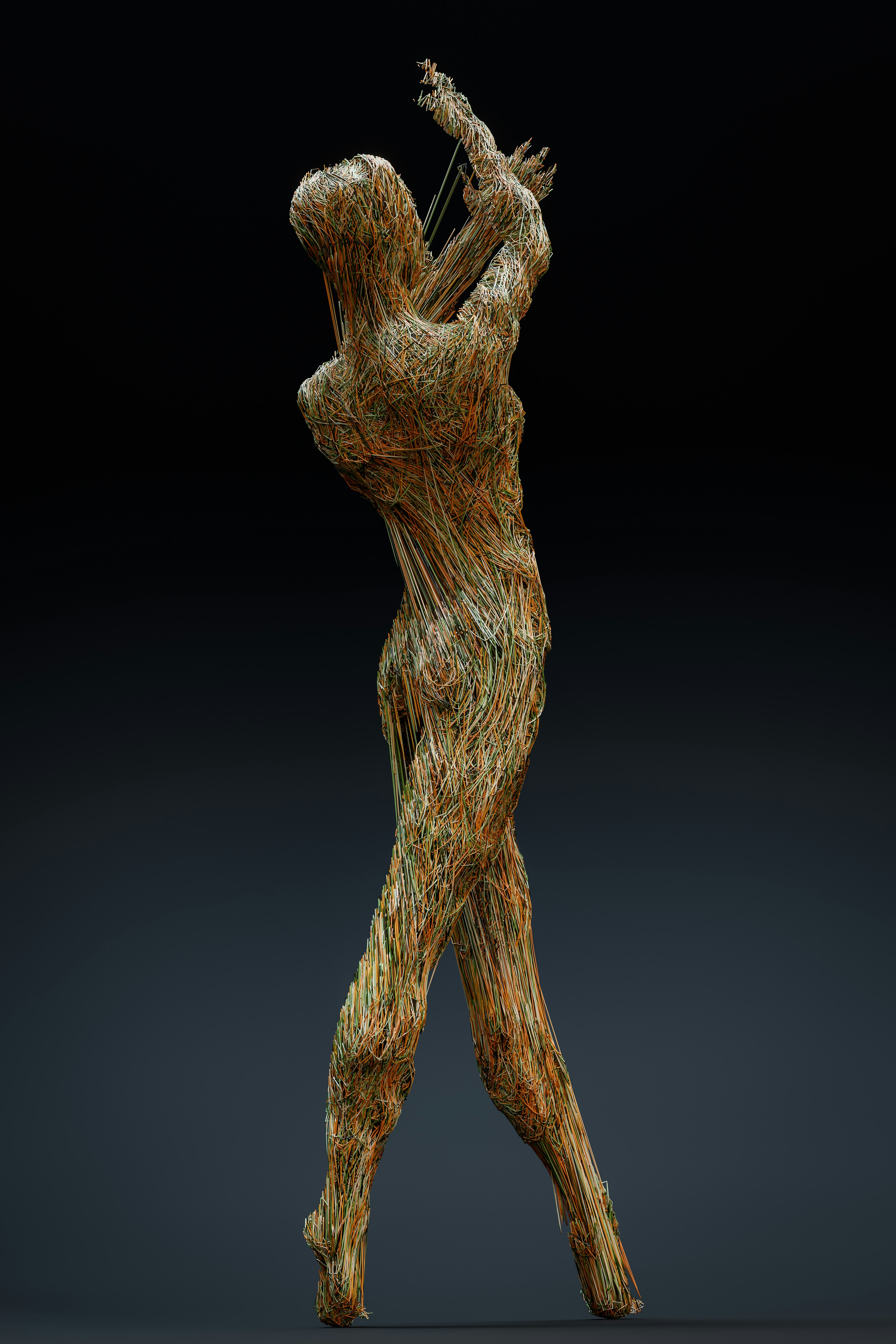
Introduction to ControlNet
ControlNet represents a significant advancement in the intersection of artificial intelligence and artistic expression, offering creators a refined mechanism to manage output in generative models. At its core, ControlNet is an innovative framework designed to regulate the behavior and outputs of neural networks, particularly those used for generating visual content. This technology allows artists to exercise greater control over the final output, ensuring that it aligns more closely with their creative vision.
The significance of ControlNet extends beyond mere functionality; it offers a structured approach to harnessing the capabilities of AI in the artistic realm. By introducing sophisticated control mechanisms, artists can manipulate various parameters to achieve desired results, thereby enhancing the overall efficiency of the creative process. ControlNet bridges the gap between raw generative capabilities of machine learning algorithms and the nuanced requirements of artistic expression.
With the rise of AI-driven tools, there is an increasing need for frameworks that allow for precise adjustments. ControlNet seamlessly integrates with existing models, providing an interface through which artists can specify details such as poses, compositions, and dynamics of movement. This targeted control empowers creators to experiment more boldly, pushing the boundaries of their art forms while maintaining a level of predictability in outcomes.
In essence, ControlNet serves as a catalyst for innovation, fostering a collaborative relationship between human creativity and machine learning technologies. As the artistic landscape continues to evolve with the adoption of AI, understanding systems like ControlNet becomes crucial. It not only enhances artistic workflows but also shapes the future dynamics of art generation, ensuring that the human touch remains at the forefront of digital creativity.
The Need for Precision in Artistic Poses
In the realm of digital art, precision is paramount, particularly when it comes to poses generated by artificial intelligence. Artists rely heavily on well-defined poses to create lifelike representations and communicate narratives effectively. Without precision, the quality of artwork diminishes, leading to unsatisfactory results. This is especially true when artists incorporate AI tools that lack the necessary controls for fine-tuning generated poses.
When using AI for pose generation, artists often encounter challenges such as unnatural body proportions or awkward positioning. These limitations can arise from the AI’s inability to interpret context accurately or understand the subtle nuances of human anatomy. As a result, artists may spend excessive time adjusting these poses manually, detracting from their creative flow. The lack of precision affects not only the efficiency of the creative process but also the integrity of the final piece.
Moreover, the discrepancies in pose accuracy can lead to miscommunication of intent within the artwork. When poses do not align with the artist’s vision or artistic style, the outcome may appear disjointed or inconsistent. Thus, establishing a reliable system for controlling and refining AI-generated poses becomes vital to maintaining artistic integrity.
Ultimately, the integration of advanced tools like ControlNet can bridge the gap between AI innovation and the need for precision in artistic expression. By allowing artists to harness AI’s capabilities while exerting control over pose accuracy, they can increase their productivity and preserve the authenticity of their work. This collaborative approach is crucial in ensuring that digital artistry continues to flourish in an era increasingly dominated by technology.
How ControlNet Works
ControlNet is a sophisticated framework designed to enhance the capabilities of generative AI models, particularly in the realm of artistic expression. At its core, ControlNet operates by integrating a specialized architectural layer that enables direct control over the pose and movements of AI-generated entities. This functionality is particularly beneficial for artists seeking to translate their visions into tangible outputs with precision.
The architecture of ControlNet employs a combination of convolutional neural networks (CNNs) and attention mechanisms, which streamline the process of pose detection and modeling. Artists can provide specific input parameters that dictate the desired pose, and ControlNet interprets these inputs through its deep learning algorithms. This allows artists to not only visualize their ideas but also manipulate the attributes of the generated forms in real time.
When an artist specifies a pose, ControlNet interprets this request and translates it into a vector representation. This transformation is critical; it bridges the gap between abstract artistic concepts and concrete, computationally defined poses. The model then utilizes this vector along with a pre-trained generative model to produce images or animations that align with the specified traits. The result is a dynamic interplay between human creativity and artificial intelligence, enabling a novel approach to digital artistry.
Moreover, ControlNet supports a variety of pose guiding techniques that cater to different artistic genres. By implementing these techniques, artists can maintain their unique styles while enjoying the benefits of AI support. Thus, artists are not merely passive users of technology but active participants in a collaborative creative process that amplifies their artistic capabilities.
Benefits of Using ControlNet for Artists
In the evolving landscape of digital art, artists increasingly seek tools that enhance their creative processes. ControlNet emerges as a powerful resource tailored to address these needs, offering a range of benefits that significantly contribute to artistic practices.
One notable advantage of utilizing ControlNet is the enhancement of creative freedom. By providing artists with advanced pose control, this technology enables them to experiment with unique poses and compositions that would be challenging to achieve manually. Artists can explore various perspectives and orientations, thereby fostering innovation and artistic exploration. This tool acts as an enabler for artists to push the boundaries of their creativity without the constraints typically associated with traditional methods.
Similarly, ControlNet improves workflow efficiency by streamlining the creative process. Artists can generate and manipulate poses rapidly, which minimizes time spent on manual adjustments. This efficiency allows artists to focus more on the delicate nuances of their work, enhancing overall productivity. Moreover, the automation of certain aspects of pose generation reduces the cognitive load, enabling artists to concentrate on the finer details of their artistic vision.
Furthermore, ControlNet allows artists to achieve desired artistic effects while preserving their unique personal style. The versatility of ControlNet ensures that artists can incorporate distinct elements that resonate with their individual aesthetics. This capability stands in stark contrast to more rigid design software, which may impose limitations on artistic expression. With ControlNet, artists can maintain their voice while leveraging the power of technology to enrich their artwork.
In summary, the integration of ControlNet into artistic practices offers profound advantages, ranging from expanded creative opportunities to enhanced efficiency and personalized expression. Embracing such innovative tools paves the way for artists to redefine their craft and explore new artistic horizons.
Case Studies: Artists Using ControlNet
ControlNet has emerged as an influential tool among various artists, enabling them to refine and enhance their creative processes through AI-powered pose control. This technology has allowed artists from different disciplines to experiment with their work, leading to innovative outcomes in visual art, animation, and performance.
One notable case study involves a digital illustrator who specializes in character design for video games. By incorporating ControlNet into her workflow, she was able to accurately capture complex poses that would have been time-consuming to create manually. The illustrator reported that using ControlNet streamlined her character creation process and allowed her to explore new artistic styles while maintaining the integrity of body dynamics. This application not only enriched her design capabilities but also improved the overall quality of her artwork.
Similarly, a contemporary dancer utilized ControlNet to choreograph intricate dance sequences. By analyzing and manipulating pose data through the software, the dancer could visualize movements in real-time and adjust them as needed. This integration led to a groundbreaking performance that combined traditional dance with emerging digital art forms. The audience experienced an immersive display where the dancer’s movements were captured and represented via AI-generated visuals that complemented the physical choreography.
Furthermore, a visual artist engaging in mixed media projects adapted ControlNet for creating installation art. By controlling poses of robotic sculptures through AI, he was able to craft performances that reacted to the surrounding environment. This melding of machine and creativity showcased ControlNet’s versatility beyond conventional art, highlighting its potential in interactive installations.
These real-world examples exemplify how artists across diverse fields are harnessing ControlNet to transform their practices, paving the way for new forms of expression and collaboration between human creativity and artificial intelligence.
Comparison with Other AI Pose Tools
In the evolving landscape of artificial intelligence in art, several tools have emerged to assist artists with pose generation. Among these tools, ControlNet stands out due to its innovative features and user-centric design. Other popular tools, such as PoseNet and DAZ 3D, have made significant contributions to the field, yet they often exhibit limitations that ControlNet effectively addresses.
PoseNet, for instance, is well-known for its capability in real-time human pose detection. While it can generate a basic skeletal structure, it lacks the nuanced control that artists often require. Artists frequently face challenges when they wish to adjust specific joints or limbs, leading to frustrating limitations in creativity. Conversely, ControlNet provides a more intuitive interface, allowing artists to manipulate poses with precision, ensuring that the generated figures resonate with their artistic vision.
Another notable competitor is DAZ 3D, which offers an extensive library of pre-built poses. Although DAZ 3D excels in providing intricate character models and environments, its reliance on a library can hinder spontaneity. Artists may find themselves constrained by pre-existing options that do not fully align with their creative intentions. ControlNet, however, prioritizes flexibility by enabling users to create custom poses through an advanced AI framework, enhancing both originality and artistic expression.
Moreover, ControlNet’s integration with various art software platforms further distinguishes it from its competitors. This functionality allows artists to easily incorporate AI-generated poses into their workflow, making it a go-to choice for those seeking seamless integration and efficiency. By optimizing the creative process, ControlNet empowers artists to push the boundaries of their imagination, ultimately reinforcing its reputation as a leading tool in pose generation technology.
Future of ControlNet and AI in Art
The future of ControlNet and similar artificial intelligence technologies in the world of art is poised for significant advancements that could reshape the creative landscape. As artists increasingly integrate AI tools into their workflows, the implications for artistic expression and the broader creative process will become increasingly pronounced. ControlNet exemplifies the potential for AI to offer unprecedented levels of customization and control, granting artists the ability to manipulate poses and scenes with remarkable precision.
In the coming years, we can expect further enhancements in AI algorithms that underpin these tools, enabling even more nuanced and intelligent responses to artistic intent. Advances in machine learning will likely allow AI systems to learn from a broader array of styles and techniques, ultimately enriching the resources available to artists. These systems will not only provide suggestions based on historical data but will also adapt to the individual artist’s previous works, fostering a more collaborative synergy between human creativity and machine learning capabilities.
Moreover, the accessibility of AI-driven tools like ControlNet may democratize the art world, enabling emerging artists to develop their skills and express their visions without the traditional barriers associated with art creation. As this technology matures, it is conceivable that AI could play a role in interactive installations and dynamic art forms, offering audiences a participatory experience that transcends passive viewing.
However, a crucial aspect of the future of AI in art will be the ongoing discourse regarding the ethical implications and authenticity of AI-generated art. Artists, critics, and technologists must collaboratively navigate these considerations to ensure that the incorporation of AI enhances rather than diminishes the artistic experience. Thus, the future of ControlNet and AI in art holds the promise of innovation and transformation, while also necessitating a thoughtful approach to the evolving relationship between creators and technology.
Challenges and Limitations of ControlNet
While ControlNet offers numerous advantages in the realm of AI-powered art creation, it is not without its challenges and limitations. One of the primary issues that users may encounter is the inherent complexity of the system. The setup and configuration require a certain level of technical competency, which may pose a barrier for novice users. Artists who lack extensive experience with AI tools may find it daunting to navigate the intricate settings that ControlNet necessitates for optimal results.
Additionally, there are concerns regarding the accuracy of the generated poses. Although ControlNet utilizes sophisticated algorithms to understand and interpret various pose inputs, it is not infallible. The technology may struggle with more complex or unconventional poses, which can lead to unsatisfactory outputs. Consequently, artists striving for precision in their work may need to invest extra time in refining the poses or engaging in extensive trial and error.
Moreover, there are limitations concerning the diversity of outputs. While ControlNet is designed to assist artists in generating poses easily, the system may inadvertently produce a limited range of styles or interpretations. This restriction can stifle creativity for artists seeking a more unique representation in their work. The standardization of outputs could lead to a dilution of individual artistic expression, posing a challenge for those who prioritize originality.
Furthermore, while ControlNet enhances workflow speed, it raises questions about the role of human creativity in the artistic process. The reliance on AI for pose generation may lead to concerns about the authenticity and integrity of art created with such tools. Artists may grapple with the balance between utilizing AI efficiencies and preserving their creative agency, ultimately requiring a thoughtful approach to integration.
Conclusion
Throughout this discussion, we have explored the significant impact of ControlNet on artistic expression. This innovative tool provides a unique way for artists to gain enhanced control over their creative process, particularly in regards to pose manipulation in their artwork. By utilizing AI technology, ControlNet offers a multitude of options that allow creators to visualize complex poses with precision. This capability not only streamlines the drafting process but also opens a myriad of possibilities for experimentation.
Moreover, the integration of ControlNet into artistic practices empowers creators to push the boundaries of their creativity. Artists who previously might have faced challenges in accurately depicting movement or emotion within their work can now leverage this technology to achieve results that align more closely with their artistic vision. The software’s ability to generate and adjust poses dynamically fosters an environment where artists can freely explore new concepts without the limitations often imposed by traditional methods.
Furthermore, as artists engage with tools like ControlNet, they find themselves at the intersection of technology and creativity. This blend encourages not just personal growth but a broader evolution within the art community as a whole. By embracing AI-powered solutions, artists can redefine their techniques and challenge conventional norms, leading to a richer and more diverse creative landscape.
In conclusion, ControlNet stands as a testament to the transformative potential of technology in the realm of artistic expression. It serves as both an aid and an inspiration, allowing artists to expand their skill sets, experiment fearlessly, and ultimately, create art that resonates on multiple levels. As we look to the future, it is evident that such advancements will play a pivotal role in the evolution of artistic practices across disciplines.