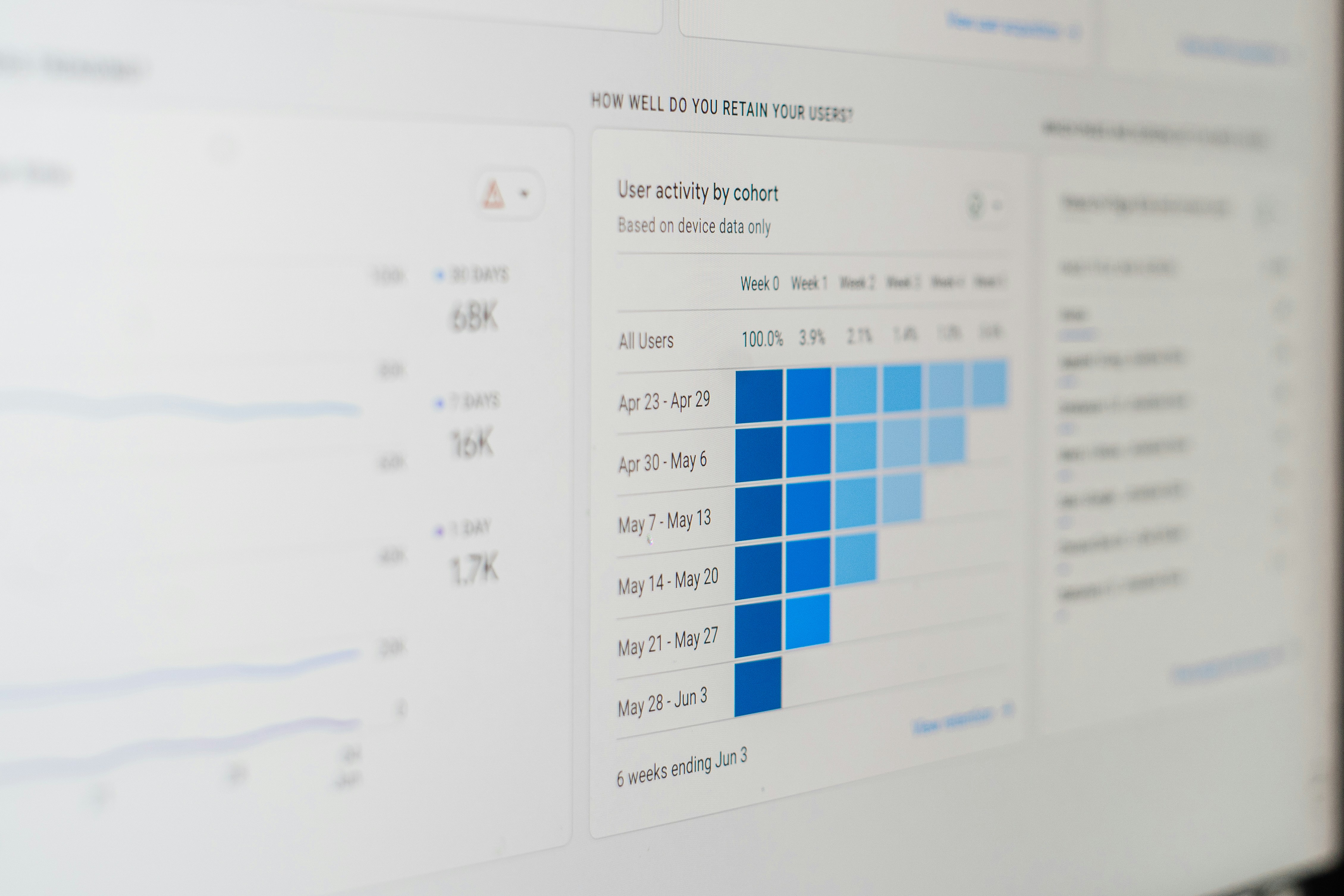
Introduction to Predictive Churn Analysis
Predictive churn analysis is a critical component in understanding customer behaviors and enhancing business sustainability. At its core, this technique involves using data analysis methodologies to forecast which customers are likely to discontinue their relationship with a company. As businesses continuously seek ways to grow and maintain a competitive edge, grasping the importance of customer retention becomes vital.
Understanding and preventing customer churn is not merely about keeping existing customers; it directly impacts a company’s profitability and overall growth trajectory. High churn rates can lead to significant financial losses, which is why analyzing the factors contributing to customer attrition is paramount. Through predictive analytics, organizations can gain insight into customer patterns and behaviors, thereby enabling them to address potential issues before they escalate into actual churn.
Adopting a predictive approach allows companies to identify at-risk customers based on various factors, including purchasing behavior, engagement levels, and demographic data. This proactive methodology facilitates targeted interventions, potentially retaining customers who may otherwise leave. By employing machine learning algorithms and statistical techniques, businesses can create risk profiles for their customers, tailoring marketing strategies and customer service efforts to meet the needs of those identified as being most likely to churn.
The implications of effectively employing predictive churn analysis are significant. Companies that successfully minimize churn can see not only improved customer lifetime value but also a strengthened brand loyalty and enhanced customer satisfaction. Ultimately, predictive analytics serves as a powerful tool in optimizing customer retention strategies, fundamentally contributing to a firm’s bottom line.
Understanding Customer Churn
Customer churn refers to the phenomenon where customers cease their relationship with a company or switch to a competitor. Understanding customer churn is crucial for businesses as it directly impacts profitability and long-term growth. Churn can be categorized into two main types: voluntary and involuntary churn. Voluntary churn occurs when customers choose to leave, often due to dissatisfaction or better offers from competitors. Involuntary churn, on the other hand, typically arises from factors beyond the customer’s control, such as credit card expiration, failure to pay, or service area changes.
Several factors contribute to customer churn. One of the primary drivers is poor customer experience. If customers do not feel valued, supported, or understood, they are more likely to abandon a service or product. This can stem from long wait times, unhelpful customer service interactions, or a lack of engaging content. Furthermore, a company that fails to address customer feedback or improve its offerings may lose its customer base to competitors who do provide attentive service.
Competition also plays a vital role in churn analysis. As new businesses enter the market or existing companies expand their offerings, customers may feel tempted to explore alternative options that better meet their needs. This is particularly relevant in saturated markets where consumers have numerous choices. Additionally, changing customer needs and preferences can lead to churn. Over time, customer expectations evolve, and if a company does not adapt, it risks losing clients who seek more relevant or modern solutions.
In summary, understanding the nuances of customer churn is essential for companies aiming to maintain their market position. By acknowledging the different types of churn and the various factors driving customers away, businesses can develop targeted strategies to enhance customer retention and improve overall satisfaction.
Role of AI in Predictive Analytics
Artificial intelligence (AI) plays a pivotal role in enhancing predictive analytics, particularly in the realm of customer churn analysis. By utilizing advanced machine learning models and algorithms, companies can extract meaningful insights from historical data, enabling them to predict customer behavior with greater accuracy. These predictive models are crucial for organizations aiming to identify customers who may be at risk of disengagement.
One of the primary techniques employed in predictive analytics is supervised learning, where historical data is utilized to train models. Algorithms such as logistic regression, decision trees, and neural networks are commonly used to classify customers based on their likelihood of churning. For instance, logistic regression provides a statistical framework for estimating the probability of a customer remaining loyal to a brand, while decision trees offer a transparent visualization of the decision-making process based on various customer attributes.
Moreover, unsupervised learning methods, such as clustering, can help identify distinct customer segments within a dataset. By grouping similar customers, companies can focus their retention strategies more effectively. For example, k-means clustering can segment customers based on behavioral patterns, allowing businesses to tailor their engagement efforts. Additionally, random forests, an ensemble learning method, enhance predictive accuracy by combining multiple decision trees to reduce overfitting.
Furthermore, AI-powered analytics tools continuously learn from ongoing interactions, refining their predictions as new data streams in. This adaptability ensures that companies remain agile in their response to changing customer dynamics. By harnessing the capabilities of AI in predictive analytics, organizations can proactively address customer churn, leading to improved retention and ultimately, increased profitability.
Data Collection for Churn Analysis
Effective churn analysis hinges on the quality and variety of data collected by companies. This data encompasses several dimensions, including customer demographics, transaction history, engagement metrics, and customer feedback. Each category provides critical insights that contribute to understanding customer behavior and predicting potential churn.
Customer demographic information forms the foundational layer of data collection. This includes age, gender, location, income level, and other relevant traits. Analyzing these attributes helps companies identify patterns in churn rates linked to specific customer segments. For instance, if a certain age group shows higher dropout rates, targeted interventions can be developed to retain them.
Transaction history is another key component. It includes records of purchase frequency, average order value, and seasonality in buying patterns. By examining this data, companies can assess customer loyalty and predict when a customer may begin to disengage based on previous purchasing trends. For instance, a decline in purchase frequency can serve as a warning signal for impending churn.
Engagement metrics further enrich the data landscape. This includes tracking user interaction with the company’s website, social media profiles, and apps. Metrics such as time spent on site, frequency of logins, and participation in loyalty programs can reveal how engaged a customer is with the brand. High engagement rates typically correlate with lower churn rates, making this data invaluable for predicting which customers are at risk.
Lastly, customer feedback—whether through surveys, reviews, or direct communication—offers qualitative insights into customer sentiments. This data is essential for understanding customer satisfaction and identifying specific pain points that may lead to churn. Collectively, these data types converge to form a robust dataset that fuels AI models, enabling companies to make informed predictions about churn and design proactive retention strategies.
Building Predictive Models
Building predictive models for churn analysis utilizing artificial intelligence involves a systematic approach that emphasizes a few critical steps. The first step is data preparation, which is fundamental to ensuring that the predictive model is both accurate and robust. This process includes gathering historical customer data, which typically comprises demographic details, customer interactions, transaction history, and feedback. Once the data is collected, it must be cleaned and transformed to eliminate inaccuracies and inconsistencies that may negatively impact model performance.
Following data preparation, the next step is feature selection. This involves identifying the relevant factors that contribute to customer churn. Features might include customer engagement levels, time spent on the platform, and previous purchase patterns. Selecting the right features allows the model to focus on the most impactful variables, thereby improving predictive accuracy. Techniques such as correlation analysis and recursive feature elimination can assist in this phase to ascertain which features to retain.
Once the features have been selected, the model enters the training phase. Here, various machine learning algorithms can be applied, including decision trees, logistic regression, and neural networks. The choice of algorithm may depend on the nature of the data and the specific requirements of the business. The model is trained using a portion of the dataset, allowing it to learn patterns and relationships that predict churn effectively.
Finally, validation is imperative to gauge the model’s effectiveness. During this phase, the model is tested on a separate portion of the dataset not used during training. Validation metrics such as accuracy, precision, and recall are assessed to ensure that the model is reliable and capable of successfully predicting customer churn. By meticulously following these steps, companies can build predictive models that inform their retention strategies and ultimately enhance customer loyalty.
Interpreting AI Predictions
As companies increasingly adopt AI for predictive churn analysis, effectively interpreting these predictions becomes crucial for deriving actionable insights. AI models typically output probability scores indicating the likelihood of a customer leaving. Understanding these scores is the first step in utilizing AI predictions to formulate strategies aimed at reducing churn rates.
To analyze model outputs, companies should begin by identifying the key features influencing predictions. Most AI models provide explanations for their predictions through methods such as SHAP (SHapley Additive exPlanations) values or LIME (Local Interpretable Model-agnostic Explanations). These techniques shed light on which variables, such as customer engagement metrics or purchase history, play a significant role in determining churn likelihood. By recognizing these features, businesses can prioritize their efforts on specific areas that impact customer retention.
Further, understanding the probability scores is essential in segmenting customers based on their risk of churn. For instance, customers with a score above a certain threshold may warrant immediate intervention, such as targeted marketing campaigns or personalized outreach. Conversely, those with lower risk scores may suggest opportunities for upselling or cross-selling without concern for immediate churn.
Translating these predictions into actionable strategies involves collaboration between data analysts and marketing teams. By working together, they can turn data-driven insights into practical initiatives, such as enhancing customer experience, offering loyalty rewards, or providing personalized recommendations. Continuous monitoring and adjustment of these strategies based on ongoing data analysis can lead to more effective churn reduction efforts over time.
In conclusion, effectively interpreting and utilizing AI predictions in churn analysis not only enhances customer retention strategies but also enables organizations to better allocate their resources, ultimately leading to improved customer satisfaction and loyalty.
Implementing Retention Strategies
In the context of predictive churn analysis, implementing effective retention strategies is imperative for companies aiming to maintain their customer base. By understanding the factors that contribute to customer attrition, businesses can adopt tailored approaches that address the specific needs and preferences of their clientele.
One prominent strategy is utilizing personalized marketing campaigns. Companies like Netflix and Amazon leverage data analytics to segment their customer base effectively. By analyzing user behavior, these organizations have been able to recommend content or products that users are more likely to engage with. This approach not only enhances customer satisfaction but also reduces the risk of churn, as customers feel a sense of individual attention and relevance in their marketing experience.
Improved customer service also plays a crucial role in mitigating churn. For instance, Zappos has built a reputation for exceptional customer support that focuses on resolving issues speedily and empathetically. By analyzing predictive churn data, Zappos is able to identify customers who may require additional support and proactively engage with them. This strategy fosters loyalty and encourages customers to continue their relationship with the brand.
Loyalty programs are another effective retention strategy shaped by insights gained from predictive churn analysis. Starbucks, for example, employs its rewards program to incentivize repeat purchases by offering points for every transaction. The data collected through the program allows Starbucks to tailor promotions, ensuring that they resonate with the interests of loyal customers. Such programs not only help in retaining existing customers but also attract new ones through word-of-mouth referrals.
By leveraging predictive churn analysis, companies can craft and implement retention strategies that resonate with their target demographics. These approaches, such as personalized marketing, enhanced customer service, and loyalty initiatives, have proven successful for various organizations, highlighting the importance of data-driven decision-making in retaining valuable customers.
Measuring Success and Continuous Improvement
To effectively measure the success of churn reduction strategies, companies must identify clear key performance indicators (KPIs) that align with their specific objectives. These KPIs act as benchmarks, allowing organizations to ascertain the efficacy of their initiatives aimed at reducing customer churn. Typical metrics include churn rate, customer lifetime value (CLV), customer satisfaction scores (CSAT), and retention rates, among others. By analyzing these metrics pre- and post-implementation, businesses can gain insights into whether their approaches are yielding the desired results.
Moreover, the integration of AI in predictive churn analysis provides a robust framework for continuous improvement. Businesses can leverage machine learning algorithms to not only identify at-risk customers but also to forecast future churn trends based on various factors such as customer behavior, engagement levels, and demographic data. Through ongoing evaluations and data collection, organizations can refine their predictive models, enhancing accuracy and responsiveness to changing customer needs.
It is also crucial for companies to adopt an agile approach when evaluating their churn reduction strategies. This can include A/B testing different initiatives, soliciting customer feedback, and iteratively adjusting tactics based on data-driven insights. For instance, if initial retention strategies do not appear effective, companies might explore alternative channels or offer targeted incentives to specific customer segments identified as being prone to churn. By fostering a culture of experimentation and adaptation, organizations can maintain a proactive stance in mitigating churn.
Ultimately, successful churn reduction is not a one-time effort but an ongoing process. Companies that prioritize continual assessment and optimization of their predictive models and strategies will be best positioned to engage customers effectively and enhance loyalty over time.
Future Trends in AI and Predictive Churn Analysis
As the landscape of artificial intelligence (AI) continues to evolve, its application in predictive churn analysis is experiencing transformative advancements. Businesses are increasingly adopting AI technologies to analyze customer data more effectively, enabling them to predict churn before it occurs. One significant trend is the rise of real-time analytics. Companies are leveraging AI to process and analyze data instantaneously, allowing them to react promptly to potential churn signals. This near-instantaneous insight is critical, as it empowers organizations to craft targeted interventions, enhancing customer retention efforts.
Additionally, the integration of AI with other emerging technologies is paving the way for more sophisticated predictive analytics solutions. For example, the convergence of AI and the Internet of Things (IoT) facilitates the gathering of extensive customer behavior data. This combination provides a richer dataset for AI models, leading to more accurate predictions regarding customer churn. By employing machine learning algorithms that can continuously learn and adapt, businesses can refine their churn management strategies, ensuring they resonate with customer needs.
Another noteworthy advancement involves the implementation of advanced natural language processing (NLP) tools that can analyze customer feedback from various sources, such as social media and review platforms. This functionality allows companies to gauge sentiment and catch early signs of dissatisfaction, offering a proactive rather than reactive approach to churn management.
To remain competitive, organizations must stay abreast of these innovations, investing in AI solutions that not only enhance their predictive analytics capabilities but also integrate seamlessly into their existing systems. As consumer expectations evolve, those companies that harness the full potential of AI for predictive churn analysis will position themselves to foster stronger customer relationships and drive sustained business growth.