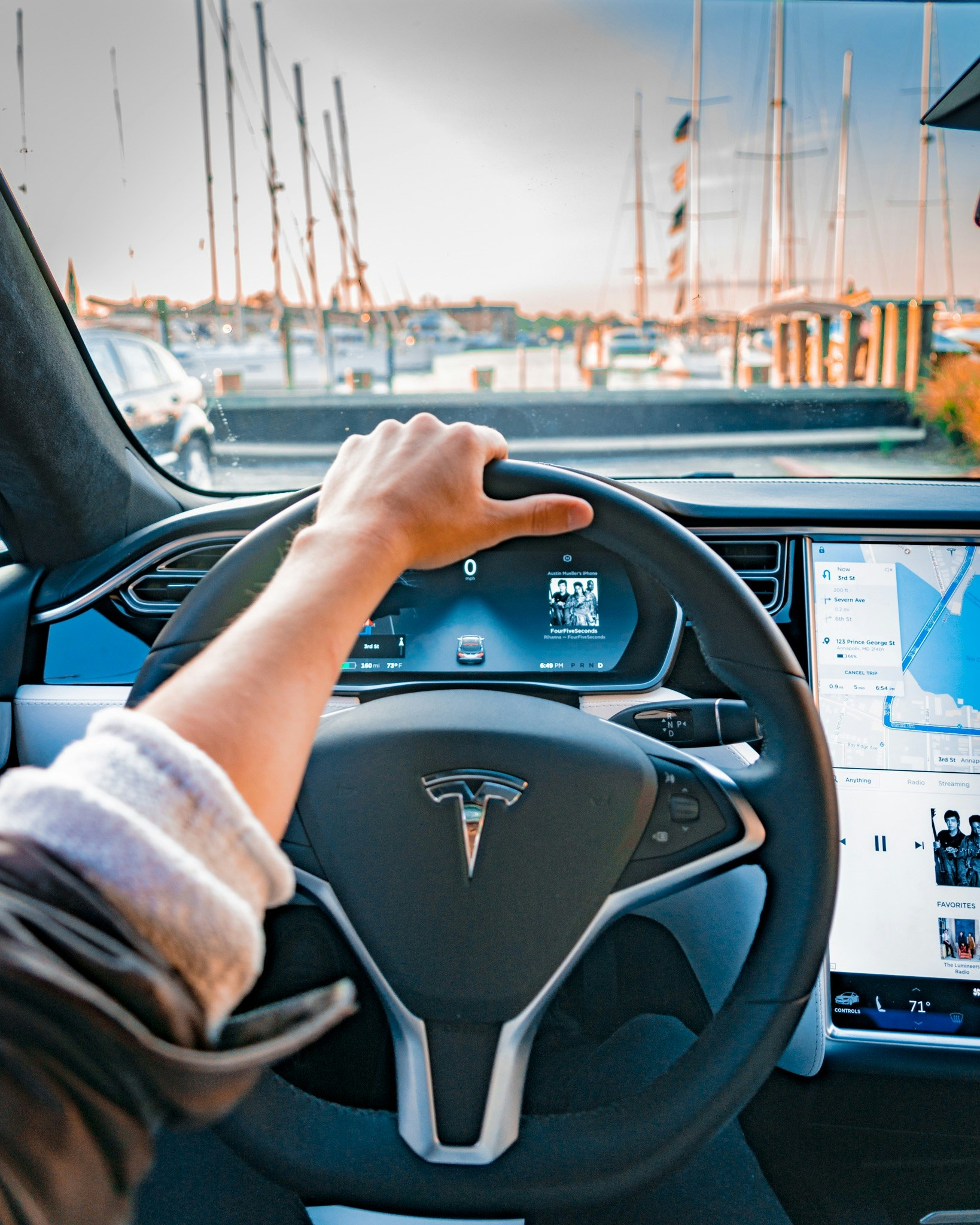
Introduction to Tesla’s Autopilot and Its Impact
Tesla’s Autopilot feature represents a revolutionary leap in the realm of autonomous driving technology. Introduced to enhance the driving experience, Autopilot is designed to assist drivers by enabling a range of functionalities including adaptive cruise control, lane-keeping assistance, and automatic lane changes. This advanced driver-assistance system (ADAS) integrates machine learning algorithms and numerous sensors to facilitate semi-autonomous driving capabilities, positioning Tesla at the forefront of automotive innovation.
As the automotive industry steadily shifts towards automation, the implications of such technology extend beyond convenience and efficiency; they raise critical discussions surrounding liability and responsibility in the event of accidents or malfunctions. With increasing reliance on automation, the question arises: who is held accountable when an unforeseen incident occurs? This predicament is particularly pronounced with Tesla’s Autopilot, as its branding and marketing often lead consumers to perceive it as fully autonomous when, in reality, it requires constant driver supervision.
The significance of Tesla’s Autopilot goes beyond its technological achievements. It has catalyzed a broader societal conversation regarding the ethical dimensions of AI and its legal ramifications. As state and federal regulations attempt to catch up with rapid technological advancements, there is a growing necessity to understand how liability laws will evolve to address potential mishaps linked to AI-driven vehicles. Tesla’s Autopilot has not only set a commercial benchmark for the future of driving but has also become a pivotal player in discussions on the legal landscape surrounding AI liability.
The Evolution of Autonomous Vehicles
The development of autonomous vehicles has undergone significant transformation over the past several decades. Early efforts in self-driving technology can be traced back to the mid-20th century, when researchers began experimenting with the integration of sensors and basic computing systems. However, these early prototypes faced numerous challenges, such as limited processing power and inadequate sensor technology, leading to performance issues and public skepticism.
As technology advanced, particularly in the fields of artificial intelligence (AI) and machine learning, the possibilities for autonomous driving began to expand. The introduction of sophisticated sensors, such as Lidar and advanced cameras, allowed for improved environmental understanding and navigation. These technological advancements laid the groundwork for more autonomous features in vehicles, making them more reliable and effective than ever before.
The arrival of Tesla’s Autopilot represents a pivotal moment in the evolution of autonomous vehicles. Launched in the mid-2010s, Autopilot incorporates an array of features aimed at facilitating semi-automated driving, including adaptive cruise control and lane-keeping assistance. This innovation significantly shaped public perception of self-driving technology, fostering a sense of excitement and accelerated expectations regarding the capabilities of autonomous vehicles. Consumers’ awareness grew, leading to increased public discourse about the future of transportation and the potential integration of AI in everyday life.
Despite an undeniable progression in the autonomous vehicle landscape, previous attempts had varying degrees of success. Companies such as Waymo and General Motors have made notable strides, yet challenges remain. Issues surrounding regulatory frameworks, safety protocols, and public acceptance continue to pose hurdles. Ultimately, the evolution of autonomous vehicles reflects a complex interplay of technological innovation, societal acceptance, and ongoing debates about liability and safety as we move toward an increasingly automated future.
Understanding AI Liability: Legal Definitions and Frameworks
The emergence of artificial intelligence (AI) technologies, particularly those applied in autonomous vehicles like Tesla’s Autopilot, raises complex legal issues regarding liability. To navigate this landscape, it is crucial to understand key legal definitions and frameworks pertinent to AI. At the core of these discussions is the concept of negligence, which refers to the failure to exercise the care that a reasonably prudent person would exercise in similar circumstances. In the context of autonomous vehicles, determining negligence involves assessing whether the AI system operated safely, met industry standards, and adhered to regulations in place.
Another significant concept is product liability, which holds manufacturers accountable for defects or harm caused by their products. In cases involving AI technologies, the question arises: who is liable when an autonomous vehicle malfunctions or causes an accident? Liability may rest with the manufacturers of the AI software, the vehicle producers, or even the operators, depending on the circumstances surrounding the incident. This complexity further complicates existing legal frameworks that were not originally designed to address AI-related issues.
Current legal frameworks governing accidents involving autonomous vehicles vary widely across jurisdictions. In some regions, laws may be evolving to explicitly address the role of AI in vehicle operation, while other areas may rely on traditional negligence and product liability principles. One of the main challenges faced is adapting these frameworks to accommodate the unique characteristics of AI, including its learning capabilities and decision-making processes, which can differ significantly from human behavior. This shift necessitates ongoing dialogue among legal experts, industry leaders, and regulators to ensure a comprehensive understanding of AI liability within the realm of autonomous technologies.
Case Studies: Tesla Accidents and Legal Implications
In recent years, the deployment of Tesla’s Autopilot has sparked a variety of incidents that raise important legal questions regarding liability and accountability in the realm of artificial intelligence (AI). Several notable accidents involving Tesla vehicles utilizing Autopilot have been documented, leading to legal scrutiny and investigations. These cases serve as crucial touchpoints for understanding how the law interacts with emerging technologies.
One high-profile incident occurred in 2016, when a Tesla Model S collided with a tractor-trailer. The National Highway Traffic Safety Administration (NHTSA) later reported that the Autopilot feature was engaged at the time of the accident. In assessing liability, questions arose about whether the responsibility lay with the vehicle manufacturer, Tesla, or with the driver who maintained ultimate control of the vehicle. The case highlighted the complexities of establishing clear accountability in situations where AI systems are involved.
Another pertinent case occurred in 2019 when a Tesla Model 3 crashed into a stationary fire truck while on Autopilot. The driver claimed the vehicle failed to respond to the emergency vehicle. This incident prompted further scrutiny of Tesla’s Autopilot system and the company’s marketing of its capabilities. As legal scholars examined this case, concerns emerged about how existing laws apply to AI-driven vehicles, emphasizing a need for potential regulatory reforms to clarify liability.
These instances illustrate the evolving landscape of liability in the context of autonomous technologies. The incidents have spurred discussions among legal experts about whether current regulatory frameworks are equipped to handle the unique challenges posed by AI systems. This evolving dialogue is essential as more manufacturers develop AI-driven vehicles, shaping future legislation that defines roles in liability more clearly.
The Role of Consumer Expectations and Information
The advent of Tesla’s Autopilot has significantly reshaped consumer expectations regarding autonomous vehicle technology. As Tesla actively markets its Autopilot system, portraying it as a convergence of safety and technological advancement, consumers often develop inflated perceptions of its capabilities. Media portrayals further contribute to this narrative, sometimes overselling the potential of such technologies without adequately addressing their limitations. This unbalanced portrayal raises critical concerns about informed consumer consent in relation to legal liability.
Consumers’ perceptions are crucial when evaluating the legal implications of accidents involving autonomous vehicles. If users believe that Autopilot can fully replace manual driving or ensure complete safety, they may be less cautious while using the system. Consequently, this misalignment between consumer expectations and the actual functionality of the technology could influence liability determinations in the event of an accident. Questions arise regarding whether consumers are adequately informed about the boundaries of Autopilot, which is designed to assist rather than replace human drivers.
Moreover, legal discourse surrounding AI liability highlights the necessity for transparency from manufacturers like Tesla. Providing clear and comprehensive information about the functionality and limitations of Autopilot is essential to prevent misconceptions. Additionally, manufacturers have a responsibility to educate consumers about engaging with such technologies safely. The potential for miscommunication, or lack of communication, may affect consumer behavior and consequently influence the legal landscape surrounding liability in cases of accidents.
In this context, understanding how consumer expectations shape legal discourse helps legislators, courts, and manufacturers navigate the evolving landscape of AI liability. Therefore, striking a balance between innovation and consumer education is vital to ensure a well-informed user base capable of safely interacting with emerging technologies like Tesla’s Autopilot.
Regulatory Responses to Autonomous Driving Technology
The emergence of autonomous driving technology has prompted significant scrutiny and response from regulatory bodies across various jurisdictions. Governments worldwide are grappling with the implications of self-driving vehicles on safety, liability, and overall public welfare. As these technologies become prevalent, the need for robust legislative frameworks has never been more apparent.
One of the primary challenges faced by regulators is establishing clear guidelines for the operational standards of autonomous vehicles. This includes determining the extent of automation permissible on public roads, ensuring vehicles meet safety benchmarks, and understanding the technology’s evolving capabilities. In the United States, the National Highway Traffic Safety Administration (NHTSA) has started issuing guidance and frameworks focusing on voluntary safety self-assessments for manufacturers. This approach fosters innovation while encouraging transparency regarding the safety and functionality of their autonomous systems.
Furthermore, legal systems are examining how existing laws apply to AI-driven vehicles. Traditional liability laws may not be sufficient in scenarios where an automated system is involved. As such, legislators are exploring options for adjusting liability frameworks that address the unique challenges of accidents involving autonomous vehicles. Innovations in liability insurance are also being considered, necessitating new models that account for the complexities of AI decision-making processes.
Internationally, regions like the European Union have initiated its review of regulatory measures pertaining to self-driving technology. The EU is focusing on comprehensive safety standards while considering ethical implications related to algorithmic decision-making. These efforts not only signify a shift toward managing the legal discourse surrounding AI liability but also highlight the global inclination towards harmonizing regulations that govern autonomous technologies.
Impact of AI Liability on Future Technology Development
The emergence of advanced AI systems, particularly in the automotive sector, has sparked significant discussions around legal liability. As companies like Tesla introduce sophisticated features such as Autopilot, the legal framework surrounding AI liability becomes increasingly pivotal. Understanding this framework is crucial for how manufacturers and consumers will navigate the evolving landscape of automotive technology.
Legal liability for AI technologies has the potential to both encourage and inhibit innovation. On one hand, clear liability guidelines can foster transparency and accountability, motivating companies to invest in research and development. When automakers understand their legal responsibilities, they may be more inclined to pursue groundbreaking advancements, knowing the implications of their innovations within a defined legal context. This proactive approach can lead to not only improved safety features but also a stronger consumer trust in AI technologies.
Conversely, the threat of stringent legal consequences may deter manufacturers from developing new technologies. If companies feel that the risk of litigation outweighs the benefits of innovation, they may opt for a more conservative approach in their product offerings. This hesitancy can subsequently slow the pace of advancement in AI technologies, limiting opportunities for growth and enhancement in the automotive industry.
The ongoing dialogue around AI liability thus plays a crucial role in shaping the future technological landscape. As laws evolve, stakeholders from automakers to consumers must navigate the complexities of liability and innovation. Striking a balance between pioneering advancements and maintaining public safety is essential for the sustained progress of AI in the automotive sector, ensuring that innovations ultimately serve to enhance both driver and passenger experiences.
Ethical Considerations in AI Liability
The introduction of autonomous driving technology, particularly through Tesla’s Autopilot, has sparked crucial discussions on the ethical ramifications of AI liability. One of the primary considerations in this discourse is the moral responsibility shared among manufacturers, developers, and consumers when these advanced systems fail. As AI continues to permeate our daily lives, the implications of its shortcomings become ever more significant, prompting a need for clear ethical frameworks.
Manufacturers play a pivotal role in this conversation. They are accountable for designing and testing AI systems that prioritize safety and reliability. It raises ethical questions regarding the level of diligence and transparency expected in their development processes. Should manufacturers be held liable for accidents caused by malfunctions that stem from design flaws? The crux of these debates rests on whether companies have adequately informed users about the limitations of their technology and provided suitable safety measures.
Additionally, developers are faced with ethical dilemmas when programming algorithms that dictate behavior in complex scenarios. The question arises as to what extent developers should prioritize various ethical considerations, such as prioritizing passenger safety over the safety of others on the road. These decisions reflect underlying moral frameworks and pose significant challenges in instances where the AI must choose between competing ethical considerations.
Consumers, on the other hand, have a responsibility to remain informed and judicious in their use of autonomous driving technology. The ethical implications extend to how users interact with these systems and their expectations regarding technology. Are consumers adequately aware of the technology’s limitations? Greater public understanding is essential to navigate the complex landscape of AI liability.
In summary, the integration of AI in vehicles necessitates a careful examination of ethical considerations surrounding liability. Addressing these ethical challenges is essential to foster trust in autonomous driving systems while ensuring accountability across the board.
Conclusion: The Road Ahead for AI Liability
The discussions surrounding Tesla’s Autopilot feature have significantly influenced the legal discourse on artificial intelligence liability, especially in the context of autonomous vehicles. As these technologies evolve and become more integrated into our daily lives, it is critical for stakeholders in both the automotive and technology sectors to understand the implications of AI liability. The incidents involving Tesla’s self-driving capabilities have raised essential questions regarding the responsibilities of manufacturers, software developers, and consumers, highlighting the need for clear legal frameworks.
One of the key takeaways from the current landscape is the recognition that traditional legal standards are often inadequate when applied to the complexities of AI systems. For instance, determining liability in cases where an autonomous vehicle is involved in an accident presents unique challenges that require a re-evaluation of existing laws. This will necessitate collaborative efforts among policymakers, legal experts, and industry leaders to create regulations that adequately address and allocate responsibilities.
Furthermore, as autonomous vehicles become more prevalent, the potential for litigation may increase, prompting businesses to invest in robust risk management and compliance strategies. The future of AI liability will likely hinge on precedent-setting cases that will serve as benchmarks for determining accountability. Stakeholders must remain vigilant and proactive in their approach, as the legal landscape is continually shifting in response to the rapid advancements in AI technology.
In summary, understanding the future of AI liability, particularly concerning autonomous vehicles, is essential for all parties involved. As legal systems catch up to technological advancements, a framework that promotes safety, accountability, and innovation will be crucial in fostering public trust in autonomous systems and their broader application across various sectors.