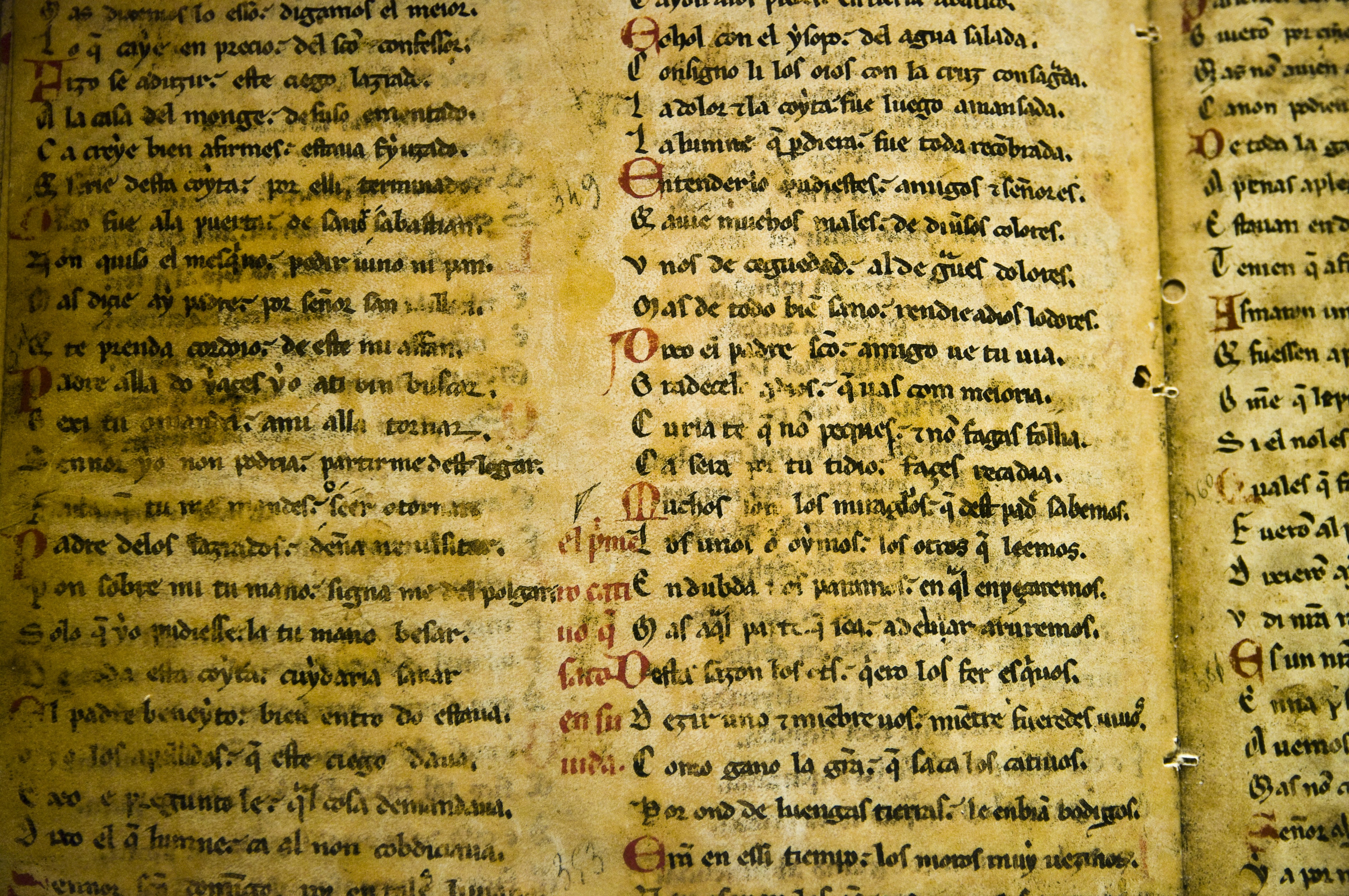
Introduction to the Herculaneum Papyri
The Herculaneum Papyri are a collection of ancient texts discovered in the early 18th century in the vicinity of Herculaneum, a Roman town that was tragically engulfed by the eruption of Mount Vesuvius in 79 AD. These scrolls, believed to be associated with the Epicurean philosophy, were found in a villa that is thought to have belonged to Lucius Calpurnius Piso, a notable figure of the time. Their accidental preservation beneath layers of volcanic ash and debris offers a rare glimpse into the intellectual life of the Roman elite and the literary culture of the period.
The significance of the Herculaneum Papyri cannot be overstated. They are among the few surviving writings from antiquity that provide insights into various topics, including philosophy, literature, and science. With most other works from this era lost to time, these scrolls present a unique opportunity for historians and scholars to explore the philosophical doctrines, ideas, and cultural contexts of the past. The Epicurean texts contained within these scrolls challenge preconceived notions about the intellectual landscape of ancient Rome, illustrating a sophisticated understanding of ethics and the pursuit of happiness.
However, the journey to decode the Herculaneum Papyri has been fraught with challenges. The carbonization of the scrolls, a consequence of their exposure to intense heat during the eruption, has rendered them fragile and nearly illegible. Traditional methods of reading the papyrus were limited and often destructive, leaving scholars at a standstill for centuries. The recent advancements in artificial intelligence, particularly in imaging and pattern recognition, promise to revolutionize the study of these papyri. As technology continues to improve, it allows for the extraction of text and information from these ancient artifacts, opening new pathways toward understanding the rich history encapsulated within them.
The Challenge of Reading the Papyri
The Herculaneum Papyri, discovered in the 18th century in the ruins of Herculaneum, present unique physical and intellectual challenges to historians and researchers attempting to decode their contents. These ancient scrolls were part of a library thought to have belonged to the Epicurean philosopher Philodemus and are primarily composed of texts on philosophy and poetry. However, their significance is marred by their delicate, carbonized condition, a consequence of exposure to intense heat during the eruption of Mount Vesuvius in 79 AD.
The fragility of the papyri poses a substantial obstacle in reading the texts. The scrolls are often crumbling and extremely brittle, making any physical manipulation highly risky. Traditional methods for opening and reading ancient scrolls—such as unrolling or carefully separating layers—are simply not viable for the Herculaneum Papyri. This delicate state requires researchers to adopt a more cautious approach, relying instead on innovative technologies to preserve and study the manuscripts.
Historically, scholars have employed techniques such as infrared reflectance imaging and multispectral analysis to identify text concealed within the damaged papyrus layers. These methods involve shining specific wavelengths of light onto the scrolls, allowing researchers to visualize letters and words that are otherwise invisible to the naked eye. However, developing configurations for optimal imaging and interpreting the resulting data demand not only technical expertise but also a profound understanding of ancient languages and scripts.
Additionally, the carbonized nature of the papyri introduces its own complexities. The high temperature that carbonized the scrolls also resulted in the loss of much of the original ink, making deciphering the remaining text an even more daunting task. The combination of these problems—the physical fragility, the need for advanced imaging technologies, and the texts’ degraded state—illustrates the formidable challenges that historians face in attempting to unlock the secrets of the Herculaneum Papyri.
Introduction to Artificial Intelligence in Historical Research
Artificial Intelligence (AI) has emerged as a transformative force across numerous domains, including the field of historical research. With its ability to analyze vast amounts of data at unprecedented speeds, AI is paving new avenues for scholars seeking to decode ancient texts and artifacts. One of its most exciting applications lies within the analysis of historical manuscripts, such as the Herculaneum Papyri, which are invaluable relics from the ancient world. The integration of AI tools into historical interpretation is revolutionizing how researchers approach, catalog, and understand complex historical narratives.
The role of AI in historical research centers primarily on enhancing the capability to decipher and analyze large datasets. Traditional methods often involve painstaking manual work, but AI introduces machine learning algorithms that can recognize patterns and context within intermingled fragments more efficiently. For example, machine learning models can be trained to detect characters and symbols across ancient documents, aiding historians by suggesting likely readings of fragmented texts that may have otherwise gone unnoticed. This can ultimately lead to new interpretations and insights into ancient civilizations.
Moreover, AI contributes significantly to collaborative projects across historical disciplines, encouraging a more interdisciplinary approach. By leveraging techniques such as natural language processing and image recognition, historians can work alongside computer scientists and linguists to enhance the precision and accuracy of their findings. The deployment of AI in this context not only streamlines the research process but also democratizes access to ancient texts, making them more available to scholars around the world.
In essence, the growing utilization of AI in historical research holds the potential to redefine our understanding of the past, allowing researchers to unlock messages and meanings that have long been obscured within the folds of ancient manuscripts.
AI Techniques Employed in Decoding the Papyri
The Herculaneum Papyri, a collection of ancient texts, pose a significant challenge to historians and researchers due to their fragile state and the extensive damage caused by the eruption of Mount Vesuvius. To address this challenge, modern technology, particularly artificial intelligence (AI), has emerged as a pivotal tool in the decoding process. Several AI techniques have been employed to enhance the readability of these texts, revealing insights that have remained hidden for centuries.
One of the primary methods utilized in this endeavor is image enhancement algorithms. These algorithms apply various filters and adjustments to the original images of the papyri, improving the visibility of faint text obscured by carbonization. Techniques such as contrast enhancement and edge detection help in isolating letters and symbols against the papyrus background, paving the way for more effective analysis.
Additionally, machine learning plays a crucial role in the decoding process. By training algorithms on existing textual data, researchers can develop models capable of recognizing and predicting the formation of letters and words. Such machine learning techniques utilize large datasets to teach the AI how to identify the patterns inherent in ancient scripts, thus facilitating the reconstruction of damaged areas of the papyri.
Natural language processing (NLP) is another vital component in the effort to decode the Herculaneum texts. NLP algorithms enable the analysis of language structures and semantics, assisting in the interpretation of fragmented sentences and restoring contextual meaning. By employing NLP, researchers can not only decipher individual characters but also understand the broader narrative and thematic elements within the texts.
Through the integration of these AI techniques, considerable progress has been made towards unlocking the secrets of the Herculaneum Papyri. The collaboration between technology and academia continues to reveal previously inaccessible knowledge, enriching our understanding of ancient history.
Case Studies: Success Stories of AI Application
The Herculaneum Papyri, a collection of ancient texts buried by the eruption of Mount Vesuvius, have long presented a formidable challenge to researchers. However, the intersection of artificial intelligence and archaeology has led to remarkable advancements in reading and decoding these fragile remnants of the past. A notable success is the work conducted by a team at the University of Kentucky, which utilized advanced machine learning techniques to analyze the carbonized scrolls.
Through the application of computer vision algorithms, researchers were able to enhance the visibility of letters obscured by layers of charred material. This technology facilitated the detection and reconstruction of text previously deemed unreadable. These AI-driven efforts culminated in the successful articulation of fragments that had only been represented by their shapes in earlier analyses. The results offered new insights into the philosophical discourse of the texts, unveiling ideas from prominent thinkers that shaped ancient thought.
Another significant case study involved the collaboration between the Italian Institute of Technology and various academic institutions. Here, a combination of deep learning and collaborative online platforms was deployed to crowdsource the transcription of the texts. This innovative approach not only accelerated the decoding process but also engaged a diverse range of contributors passionate about history. The AI models employed were trained on existing samples and continually improved as more text was successfully transcribed. The insights gleaned expanded the understanding of the Herculaneum library’s themes and potentially altered perspectives on the literary culture of the time.
These case studies exemplify how AI’s capabilities are revolutionizing the field of historical research, particularly in attempts to unveil the lost knowledge embedded within the Herculaneum Papyri. As AI continues to evolve, the promise of further breakthroughs in decoding ancient texts remains a tantalizing prospect for scholars and enthusiasts alike.
Impact on Historical Understanding and Scholarship
The application of artificial intelligence (AI) in the decoding of the Herculaneum Papyri marks a transformative milestone in the field of historical scholarship. These ancient texts, which were carbonized during the eruption of Mount Vesuvius in 79 AD, contain invaluable insights into the lives, philosophies, and cultures of the Roman world. Prior to AI advancements, scholars faced significant challenges in deciphering the damaged scrolls, often relying on fragments of text and educated conjecture. However, recent AI-assisted efforts have unveiled new readings and interpretations, offering a clearer window into ancient thought and daily life.
One major implication of AI decoding is the potential for a revised understanding of Stoic and Epicurean philosophies, foundational to many aspects of Roman life. Researchers can now analyze a greater volume of text with increased accuracy, revealing nuanced discussions that have implications for our comprehension of classical thought. Additionally, AI technology allows for the identification of previously obscured passages, leading to the emergence of lost works that contribute to the wider canon of ancient literature.
Furthermore, the insights gained from these papyri extend beyond philosophical texts to encompass various aspects of daily life in ancient Rome. Historical narratives can be enriched by integrating findings from the Herculaneum Papyri, thereby allowing historians to reconstruct societal norms, economic practices, and cultural achievements that have long eluded comprehensive understanding. As scholars engage with this newly accessible material, the collaborative nature of modern academia becomes evident, fostering interdisciplinary dialogue that bridges classics, history, and digital technology.
In conclusion, the innovative use of AI in decoding the Herculaneum Papyri promises to significantly impact historical understanding and scholarship. By illuminating aspects of ancient philosophies, literature, and daily existence, it opens up a wealth of knowledge that not only reshapes our grasp of the past but also encourages ongoing academic inquiry and collaboration.
Ethical Considerations in Using AI for Historical Texts
The advent of artificial intelligence (AI) has revolutionized the field of historical research, particularly in the analysis of ancient texts like the Herculaneum Papyri. However, the integration of AI technologies raises significant ethical concerns that require thoughtful examination. One primary concern is the issue of authenticity. The use of AI can inadvertently lead to alterations in the interpretation of historical artifacts, as algorithms are often designed to identify patterns that may not align with traditional scholarly views. This potential for misinterpretation necessitates that historians exercise caution when utilizing AI-generated insights.
Furthermore, the question of ownership poses another ethical dilemma. Digital reconstructions created through AI tools often blur lines regarding intellectual property rights. Researchers racing against time to unveil lost knowledge may overlook the contributions of the original authors or civilizations. Ownership extends beyond mere credits; it encompasses moral ownership of the cultural narratives these texts represent. Consequently, historians and technologists must navigate these complexities responsibly to honor the original contexts of the artifacts.
Moreover, the accessibility afforded by AI tools can democratize historical research, but it also raises concerns regarding the potential misuse of the reconstructed texts. The ease of access may lead to inadvertent distortions being propagated across platforms lacking scholarly oversight. As such, it is imperative that both AI developers and historians engage in ongoing dialogue to establish ethical guidelines that safeguard the integrity of research while embracing technological advancements.
The collaboration between historians and technologists should strive for transparency, ensuring that the process of decoding ancient texts remains accountable. By recognizing and addressing the ethical implications of AI’s role in historical analysis, the academic community can act responsibly while unlocking the rich knowledge contained within artifacts like the Herculaneum Papyri.
Future Directions for AI in Historical Research
As artificial intelligence continues to advance, its potential applications in historical research extend far beyond the decoding of the Herculaneum Papyri. The integration of AI technologies offers promising pathways for historians to unveil the complexities of ancient texts and artifacts, enabling deeper insights into our past.
One of the most exciting prospects lies in the realm of machine learning, where algorithms can be trained to detect patterns within vast datasets of historical documents. This capability could lead to the discovery of new connections between texts that were previously overlooked, effectively revolutionizing our understanding of historical narratives. For instance, AI tools could analyze manuscripts from different cultures, revealing influences and interactions that span continents and time periods.
Moreover, natural language processing (NLP) technologies present significant opportunities in this field. By processing and analyzing linguistic elements within historical texts, NLP can assist in translating and interpreting languages that have not been studied widely. This could ultimately democratize access to ancient writings, allowing more researchers to engage with these invaluable resources.
Additionally, AI’s potential for automating aspects of historical research cannot be understated. Automated transcription and digitization processes can greatly enhance the efficiency of data collection from fragile or difficult-to-read documents. This automation may facilitate a new wave of interdisciplinary collaboration as historians, linguists, and data scientists work together to harvest the wealth of knowledge contained in historical literature.
Furthermore, AI may enable scholars to create robust simulations of historical environments, providing context and spatial awareness to the analysis of documents. Such immersive experiences can lead to a broader understanding of historical settings, influencing interpretations of the texts derived from those environments.
In conclusion, the future of AI in historical research is bright and full of promise. With continuous advancements in technology and methodologies, we can anticipate new opportunities to enhance our understanding of historical documents and the societies they represent.
Conclusion: The Legacy of AI in Decoding History
In recent years, the integration of artificial intelligence (AI) into historical research has produced groundbreaking results, particularly in the study of the Herculaneum Papyri. These ancient texts, buried and carbonized during the eruption of Mount Vesuvius in 79 AD, have remained largely undecipherable for centuries. However, advancements in AI techniques now offer innovative solutions that enhance the process of decoding these invaluable historical artifacts.
The application of AI tools, such as machine learning algorithms and computer vision, has revolutionized the way scholars approach ancient documents. These technologies enable researchers to analyze and identify patterns within the text that were previously elusive. As a result, AI has not only accelerated the pace of research but has also provided deeper insights into the social, philosophical, and scientific contexts of the time.
Moreover, the legacy of AI in historical research extends beyond the Herculaneum Papyri. The methodologies developed in this domain have the potential to be applied to a plethora of other ancient texts, thus broadening our understanding of human history. AI’s role in enhancing text recognition and interpretation exemplifies a paradigm shift in how historians can interact with primary sources.
By facilitating a more thorough and efficient analysis of historical documents, AI ignites a spark of curiosity and encourages a new generation of scholars to engage with the past. The ongoing collaboration between AI technologies and humanities scholars promises not only to unveil hidden knowledge but also to advance the field of history into a new era. As we continue to harness these tools, the impact on future historical research is bound to be profound, reshaping how we relate to and understand our shared human experience.