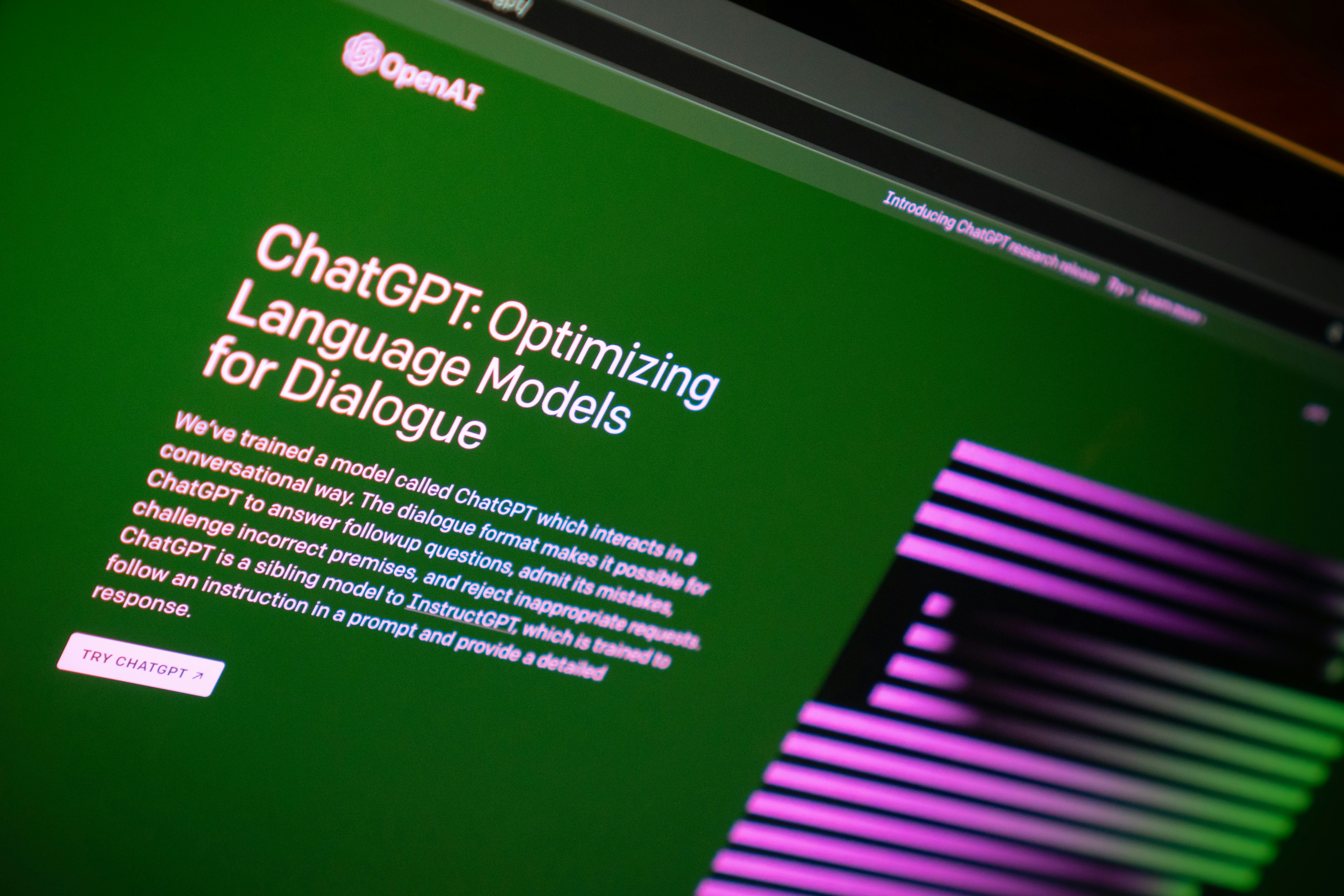
Understanding Toxic Outputs
Toxic outputs, within the context of community-facing chatbots, refer to harmful, inappropriate, or offensive content generated by these automated systems. These outputs can manifest in various forms, including hate speech, misinformation, harassment, and other negative language that can create a hostile environment for users. Understanding what constitutes toxic outputs is critical for developers and community managers who aim to create safe and inclusive online spaces.
Hate speech is one of the most recognizable forms of toxic output. It includes any content that discriminates against individuals or groups based on attributes such as race, gender, religion, or sexual orientation. For example, a chatbot that uses slurs or promotes violence against a particular group can significantly impact users, leading to emotional distress and community divisions.
Another form of toxic output is misinformation, which involves the spread of false or misleading information. For instance, if a chatbot provides erroneous health advice or propagates conspiracy theories, it not only misleads users but can also undermine trust in the platform. Misinformation can have serious repercussions, especially in sensitive areas like public health and safety.
Harassment is yet another serious concern, where chatbots may either directly or indirectly engage in behavior that targets individuals with abusive or threatening remarks. Such interactions can discourage users from participating in discussions or utilizing the platform altogether, further perpetuating a culture of fear and exclusion.
The impact of toxic outputs extends beyond the individual interaction; it affects the entire community, leading to a negative user experience, reduced engagement, and potential reputational damage for the organization managing the chatbot. Addressing these toxic outputs is essential to foster a welcoming and respectful environment for all users.
The Importance of Addressing Toxicity
The advent of chatbots in community-facing roles has revolutionized user engagement and interaction. However, with this convenience comes the pressing concern of managing toxic outputs that can arise during these interactions. Addressing toxicity in chatbot communication is not just a best practice; it is imperative for several critical reasons.
First and foremost, protecting users from toxic content is essential. Community-facing chatbots often serve a diverse audience, which includes individuals from various backgrounds and age groups. If these bots generate harmful or toxic outputs, it can lead to distress among users, fostering an environment of fear and anxiety rather than support and engagement. When users feel unsafe or unwelcome in a digital space, they may disengage entirely, leading to a decline in community participation.
Additionally, maintaining community trust hinges on the capability of chatbots to support healthy conversations. Trust is the bedrock of any community. If users perceive that the chatbot allows or promotes toxic behavior, their confidence in the technology and the organization behind it may wane. This erosion of trust can have long-lasting implications, affecting not only user retention but also the brand’s reputation, as users often share their experiences within their networks.
Furthermore, ignoring toxic behavior in chatbot interactions can lead to systemic issues within the community. Toxicity can breed further negativity, fueling a hostile environment that may alienate new members or lead existing ones to exit entirely. In the long run, failing to manage these outputs effectively results in a community dynamic that prioritizes negativity over constructive dialogue and collaboration.
Thus, the management of toxic outputs in chatbots is paramount. By addressing toxicity proactively, organizations can foster a safe environment that encourages participation and builds trust, ensuring that community interactions remain positive and productive.
Identifying Toxic Conversation Patterns
In recent years, the necessity for effective identification of toxic outputs in community-facing chatbots has become increasingly paramount. Several algorithms and techniques have been developed to assist in recognizing harmful content, ensuring that interactions between users and chatbots foster a positive environment. One of the primary methodologies employed in this context is Natural Language Processing (NLP). NLP allows for the analysis of human language through various computational techniques, enabling chatbots to understand and interpret user inputs accurately.
One common NLP technique utilized in detecting toxicity is keyword filtering. This method involves compiling a predefined list of terms or phrases typically associated with toxic behavior, such as abusive language, hate speech, or harassment. By implementing keyword filtering, chatbots can quickly flag conversations containing such language, prompting the system to take appropriate actions—be it alerting a moderator or delivering a preemptive response to the user.
Another significant technique is sentiment analysis, which assesses the emotional tone behind a series of words to gauge attitudes or feelings expressed in conversations. By leveraging sentiment analysis, chatbots can analyze user inputs in real-time, determining whether the sentiments conveyed are positive, negative, or neutral. This understanding aids in the identification of potentially toxic interactions, facilitating a swift response to defuse conflict or redirect the conversation.
Combining these methods often leads to improved accuracy in identifying toxic conversation patterns, allowing chatbots to not only react appropriately but also adapt their learning mechanisms. By training on diversified datasets that encapsulate various forms of toxicity, chatbots can enhance their performance over time, continuously refining their capability to discern harmful content.
Implementing Moderation Strategies
In the evolving landscape of community-facing chatbots, effective moderation strategies are crucial to promote a safe and constructive environment. These strategies can be broadly classified into proactive and reactive measures, each designed to tackle the challenges posed by toxic outputs.
Proactive moderation primarily focuses on prevention. Content filtering is a vital component of this approach, utilizing algorithms and machine learning techniques to automatically detect and filter inappropriate language or harmful content. This may include profane words, hate speech, and any form of harassment. Such filtering systems can be adjusted based on severity levels, where trivial offenses are treated differently from grave violations. Furthermore, regular updates to the filtering criteria are essential, as language evolves and new forms of detrimental behavior emerge within community interactions.
On the other hand, reactive strategies are vital for addressing issues that slip through initial filters. Establishing a robust reporting system gives users the ability to flag inappropriate content or behavior directly within the chatbot interface. This empowers users and fosters a sense of responsibility among community members. Additionally, an escalation process should be in place for addressing significant concerns, where human moderators review flagged content and take appropriate actions, such as issuing warnings or banning users if necessary.
The ideal moderation approach strikes a balance between automation and human oversight. While automation can efficiently handle large volumes of interactions, human moderators provide essential nuance and understanding, addressing more complex scenarios that a chatbot may struggle to interpret accurately. By harmonizing these strategies, communities can better manage toxic outputs, ensuring a positive user experience that encourages engagement and respect.
Designing a Response Framework
When developing community-facing chatbots, one of the critical aspects is creating an effective response framework that addresses toxic outputs. The focus of this framework should be to swiftly and appropriately manage any inappropriate or harmful responses generated by the bot. The first step in this process is recognizing and classifying the types of toxic outputs that may arise, including hate speech, harassment, or misinformation. By establishing a clear protocol, developers can ensure that responses are handled consistently and effectively.
A key component of the response framework is the option to apologize for inappropriate responses. This not only helps to maintain user trust but also demonstrates the chatbot’s commitment to a safe and respectful interaction. An effective apology should be simple yet sincere, allowing users to understand that the incorrect output is not a reflection of the community’s values.
Another strategy involves redirecting conversations when toxicity is detected. This can include changing the subject or directing users to different topics that align with the chatbot’s purpose. Such redirection serves to de-escalate the situation while also promoting a positive user experience. Ensuring that alternative topics are engaging and relevant is vital in maintaining user interest and satisfaction.
Additionally, providing resources can be invaluable when managing toxic outputs. This might involve linking users to educational materials, support organizations, or community guidelines that promote healthy interactions. By equipping users with the necessary tools and information, chatbots can play a proactive role in fostering a constructive environment.
In summary, a well-designed response framework that includes apologies, conversation redirection, and resource provision can significantly enhance the effectiveness of community-facing chatbots. By prioritizing user experience and safety, developers can mitigate the impact of toxic outputs and promote a more positive interaction environment.
User Empowerment and Reporting Tools
In the realm of community-facing chatbots, the presence of toxic outputs can severely impact user experience and trust. Hence, empowering users becomes crucial in addressing toxic interactions effectively. One of the primary methods of achieving this empowerment is through the development of user-friendly reporting tools. These tools should be intuitively designed, allowing users to report any inappropriate or harmful responses without frustration.
When implementing reporting mechanisms, it is vital to ensure that they are easily accessible and straightforward to navigate. For instance, positioning the reporting option prominently within the chatbot interface will encourage users to utilize it whenever they encounter toxic outputs. Additionally, offering multiple reporting categories can help users specify the nature of the toxicity, whether it is hate speech, harassment, misinformation, or other forms of negative interaction. By providing a clear framework for reporting, users will feel more equipped to take action against harmful content.
Moreover, fostering an environment in which users are encouraged and reassured to report toxic outputs is essential. Developers can achieve this by clearly communicating the importance of user feedback in improving chatbot performance. Providing immediate acknowledgment of reported issues and assuring users that their concerns are taken seriously can enhance their confidence in the reporting process. Furthermore, integrating gamification elements or reward systems for active reporting can motivate users to participate in monitoring and combating toxicity, ultimately creating a collaborative community.
It is also crucial to establish transparent guidelines and policies regarding user protection. Users should be informed about how their reports will be handled and the privacy measures in place to protect their identities. By addressing potential fears of backlash or other repercussions, the use of reporting tools becomes a safe outlet for users to address toxic chatbot interactions. Ultimately, the successful implementation of these initiatives can lead to a healthier online environment where users feel empowered to report and combat toxic outputs effectively.
Continuous Monitoring and Improvement
The landscape of community-facing chatbots is dynamic, necessitating a robust framework for continuous monitoring and improvement of their interactions. To ensure chatbots operate effectively, organizations must adopt an iterative approach that revolves around regular evaluations and enhancements. This is particularly vital when addressing toxic outputs, which can adversely affect user experience and community sentiment.
One effective method for ongoing improvement is to gather user feedback systematically. By utilizing surveys, reviews, and direct user input, developers can acquire insights into user satisfaction and identify areas requiring improvement. Such feedback serves as a critical component in refining chatbot functionality, allowing teams to understand specific interactions that may lead to toxic responses.
Additionally, the enhancement of machine learning models should be a focal point in the iterative refinement process. As chatbots continue to interact with diverse user groups, they generate data that can inform future training processes. By analyzing conversational logs, teams can discern patterns in language that trigger unwanted toxic outputs, thus enabling them to adjust the models accordingly. This ongoing learning process is crucial for adapting to shifting user language and behavior, as it directly influences the relevance and appropriateness of responses.
Furthermore, regularly updating toxicity detection measures ensures that chatbots can adapt to emerging slang and euphemisms that may not have been previously recognized. Incorporating advanced natural language processing techniques and sentiment analysis tools can aid in enhancing the preciseness of toxicity detection. By employing such methodologies, organizations can proactively filter harmful content, therefore sustaining a safe environment for users.
Ultimately, continuous monitoring and improvement form the backbone of effective community-facing chatbots, fostering an environment where users feel compelled to engage positively while minimizing the potential for negative experiences due to toxic outputs.
Case Studies and Real-World Examples
In recent years, several organizations have recognized the importance of managing toxic outputs in community-facing chatbots, leading to various initiatives aimed at improving user interactions. One notable case study involves a major social media platform that implemented a chatbot designed for customer support. Initially, this bot encountered significant challenges with inappropriate user-generated content, leading to a backlash from the community. In response, the platform’s development team utilized natural language processing (NLP) algorithms to enhance the bot’s understanding of context and intent, allowing it to better filter and respond to harmful language.
Another impressive example can be found in the healthcare sector, where a chatbot designed for mental health support was subjected to rigorous testing to ensure it would not inadvertently promote self-harm or negative coping mechanisms. The developers collaborated closely with mental health professionals to construct a comprehensive database of responses, which, when combined with advanced sentiment analysis, allowed the chatbot to effectively navigate sensitive topics. This proactive approach not only improved user trust but also resulted in a higher engagement rate, demonstrating that thoughtful design can yield positive outcomes.
Additionally, a well-known e-commerce platform faced issues with its customer service chatbot, which sometimes escalated frustrated customer interactions due to misinterpretations of tone. To address this, the company took a twofold approach by enhancing the training dataset for the bot and employing a monitoring system to flag and analyze conversations with toxic elements. Over time, this led to a 40% decrease in escalated customer complaints and contributed to a more positive user experience overall.
These case studies illustrate various strategies employed to manage toxic outputs effectively. The successful outcomes underscore the relevance of combining technology with an understanding of human interactions, proving that targeted interventions can significantly reduce the prevalence of harmful chatbot responses in community-facing applications.
Conclusion and Best Practices
The management of toxic outputs in community-facing chatbots is a critical aspect of maintaining a safe and welcoming environment for users. Throughout this discussion, we have highlighted several key takeaways that can guide developers and community managers in addressing this challenge effectively.
Firstly, understanding the sources of toxicity is essential. Chatbots are trained on large datasets which may inadvertently include biased or harmful language. Therefore, continuous monitoring and updating of the training data can mitigate this risk. It is important for developers to regularly review the chatbot’s interactions to ensure that harmful patterns are identified and corrected swiftly.
Secondly, implementing a robust filtering system is advisable. A well-designed content moderation system can help detect and prevent toxic language before it reaches the user. Many programming frameworks and libraries offer NLP tools that can recognize harmful words or phrases and replace them with neutral responses, thereby enhancing the chatbot’s capability to manage controversial topics.
Moreover, engaging the community in setting guidelines will foster a safer environment. Developers can solicit user feedback on chatbot interactions to refine response strategies. This involvement can empower users and create a sense of shared responsibility towards cultivating a positive community atmosphere.
In addition, transparency in communication is paramount. Users should be informed about the chatbot’s limitations and the measures being taken to prevent toxic outputs. Clear communication fosters trust and encourages users to report any problematic interactions, creating a feedback loop that can inform future updates.
In summary, by understanding the root causes of toxicity, employing effective filtering techniques, engaging the community, and maintaining transparent communication, developers can significantly improve the performance of community-facing chatbots. Utilizing these best practices not only enhances user experience but also assures a safer online community overall.