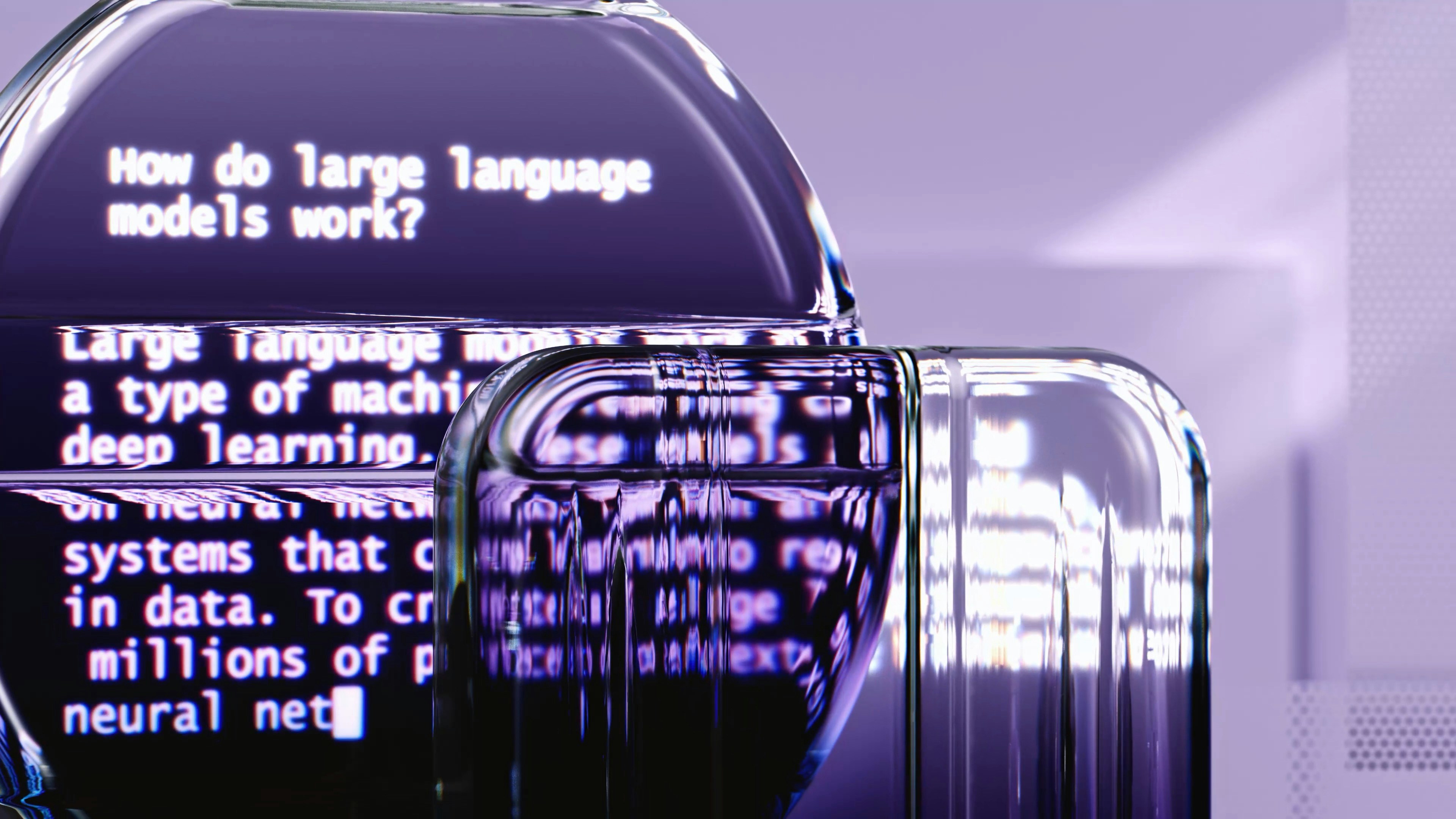
Introduction to Filter Bubbles
Filter bubbles represent a phenomenon where individuals are exposed primarily to information that aligns with their existing beliefs, thus isolating them from diverse perspectives. The term was coined by Eli Pariser in 2011, as he highlighted the effects of algorithm-driven content curation that personalized online experiences, often resulting in a narrow worldview. This concept has evolved with advancements in technology and the rise of large-scale data processing capabilities.
At their core, filter bubbles form when algorithms analyze user data, including past behavior, interests, and interactions, to curate content tailored specifically for an individual. This personalization aims to enhance user engagement by presenting material that the algorithm predicts will resonate most with the user. However, while this can lead to a more satisfying user experience, it simultaneously restricts exposure to alternative viewpoints and critical discussions.
As we transition into an era dominated by Large Language Models (LLMs), the mechanics of filter bubbles are evolving. LLMs employ complex neural networks to generate content and respond to user queries in a conversational manner. Unlike traditional algorithms that primarily rely on user history, LLMs can synthesize vast amounts of information from diverse sources in real-time. This capability poses new questions about the nature of filter bubbles. They can potentially amplify the bubble effect by reinforcing existing beliefs through persuasive narratives, or they can disrupt it by generating content that includes a broader array of perspectives.
Understanding the dynamics of filter bubbles is crucial in an age where LLM-powered news feeds proliferate. Recognizing how these models function and the implications of their deployment can empower users to proactively seek multifaceted information, thereby mitigating the risks associated with information silos and fostering a more informed public discourse.
How LLMs Have Changed News Delivery
The evolution of news delivery has experienced significant transformation over the years, primarily influenced by the advent of digital technology. Traditionally, news was disseminated through print media, radio, and television, where audiences had limited control over content selection. As the internet gained popularity, it ushered in new opportunities for news consumption, providing a plethora of sources and platforms. However, the information overload often led to challenges in information curation and relevance.
Recent advancements in technology, particularly in the field of large language models (LLMs), have revolutionized the way news is delivered to users. LLMs represent a class of algorithms that leverage extensive datasets to generate, comprehend, and curate textual information. These systems possess the capability to analyze user preferences, behaviors, and interactions, thereby delivering highly personalized news feeds. Unlike traditional news sources that present content in a one-size-fits-all manner, LLM-driven platforms can tailor information streams to cater to individual interests and viewpoints.
This transition to LLM-driven personalized news feeds has important implications for the consumption of information. Users now find themselves faced with curated content that aligns more closely with their beliefs and preferences. While this can enhance user engagement and satisfaction, it also raises concerns regarding the filter bubble effect. By reinforcing existing perspectives, LLMs may inadvertently limit exposure to diverse viewpoints, potentially perpetuating echo chambers.
In addition to personalization, LLMs facilitate real-time updates and streamlined news delivery processes. Automated journalism powered by LLMs allows for faster reporting and coverage of breaking news, thereby ensuring that users receive timely and relevant information. As LLMs continue to evolve, the landscape of news delivery will further adapt, with the potential for more integrated, responsive, and user-centric platforms.
The Mechanics of Filter Bubble 2.0
The emergence of Large Language Models (LLMs) has significantly transformed how news feeds are generated and personalized for users. At the heart of Filter Bubble 2.0 lie sophisticated algorithms that analyze users’ behavior across various platforms. By leveraging vast amounts of data, these systems can ascertain user preferences, interests, and even sentiments. They employ advanced natural language processing techniques to evaluate past interactions, such as reads, likes, and shares, to create an individualized news experience.
LLMs typically utilize a mechanism known as reinforcement learning, which enhances their ability to curate content that resonates with users. As these algorithms interact with real-time data, they adapt and refine their understanding of what each user finds engaging. The result is a highly tailored news feed, where users are often presented with content that aligns with their established viewpoints. This personalization, while seemingly beneficial, can inadvertently lead to the creation of echo chambers, where alternative perspectives are less frequently encountered.
Furthermore, the nature of LLMs in driving content curation raises concerns about the diversity of information presented to users. Each interaction feeds back into the algorithm, perpetuating a cycle where specific narratives are favored. This not only impacts the variety of news consumed but may also polarize opinions and restrict exposure to a broader spectrum of ideas and viewpoints. As LLMs grow more sophisticated, understanding their operational mechanics becomes crucial to navigating the complexities of Filter Bubble 2.0. Users must remain aware of how personalized news feeds might limit their awareness of critical issues and diverse perspectives, reinforcing their existing beliefs.
Consequences of Filter Bubble 2.0 on Information Exposure
The emergence of Filter Bubble 2.0 has significant implications for users’ exposure to diverse viewpoints and information. This modern iteration of the filter bubble phenomenon is primarily driven by Large Language Models (LLMs) that curate news feeds based on individual preferences and past behaviors. One major consequence of this tailored content is the narrowing of perspectives available to users. As the algorithms become increasingly adept at predicting user interests, they tend to amplify existing beliefs while simultaneously diminishing the visibility of opposing viewpoints.
This personalization can lead to a disengagement from critical engagement with diverse content. Users may find themselves consuming information that aligns strictly with their preexisting opinions, resulting in a stagnant social discourse dominated by similar narratives. This dynamic endangers the fundamental principles of a well-informed society, as the richness of discourse is lost in favor of convenience and comfort. Users may become complacent in their understanding, relying on familiar sources that reinforce their views and neglecting alternative perspectives that could enhance their knowledge.
Moreover, the reduced interaction with diverse information can foster an environment where polarization flourishes. As individuals become increasingly insulated within their personalized bubbles, the likelihood of encountering contrasting opinions diminishes. This separation not only solidifies groupthink within communities but can also aggravate societal divisions. By remaining within these echo chambers, users are less likely to engage in constructive discussions that challenge their views, ultimately leading to heightened animosity towards opposing perspectives. Therefore, it is crucial to recognize the implications of Filter Bubble 2.0 in shaping not only personal belief systems but also the broader societal landscape.
Comparing Filter Bubble 1.0 vs. Filter Bubble 2.0
The concept of the filter bubble was initially introduced by Eli Pariser in 2011, highlighting how algorithms curate content based on users’ preferences, behaviors, and interactions. This model, referred to as Filter Bubble 1.0, primarily revolved around personalized web experiences driven by static algorithms. Social media platforms, news aggregators, and search engines utilized these early algorithms to present users with tailored content, often reinforcing existing beliefs and preferences while restricting exposure to diverse viewpoints.
However, with the advent of large language models (LLMs) and advancements in artificial intelligence, we have transitioned into what can be referred to as Filter Bubble 2.0. This modern iteration is characterized by increased interactivity and adaptability in content curation. Unlike its predecessor, which heavily relied on user history and simple behavioral tracking, Filter Bubble 2.0 leverages sophisticated LLMs to analyze not only past user behavior but also contextual and semantic understanding of content. This enables a more nuanced approach to personalization, allowing platforms to recommend articles, news, and social media posts with greater relevance and detail.
Furthermore, Filter Bubble 2.0 incorporates real-time data and can adjust content dynamically based on current events and prevalent societal trends. This shift results in a more engaging user experience, as content is not only personalized but also timely. However, it poses challenges in terms of over-reliance on algorithms, where users may still find themselves confined to a narrow perspective, albeit enhanced in accuracy and immediacy by LLM technology.
Ultimately, the differences between Filter Bubble 1.0 and Filter Bubble 2.0 reflect a broader evolution in how digital information is consumed and curated. Understanding these distinctions is crucial for navigating the complex landscape of news consumption and fostering a well-rounded perspective in the digital age.
Impacts on Society and Democracy
The proliferation of Filter Bubble 2.0, driven by advanced Large Language Models (LLMs), has a profound effect on society and democratic processes. As individuals engage with news feeds that are tailored to their preferences, a significant shift occurs in public discourse and awareness. The curated nature of content means that users are often exposed only to viewpoints that align with their existing beliefs, fostering an environment where diverse opinions are marginalized.
One of the central concerns regarding the impacts of Filter Bubble 2.0 is the erosion of informed citizenry. When news narratives become homogenized, citizens may struggle to access varied perspectives that are essential for making informed decisions, particularly in a democratic context. This selective exposure can lead to a distorted perception of reality, hindering the public’s ability to engage meaningfully in democratic processes. Consequently, this creates an echo chamber effect where the same ideologies are reinforced, reducing critical discourse.
Furthermore, the impact of algorithmically-driven news feeds extends beyond individual perceptions; it can influence collective public opinion. Events that might typically provoke public reaction may not gain the attention they deserve, as the algorithms prioritize sensationalism or content that adheres to specific political agendas. This dynamic raises critical questions about media responsibility and accountability, highlighting the need for transparency in how content is curated.
In a society heavily influenced by these LLM-based news feeds, the potential for polarization increases. The chasm between differing ideological groups may widen, leading to a fragmented society. The implications for democracy are considerable, as this fragmentation threatens constructive dialogue and can ultimately undermine the very foundations of democratic governance. Addressing the challenges posed by Filter Bubble 2.0 requires a concerted effort from tech companies, policymakers, and civil society.
Navigating the New News Landscape
The advent of LLM-based news feeds has significantly reshaped how individuals consume information. As users become increasingly reliant on algorithms to curate their news, it is paramount to develop strategies that foster a well-rounded understanding of current events. Here are some practical tips to navigate this evolving landscape effectively.
First and foremost, diversifying news sources is crucial. Relying solely on the same platform or specific outlets can reinforce existing beliefs and limit exposure to diverse perspectives. Users should make a conscious effort to seek news from varied sources, including independent media, international outlets, and different political viewpoints. This variety ensures a more comprehensive grasp of stories and minimizes the likelihood of being trapped in a filter bubble.
In addition, it is essential to engage in critical thinking when consuming news. Users should question the information presented, consider potential biases, and seek verification from multiple sources before forming conclusions. Utilizing fact-checking websites can aid in distinguishing credible news from misinformation. Furthermore, being aware of one’s own biases when interpreting news helps cultivate a more analytical approach, allowing individuals to recognize the limitations of algorithmically generated content.
Another effective strategy involves actively customizing personal news feeds. Many news platforms allow users to adjust their preferences, thereby providing a more tailored experience. By selecting diverse topics, themes, and sources, individuals can combat the effects of filter bubbles and enrich their news consumption.
Lastly, participating in discussions with others about news can provide new insights and challenge preconceived notions. Engaging in conversations with varying viewpoints not only enhances understanding but also encourages open-mindedness. By adopting these strategies, users can better navigate the new news landscape shaped by LLM-driven feeds, ultimately leading to a more informed public discourse.
Ethical Considerations and Responsibilities
The emergence of LLMs (Large Language Models) as the backbone of news feeds has brought significant ethical considerations to the forefront, particularly for those involved in the curation and dissemination of information. Tech companies wield substantial power in shaping public discourse by deciding what news is shared with consumers. This authority comes with the responsibility to ensure that content is not only relevant but also accurate and representative of diverse perspectives.
One primary concern is the issue of accountability. When LLMs determine which articles to promote or suppress, the question arises: who is responsible for the consequences of that curation? Tech companies must openly assess their algorithms’ impact on public knowledge and opinion, ensuring that they do not inadvertently exacerbate societal divides or spread misinformation. Transparency is vital in this context; it allows consumers to understand the mechanisms behind algorithmic decisions and fosters trust in the media landscape that relies on these technologies.
Journalists and content creators also bear a share of this ethical burden. As the integrity of reporting hangs in the balance, they must be vigilant about the potential biases inherent in LLMs and actively disclose the methodologies they employ. An ethical approach requires journalists to advocate for responsible use of these technologies, encouraging practices that prioritize accuracy, fairness, and inclusivity.
Finally, consumers play a critical role in navigating the landscape shaped by LLMs. Awareness of how news is curated allows them to approach information critically, seeking diverse sources and questioning the content presented. This collective responsibility among tech companies, journalists, and consumers is essential in fostering a media ecosystem that emphasizes ethical practices and values informed, engaged citizenship.
Conclusion: Moving Forward in a Filtered World
As we conclude our exploration of the dynamics of the filter bubble in the context of LLM-based news feeds, it is imperative to reflect on how these technologies shape our information landscape. Personalized news feeds have the potential to enhance user experience by providing tailored content, yet they simultaneously pose significant risks to the diversity of perspectives and information consumption.
The insights shared throughout this discussion highlight the importance of being mindful of the impact of algorithms on our news consumption habits. While LLMs enable sophisticated content curation that aligns with individual preferences, they can inadvertently create echo chambers where users are repeatedly exposed to similar ideas and viewpoints. This undermines the critical need for diverse information which is essential for informed decision-making.
To strike a balance, individuals should actively seek out varied sources of information. Embracing diverse news outlets that challenge our preconceived notions can enrich our understanding of complex issues. Additionally, it is worthwhile for users to engage with platforms that prioritize transparency regarding algorithm-driven content. Being informed about the methodologies and data used by LLMs can empower consumers to critically assess the information they receive.
As technology continues to evolve, so too will the challenges posed by filter bubbles. Recognizing the necessity for an informed and balanced approach to news consumption will become increasingly crucial. By taking conscious steps to diversify our informational diet, we not only enhance our individual knowledge but also contribute to a more informed society. In this filtered world, the responsibility lies with each of us to ensure that we remain open to a spectrum of ideas and opinions.