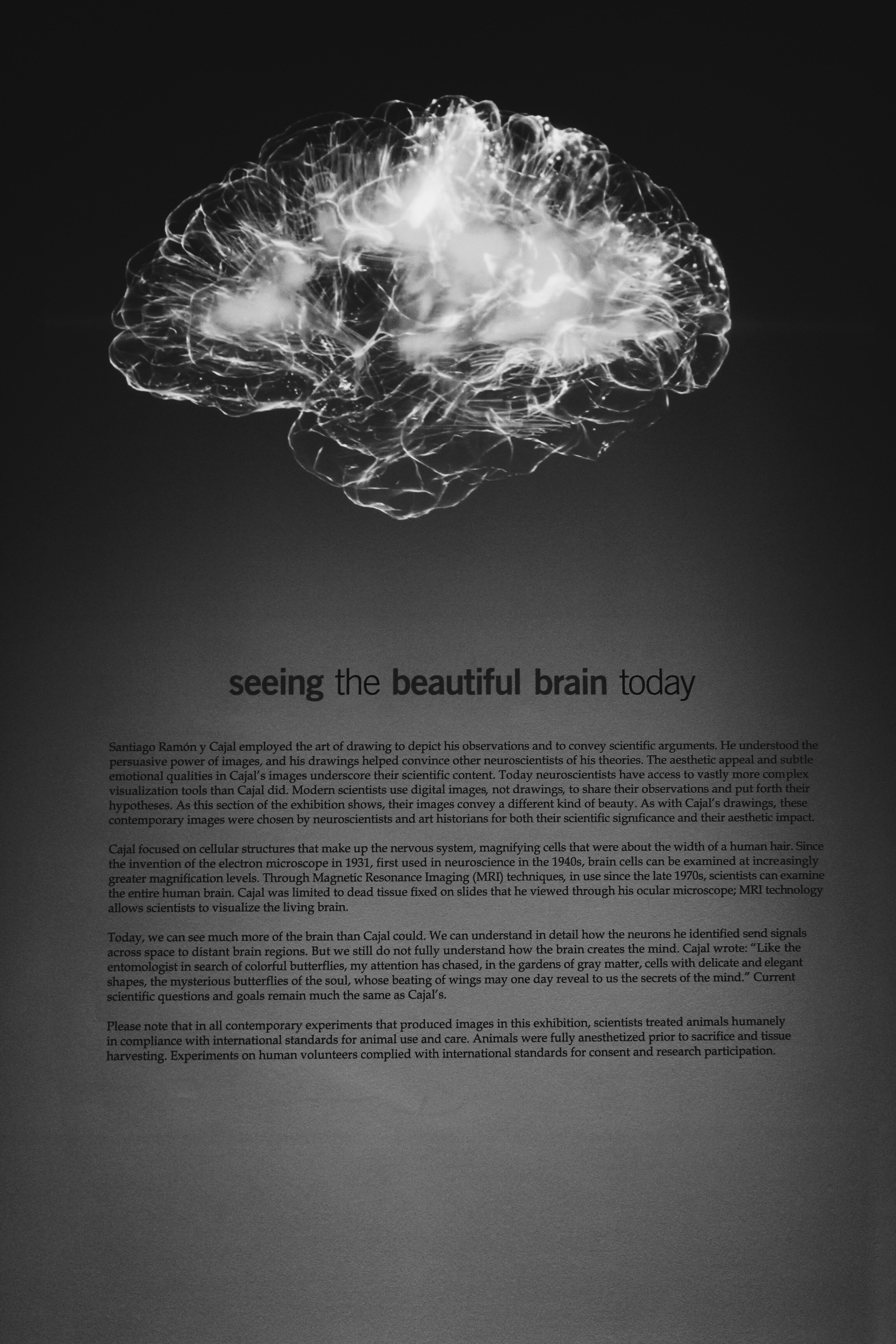
Introduction to Predictive Processing
The concept of predictive processing has emerged as a profound framework within neuroscience, revolutionizing our understanding of brain function and cognition. At its core, predictive processing proposes that the brain is not solely a passive recipient of sensory information. Instead, it continuously engages in a dynamic process of prediction and adjustment. This model suggests that the brain actively constructs a mental representation of the world, drawing upon prior experiences to forecast future events and interpret incoming sensory data.
Fundamentally, the brain operates on the principle of maximizing efficiency in information processing. It achieves this by generating predictions based on its internal model of the environment. These predictions can then be compared against actual sensory inputs. When discrepancies arise—known as prediction errors—the brain adapts its internal model. This cyclical process of prediction and error correction underpins many cognitive functions, from perception to motor control and decision-making.
One significant implication of the predictive processing framework is its potential to elucidate various psychological and neurological phenomena. For instance, this theory provides insights into how individuals perceive ambiguous stimuli, as the brain fills in gaps based on expectations rooted in past experiences. Moreover, it fosters a greater understanding of disorders linked to perception, such as anxiety and certain psychotic conditions, which may arise from dysfunctional predictive processing.
Thus, the significance of predictive processing extends far beyond mere speculation about the brain’s operations; it lays the foundation for a more integrated view of cognitive neuroscience, emphasizing the importance of prediction in shaping our understanding of human behavior and mental processes. Through this lens, we can begin to appreciate the intricate ballet between past experiences, present actions, and future anticipations that characterizes human cognition.
The Architecture of the Brain
The human brain is a highly intricate structure, composed of various regions that play pivotal roles in cognitive functions, including predictive processing. At the forefront is the cerebral cortex, which is responsible for higher-order functions such as perception, decision-making, and motor control. It enables the brain to create models of the environment based on prior experiences and incoming sensory information, allowing for predictions about future events.
The cortex is organized into different areas that specialize in distinct forms of information processing. For instance, the visual cortex processes visual stimuli, while the auditory cortex deals with sounds. The connectivity between these areas is crucial, as it promotes the integration of sensory inputs that inform predictions. This interconnected network also allows for the filtering of irrelevant information, facilitating a more accurate interpretation of the environment.
Another key region involved in predictive processing is the thalamus. This structure acts as a relay station, channeling sensory information to the cortical areas while also providing feedback based on the brain’s predictions. This dynamic interplay helps minimize errors in perception and enhances responsiveness to changes in the environment. By continuously updating its predictions, the thalamus plays a vital role in maintaining a coherent experience of reality.
Subcortical structures, such as the basal ganglia and limbic system, also contribute to predictive processing. The basal ganglia are involved in motor control and the anticipation of rewards, guiding goal-directed behavior based on predictions of outcomes. The limbic system, responsible for emotions and memory, influences predictions related to social and emotional contexts, further refining the brain’s capacity for accurate forecasting.
Mechanisms of Prediction: How the Brain Works
The human brain operates through a series of intricate mechanisms that enable it to function as a highly sophisticated predictive processing machine. At the core of these mechanisms lies the ability to form hypotheses about the external world. The brain constantly generates predictions regarding sensory input, motor actions, and higher-order cognitive processes based on prior experiences and contextual understanding.
When an individual receives new information, the brain evaluates it against existing predictions. This iterative process allows for quick adjustments and refinements in understanding. For instance, in sensory perception, when a person hears a sound in a crowded environment, their brain utilizes past experiences to predict what the sound might be. If the sound deviates from expectations, the brain updates its predictions to accommodate this new information, ensuring accurate perception.
Motor control provides another clear example of this predictive processing. Before executing a movement, such as reaching for an object, the brain anticipates the required motor commands and the expected sensory feedback. If the actual outcome differs from the prediction, the brain minimizes prediction errors by recalibrating its subsequent movements. This predictive capability enhances the efficiency and smoothness of motor actions, allowing for real-time adjustments that account for unpredictable factors in the environment.
Moreover, higher-order cognition, including decision making and problem-solving, fundamentally relies on predicting potential outcomes based on previous knowledge. Individuals weigh various hypotheses to determine the most likely result, continuously updating these hypotheses as new information becomes available. This dynamic interplay between prediction and feedback underscores the brain’s essential role as a predictive processing entity, shaping not only perception and action but also our understanding of the world around us.
Empirical Evidence for Predictive Processing
The predictive processing framework posits that the human brain operates primarily as a prediction machine, continuously generating and updating its beliefs about the external world. Several empirical studies have sought to provide evidence supporting this theory by utilizing various experimental techniques, including neuroimaging and electrophysiological methods.
Neuroimaging techniques, such as functional magnetic resonance imaging (fMRI), have shown promise in investigating how the brain interprets sensory information. For instance, research has indicated that when individuals experience a mismatch between their predictions and incoming sensory data, specific brain regions, including the anterior cingulate cortex, demonstrate heightened activity. This response suggests that the brain actively monitors prediction errors, leading to adjustments in information processing.
Electrophysiological methods, particularly electroencephalography (EEG), have also provided significant insights into predictive processing. The Event-Related Potential (ERP) component known as the N400 is often associated with semantic processing and prediction violations. Studies have shown that when participants encounter unexpected or incongruent stimuli, the amplitude of the N400 increases, indicating that the brain is engaged in updating its predictive models based on the encountered information.
Further investigations employing behavioral methodologies, such as psychophysics, have highlighted how perceptual learning influences predictive capabilities. Participants exposed to patterns of stimuli often exhibit improved anticipation for these stimuli during subsequent tasks, reinforcing the notion that the brain contextualizes experiences to enhance future predictions.
In summary, the integration of neuroimaging, electrophysiological approaches, and behavioral studies collectively underscores the empirical basis for the predictive processing framework. These findings reveal that the brain’s predictive functions are not merely theoretical; rather, they are supported by robust scientific evidence demonstrating the dynamic nature of cognitive processing as an ongoing interplay between predictions and sensory realities.
Comparison with Traditional Models of Brain Function
The traditional cognitive models of brain function have long characterized the brain primarily as a processor of incoming information, operating in a linear fashion. This perspective often likens the brain’s operations to those of a computer, where information is processed in distinct stages: perception, cognition, and response. In contrast, the predictive processing framework presents a paradigm shift, positing that the brain is not merely a passive recipient of stimuli but rather an active architect of perception and behavior through predictions.
In traditional models, perception is often viewed as a bottom-up process where stimuli are interpreted in isolation, without incorporating contextual information or prior knowledge. Predictive processing challenges this notion by emphasizing that perception is fundamentally shaped by predictions drawn from past experiences. When the brain encounters new information, it does not simply react; it compares incoming data with its predictions, modifying these predictions as necessary based on the discrepancy between expectation and reality. This iterative process is what enables adaptive learning and behavioral flexibility.
Furthermore, whereas traditional cognitive models typically separate the processes of perception, action, and learning, the predictive processing framework integrates these functions by asserting that they are interconnected. Predictions generated by the brain not only inform how we perceive our environment but also guide our actions and shape our learning experiences. This holistic view allows for a more nuanced understanding of the brain’s functioning, emphasizing dynamic interactions rather than isolated processes.
Overall, the predictive processing model signifies a radical departure from traditional cognitive models, presenting a more integrated and interactive understanding of how the brain operates. This contemporary perspective underscores the significance of prediction in shaping human experience, thereby redefining our approach to studying perception, learning, and behavior.
Implications for Understanding Disorders
The predictive processing framework offers a compelling lens through which to interpret various psychological and neurological disorders. This theoretical model suggests that the brain continually generates and updates predictions about sensory input and experiences, making it an efficient mechanism for navigating the world. However, for some individuals, disruptions in these predictive processes may contribute to the symptoms observed in conditions such as schizophrenia and autism.
In the case of schizophrenia, research has indicated that individuals may experience a breakdown in their mental model of the world. This disruption can lead to hallucinations and delusions, where the individual perceives threatening or nonsensical interpretations of their environment. These symptoms could be understood through the lens of predictive processing: when the brain fails to adequately anticipate sensory inputs, it may fill in the gaps with false experiences or beliefs, resulting in a distorted perception of reality.
Autism spectrum disorder (ASD) presents another context where predictive processing may apply. Individuals with autism frequently exhibit differences in sensory processing and social communication. Some studies suggest that these individuals may have a pronounced reliance on bottom-up processing rather than the top-down predictive models typically employed. Consequently, this divergence could lead to difficulties in anticipating social cues or integrating multiple sources of sensory information, causing the characteristic challenges in communication and behavior observed in autism.
Understanding these disorders through the predictive processing framework not only informs our comprehension of their underlying mechanisms but also offers potential pathways for intervention. By addressing the prediction errors or mismatches that occur in these conditions, therapeutic strategies may be developed to help individuals better navigate their environments and improve their quality of life.
Applications of Predictive Processing in Technology and AI
The predictive processing model has gained significant traction in various fields, particularly in artificial intelligence (AI) and technology. This framework posits that the brain functions as a predictive machine, continuously attempting to minimize the gap between expectations and actual perceptions. By adopting this model, researchers and engineers are finding innovative ways to enhance machine learning algorithms, ultimately improving the efficacy of AI.
One notable application of the predictive processing approach is in the development of advanced neural networks. These networks can better interpret and categorize data by leveraging probabilistic forecasting, resembling how the human brain estimates outcomes based on prior experiences. For instance, in speech recognition technology, AI systems can predict speech patterns, thereby decreasing error rates and increasing efficiency. By applying the principles of predictive processing, these AI systems adapt their models dynamically, learning from each interaction to refine their predictive capabilities.
Furthermore, robotics design is also benefitting from this neuroscience-inspired paradigm. Robots equipped with predictive models can anticipate potential obstacles or changes in their environments, allowing for more fluid movement and enhanced decision-making under uncertainty. This capability is essential for autonomous vehicles, where quick data processing and reliable prediction of dynamic conditions on the road are critical for safety and performance.
The implications of integrating predictive processing into technology and AI extend beyond improved functionality. They include ethical considerations, such as bias in AI decision-making, which can emerge from improperly designed predictive models. As researchers continue to explore the intersection of neuroscience and technology, a deeper understanding of these implications will guide the ethical development of future AI systems.
Criticisms and Limitations of the Predictive Processing Framework
The predictive processing framework has emerged as a prominent theory within cognitive neuroscience, positing that the brain functions as a complex biological prediction machine, continually generating and updating models of the world based on sensory inputs. However, this theory is not without its criticisms and limitations. One major concern is the vagueness surrounding what constitutes a ‘prediction’ and how these predictions are fundamentally formed and corrected. Such ambiguity can lead to differing interpretations of the framework’s applicability across various cognitive processes.
Additionally, some researchers argue that the emphasis on top-down processing diminishes the role of bottom-up sensory information. While predictive processing highlights how expectations shape perception, it may overlook the significant influence that novel and unexpected stimuli can have on cognitive functioning. Critics also suggest that this framework may not adequately account for non-predictive aspects of cognition, such asattention and emotional responses, which can influence decision-making and behavior in ways that predictive models struggle to explain.
Alternative theories, such as those emphasizing embodied cognition or the role of social and cultural contexts in shaping human thought, argue that cognitive processes are not solely about internal predictions but are deeply intertwined with environmental interactions and social dynamics. Ongoing debates in neuroscience also raise critical questions about neuronal implementation of predictive coding and whether there is sufficient empirical evidence to support the claim that all cognitive functions are best understood through prediction. Some researchers call for a more pluralistic approach, asserting that multiple frameworks may be necessary to fully understand the complexities of human cognition.
In light of these criticisms, it is evident that while predictive processing offers valuable insights into brain function, it must be integrated with other theories to provide a more comprehensive understanding of cognition. The discussion remains vibrant and diverse, reflecting the multifaceted nature of cognitive neuroscience as a field.
Future Directions in Research
The investigation into the human brain as a complex biological ‘predictive processing’ machine presents a multitude of exciting research opportunities. By exploring the intricacies of predictive processing, researchers can gain deep insights into how the brain anticipates and interprets information from the environment. This conceptual framework not only sheds light on cognitive functions but also prompts further inquiry into its implications for various fields, including psychology, neuroscience, and artificial intelligence.
One promising avenue for future research lies in the development of advanced neuroimaging techniques. These technologies could provide researchers with real-time data on neural activities associated with predictive processing. By tracking how the brain formulates predictions and adjusts them in response to sensory feedback, scientists may unravel the underlying mechanisms governing cognition. Understanding these neural pathways will be crucial in enhancing our knowledge of disorders characterized by prediction failures, such as autism spectrum disorder and schizophrenia.
Another potential direction involves the intersection of predictive processing theories with computational modeling. Developing algorithms that simulate human predictive capabilities may lead to the advancement of artificial intelligence systems. Enhancing machine learning technologies to process information akin to human cognition could revolutionize sectors such as robotics and user interaction design. Furthermore, by investigating how predictions inform decision-making processes, researchers can contribute to improving technologies that rely on anticipatory algorithms.
Lastly, interdisciplinary collaboration can further enrich the body of knowledge surrounding predictive processing. By integrating perspectives from philosophy, cognitive science, and computational theories, researchers can cultivate a holistic understanding of human cognition. Such collaborations may uncover novel applications that leverage insights from predictive processing, aimed at enhancing mental health interventions or educational methodologies.