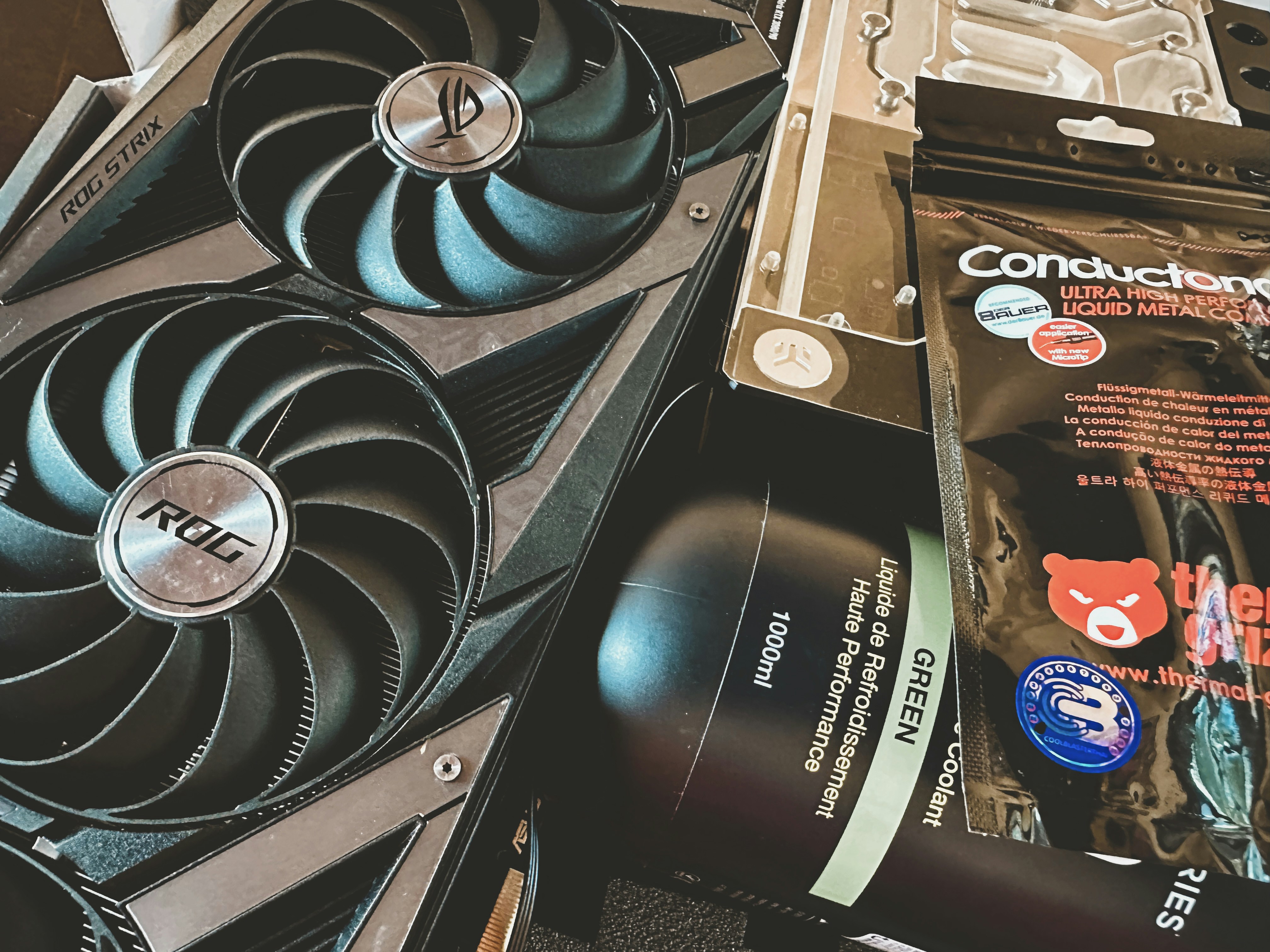
Introduction to Thermal Throttling
Thermal throttling is a crucial phenomenon that occurs in computing systems when they reach certain temperature thresholds, leading to a deliberate reduction of performance to mitigate overheating. This process is particularly significant in high-performance computing environments, such as large-scale model training clusters, where advanced computational tasks can generate substantial heat. When the temperature of the system components, such as the CPU or GPU, exceeds safe operational limits, thermal throttling is activated automatically.
The basic principle underlying thermal throttling is the management of heat generation within hardware components. Every electronic device produces heat during operation, and while efficient cooling solutions can help dissipate this heat, failure to maintain optimal temperatures may result in risks of hardware damage. Under conditions of overheating, the system will reduce clock speeds and power consumption, which in turn decreases the performance of the components. This is an essential safety feature designed to protect the hardware from permanent damage or failure.
In the context of large-scale model training, thermal throttling can severely impact performance and efficiency. High computational demands are often placed on clusters of GPUs and CPUs as they process vast amounts of data. If these systems engage in thermal throttling due to overheating, the overall training time for models can be extended, leading to inefficiencies in work processes. Understanding this phenomenon is vital for managers and engineers responsible for maintaining peak performance in computing environments.
In summary, thermal throttling serves as a protective mechanism within high-performance computing environments. Understanding how overheating impacts computer components is essential to maintaining optimal functionality and ensuring successful operations during large-scale model training.
Causes of Thermal Throttling
Thermal throttling occurs when a system reduces its performance to lower its temperature and prevent overheating. Understanding the primary causes of thermal throttling is essential for maintaining optimal performance in large-scale model training clusters. One significant cause is the high workload that these clusters often experience. Training large models requires substantial computational power, and as the workload increases, so does the heat generated by the processors and GPUs. This influx of heat can quickly push the system beyond its thermal limits, leading to throttling.
Another critical factor contributing to thermal throttling is inadequate cooling systems. Proper thermal management is crucial for maintaining efficient operation within training clusters. If the cooling system, which may involve fans or liquid cooling solutions, is insufficient or fails to function correctly, heat buildup becomes inevitable. A lack of effective airflow can exacerbate heat retention within the hardware, further increasing the risk of throttling as the temperature rises uncontrolled.
Environmental factors also play a key role in thermal throttling. For example, ambient temperature can have a dramatic effect on cooling efficiency. Training clusters situated in overheated environments may struggle to dissipate heat effectively, which can trigger throttling more frequently. Humidity levels and dust accumulation can additionally affect the cooling system’s performance, emphasizing the need for regular maintenance and environmental control.
In summary, thermal throttling in large-scale model training clusters can primarily be attributed to high workloads, inadequate cooling mechanisms, and challenging environmental conditions. Understanding these causes can allow for proactive measures to optimize thermal management, thus enhancing overall system performance.
How Thermal Throttling Works
Thermal throttling is a critical process that prevents components such as CPUs and GPUs from overheating by automatically adjusting their performance in response to rising temperatures. When these components operate at high capacities, they generate significant heat. If temperatures rise beyond predefined thresholds, thermal throttling mechanisms are triggered to mitigate potential damage and maintain system stability.
Typically, each component has a specific thermal threshold, which is closely monitored by the system’s hardware and firmware. For example, many modern CPUs can operate safely up to about 90 degrees Celsius before they initiate throttling. When the temperature approaches this threshold, the system employs various techniques to reduce performance, such as lowering clock speeds or reducing core voltages. This process allows the component to dissipate heat more effectively, thereby cooling down to a safer operating temperature.
On the GPU side, a similar approach is taken. GPUs are especially sensitive to temperature changes during heavy computational tasks, such as large-scale model training. The throttling mechanism can kick in if the GPU temperature exceeds its safe operational limits, which are often in the range of 80 to 85 degrees Celsius. In this instance, the GPU may reduce its processing power, leading to slower rendering times, longer training durations, and an overall decline in performance during intensive tasks.
Understanding how thermal throttling works is essential for optimizing high-performance computing environments. Properly managing airflow and thermal conditions can enhance system efficiency and prevent undue performance degradation. By proactively addressing heat management and designing systems to endure sustained performance without overheating, organizations can alleviate the adverse effects of thermal throttling.
Impact on Training Clusters
Thermal throttling is a critical phenomenon that significantly affects the performance of large-scale model training clusters. It occurs when the temperature of computing components, such as CPUs and GPUs, surpasses a designated threshold, prompting the system to reduce the clock speed to prevent overheating. This mitigative action is essential for maintaining hardware integrity but comes with notable adverse impacts on the efficiency and effectiveness of training processes.
One of the most pronounced effects of thermal throttling is the increase in training times. As processing speeds are curtailed, the duration required to train machine learning models elongates, leading to extended project timelines. This delay can become especially problematic in competitive environments where time-to-market is crucial. Furthermore, longer training periods necessitate additional computational resources, which directly translates to escalated operational costs for organizations.
In addition to impacting training durations, thermal throttling also has implications for the accuracy and overall performance of the trained models. When systems throttle back performance, they may struggle to converge on optimal solutions, leading to less effective models. This outcomes can compromise the validity of results, as incomplete or improperly tuned models may not adequately capture underlying data patterns. Consequently, organizations may find themselves needing to undertake re-training processes, further exacerbating costs and extending project timelines.
In this context, it is evident that managing thermal conditions within training clusters is not merely a technical requirement; it is essential for sustaining operational efficiency and achieving high-quality model outcomes. Consequently, organizations must approach thermal management strategically to mitigate the downsides associated with thermal throttling and leverage their training clusters to their fullest potential.
Consequences of Ignoring Thermal Throttling
Thermal throttling serves as a critical mechanism for managing heat generation in computing devices, particularly in large-scale model training clusters. Ignoring the implications of thermal throttling can lead to significant, adverse consequences that affect both hardware and operational costs.
One of the primary concerns associated with neglecting thermal throttling is the potential for hardware damage. Elevated temperatures can lead to overheating, which in turn can compromise the integrity of components such as CPUs, GPUs, and memory modules. When components are consistently exposed to high temperatures, it results in diminished performance capabilities, and more critically, may result in catastrophic failure. This scenario creates an environment where the continual replacement of parts becomes necessary, which causes both interruption in model training processes and additional financial burdens.
Furthermore, the neglect of thermal management plays a significant role in reducing the overall lifespan of the system. Each instance of thermal throttling indicates that the components are operating beyond their optimal thermal limits. Over time, this continual strain not only shortens the lifespan of individual components but also impacts the entire cluster’s longevity. As systems age faster due to thermal stress, organizations may find themselves frequently investing in upgrades or replacements sooner than anticipated.
In addition to hardware implications, organizations face increased maintenance and replacement costs. Repairing damaged components or replacing entire systems incurs costs that can escalate quickly, especially for large-scale deployments. Over time, these unexpected expenses can accumulate, transforming into a significant financial concern for enterprises that rely heavily on efficient model training clusters.
Understanding the consequences of ignoring thermal throttling is essential for ensuring sustainable operations. Lifespan reduction, increased maintenance expenses, and potential hardware failures can all stem from inadequate thermal management. Thus, companies must prioritize effective thermal strategies for the sake of their equipment and budgets.
Measuring Thermal Throttling
Thermal throttling is a critical phenomenon in computing systems, particularly in large-scale model training clusters. Understanding how to measure its occurrence and impact can significantly improve the efficiency and performance of these systems. Various methods and tools have been developed for accurately assessing thermal throttling, encompassing both software solutions and hardware tools commonly utilized in data centers.
One common approach involves using thermal monitoring software, which can provide real-time insights into component temperatures. Software tools such as HWMonitor, Core Temp, and Open Hardware Monitor are designed to track CPU and GPU temperatures actively. These applications can directly indicate when temperatures reach critical thresholds, corresponding to potential thermal throttling events. Most of these tools offer the capability to log temperature data, allowing for retrospective analysis and comparison with performance metrics during model training sessions and computational tasks.
In addition to software, hardware tools play a vital role in measuring thermal dissipation and throttling effects. Thermal imaging cameras can be deployed in data centers to visualize temperature distribution across components and help identify hotspots that may lead to overheating. Furthermore, using thermal sensors embedded on circuit boards enables monitoring of temperature fluctuations, which can serve as a precursor to performance degradation due to thermal throttling.
Another essential measure includes the implementation of benchmarking tools that simulate the workload conditions of model training. These benchmarking tools can help evaluate the system’s performance under varying thermal loads, thus revealing how thermal throttling influences processing speeds and resource allocation.
By leveraging a combination of software and hardware methods, system administrators can gain comprehensive insights into thermal behavior, allowing for more informed decisions regarding cooling strategies, maintenance, and optimization of computational resources. Such measures are crucial for maximizing the efficiency of large-scale model training clusters while mitigating the adverse impacts of thermal throttling.
Best Practices to Mitigate Thermal Throttling
Thermal throttling can significantly impact the performance of large-scale model training clusters, making it essential to implement effective strategies for its mitigation. One of the crucial aspects of avoiding thermal throttling is ensuring the presence of proper cooling solutions. This involves selecting the right type of cooling systems, such as air cooling or liquid cooling, based on the specific requirements of the server environment. Effective airflow management and the strategic placement of cooling units can enhance overall thermal regulation within the cluster.
In addition to cooling systems, managing workload distribution is vital in preventing temperature spikes that lead to thermal throttling. It is critical to monitor the workloads being processed in real-time and to distribute tasks evenly across available resources. By avoiding overloading individual components, the thermal output can be minimized, thereby protecting the hardware from excessive heat generation. Dynamic load balancing algorithms may be employed to adjust workloads according to each node’s thermal status, ultimately increasing efficiency without compromising performance.
Regular maintenance of the hardware is another essential practice for mitigating thermal throttling. Components such as CPUs, GPUs, and power supplies tend to accumulate dust and debris over time, which can hinder their cooling capabilities. Schedules for routine cleaning and inspections should be established to ensure that dust buildup does not impede airflow or result in overheating. Additionally, monitoring the thermal performance of the cluster with tools that provide real-time insights can help identify issues before they escalate. Keeping the firmware and drivers up to date also enhances the hardware’s performance efficiency, further reducing the risk of thermal throttling.
Future Trends in Thermal Management
As high-performance computing (HPC) continues to evolve, maintaining optimal thermal conditions within training clusters is becoming increasingly crucial. Future trends in thermal management strategies are set to revolutionize how data centers operate, ultimately reducing the risks associated with thermal throttling. One promising approach is the development of advanced cooling technologies, such as liquid cooling systems that outperform traditional air cooling in terms of efficiency and effectiveness.
Innovations such as direct-to-chip cooling allow for greater heat dissipation directly from critical components, reducing overall temperatures more effectively than conventional methods. These systems can significantly enhance the performance and longevity of computing hardware, making them indispensable in maintaining the high throughput required by extensive model training tasks.
An equally vital area of focus is the use of predictive analytics for thermal management. By leveraging machine learning algorithms, data centers can forecast temperature changes and dynamically adjust cooling resources based on real-time workloads and environmental conditions. This predictive approach not only improves energy efficiency but also mitigates the risk of thermal throttling that can hinder performance during peak usage periods.
Moreover, the implementation of smart materials in server architecture could represent a game-changer in thermal management. These materials can adapt to varying thermal loads, optimizing heat dissipation without extensive energy consumption. Their integration into future large-scale infrastructures may lead to a more sustainable and efficient approach to cooling in HPC environments.
As organizations increasingly turn to machine learning and deep learning frameworks that demand greater computational resources, the relevance of effective thermal management strategies will only heighten. Consequently, investing in the research and development of next-generation cooling technologies and intelligent thermal management systems will be paramount for ensuring that training clusters can operate at peak performance levels without the detrimental effects of thermal throttling.
Conclusion
In summary, the discussion surrounding thermal throttling and its implications for large-scale model training clusters is critical for optimizing performance and efficiency. As artificial intelligence and machine learning workloads become increasingly demanding, the need for effective thermal management becomes paramount. Managing thermal conditions not only prolongs the lifespan of hardware components but also ensures that processing capabilities remain at their peak levels.
The primary factors influencing thermal throttling in these environments include the configuration of hardware, cooling solutions, and the layout of the training clusters themselves. Implementing robust cooling strategies, such as air and liquid cooling systems, can significantly mitigate the effects of overheating, thus preventing throttling from occurring. Furthermore, monitoring systems that assess temperature conditions can provide valuable insights, allowing for adjustments which enhance overall stability and performance.
It is also essential for developers and engineers to stay informed about the latest advancements in thermal management technologies and hardware innovations. Integrating these advancements can lead to improved thermal efficiency and operational capability within training clusters. By prioritizing thermal management, stakeholders in the AI and machine learning sectors can significantly enhance their operational success while safeguarding their investments in high-performance computing infrastructure.
In conclusion, understanding thermal throttling and addressing its impact are vital steps for optimizing large-scale model training clusters. Effective management of thermal conditions is not merely about preventing hardware failure; it is also crucial for maximizing processing capabilities and thus ensuring the efficient execution of complex workloads.