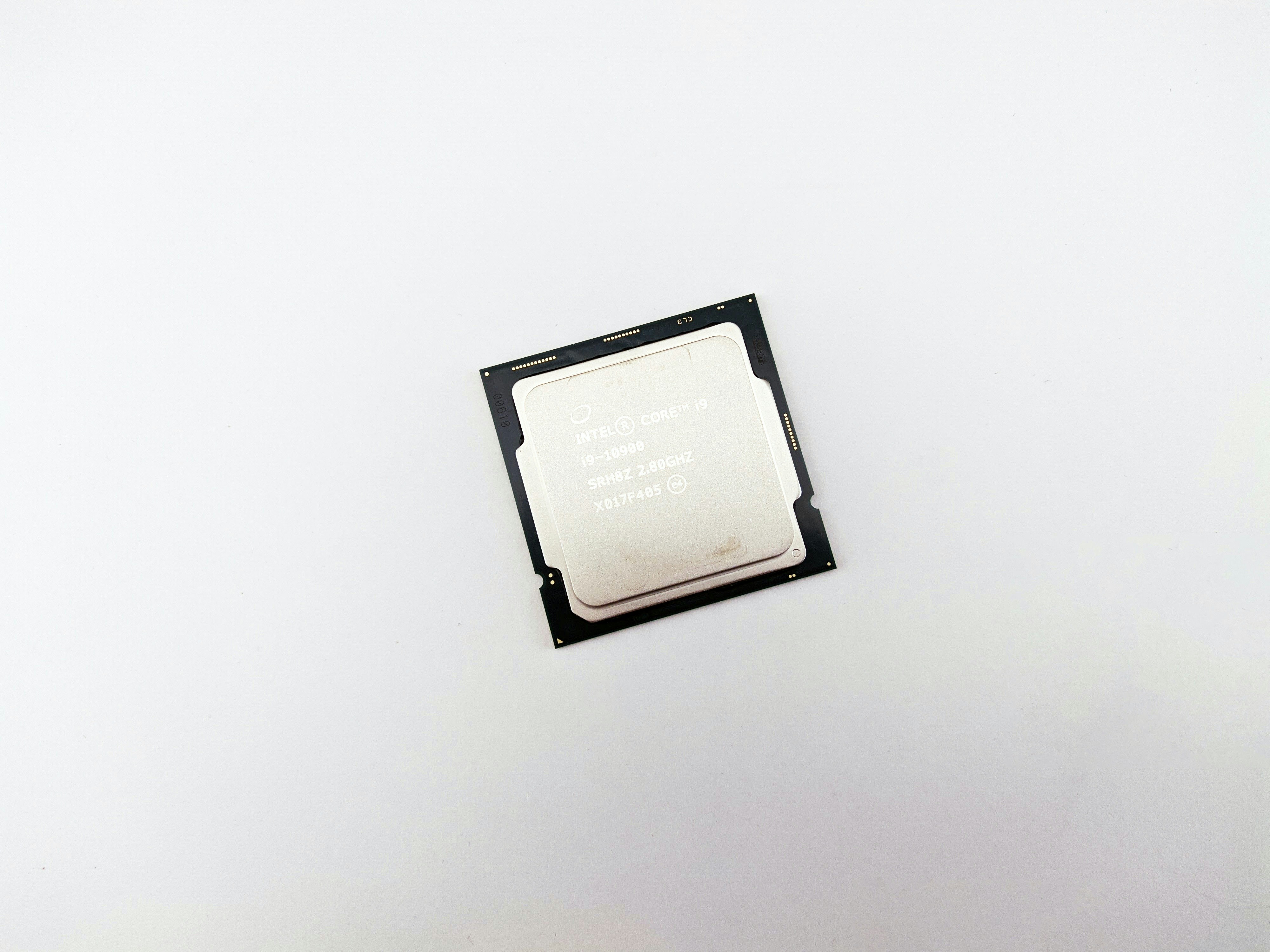
Introduction to Neural Processing Units (NPUs)
Neural Processing Units (NPUs) represent a significant evolution in the architecture of computing systems. Tailored specifically for machine learning and artificial intelligence (AI) tasks, NPUs are designed to perform complex mathematical computations at unprecedented speeds. Unlike Central Processing Units (CPUs), which are versatile general-purpose processors, NPUs are optimized for the data-intensive operations characteristic of neural networks, making them integral to the functionality of AI applications.
The role of NPUs has gained prominence in recent years as AI continues to permeate various sectors. Industries such as healthcare, automotive, and finance rely heavily on machine learning algorithms that require substantial computational power. As these algorithms become more sophisticated, the demand for efficient processing units increases, positioning NPUs as essential components in next-generation computing environments.
NPUs facilitate the rapid processing of large datasets by employing parallel computing techniques, which enable simultaneous execution of multiple operations. This capability is particularly advantageous for training machine learning models, where vast amounts of data must be analyzed to discern patterns and make predictions. The architecture of NPUs is typically characterized by a high number of cores, specialized memory storage, and the ability to efficiently handle tensors—multi-dimensional data arrays crucial to deep learning.
As AI technology advances, the development of NPUs is expected to continue at a fast pace, ensuring that computing systems remain capable of meeting the challenges posed by increasing computational demands. This introduction sets the foundation for a deeper understanding of NPUs and their comparison to traditional CPUs in subsequent sections, highlighting their transformative impact on technology and society as a whole.
The Architecture of Neural Processing Units
Neural Processing Units (NPUs) are specifically designed hardware components optimized for the efficient execution of deep learning algorithms and neural network workloads. Unlike traditional Central Processing Units (CPUs), which are general-purpose processors capable of handling a wide array of tasks, NPUs leverage unique architectural features that cater specifically to the requirements of machine learning.
One of the most significant architectural aspects of NPUs is their ability for parallel processing. This feature enables NPUs to execute multiple calculations simultaneously, which is essential for processing the vast amounts of data associated with neural networks. The parallel architecture allows NPUs to handle matrix operations and vector computations at unprecedented speeds, reducing the time taken for training deep learning models significantly.
Another crucial characteristic of NPUs is their memory architecture. NPUs are equipped with high-bandwidth memory systems that support rapid data access, crucial for machine learning tasks that require real-time data processing. This design ensures that the necessary data is readily available for computation, minimizing delays that might be introduced due to slow memory access, a common bottleneck in traditional compute architectures.
Moreover, NPUs include specialized hardware components tailored for specific operations found in neural networks. These components, which can consist of dedicated arithmetic units for operations such as convolution and activation functions, enable NPUs to perform tasks with greater efficiency than CPUs. By integrating these hardware capabilities, NPUs not only improve the processing efficiency but also reduce energy consumption, showcasing their advanced design in the realm of neural network computations.
How NPUs Function: A Closer Look
Neural Processing Units (NPUs) are specialized hardware designed specifically for efficient computation of neural networks and machine learning algorithms. Their architecture differs fundamentally from that of traditional Central Processing Units (CPUs), enabling them to deeply accelerate tasks that involve extensive data processing and complex mathematical operations.
The operational mechanism of NPUs revolves around parallel processing, allowing multiple calculations to occur simultaneously. This architecture is particularly beneficial when executing tasks related to deep learning and AI, where large matrices need to be multiplied and intricate algorithms must be computed. NPUs utilize a variety of computational techniques, such as tensor processing, which enhances their ability to handle geometrically vast datasets and perform large-scale computations quickly.
Another significant aspect of NPUs is their optimized data handling capabilities. Unlike CPUs, which sequentially process data, NPUs are designed to manage vast amounts of information concurrently. This efficiency reduces latency, allowing for real-time analysis and decision-making in applications such as image recognition, natural language processing, and autonomous systems. The architecture also includes specialized memory management that minimizes bottlenecks when accessing data, ensuring that computations proceed without unnecessary delays.
The synergy between hardware and software in NPUs is also noteworthy. They are typically paired with advanced machine learning frameworks, which can effectively exploit the underlying hardware for maximum performance. This integration allows for seamless execution of complex algorithms and enhances the overall efficiency of machine learning tasks. Consequently, as NPUs become increasingly adopted in various industries, their role in transforming how data is processed and utilized continues to grow.
Comparison Between NPUs and CPUs
Neural Processing Units (NPUs) and Central Processing Units (CPUs) serve distinct yet occasionally overlapping roles within computing systems. To understand their differences, it is imperative to explore their design philosophies, performance characteristics, and application suitability.
Firstly, the design philosophy of these two processors markedly differs. CPUs are engineered for versatility, capable of executing a broad range of tasks including basic arithmetic operations, data manipulation, and process control. Conversely, NPUs are purpose-built for accelerating neural network computations, specifically designed to handle operations inherent in artificial intelligence (AI) workloads. This specialization enables NPUs to process vast amounts of data through parallel computations efficiently, significantly outperforming CPUs in tasks like machine learning and deep learning.
In terms of performance, NPUs generally have an edge over CPUs when it comes to tasks that require inferencing or training deep neural networks. Their architecture supports a higher number of operations per second, especially when all cores are utilized. Conversely, while CPUs excel in environments demanding single-threaded performance and complex logical operations, they typically do not match the throughput of NPUs for neural network tasks. This bifurcation indicates that for applications such as image recognition, natural language processing, and real-time processing, NPUs are highly advantageous compared to CPUs.
The suitability of each processor type can also be context-dependent. While CPUs remain critical for general-purpose computing and executing complex tasks with flexibility, NPUs are increasingly favored in AI-intensive tasks where speed and efficiency are paramount. As the field of AI continues to expand, understanding these differences will be vital for selecting the appropriate processing unit for specific applications, thereby maximizing efficiency and performance.
Applications of NPUs in Real World Scenarios
Neural Processing Units (NPUs) are specialized hardware designed to accelerate the execution of artificial intelligence (AI) workloads. As industries increasingly adopt AI technologies, NPUs have begun to exert significant influence across a variety of real-world applications. These include autonomous vehicles, robotics, and AI-driven services.
In the realm of autonomous vehicles, NPUs play a pivotal role in processing vast amounts of data generated by sensors and cameras. For instance, they can swiftly analyze images to identify obstacles, pedestrians, and road signs, enabling real-time decision-making necessary for safe navigation. This capability not only enhances the performance of self-driving cars but also facilitates advancements in related technologies such as traffic management systems.
Robotics is another field that has benefited from the integration of NPUs. Modern robots, whether used in manufacturing or healthcare, require sophisticated cognitive abilities to perform tasks autonomously. NPUs facilitate the necessary computations for tasks such as object recognition, motion planning, and environmental interaction. The agility offered by NPUs allows these machines to operate more efficiently and accurately in varied environments, thereby increasing their utility in numerous sectors.
Furthermore, AI-driven services, particularly in customer support and personalized content recommendations, are significantly enhanced by NPUs. For example, virtual assistants utilize NPUs to better process language and understand context, leading to improved user interactions. Similarly, recommendation systems in e-commerce platforms leverage NPUs to analyze user behavior patterns more effectively, providing tailored suggestions that enhance customer experience.
In summary, the deployment of NPUs in autonomous vehicles, robotics, and AI-driven services showcases their transformative potential across diverse industries. By enabling faster, more efficient processing of complex algorithms, NPUs not only optimize performance but also pave the way for innovative applications that were previously unattainable with traditional processing units.
The Rise of NPUs in AI and Deep Learning
In recent years, Neural Processing Units (NPUs) have gained significant traction as a vital component in the realm of artificial intelligence (AI) and deep learning. A primary factor contributing to this trend is the remarkable advancement in AI technologies, which demand increasingly sophisticated processing capabilities. NPUs are specifically designed to handle the nuances of neural networks, making them more efficient than traditional CPUs when it comes to executing deep learning algorithms.
As the applications of AI expand, ranging from image recognition and natural language processing to autonomous systems, the necessity for specialized hardware has become more pronounced. Conventional CPU architectures, while versatile, often struggle to keep pace with the computational requirements of large-scale AI models. This has prompted researchers and hardware manufacturers to explore NPUs as an optimized solution capable of accelerating AI workloads.
NPUs are optimized for parallel processing and can execute multiple operations simultaneously, making them ideally suited for training and inference tasks associated with neural networks. This architectural advantage translates to faster performance and improved energy efficiency, attributes that are paramount as AI techniques continue to evolve and scale. Furthermore, the integration of NPUs into modern computing systems signifies a shift towards purpose-built hardware designed to meet the specific demands of AI applications.
Another driving force behind the rise of NPUs is the collaboration within the tech industry. Leading companies are investing in research and development of NPUs, thus fostering innovation and driving down costs. As NPUs continue to mature, their deployment in various applications is anticipated to increase, enabling organizations to leverage AI to its fullest potential. The trend signifies not only growth within the industry but also a broader commitment to evolving hardware that can sustain the next generation of AI advancements.
Future Trends: The Evolution of NPUs
The advancement of Neural Processing Units (NPUs) signals a critical shift in the way computational tasks are approached, particularly those involving artificial intelligence (AI) and machine learning. As the demand for processing power grows, NPUs are expected to undergo significant architectural enhancements, optimizing their performance compared to traditional processors, such as CPUs.
One of the most promising future trends in NPUs involves the integration of advanced technologies like quantum computing and neuromorphic systems. By merging these cutting-edge concepts, NPUs could potentially mimic the way human brains process information, leading to faster and more efficient data analytics. As such, this convergence may also pave the way for new applications in fields that demand rapid decision-making capabilities, such as robotics and autonomous vehicles.
Moreover, there is a considerable emphasis on improving energy efficiency within NPU designs. As the environmental impact of computing becomes a more pressing concern, the development of NPUs that consume less power while delivering superior performance is paramount. Innovations in cooling techniques, as well as smarter algorithms that reduce workload on hardware, are being explored to achieve this balance.
Furthermore, with the increasing reliance on edge computing, NPUs are likely to be deployed in a variety of devices, shifting processing capabilities away from centralized data centers. This localization of processing tasks can enhance response times and reduce latency, which is essential for applications requiring real-time data manipulation.
As NPUs continue to evolve, their role in the landscape of computing promises profound changes. While their current applications are primarily focused on AI and deep learning, the potential for growth and diversification is immense. Industries are poised to benefit from these advancements, leading to more intelligent systems and enhanced user experiences in a technology-driven world.
Challenges Facing NPUs
Neural Processing Units (NPUs) have emerged as powerful components for accelerating tasks related to artificial intelligence (AI) and machine learning. However, several challenges remain that hinder their widespread adoption and integration into current computing systems.
One of the primary challenges NPUs face is their integration with existing architectures. Most traditional computing environments are architected around Central Processing Units (CPUs), which have been the dominant force for decades. Consequently, adapting software and ecosystem resources to fully exploit the specialized capabilities of NPUs can be complex. This necessitates that developers not only expand existing systems but also rethink how computations are orchestrated within these frameworks.
Cost considerations also present a significant hurdle for NPUs. As specialized hardware, NPUs tend to be more expensive than traditional CPUs. While they deliver superior performance for specific tasks, the return on investment may not always be apparent, particularly for smaller organizations or applications that do not require such extensive computational prowess. As a result, businesses often hesitate to make substantial upfront investments in NPUs without clear justification of their benefits.
Moreover, the successful utilization of NPUs requires extensive software optimization. Unlike CPUs, which can run on a wide range of applications with minimal modification, NPUs necessitate that software be specifically tailored to harness the full extent of their processing capabilities. This requires a deep understanding of both the hardware and the algorithms at play, posing a steep learning curve for developers who must adapt and optimize their code. The absence of standardized tools and frameworks for NPU programming exacerbates this challenge, further complicating their deployment.
In summary, while NPUs hold remarkable potential in advancing computational capabilities, overcoming barriers related to integration, cost, and software optimization remains critical to their successful adoption in practical environments.
Conclusion: The Role of NPUs in Next-Gen Computing
Neural Processing Units (NPUs) have emerged as a vital component in the landscape of modern computing. Their specialized architecture allows them to efficiently carry out the complex calculations required for artificial intelligence (AI) and machine learning (ML) applications. Unlike General Purpose CPUs, which are designed to handle a wide range of tasks, NPUs are optimized specifically for processing neural networks. This targeted design leads to significant performance enhancements in tasks such as image recognition, natural language processing, and data analysis.
One of the critical advantages of NPUs is their ability to handle parallel processing at an unprecedented scale. This characteristic is essential for accelerating the training of deep learning models, allowing organizations to leverage vast amounts of data and derive insights quickly. As industries increasingly rely on AI-driven solutions, the importance of NPUs in supporting these applications cannot be overstated.
The integration of NPUs in various devices, from smartphones to large-scale data centers, signifies a shift in how computational resources are allocated. The performance benefits they offer can lead to remarkable improvements in efficiency and speed, thereby transforming industries such as healthcare, finance, and autonomous driving. With ongoing advancements in NPU technology, we can anticipate even more powerful capabilities that will enhance AI application performance and foster innovation.
In conclusion, the role of NPUs in next-generation computing is not only important but transformative. As we move forward, the adoption of NPUs will undoubtedly shape the future of technology, highlighting their potential to revolutionize how we approach problem-solving in diverse fields. As we continue to explore their capabilities, it is clear that NPUs will play an integral role in the evolution of computing.