Introduction to Photonic Computing
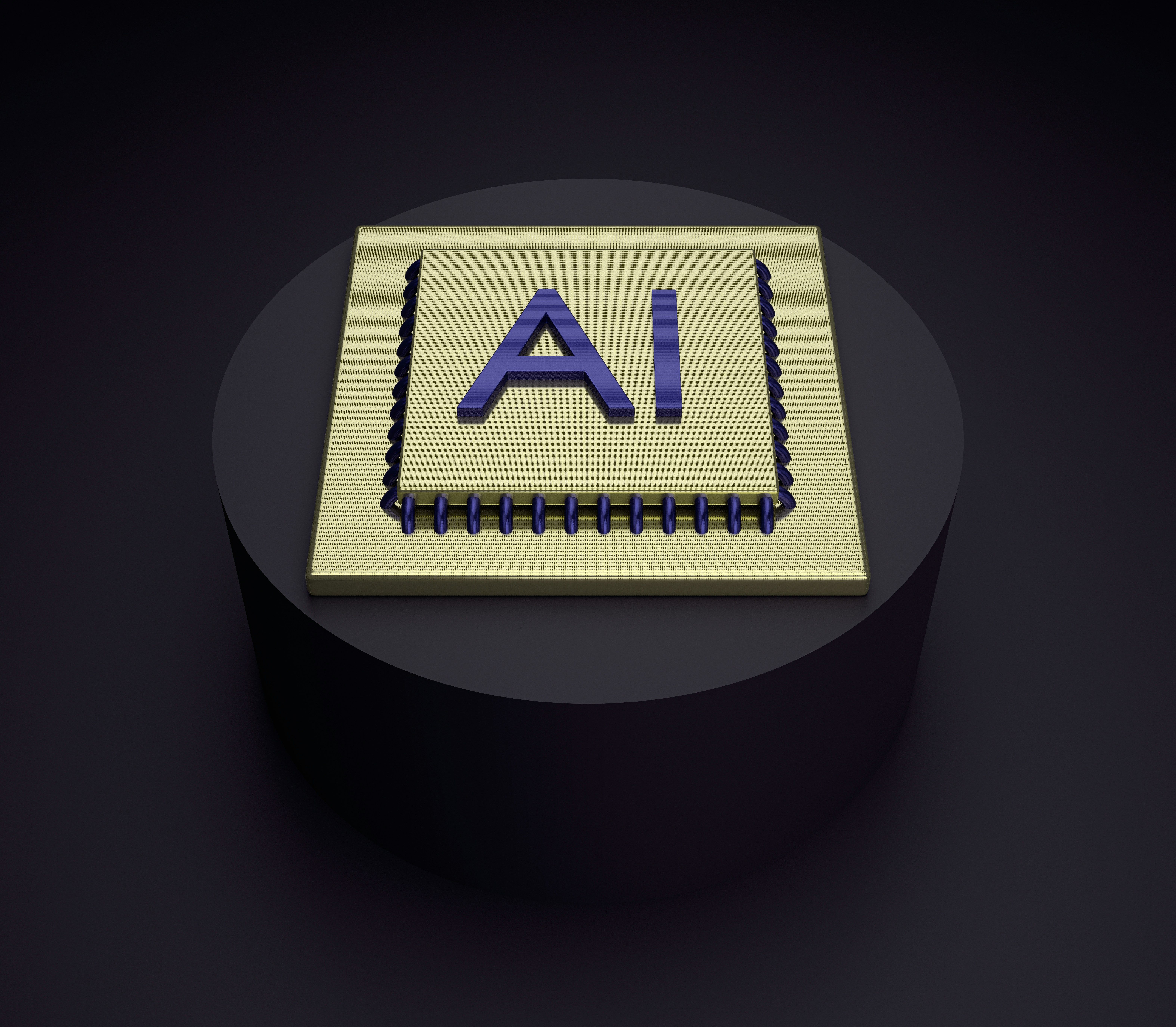
Photonic computing is an advanced computing paradigm that utilizes light, rather than electricity, to perform data processing and transmission. This distinctive approach sets it apart from traditional electronic computing, where information is processed using electrical signals in semiconductors. By harnessing the unique properties of photons, photonic computing holds the potential to fundamentally enhance computing efficiency and speed.
At the core of photonic computing is the concept of using light waves to represent and manipulate data. Unlike electrons, photons can travel at the speed of light and do not encounter resistance in the same manner, which results in reduced energy consumption and improved performance. This characteristic can lead to systems that are not only faster but also more energy-efficient, addressing some of the pressing limitations faced by current electronic computing technologies.
Additionally, the principles governing photonic computing involve the use of various optical components, such as lasers, modulators, and waveguides, which play crucial roles in the creation, control, and routing of light. These components enable the encoding of information into photons, permitting rapid data transmission across integrated optical circuits. Such innovations pave the way for designing circuits that can execute complex computations with remarkable speed, potentially making machine learning algorithms, and AI, significantly more efficient.
Moreover, photonic computing is expected to work particularly well in parallelism, where multiple processing tasks can be conducted simultaneously. This feature could integrate smoothly into AI models that demand rapid processing of vast amounts of data. In summary, the shift from electronic to photonic computing represents a promising frontier in technology, promising to revolutionize the landscape of computational capabilities.
Current Limitations of Electrical Computing
Electrical computing, while having driven remarkable advancements in technology, presents several limitations that significantly affect its application in artificial intelligence (AI). One of the most pressing issues is energy consumption. Many AI processes require substantial computational power, leading to a formidable demand for energy. This necessitates the utilization of sophisticated cooling systems and generates electricity costs that can be prohibitive for widespread AI adoption.
Furthermore, heat generation poses a substantial challenge in electrical computing systems. As processors work harder to perform complex AI algorithms, they produce excess heat, which can lead to hardware degradation over time. This heat management problem requires additional resources to dissipate heat effectively, which further compounds energy consumption issues. The necessity of balancing power and thermal efficiency remains a major hurdle that engineers strive to overcome.
Bandwidth constraints are another critical limitation affecting the performance of electrical computing in AI applications. AI systems often require rapid data transfer and processing capabilities to handle vast amounts of information in real time. However, conventional electrical systems are often restricted by their bandwidth, thereby hindering their ability to keep up with the demanding data flow. As AI models become more sophisticated, the need for robust and high-speed data processing capabilities escalates, revealing how traditional electrical computing architectures are ill-equipped to support these requirements.
In summary, while electrical computing has enabled significant advancements, its limitations in energy consumption, heat production, and bandwidth restrictions hinder the efficiency and performance necessary for the evolving demands of AI applications. Exploring alternative computing paradigms, such as photonic computing, may offer solutions to these existing challenges.
Understanding AI Efficiency Metrics
Artificial Intelligence (AI) efficiency is a critical aspect of evaluating the performance and viability of machine learning systems. Efficiency, in this context, encompasses various dimensions, including processing speed, energy consumption per task, and overall model performance. These metrics are essential for understanding how AI systems can function effectively and resourcefully in real-world applications.
One primary measure of efficiency in AI is processing speed, which refers to the rate at which an AI system can complete tasks or make decisions. This metric directly correlates with the responsiveness of AI applications, affecting user experience and the system’s capability to handle large datasets. Faster processing speeds facilitate quicker model training and inference, making them crucial for time-sensitive applications such as autonomous vehicles or real-time data analysis.
Energy consumption is another critical efficiency metric, as it reflects the amount of computational power required to execute specific tasks. Implementing AI models typically necessitates substantial amounts of energy, which raises concerns regarding scalability and sustainability. Evaluating how much energy is consumed per task helps to identify opportunities to reduce the carbon footprint or operational costs associated with AI technologies.
Lastly, the overall performance of machine learning models is a significant indicator of efficiency. Performance assessment often includes accuracy, precision, recall, and F1 score, which collectively provide insights into how well an AI model meets its intended objectives compared to its resource expenditures. Understanding these metrics allows researchers and developers to optimize AI systems for better usability and effectiveness.
By defining and quantifying these efficiency metrics, stakeholders can better understand the current limitations of AI technologies and explore potential enhancements through innovations such as photonic computing. This groundwork is essential for discussing how new technologies might significantly amplify AI efficiency.
Understanding the Mechanisms of Photonic Computing
Photonic computing represents a transformative approach to information processing by utilizing light rather than electrical signals. It relies on fundamental components such as waveguides, modulators, and detectors, which together create a system capable of performing calculations at significantly improved speeds.
Waveguides are crucial elements in photonic circuits, acting as channels that guide light waves from one location to another. These structures can be made from various materials, such as silica or semiconductor compounds, and they are designed to contain light through total internal reflection. This allows photonic computers to transmit data over long distances with minimal loss and high bandwidth, making them ideal for complex computations.
Modulators play a vital role in controlling the properties of light passing through photonic circuits. By encoding information onto the light wave, modulators can control various attributes, such as phase, frequency, and amplitude. This ability to manipulate light enables rapid switching between states, which is essential for executing logic operations similar to those in traditional electronic computing.
Detectors are the final component in the chain, translating the optical signals back into electronic signals for processing. These detectors, often made from photodetector materials, are sensitive to the light signals, allowing for efficient conversion and measurement of data. By combining these components, photonic computing systems can perform complex operations rapidly while consuming less energy than conventional electronic systems.
The integration of these photonic components facilitates enhanced performance in data processing, paving the way for applications in artificial intelligence and other areas that require high-speed computations. As research progresses, the potential of photonic computing continues to grow, promising a future of increased efficiency and reduced energy costs in various technological domains.
Potential Efficiency Gains for AI with Photonic Computing
Photonic computing, which utilizes light as a medium for computing rather than traditional electronic components, holds significant promise for enhancing the efficiency of artificial intelligence (AI) processes. The unique properties of light, such as its ability to carry information in parallel and at remarkable speeds, present numerous advantages over conventional computing methods. As AI algorithms grow increasingly complex and data-intensive, incorporating photonic computing could lead to substantial efficiency gains, potentially making AI operations up to 1,000 times more efficient.
One of the main benefits of photonic computing lies in its ability to exploit parallelism. Traditional electronic systems process data one bit at a time, posing limitations in speed and time efficiency. In contrast, photonic systems can handle multiple data streams simultaneously, enabling quicker processing of information. This remarkable capability is particularly beneficial for AI workloads that involve large datasets, as it can significantly reduce processing times and improve overall responsiveness.
Moreover, the speed of optical signals is much greater than that of electrical signals, allowing computations to occur at unprecedented rates. By minimizing signal degradation and latency associated with electronic components, photonic computing can also enhance data integrity throughout operations, which is crucial in AI applications that require high accuracy.
Additionally, the energy efficiency of photonic systems can lead to substantial reductions in power consumption, a critical consideration as AI applications scale up. As data centers house more AI workloads, the energy demand rises dramatically. Photonic computing, with its reduced energy footprint, can thus become an environmentally sustainable alternative, allowing industries to embrace AI advancements more responsibly.
In conclusion, the integration of photonic computing into AI workflows stands to revolutionize the efficiency with which AI systems operate. By harnessing the capabilities of light, we can envision a future where AI processes are not only faster but also more sustainable, potentially realizing efficiency improvements that could redefine the technological landscape.
Real-World Applications: Case Studies of Photonic AI
In various sectors, the integration of photonic computing with artificial intelligence has demonstrated promising results, showcasing its potential to revolutionize traditional approaches. One notable example is in the field of healthcare, where photonic AI systems have been employed for advanced diagnostic imaging. Researchers have developed a photonic neural network capable of analyzing medical images more efficiently than conventional methods. This system utilizes light-based technologies to process images at astonishing speeds, promising significantly improved diagnostic accuracy and faster patient outcomes.
The automotive industry also stands to benefit greatly from the application of photonic computing. A case study illustrates how a leading automotive manufacturer has initiated experiments using photonic AI for real-time data processing from various sensors in autonomous vehicles. With photonic chips, the company has achieved quicker data processing speeds, enabling enhanced decision-making capabilities for self-driving systems. This advancement could accelerate the development of safer and more reliable autonomous vehicles.
Moreover, the financial sector has begun exploring the implications of photonic computing to enhance algorithmic trading. A collaborative project between several tech firms demonstrated that photonic-based AI algorithms could execute trades based on market data analysis faster than conventional silicon-based systems. This capability results in notable advantages in terms of speed and efficiency, potentially reshaping the competitive landscape of financial trading.
These case studies exemplify the practical applications of photonic computing in real-world projects, highlighting success stories that not only boost the performance of AI technologies but also pave the way for future innovations. As research in photonic computing progresses, we can anticipate even broader applications across diverse fields, further confirming its immense potential to enhance operational efficiency and drive breakthroughs in AI.
Challenges and Limitations of Photonic Approaches
As photonic computing emerges as a promising alternative to conventional electronic computing, several challenges and limitations impede its widespread adoption, particularly in the realm of artificial intelligence (AI). One significant hurdle is the technological complexity inherent in developing photonic systems. Unlike electronic circuits, which are well understood and established, the field of photonics is still evolving, presenting numerous technical challenges such as signal loss, precision alignment, and integration with existing electronic networks.
Furthermore, the manufacturing processes associated with photonic components are often more complex and costly compared to traditional silicon-based technologies. The development of reliable and scalable photonic devices requires advanced fabrication techniques that can be expensive and time-consuming. This raises concerns regarding the economic feasibility of implementing photonic computing in AI applications, especially for organizations that may lack the resources to invest in this emerging technology.
Another critical issue is the current lack of supportive infrastructure necessary for photonic computing. This transition demands not only new hardware but also the development of software tailored for photonic systems. Existing AI algorithms and applications are primarily designed for electronic computing environments, necessitating a complete rethinking of how AI can leverage the unique properties of photonic circuits. As such, the need for reengineering both the algorithms and supporting structures adds a layer of complexity to the implementation process.
Moreover, while photonic devices can theoretically enhance processing capabilities, achieving stability and efficiency in real-world applications remains a significant challenge. Researchers must overcome these technological barriers to make photonic computing a viable alternative for AI solutions. In light of these constraints, it is crucial to assess how these photonic approaches can be optimized and when they might realistically be integrated into mainstream AI technologies.
Future of AI and Photonic Computing
The landscape of artificial intelligence (AI) is experiencing rapid transformation, with increasing attention on the potential of photonic computing as a pivotal technological advancement. Photonic computing utilizes light particles (photons) for processing and transmitting data, which could drastically enhance the computational speed and efficiency of AI systems. In the coming years, we can anticipate significant advancements that may redefine the synergy between these two fields.
One expected breakthrough lies in the ability of photonic systems to handle massive datasets more efficiently than traditional silicon-based processors. This capability is essential as AI relies heavily on processing extensive amounts of data to improve learning algorithms. As photonic computing technology matures, it could lead to a new generation of AI models that not only operate faster but also generate insights with unprecedented accuracy. Such improvements could benefit various sectors, including healthcare, finance, and transportation, where quick, data-driven decisions are crucial.
Moreover, the integration of these technologies is likely to revolutionize industries by enabling real-time analytics and more nuanced modeling of complex phenomena. For instance, in the pharmaceutical industry, photonic computing may facilitate the simulation of molecular interactions at an expanded scale, accelerating drug discovery processes significantly.
Furthermore, as photonic circuits become more sophisticated, we may witness the emergence of novel AI applications that were previously unattainable. The combination of AI and photonic computing holds the promise of creating smarter devices that can learn and adapt more efficiently in dynamic environments, thereby transforming everyday life.
In conclusion, the future of AI in conjunction with photonic computing presents intriguing possibilities. If technological hurdles can be overcome, we may find ourselves on the brink of a new era where AI not only achieves unprecedented efficiency but also enhances the human experience across multiple domains.
Conclusion
In reviewing the potential of photonic computing, it is evident that this emerging technology holds significant promise in enhancing computational efficiency, particularly for artificial intelligence (AI) applications. The characteristics of photonic systems, including their ability to manipulate light for data processing, suggest that they could vastly outperform traditional electronic computing. The discussions in previous sections highlighted multiple advantages, such as reduced energy consumption and higher processing speeds that photonic computing might offer.
Moreover, the integration of photonics in AI could lead to revolutionary changes in how machine learning algorithms process vast amounts of data. By leveraging the parallel processing capabilities inherent in optical systems, photonic computing can facilitate faster training of AI models with remarkable efficiency. This raises the pivotal question: can photonic computing truly make AI 1,000 times more efficient?
The response to this question is ultimately speculative at this point. Current research indicates that while significant strides have been made, several technical challenges remain to be solved before fully realizing the potential of this technology. Issues including scalability, system integration, and the development of compatible algorithmic frameworks must be addressed. Despite these barriers, the ongoing studies and innovations suggest a strong possibility that, with time and further exploration, photonic computing may indeed enable advancements that could lead us towards achieving extraordinary efficiencies in AI.
In conclusion, the intersection of photonic computing and artificial intelligence represents a compelling frontier ripe for exploration. As researchers and engineers continue to delve into this field, the real-world applications and performance enhancements will be more comprehensively understood, paving the way for a new era in computational technology.