Introduction: Envisioning a Utopian Future
As we look forward to the year 2035, the landscape of India is envisioned to be radically transformed by the application of artificial intelligence (AI) technologies. This optimistic future paints a vivid picture of a nation where critical issues such as water scarcity, traffic congestion, and healthcare inefficiencies have been effectively mitigated through innovative AI solutions. The adoption of these technologies holds the potential to improve the quality of life for millions of citizens, fostering a sustainable and harmonious environment.
The water crisis in India has long plagued its citizens, affecting agriculture, sanitation, and overall health. However, by 2035, AI-driven resource management systems may enable the efficient allocation and utilization of water resources, thereby ensuring that every community has access to safe and clean drinking water. Leveraging data analytics, predictive modeling, and advanced management platforms, local governments could monitor water levels, forecast shortages, and optimize distribution processes with unparalleled precision.
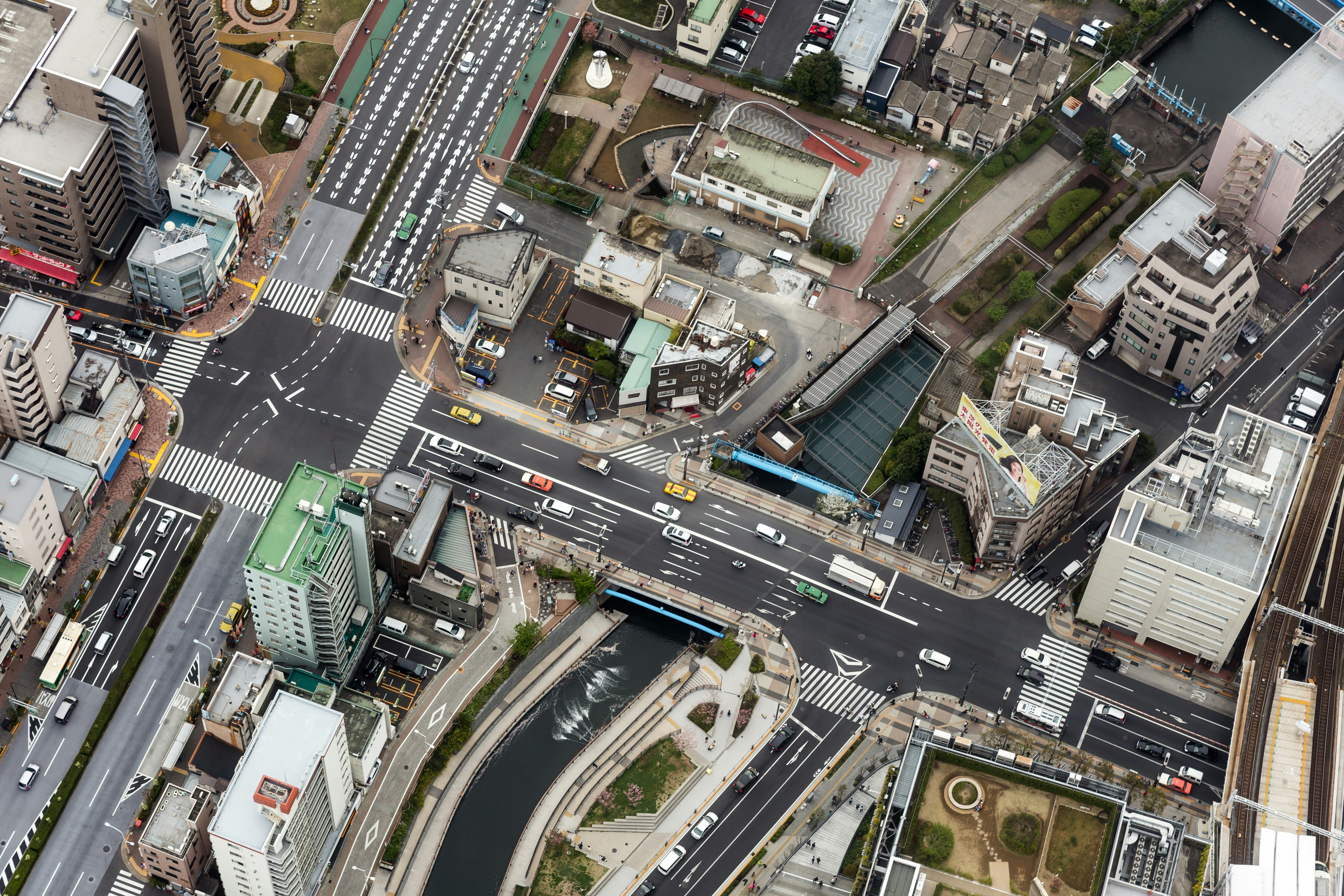
Traffic congestion remains a significant challenge for urban areas in India, with escalating vehicle numbers contributing to pollution and reduced productivity. The AI revolution is expected to play a crucial role in redeveloping urban infrastructure and ensuring smoother traffic flows. Smart traffic management systems could analyze real-time data to adjust signal timings, provide alternate routes, and update commuters through applications connected to an integrated transport network.
Moreover, the healthcare sector is on the brink of a transformative evolution. AI applications will likely enhance diagnostic accuracy, streamline administrative processes, and improve patient data management. By harnessing vast datasets, healthcare providers can offer personalized treatment plans, ensuring timely responses and reducing the burden on an already strained system. In this utopian vision for India, advances in AI are poised to create a resilient society ready to face the challenges of the future.
The Water Crisis: AI-Powered Solutions
India faces significant challenges concerning its water resources, exacerbated by a rapidly growing population and climate change. However, advancements in artificial intelligence (AI) have provided innovative solutions that address these issues effectively. One of the most notable applications of AI can be found in water recycling initiatives, where smart technologies transform wastewater into reusable water. By employing AI algorithms for real-time monitoring and treatment, these systems ensure high-quality recycled water, significantly reducing reliance on freshwater sources.
Furthermore, the implementation of smart irrigation technologies has revolutionized the agricultural sector, which is a major consumer of water in India. AI-driven irrigation systems utilize soil moisture data, climate conditions, and crop requirements to optimize water usage. This technology not only conserves water but also enhances crop yield, paving the way for more sustainable farming practices. As efficient irrigation becomes more widespread, the pressure on existing water supplies diminishes, demonstrating the power of AI in promoting water conservation.
In addition to water recycling and smart irrigation, predictive analytics has become a crucial tool for water distribution management. AI systems analyze patterns in water consumption, forecasting demands based on factors such as population growth and seasonal variations. This proactive approach enables city planners and water management authorities to allocate resources more efficiently, preventing water shortages and wastage. The integration of AI in these critical processes illustrates a promising pathway toward ensuring water security in India.
These advancements reflect the collaborative efforts of government policies and public-private partnerships that have fostered innovation in the water sector. By supporting research, development, and the deployment of AI technologies, stakeholders are addressing India’s water crisis more effectively and sustainably. The collective endeavor enhances resilience against future water challenges, showcasing a transformative approach to resource management in the nation.
Transforming Traffic Management Through AI
The integration of artificial intelligence (AI) into traffic management has significantly transformed urban mobility in India. By leveraging real-time data collection and analysis, cities can optimize traffic flow and reduce congestion. Smart traffic management systems utilize various data sources, including traffic cameras, sensors, and mobile applications, to continually assess road conditions and traffic patterns.
One major advancement is the optimization of traffic signal timings. AI algorithms analyze traffic density and adjust signal phases accordingly, minimizing wait times and improving vehicular flow. This leads to smoother transitions at intersections and allows for a more responsive traffic system overall. The deployment of machine learning algorithms ensures that these systems learn from historical traffic data, adapting to patterns, and even predicting peak times based on seasonal trends and events.
Furthermore, autonomous vehicle technology plays a pivotal role in enhancing traffic management. With nearly 60% of urban traffic attributed to road users, self-driving vehicles equipped with AI can interact with traffic management systems to make real-time navigational decisions. This could reduce potential vehicular conflicts and ultimately lower accident rates, which are significant concerns in densely populated urban areas.
Cities like Pune and Bangalore are examples of smart cities that have adopted these AI-driven traffic solutions. In Pune, for instance, a network of smart traffic lights has been implemented that adjusts to traffic conditions, leading to a 30% reduction in congestion during peak hours. The economic implications of these improvements are substantial; reduced travel times enhance productivity and contribute positively to a city’s economy.
In summary, the integration of AI in traffic management in urban India is not merely about reducing congestion but also enhancing the overall quality of life for residents. This transformation signals a shift towards more sustainable urban planning, reducing pollution and optimizing infrastructure utilization.
Healthcare Innovations: AI in Medicine
The revolutionary impact of artificial intelligence (AI) in the field of healthcare has ushered in an era of improved diagnostics, patient management, telemedicine, and personalized medicine. As of 2035, these innovations have fundamentally transformed the healthcare landscape in India, making access to quality healthcare more equitable and efficient for various demographics.
One major breakthrough is the implementation of AI-driven diagnostic tools that analyze medical images and data with unparalleled precision. For instance, algorithms powered by deep learning now assist radiologists in identifying conditions such as tumors and fractures at an earlier stage than traditional methods. A notable case study highlights the use of AI in breast cancer screening, where a machine-learning algorithm demonstrated a higher accuracy rate compared to human experts, significantly aiding in early detection and treatment.
In terms of patient management, AI solutions have streamlined the workflow within healthcare facilities. Hospitals have adopted AI systems that can predict patient admission rates based on historical data, optimizing resource allocation and reducing waiting times. These predictive analytics have proven vital in triaging patients, allowing healthcare providers to prioritize cases based on severity and urgency.
Telemedicine’s evolution owes much to AI as well. With advancements in virtual consultations, AI-powered platforms facilitate real-time diagnosis and treatment suggestions. Chatbots and virtual health assistants provide patients with immediate responses to health inquiries while triaging symptoms before actual medical attention, thereby enhancing the overall patient experience.
Lastly, personalized medicine has reached new heights through AI. With the analysis of genetic information and personal health data, AI algorithms devise tailored treatment plans that cater to individual patient needs. This approach not only improves treatment efficacy but also minimizes adverse effects by determining the most suitable interventions based on a patient’s unique genetic makeup and lifestyle.
In conclusion, the integration of AI in healthcare has fostered significant advancements in diagnostics, patient care, and personalized treatment. These innovations contribute to a more accessible and higher quality of healthcare services across diverse populations in India.
The Role of Government and Policy Frameworks
The integration of artificial intelligence (AI) into critical sectors such as water management, traffic systems, and healthcare in India necessitated a robust policy framework established by the government. A well-structured regulatory environment played a pivotal role in fostering innovation and ensuring that AI technologies could be effectively implemented to address long-standing challenges. The government recognized the potential of AI to enhance efficiency and sustainability across these sectors and initiated a series of measures aimed at supporting its adoption.
One of the key strategies involved the development of comprehensive regulatory measures that outlined the ethical use of AI. By establishing guidelines that protect data privacy and ensuring algorithmic transparency, the government aimed to build trust among the public regarding AI applications. Additionally, this regulatory framework facilitated collaborations between public institutions and private tech companies, streamlining the process for the deployment of AI solutions. Such partnerships were instrumental in harnessing technological advancements while catering to the unique needs of the Indian context.
Furthermore, the government implemented targeted funding strategies to support AI initiatives across various sectors. Financial incentives, grants, and subsidies were made available to encourage research and development in AI technologies. This funding not only stimulated innovation but also attracted significant investment in AI start-ups focused on resolving water crises, optimizing traffic management systems, and improving healthcare services.
Moreover, fostering collaborative networks among academia, industry, and government agencies proved to be a cornerstone of successful AI implementation. These collaborations allowed for the pooling of resources, knowledge, and expertise, facilitating the deployment of advanced AI-driven solutions. Overall, the proactive role of government, coupled with well-defined policy frameworks, has been crucial in paving the way for AI integration in solving India’s pressing challenges in 2035.
Empowering Citizens: Public Engagement and Awareness
In the vision for a utopian India by 2035, the role of public engagement and awareness initiatives is paramount. The integration of artificial intelligence (AI) into various sectors, particularly in solving water, traffic, and health crises, has been substantially influenced by the active involvement of citizens. Educational campaigns and community-driven projects have served as the backbone in not only disseminating information but also fostering an understanding of AI technologies among the public.
Community workshops tailored for different demographics have played a significant role in demystifying AI applications. These workshops discussed topics such as water management systems powered by AI, smart traffic analytics, and healthcare innovations for early diagnosis. By emphasizing real-life applications, citizens were able to grasp how these technologies would directly improve their daily lives. The outreach initiatives also provided platforms for local voices, encouraging feedback that shaped the implementation of AI-driven solutions.
The establishment of citizen advocacy groups has further bolstered these efforts. These groups not only raised awareness about the benefits and opportunities presented by AI but also ensured that diverse perspectives were captured in the decision-making processes of local governments. Through forums, seminars, and digital campaigns, members of these groups actively promoted discussions about ethical considerations, data privacy, and equitable access to technology, which were pivotal in building public trust in AI systems.
Moreover, success stories from various projects that utilized AI technology highlighted significant improvements in resource management, traffic decongestion, and health care accessibility. By showcasing tangible benefits, awareness campaigns successfully instilled a sense of ownership and responsibility among citizens, encouraging them to actively participate in local governance and innovation. The resulting collective effort not only empowered individuals but also unified communities towards a shared vision of a technologically advanced, sustainable society.
Environmental Impact: Sustainable Practices
The integration of artificial intelligence (AI) into India’s urban infrastructure has yielded significant environmental benefits, particularly in water management and traffic optimization. By utilizing AI-driven technologies, India has been able to enhance water conservation efforts, streamline distribution, and manage quality more effectively. Through predictive analytics, AI systems can forecast water demand and supply, allowing for the efficient allocation of this vital resource. This not only reduces wastage but also contributes to sustainable usage practices, ensuring that water scarcity issues are mitigated.
In urban environments, the implementation of AI-based transport systems has led to optimized traffic flow, thereby reducing congestion and minimizing travel times. Intelligent transportation systems utilize real-time data to manage traffic lights, reroute vehicles, and inform passengers of the most efficient travel routes. As a result, there has been a notable reduction in vehicle emissions, which aligns with broader sustainability goals. This shift towards more effective transit solutions has the dual benefit of enhancing mobility while significantly lowering carbon footprints in densely populated cities.
Moreover, AI technologies have fostered greener practices by promoting carpooling and public transportation usage. Incentives for using shared transport modes are being enhanced through AI algorithms that predict and optimize routes, making them more appealing to commuters. This collaborative model not only fosters community engagement but also serves to decrease reliance on single-occupancy vehicles, thus diminishing the overall environmental impact of urban transport.
In summary, AI has played a critical role in advancing sustainable practices in India. By improving water management and optimizing transportation, these technologies have made substantial contributions to reducing environmental footprints, promoting greener urban practices, and ensuring more efficient use of natural resources, paving the way for a sustainable future in urban India by 2035.
Challenges and Limitations: The Road to Utopia
The journey towards a utopian future in 2035, where artificial intelligence (AI) seamlessly resolves India’s water, traffic, and health crises, has encountered significant challenges and limitations. One of the primary hurdles is the technological disparity across regions. While urban areas have been able to embrace AI-driven solutions, rural regions often lag behind due to inadequate infrastructure and limited digital literacy. This gap creates an uneven playing field, leading to unequal benefits from AI advancements, and fuels concerns about deepening social inequalities.
Moreover, the rapid proliferation of AI technologies raises serious privacy concerns. The increased reliance on data-driven decision-making necessitates extensive data collection, which can compromise individual privacy rights if not handled responsibly. Instances of data breaches and misuse of personal information have heightened public skepticism, prompting demands for stringent regulations to safeguard citizens’ privacy. Striking a balance between innovation and the protection of individual rights remains a pivotal issue in realizing the envisioned utopia.
Resistance to change also poses a formidable obstacle. The integration of AI into daily life requires a cultural shift, as many individuals and organizations are hesitant to abandon traditional practices. Fear of job displacement due to automation further exacerbates this resistance. To ease tensions and foster acceptance of AI solutions, it is crucial for stakeholders to actively engage communities through awareness programs and job reskilling initiatives. This engagement fosters a sense of ownership over technological advancements and mitigates fears associated with obsolescence.
In summary, while the vision of a utopian 2035 is compelling, addressing these challenges—technological disparities, privacy concerns, and resistance to change—will be crucial for creating an inclusive future where the benefits of AI are universally accessible throughout India.
Conclusion: Lessons Learned and Future Outlook
As we reflect upon the transformative changes witnessed in India by 2035, it becomes evident that the integration of artificial intelligence has played a pivotal role in addressing critical challenges in water management, traffic regulation, and healthcare. The key takeaway from these advancements is the importance of leveraging technology to create sustainable solutions tailored to specific regional needs. By employing AI to analyze data patterns, forecasting demands, and implementing targeted strategies, India has set a precedent for how technology can be utilized effectively.
Another crucial lesson learned includes the significance of collaboration between governmental bodies, tech companies, and local communities. The success of AI applications in managing water resources, optimizing traffic flows, and delivering healthcare services illustrates that achieving substantial improvements requires a united effort. Stakeholders must work together to ensure that technology is not only effective but also accessible and inclusive, catering to diverse populations across urban and rural landscapes.
Looking ahead, the continued evolution of artificial intelligence promises further enhancements in various sectors beyond those addressed in this account. Future innovations may bring about smarter cities, improved energy management systems, and sophisticated agricultural practices capable of addressing food security challenges. As AI systems become more integrated into daily life, the potential for enhancing quality of life while separating human labor from menial tasks appears highly promising.
In summation, the journey of a Utopian India serves as an illustrative case study, emphasizing adaptability and foresight. By adopting AI-driven initiatives, other nations facing similar dilemmas can draw inspiration from India’s blueprint, aiming to harness technology for widespread societal advancement. The path towards a harmonious coexistence between technology and daily life is unfolding, and nations must remain vigilant, fostering environments where innovation can thrive for the betterment of all.