Introduction to AI in Weather Forecasting
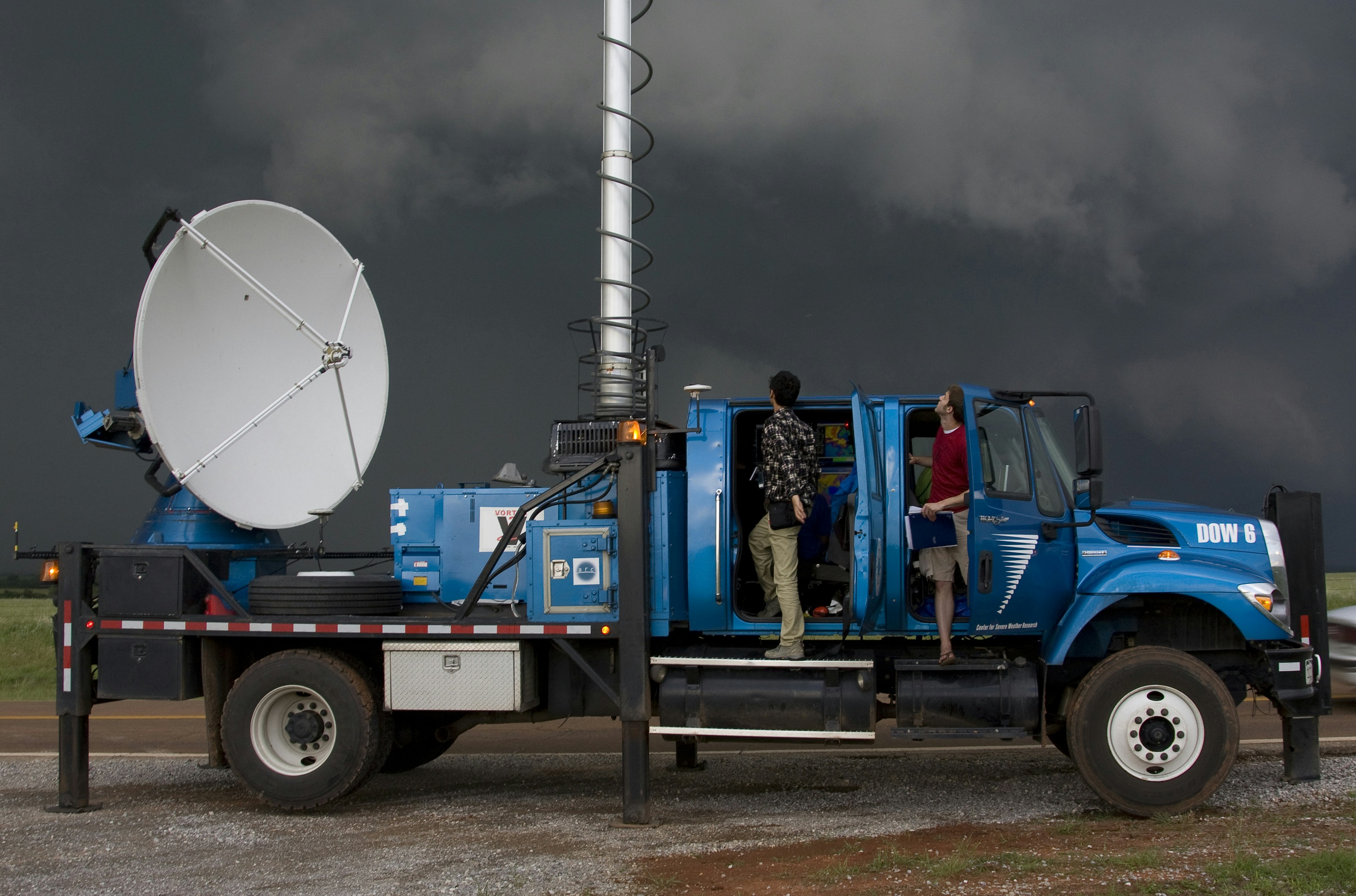
The application of artificial intelligence (AI) in weather forecasting represents a significant evolution in meteorological practices. Traditionally, weather forecasting relied heavily on mathematical models and human expertise to analyze vast amounts of atmospheric data. These classical approaches, while effective, often encountered limitations in accuracy and timeliness, particularly during rapidly changing weather conditions.
Historically, meteorologists used deterministic models that predict outcomes based on initial conditions. These models would assimilate observational data such as temperature, humidity, and wind speed into a framework of atmospheric physics. However, despite the advancements made in these traditional forecasting systems, they often struggled with complex weather patterns, which could lead to inaccurate predictions. The onset of machine learning and deep learning techniques has paved a new path in this field, allowing for more dynamic and responsive forecasting.
In recent years, AI technologies have been introduced into forecasting, enhancing both the speed and accuracy of weather predictions. By leveraging vast datasets and sophisticated algorithms, AI can identify patterns within the data that human forecasters might miss. This approach not only sharpens overall forecasting capabilities but also enables meteorologists to provide more localized and nuanced predictions. Tools such as Graphcast and Fourcastnet exemplify the advancements achieved by integrating AI into weather forecasting, showcasing how machine learning can improve upon historically established methods.
As we delve deeper into the specific AI models revolutionizing weather prediction, it becomes clear that the influence of artificial intelligence in meteorology has marked a notable departure from traditional practices, setting the stage for further innovations in the field.
What is Graphcast and How Does It Work?
Graphcast is an innovative weather prediction model that leverages graph-based deep learning techniques to enhance forecasting accuracy. This architecture differs significantly from conventional methods by modeling weather phenomena as interconnected nodes on a graph, thereby capturing the complex relationships between various meteorological variables. Through this representation, Graphcast can analyze and predict weather patterns more effectively than traditional systems.
At the core of Graphcast’s methodology is its ability to interpret spatial and temporal data in a way that recognizes both the physical distance and the influence of different atmospheric components. It incorporates an array of data inputs, including satellite imagery, ground station measurements, and historical weather data, which collectively contribute to a comprehensive understanding of prevailing weather conditions. The model utilizes these inputs to generate forecasts for various weather phenomena, including temperature variations, precipitation, and extreme weather events such as storms and heatwaves.
The key innovations brought forth by Graphcast stem from its unique graph construction and the deep learning algorithms it employs. The model is designed to optimize learning through extensive training on vast datasets, which enhances its predictive capabilities. Graphcast’s architecture enables it to quickly adapt to shifting weather patterns, making it a highly responsive tool in the field of meteorology. As a result, forecasts generated by Graphcast show improved accuracy in both short-term and long-term predictions, allowing meteorologists to provide timely and reliable information to the public.
Understanding Fourcastnet and Its Impact on Forecasting
Fourcastnet is an innovative weather forecasting model that employs advanced artificial intelligence techniques to enhance the accuracy and speed of weather predictions. Unlike traditional forecasting models that rely heavily on numerical weather predictions, Fourcastnet leverages deep learning methodologies to analyze vast datasets from a wide variety of atmospheric components. This capability allows Fourcastnet to provide more detailed insights into weather patterns and phenomena.
One of the key differentiators of Fourcastnet is its architecture, specifically designed to process and interpret temporal sequences of atmospheric data efficiently. The model utilizes convolutional neural networks (CNNs) and recurrent neural networks (RNNs) that enable it to learn from historical weather data, thereby continuously improving its predictive capabilities. This characteristic sets it apart from conventional models that often utilize static datasets and predefined variables. Consequently, Fourcastnet can adapt to new data more rapidly, resulting in timely updates and enhanced accuracy in forecasts.
Furthermore, Fourcastnet exhibits significant improvements over traditional methods, such as faster processing times and a greater focus on local scale weather features, which are crucial for precise predictions. Traditional models often aggregate data on broader scales, potentially missing localized weather events. In contrast, Fourcastnet’s ability to focus on these finer details makes it particularly effective for applications requiring timely information, such as severe weather event tracking or urban planning.
Additionally, the model’s capability to integrate multi-source data inputs allows it to provide comprehensive forecasting. By synthesizing satellite observations, meteorological data, and even social media inputs concerning weather conditions, Fourcastnet ensures a holistic approach to forecasting. Overall, its design marks a significant step forward in the field of AI weather forecasting, making it a crucial player in enhancing prediction accuracy and deliverability.
Comparative Analysis of Graphcast and Fourcastnet
In the realm of weather forecasting, Graphcast and Fourcastnet have emerged as noteworthy AI-driven models, each offering unique methodologies and strengths. This comparative analysis highlights key differences and similarities in their approaches, performance metrics, and potential application areas, contributing to the understanding of their roles in advancing meteorological predictions.
Methodological Differences: Graphcast leverages a graph-based representation of atmospheric data, enabling it to capture complex relationships within the data more effectively. This approach utilizes graph neural networks, which allow Graphcast to process information in a more spatially aware manner, making it highly adept at locating weather patterns. On the other hand, Fourcastnet employs a convolutional neural network (CNN) framework, emphasizing traditional grid-based data processing. Fourcastnet’s architecture is finely tuned to handle large datasets but may not encapsulate spatial dependencies as profoundly as Graphcast.
Performance Metrics: Both models have shown impressive performance in forecasting accuracy. Graphcast tends to excel in real-time weather updates due to its efficient processing of dynamic data streams. Alternatively, Fourcastnet demonstrates robustness in long-term forecasts; however, it may require more computational resources, which could impede real-time application in certain scenarios.
Application Areas: The choice between Graphcast and Fourcastnet may largely depend on specific forecasting requirements. For applications that necessitate rapid updates and adaptability, such as severe weather alerts, Graphcast may be the preferred choice. Conversely, for academic research or climate modeling that benefits from extensive historical data analysis, Fourcastnet could prove advantageous.
In conclusion, understanding the comparative strengths and weaknesses of Graphcast and Fourcastnet allows meteorologists and researchers to select the most appropriate model tailored to their specific weather forecasting needs, paving the way for more accurate predictions and improved climate insights.
The Role of Big Data in AI Weather Forecasting
In recent years, the emergence of advanced technologies in weather forecasting, particularly those utilizing artificial intelligence, has revolutionized how meteorologists anticipate and analyze atmospheric conditions. Central to these advancements is the role of big data, which encompasses extensive datasets of both historical and real-time weather information. The ability to harness this data allows AI-driven platforms like Graphcast and Fourcastnet to significantly enhance their predictive capabilities.
Big data, characterized by its volume, velocity, and variety, is essential for developing accurate and reliable weather forecasts. AI algorithms thrive on large datasets, enabling them to identify patterns, correlations, and anomalies that might elude traditional forecasting methods. For instance, Graphcast effectively integrates vast arrays of historical weather records, satellite imagery, and climate modeling, which bolster the accuracy of its predictions. By analyzing weather trends over time, this AI model can make informed forecasts that account for a wide range of variables in real-time.
Similarly, Fourcastnet employs deep learning techniques designed to process temporal data rapidly, enhancing its responsiveness to changing weather patterns. The ability to utilize streaming data further empowers Fourcastnet, as it processes incoming weather information to refine predictions on the go. Such proactive approaches allow both platforms to adjust forecasts based on newly acquired data, thus minimizing errors and improving reliability.
The synergy between big data and AI illustrates how technological advancements are reshaping meteorology. The continuous influx of data—from weather stations, radar, and satellite feeds—ensures that these AI systems remain current and relevant. Consequently, big data has become an indispensable component in crafting sophisticated forecasting models, enabling enhanced precision in predicting weather phenomena and contributing to better preparedness for severe weather events.
Challenges Facing AI in Weather Forecasting
Artificial Intelligence (AI) has emerged as a powerful tool in weather forecasting, particularly with advanced models like Graphcast and Fourcastnet. However, these technologies are not without their challenges. One of the critical limitations faced by AI models is the quality of data. Weather forecasting relies heavily on high-resolution and accurate data from a variety of sources, including satellite observations, weather stations, and atmospheric models. Discrepancies and gaps in this data can lead to inaccurate forecasts, undermining the reliability of AI systems.
Another significant hurdle relates to the computing power required to process vast amounts of meteorological data. AI algorithms often necessitate substantial computational resources, especially when operating at high resolutions or when simulating complex atmospheric phenomena. As a result, access to advanced computing infrastructure can be a limiting factor, especially for smaller institutions or those in developing regions.
Moreover, the intricacies of atmospheric science pose inherent challenges to AI applications in weather forecasting. The atmosphere is governed by numerous variables that interact in complex ways, complicating predictions. Traditional meteorology has developed over decades to address these complexities, whereas AI models, while innovative, may not fully incorporate the nuanced understanding of atmospheric dynamics. This gap can result in variations in forecast performance, particularly under extreme weather conditions.
Despite these challenges, ongoing research and development are essential to enhance the integration of AI in weather forecasting. By addressing data quality issues, improving computational resources, and deepening our understanding of atmospheric patterns, we can unlock the full potential of AI technologies like Graphcast and Fourcastnet in generating accurate and timely weather predictions.
The Future of AI in Weather Forecasting
The future of artificial intelligence in weather forecasting promises significant advancements that could revolutionize how we predict and respond to atmospheric events. As technology evolves, we anticipate the emergence of more sophisticated AI models dedicated to atmospheric analysis. These next-generation models are expected to leverage complex algorithms capable of integrating vast amounts of data from multiple sources, such as satellites, geographical information systems, and real-time weather sensors.
Moreover, the integration of Internet of Things (IoT) devices into weather forecasting systems is likely to enhance our ability to provide hyper-local forecasts. IoT technology will enable the collection of real-time data from various environmental sensors distributed across different terrains, offering detailed insights into microclimates. This data can be fed into AI algorithms to generate updated and highly localized weather predictions, improving the accuracy of forecasts for specific areas.
Looking ahead, there is also potential for collaborative platforms that leverage AI for community-based weather prediction. By utilizing crowd-sourced data and machine learning, researchers and developers can create innovative forecasting tools that empower citizens to contribute their local observations. This communal approach may lead to more responsive and adaptable forecasting systems, ultimately improving public safety and resource management during extreme weather events.
Furthermore, advancements in computational power and the development of innovative architectures, such as Graphcast and Fourcastnet, will likely facilitate more extensive and efficient simulations of weather patterns. These models could simulate a greater number of variables with unprecedented precision, producing forecasts that reflect the complexities of our atmosphere more accurately than ever before.
Case Studies and Real-World Applications
The integration of advanced AI models such as Graphcast and Fourcastnet into weather forecasting practices has yielded notable results across various sectors. In agriculture, farmers have begun utilizing Graphcast for precise weather predictions to enhance crop yields. By providing accurate forecasts of rainfall and temperature fluctuations, farmers can optimize planting schedules and manage irrigation more effectively, resulting in increased productivity and sustainability within the agricultural domain.
Another significant application of these AI-driven models is in disaster management. For instance, Fourcastnet has been instrumental in predicting severe weather events such as hurricanes and thunderstorms, allowing local governments and emergency services to prepare and respond effectively. Accurate forecasts lead to timely evacuations and resource allocation, ultimately saving lives and minimizing property damage. Case studies from regions prone to natural disasters indicate a decrease in the impacts of storms due to improved readiness based on AI-generated weather forecasts.
Moreover, both Graphcast and Fourcastnet have found applications in climate research, where they assist scientists in understanding long-term climate trends and patterns. For example, researchers have utilized these models to simulate and predict shifts in climate zones, aiding in biodiversity conservation efforts and policy formulation. The ability to generate reliable climate data has proven invaluable in informing strategies aimed at mitigating the impact of climate change.
The deployment of Graphcast and Fourcastnet highlights a shift towards leveraging cutting-edge technologies for enhanced weather forecasting accuracy. As these models gain widespread adoption, their contributions across agriculture, disaster management, and climate research illustrate the transformative potential of AI in addressing complex weather-related challenges.
Conclusion: The Promise of AI in Meteorology
As we explore the advancements in artificial intelligence for weather forecasting, it becomes evident that technologies like Graphcast and Fourcastnet mark a significant leap forward in the field of meteorology. These innovative systems harness vast amounts of data, employing sophisticated algorithms to deliver precise and timely weather predictions. The ability of AI to analyze complex atmospheric patterns allows it to perform with unrivaled accuracy, rivaling traditional forecasting methods.
The integration of AI in meteorology presents a remarkable opportunity to enhance our understanding of weather systems. For instance, the use of machine learning models not only reduces forecast errors but also enables meteorologists to anticipate and analyze extreme weather events with greater success. As society increasingly faces the impacts of climate change, effective weather forecasting becomes imperative for disaster preparedness and resource management, making AI technologies essential tools in these efforts.
Furthermore, the ongoing research in AI-driven forecasting applications points towards a future where weather predictions can evolve in real time. The continuous development of systems like Graphcast and Fourcastnet exemplifies the dynamic nature of this technology, highlighting the need for sustained investment and research in AI solutions. The insights gained from improved weather forecasting can greatly benefit various sectors, including agriculture, transportation, and urban planning.
In summary, the growing use of artificial intelligence in weather forecasting symbolizes a transformative shift in meteorology. It emphasizes the importance of embracing technological advancements to improve accuracy and understanding in weather predictions. As researchers push the boundaries of AI, the potential benefits for society will undoubtedly expand, paving the way for a safer and more informed future in weather-related decision-making.