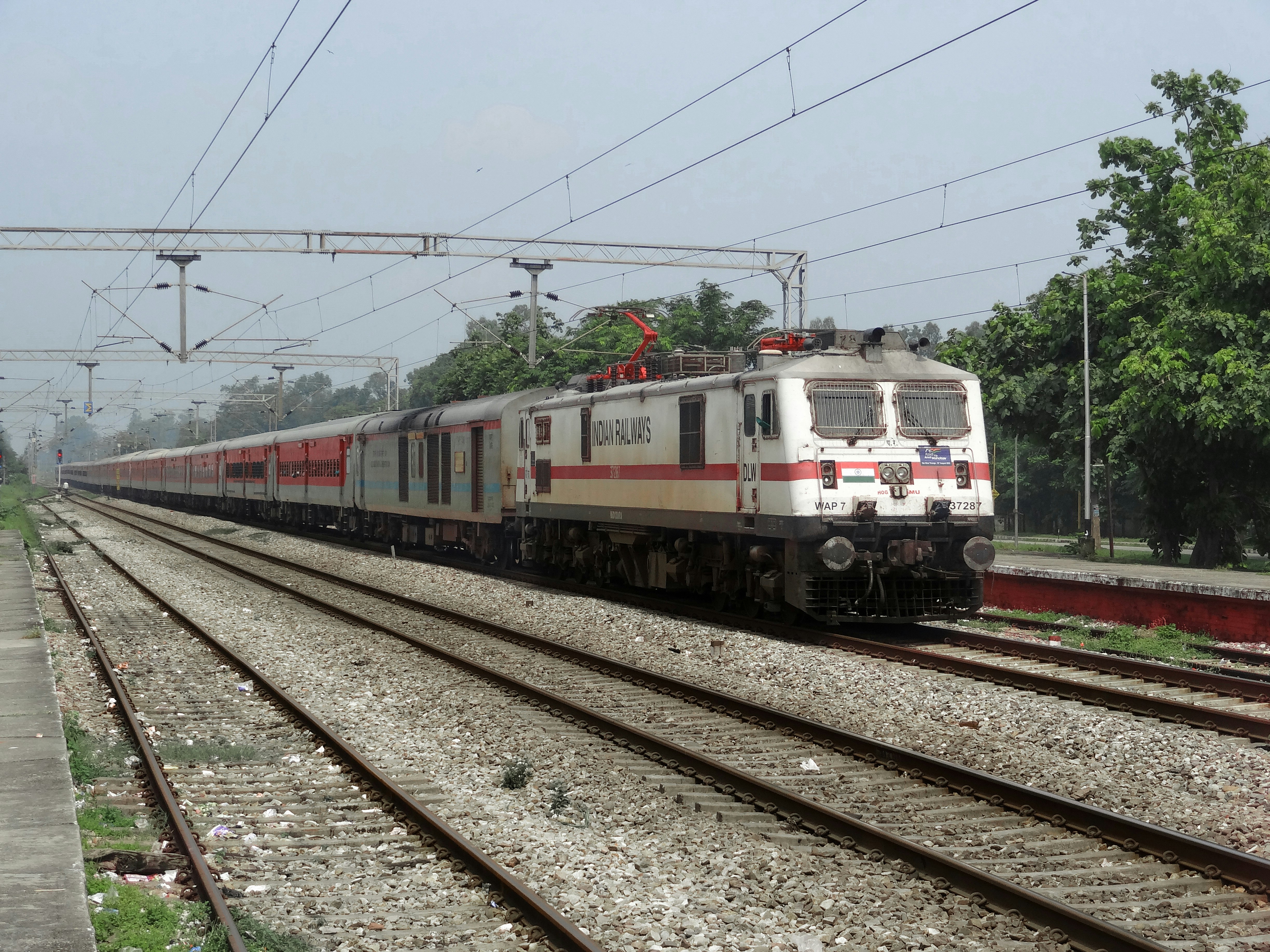
Introduction to AI in Indian Railways
The integration of artificial intelligence (AI) into Indian Railways marks a transformative phase in modern transportation management. With a network that spans thousands of kilometers and serves millions of passengers daily, Indian Railways presents a unique challenge that AI technologies are well-suited to address. The application of AI is not merely a trend but a necessary evolution for improving the efficiency, safety, and reliability of rail operations.
AI can significantly enhance operational processes in Indian Railways, particularly in areas such as delay prediction and passenger safety. By employing data analytics, machine learning algorithms, and predictive modeling, AI systems are capable of analyzing vast datasets generated by trains, schedules, and weather reports. These insights help railway operators anticipate delays and implement strategies to mitigate them, thereby improving the overall time management and service quality.
Moreover, the incorporation of AI extends to safety measures within the rail system. Advanced systems can monitor track conditions, identify potential hazards, and manage signaling with precision, which is crucial for accident prevention. Autonomous technologies and predictive analytics enhance situational awareness and responsiveness, making rail transport not only more efficient but also significantly safer.
In essence, the significance of AI in Indian Railways cannot be overstated. As the organization adopts these intelligent technologies, it stands to benefit from increased operational efficiency, reduced delays, and improved safety protocols, ultimately leading to a better customer experience. The journey towards a more AI-integrated railway system is not just about modernization but represents a commitment to meeting the evolving demands for reliable and safe rail transport in India.
The Role of AI in Delay Prediction
Artificial Intelligence (AI) plays a significant role in enhancing delay prediction for the Indian Railways, a crucial aspect given the vast network and the number of passengers transported daily. AI algorithms utilize a variety of data sources to forecast delays effectively. These sources often include historical train schedules, weather conditions, and real-time sensor data from tracks and trains.
The historical data serves as a foundation for AI models, allowing them to identify patterns and trends over time. For instance, delays caused by specific weather conditions are analyzed based on past incidents, helping algorithms learn how severe weather impacts operations. Weather-related parameters such as rain, fog, or snowfall are integrated into the predictive frameworks, guiding railway operators in making informed decisions about travel schedules.
Real-time sensor data provides an additional layer of accuracy. AI can analyze data streams from various sensors placed throughout the railway infrastructure, including track integrity monitoring and train health status. By continuously assessing these data inputs against historical trends, AI algorithms can generate timely predictions, flagging potential delays before they materialize.
Machine learning models, a subset of AI technology, can also adapt and improve their predictions over time. By incorporating feedback loops that consider actual delay outcomes versus predictions, these models refine their algorithms for better accuracy. This predictive capability is not merely reactive; it allows railway authorities to implement proactive measures to mitigate delays and improve overall safety.
Through advanced AI applications, the Indian Railways aims to reduce uncertainty associated with train schedules, enhancing operational efficiency and passenger satisfaction. With the ongoing improvements in data collection and processing capabilities, the future of delay prediction can be expected to evolve further, offering increasingly precise forecasts.
Data Sources for Delay Prediction
The efficacy of AI in predicting delays within the Indian Railways system hinges significantly on the aggregation and analysis of diverse data sources. These data sources are pivotal in creating accurate delay prediction models that can enhance operational efficiency and passenger experience.
One primary source of data comes from railway sensors installed on trains and tracks. These sensors continuously monitor a myriad of factors, such as speed, temperature, and track conditions. The information gleaned from these sensors feeds directly into AI algorithms, facilitating real-time assessments of train performance and potential delay risks.
In addition to sensor data, data analytics platforms also play a crucial role in delay prediction. These platforms analyze historical data regarding train schedules, operational timelines, and environmental factors. By utilizing advanced analytical techniques, patterns can be discerned that indicate likely delays under certain conditions. This historical analysis complements real-time sensor data, providing a comprehensive overview for AI systems to forecast potential issues.
GPS tracking systems further enrich the data pool. By offering precise locations of trains throughout their routes, GPS technology enables a minute-by-minute tracking capability. This real-time location data allows for immediate identification of delays caused by external factors, such as congestion or accidents on the tracks. Accurate tracking is essential for timely updates and efficient communication with passengers.
Moreover, real-time passenger information systems also contribute valuable data regarding train occupancy levels and passenger flow. This information is essential for understanding delays from a customer service perspective, ensuring that the needs of travelers are continuously met even amidst operational challenges.
Machine Learning Models Used in Delay Prediction
In the realm of Indian Railways, machine learning models have become instrumental in predicting train delays, thereby ensuring better operational efficiency and safety. Various algorithms are employed to analyze historical data and real-time information to make accurate forecasts concerning potential delays. Among these, regression analysis stands out as one of the most widely applied techniques.
Regression analysis is utilized to understand the relationship between different variables affecting train punctuality, such as weather conditions, track maintenance schedules, and traffic patterns. By modeling these relationships, railway operators can predict delays based on current data inputs. For example, if there is an anticipated increase in rainfall, the regression model may indicate a higher likelihood of delays in train schedules.
Another powerful machine learning approach is the use of neural networks. These models can analyze vast datasets with multiple variables and learn complex patterns. In the context of Indian Railways, neural networks can process inputs like train speeds, historical delays, and time of day to forecast potential disruptions. The strengths of neural networks lie in their ability to adapt to new data, making them particularly suitable for the dynamic environment of railway operations.
Clustering techniques also play a significant role in delay prediction. By grouping similar patterns in past delay incidents, railway management can identify trends and apply targeted measures. For instance, clustering can help isolate specific timeframes or routes that experience recurrent delays, enabling proactive strategies to mitigate these issues. Implementing these methods collectively enhances the ability of Indian Railways to predict and manage delays effectively, thereby improving overall service reliability.
Benefits of Delay Prediction
The implementation of robust delay prediction capabilities within the Indian Railways delivers a multitude of advantages, significantly enhancing the overall efficiency and safety of train operations. One of the foremost benefits is improved customer satisfaction. By providing real-time updates on train schedules and potential delays, passengers can better plan their journeys, reducing the frustration associated with waiting times and unexpected disruptions.
Moreover, accurate delay predictions enable better resource allocation. Rail operators can adjust staffing, maintenance schedules, and train deployments based on anticipated demand and operational delays. This dynamic approach not only optimizes workforce utilization but also ensures that trains are adequately prepared for the influx of passengers during peak hours.
Operational efficiencies are substantially heightened through the integration of advanced delay prediction algorithms. These technologies analyze massive datasets to identify patterns and factors contributing to delays, enabling railway management to implement proactive measures. Such measures could include altering train routes or schedules to mitigate the impact of unforeseen incidents. Consequently, this leads to reduced operational costs and improved return on investment.
In addition to these monetary benefits, passenger safety is markedly enhanced through effective delay prediction. By accurately forecasting delays, the Indian Railways can ensure that emergency protocols are in place and that resources, such as emergency medical assistance, are readily available at critical junctures. This vigilant approach not only provides reassurance to travelers but also reinforces the railway’s reputation as a reliable mode of transportation.
AI Innovations for Enhancing Safety
Artificial Intelligence (AI) is playing a pivotal role in enhancing safety measures within the Indian Railways. The integration of advanced AI technologies has led to the development of robust safety protocols that significantly reduce risks associated with rail transportation. One of the key applications of AI in this regard is the implementation of sophisticated surveillance systems. These systems utilize computer vision and machine learning algorithms to monitor railway environments in real-time, identifying potential hazards such as intrusions on tracks or unsecured obstructions, thereby facilitating prompt intervention.
Moreover, predictive maintenance powered by AI has revolutionized train safety. By analyzing vast amounts of data collected from sensors installed on trains and railway infrastructure, AI systems can predict equipment failures before they occur. This preemptive action not only enhances the reliability of railway operations but also significantly decreases the likelihood of accidents caused by equipment malfunctions. The algorithms employed can assess factors like temperature, vibration, and track alignment, thus ensuring that any deviations from normal operational parameters are addressed in advance, thereby safeguarding passengers and staff alike.
Incident detection mechanisms utilizing AI are another critical component in ensuring safety in the Indian Railways. These systems are designed to automatically detect accidents or unusual events, such as derailments or crashes, and alert control centers without any manual intervention. By harnessing AI technologies, these mechanisms can analyze patterns in the data from various sensors and cameras along the rail tracks, enabling rapid response and effective coordination with emergency services. Through the continuous refinement of AI applications, the Indian Railways is poised to achieve unprecedented levels of safety, ensuring that passenger transport remains secure and efficient.
Collaborative AI Systems in Rail Operations
In recent years, the integration of Artificial Intelligence (AI) systems within the Indian Railways has significantly transformed rail operations, particularly in enhancing safety and efficiency. The collaboration between AI technologies and human operators is essential for optimizing decision-making processes. AI systems assist train conductors and controllers by providing timely and accurate information that aids in daily operations.
AI tools leverage big data analytics to process vast amounts of real-time data, such as train schedules, track conditions, and weather reports. This information is crucial for ensuring safe and efficient train operations. For instance, predictive algorithms can forecast potential delays by analyzing historical data patterns and current operational metrics. This predictive capability allows train conductors to make informed decisions, ultimately enhancing safety and punctuality.
Moreover, AI systems facilitate communication among various operational departments. By enabling seamless data sharing and centralized command, they ensure that every team member, from maintenance crews to dispatchers, has access to vital information. This collaborative environment fosters prompt reactions to unexpected situations, such as equipment failures or adverse weather conditions, ensuring that human operators can act swiftly to mitigate risks.
The human-AI partnership operates on the principle that while AI can provide assistance and insights, the final decision-making power lies with the trained personnel. This collaborative dynamic enhances overall operational safety as operators are equipped with comprehensive data and analyses to make the best judgment calls in real-time emergencies. Furthermore, ongoing training and adaptation are critical, as human operators learn to interpret AI insights effectively, improving their situational awareness and decision-making prowess.
With this collaborative approach between AI systems and human operators, the Indian Railways is poised to enhance safety protocols and streamline operational efficiency, paving the way for a future where technology and human expertise work hand in hand.
Challenges in Implementing AI in Indian Railways
The integration of Artificial Intelligence (AI) within the Indian Railways presents multifaceted challenges that must be addressed to ensure effective implementation. One of the foremost issues is data privacy. The railway system operates with a vast amount of sensitive passenger data, making it imperative to comply with privacy regulations. Safeguarding this data against misuse while leveraging it for predictive analytics necessitates robust data governance frameworks.
Additionally, the adoption of AI technology within the Indian Railways faces significant resistance due to the established traditional practices. Employees may be accustomed to manual processes, leading to reluctance in embracing new technologies. Change management strategies are therefore essential to facilitate smooth transitions. Moreover, the integration requires substantial financial investment in both technology infrastructure and training programs, which can strain budgetary allocations.
An equally important hurdle is the lack of skilled personnel equipped to manage AI systems effectively. The railway industry may struggle with attracting professionals with the requisite expertise in AI and data analytics. This skills gap can hinder the timely development and deployment of AI applications. Upskilling the existing workforce is crucial to overcome this limitation; however, it demands a commitment from railway authorities to invest in ongoing training and development initiatives.
Furthermore, the implementation of AI technologies often encounters challenges related to interoperability with existing systems. Legacy systems may not be compatible with new AI-driven solutions, creating integration hurdles that can impede overall effectiveness. A comprehensive assessment of existing resources and technologies is therefore essential to facilitate the seamless incorporation of AI.
Addressing these challenges is vital to realize the full potential of AI applications in enhancing delay prediction and safety within the Indian Railways.
Future of AI in Indian Railways
As Indian Railways continues to adapt and innovate, the future of Artificial Intelligence (AI) within this vast network promises to be transformative. With the rapid advancements in technology, the potential applications of AI extend beyond mere delay prediction and safety enhancements. The vision for an AI-driven railway ecosystem envisions a fully integrated system that not only prioritizes passenger safety but also optimizes operational efficiency.
One significant area where AI is expected to revolutionize operations is in predictive maintenance. By utilizing machine learning algorithms, Indian Railways can analyze vast amounts of historical data to predict equipment failures before they occur. This proactive approach will minimize downtime and reduce maintenance costs, ensuring that trains continue to run efficiently and safely.
Furthermore, the integration of AI in customer service will redefine the passenger experience. Intelligent chatbots and virtual assistants can provide real-time assistance, helping travelers with inquiries related to ticketing, schedules, and delays. Enhanced data analytics will enable the railway to understand passenger behaviors and preferences better, leading to more personalized services.
The implementation of AI-powered surveillance systems is another promising avenue. By enhancing monitoring capabilities through image and pattern recognition, the railway can bolster security measures, ensuring passengers feel safe throughout their journey. Additionally, AI can play a pivotal role in crowd management during peak travel times, assisting in intelligent scheduling and resource allocation.
Moreover, the exploration of AI applications in route optimization can lead to more efficient train scheduling, reducing travel times and improving the overall punctuality of services. These advancements will not only enhance operational efficiencies but will also lead to a more reliable travel experience for passengers.
In conclusion, the future of AI in Indian Railways holds immense potential to redefine the operational landscape and improve passenger satisfaction significantly. As the railway network continues to leverage AI technologies, it will pave the way for a highly efficient, secure, and passenger-centric transportation ecosystem.