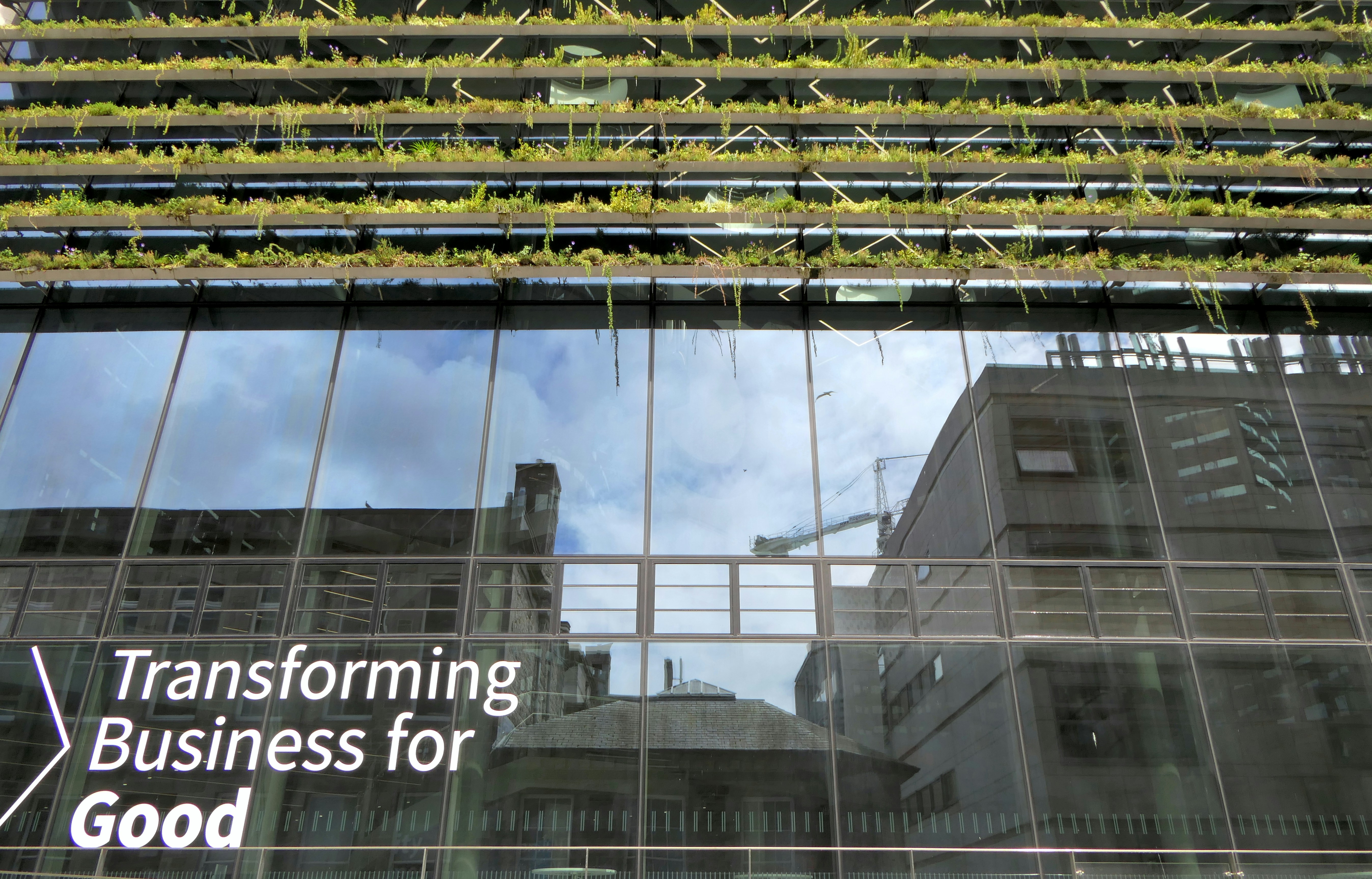
Introduction to the Global Impact Challenge
The Global Impact Challenge is an initiative aimed at addressing some of the most pressing issues faced by society today. Its primary purpose is to encourage innovative solutions that tackle these global challenges, thereby uniting communities and empowering individuals to contribute positively to their environments. By focusing on significant concerns such as climate change, poverty alleviation, and public health, the challenge seeks to create avenues for creative thinking and collaboration among diverse groups.
This initiative not only highlights the importance of innovation in solving global problems but also emphasizes the role of community engagement and cooperation. Participants are encouraged to develop ideas that transcend traditional boundaries, exploring new methods and interdisciplinary approaches. This can lead to groundbreaking solutions that may otherwise go unnoticed in a more conventional problem-solving environment.
The significance of the Global Impact Challenge is amplified by its ability to inspire individuals from various fields—be it science, technology, education, or the arts—to collaborate and share their unique perspectives. By fostering this creative synergy, the challenge aims to cultivate a culture of innovation that can address urgent issues on a global scale.
A key goal of the Global Impact Challenge is to generate enthusiasm and motivation among participants, encouraging them to think critically about the challenges faced by humanity. As individuals share their solutions and strategies, a dialogue is created, promoting awareness and understanding of the complexities inherent in global issues. This collaborative aspect is vital, as it allows for a collective consciousness that drives meaningful action.
In prioritizing innovative solutions, the Global Impact Challenge underscores the significance of collective action in producing tangible results. By harnessing the creativity and resources available within communities, this initiative aspires to not only solve immediate problems but to lay the groundwork for sustainable development and a better future.
The Airoli Submission: An Overview
The Airoli solution submission presents an innovative approach aimed at addressing some of the most pressing challenges faced by communities worldwide. This initiative centers around sustainable development, focusing specifically on enhancing the well-being of underserved populations. At its core, the Airoli submission seeks to implement scalable solutions that can adapt to diverse environments, thereby maximizing their impact.
The primary objective of the Airoli submission is to tackle critical issues such as poverty, lack of access to education, and limited economic opportunities. By leveraging technology and community engagement, the solution aims to create a framework that not only addresses immediate needs but also fosters long-term resilience among marginalized groups. This dual focus on short-term alleviation and long-term empowerment is vital in effectively combating systemic challenges.
One of the standout features of the Airoli solution is its commitment to inclusivity. It emphasizes the importance of involving local stakeholders in the design and implementation phases, ensuring that the interventions are culturally relevant and responsive to the unique needs of each community. This participatory approach not only enhances the effectiveness of the initiatives but also encourages a sense of ownership among community members.
Furthermore, the Airoli submission aligns seamlessly with the overarching goals of the Global Impact Challenge. By addressing the social, economic, and environmental dimensions of global challenges, the solution embodies the spirit of innovation and collaboration that the Challenge advocates for. This alignment amplifies the likelihood of achieving sustained impact, making the Airoli submission a promising contender in driving meaningful change on a global scale.
Understanding the Problem at Hand
The Airoli solution is designed to address a pressing global challenge linked to environmental degradation and societal instability. Over the past few decades, various factors, including urbanization and industrialization, have led to dramatic transformations in our environment. These changes have been marked by rising pollution levels, deforestation, and climate change, all contributing to an increased burden on public health and safety.
According to recent data from the United Nations, approximately 9 million people die each year due to pollution-related diseases. This staggering statistic underscores the urgency of tackling environmental issues. Additionally, it is estimated that around 1 billion people globally lack access to clean drinking water, further exacerbating health crises, particularly in underdeveloped regions. These figures not only highlight the immediate dangers posed by environmental neglect but also signal long-term implications for economic stability and social equity.
The gravity of these issues extends beyond individual health concerns. Environmental challenges disrupt local economies, particularly in communities that rely heavily on agriculture, fishing, and tourism. The degradation of natural resources impacts food security, leading to increased prices and scarcity of essential commodities. As seen in various parts of the world, such disruptions can result in social unrest, displacement, and a deterioration of quality of life.
Moreover, climate change serves as a threat multiplier, exacerbating existing vulnerabilities in communities while creating new challenges. The rise in extreme weather events, ranging from hurricanes to droughts, puts additional strain on infrastructures, often overwhelming emergency services and disaster response efforts.
In summary, the Airoli solution seeks to tackle these multifaceted issues, striving not only to mitigate environmental damage but also to foster societal resilience in the face of escalating challenges. Only through a comprehensive approach can we hope to create sustainable and equitable solutions to these global problems.
The Innovation Behind Airoli’s Solution
The Airoli submission introduces a novel approach to addressing global challenges through cutting-edge technologies and methodologies. This innovative solution not only complements existing frameworks but also significantly augments them, offering a fresh perspective to complex issues faced today. One of the standout aspects of Airoli’s submission is its use of advanced data analytics. By leveraging big data, Airoli can analyze vast amounts of information swiftly and accurately, enabling stakeholders to make informed decisions based on real-time insights.
Furthermore, Airoli incorporates artificial intelligence (AI) into its framework. The utilization of AI facilitates predictive modeling which allows organizations to assess potential outcomes before implementing solutions. This proactive stance is particularly beneficial in areas such as resource allocation and crisis management, offering a strategic advantage in mitigating negative impacts on a global scale.
Another innovative element is the focus on sustainability. Airoli emphasizes eco-friendly practices and technologies, ensuring that the solutions proposed are not only effective but also environmentally conscious. This sustainable approach distinguishes Airoli from other submissions that may overlook the long-term consequences of their implementations.
Moreover, the Airoli solution champions collaborative methodologies. By fostering partnerships among stakeholders across sectors – including government, private enterprises, and non-profits – Airoli creates a cohesive network that enhances the collective effectiveness of its initiatives. This commitment to collaboration ensures that diverse perspectives are valued, leading to more comprehensive and inclusive outcomes.
In summary, the innovation behind Airoli’s submission lies in its integration of modern technologies, sustainability practices, and collaborative models. Such a multifaceted approach not only differentiates Airoli from its competitors but also positions it as a leader in tackling global impact challenges.
Implementation Strategy of the Airoli Solution
The implementation strategy of the Airoli solution is meticulously designed to ensure effective deployment and sustainable impact. This process is structured into several key phases, which include planning, execution, monitoring, and evaluation. Each of these stages plays a critical role in achieving the desired outcomes and addressing the challenges associated with global impact.
Initially, the planning phase involves comprehensive needs assessments and resource allocation. This requires identifying necessary resources, including human capital, technology, and financial investment. During this stage, it is essential to engage stakeholders, such as local communities, project leaders, and funding organizations, to gather insights and foster collaboration. Their input is invaluable for tailoring the Airoli solution to meet specific local challenges effectively.
Following the planning phase, we move to the execution phase, where the strategies and plans are operationalized. This includes deploying resources effectively, launching awareness campaigns, and establishing partnerships with local organizations. Training sessions for community members and stakeholders are also crucial during this stage, ensuring that everyone involved understands their roles and responsibilities in the project. Such education empowers them to contribute actively to the solution and fosters a sense of ownership.
Once the implementation is underway, ongoing monitoring is essential to assess progress and make necessary adjustments. This includes regular check-ins, performance metrics, and stakeholder feedback mechanisms. Through continuous evaluation, we can identify both the successes and areas requiring improvement, allowing for timely interventions as needed.
In conclusion, the implementation strategy of the Airoli solution focuses on structured deployment, resource management, stakeholder engagement, and ongoing assessment. By following this comprehensive approach, we aim to create a robust framework that not only addresses immediate challenges but also lays the groundwork for long-term sustainability and global impact.
Potential Impact of the Airoli Solution
The Airoli Solution, designed to address critical global challenges, has the potential for considerable social, economic, and environmental impacts. By leveraging innovative technologies and sustainable practices, this initiative aims to not only mitigate existing issues but also promote long-term growth and stability.
Socially, the Airoli Solution could foster community engagement and empowerment. For instance, similar grassroots initiatives have shown that when local communities actively participate in sustainable development, they experience improved quality of life and strengthened social cohesion. Programs such as Project Drawdown have demonstrated that community-led solutions can lead to better health outcomes and education, thus creating a more informed populace that is better equipped to tackle future challenges.
Economically, the Airoli Solution aims to create jobs and drive economic growth through green technology and sustainable practices. Investing in renewable energy, for example, can create numerous job opportunities while reducing dependence on fossil fuels. The success of countries like Denmark, which has harnessed wind energy to become a leader in the green economy, supports the notion that economic upliftment is achievable through sustainable initiatives.
Environmentally, the focus of the Airoli Solution on reducing carbon footprints and conserving natural resources aligns with global sustainability goals. Case studies, such as those developed by the World Wildlife Fund, illustrate how effectively managed ecosystems can lead to significant reductions in greenhouse gas emissions while simultaneously promoting biodiversity and ecosystem resilience. By adopting similar strategies, Airoli’s approach could significantly contribute to mitigating climate change impacts.
Overall, the anticipated outcomes of the Airoli Solution are promising, with the potential to create a multifaceted positive influence across social, economic, and environmental domains. Its effectiveness will, however, depend on mindful implementation and collaboration with key stakeholders globally.
Challenges and Risks Involved
The implementation of the Airoli solution is not without its inherent challenges and risks, which may significantly impact its effectiveness and overall reception. One of the primary obstacles is funding. Adequate financial resources are essential to initiate and sustain the project, yet securing investments can be daunting, especially amidst competing priorities within the public sector or private funding networks. If not adequately addressed, insufficient funding may lead to delays or scaled-back offerings, diminishing the anticipated benefits of the solution.
Public perception is another crucial factor that can pose challenges to the implementation of the Airoli solution. Community engagement and acceptance are paramount for the success of any initiative associated with global impact. Negative perceptions stemming from misinformation or lack of understanding about the solution’s objectives could undermine public support and participation. An efficient communication strategy is therefore essential to build trust and garner enthusiasm among stakeholders.
Regulatory issues further complicate the deployment of the Airoli solution, particularly when navigating environmental laws, safety regulations, and compliance standards. Each jurisdiction may present unique challenges, requiring adaptable strategies to align the initiative with existing legal frameworks. Non-compliance can lead to delays, increased costs, or even project cancelation, making it imperative for project leaders to engage with policymakers early in the planning process.
Lastly, technological hurdles can impede the implementation of the Airoli solution. The integration of advanced technologies requires not only substantial expertise but also ongoing maintenance and support infrastructure. Issues such as system compatibility, cybersecurity threats, and the pace of technological advancements can introduce unforeseen complications during and after implementation, necessitating a proactive risk management approach to address these difficulties effectively.
Future Scope and Improvements
The Airoli solution has demonstrated significant potential in addressing urgent global challenges. As we look toward the future, several opportunities for scaling this innovative solution emerge. The initial implementation of Airoli has laid a solid foundation, but the demand for scalability necessitates careful planning and execution. Expanding its reach to diverse geographic locations while tailoring the approach to specific local needs can enhance its effectiveness and acceptance.
Establishing strategic partnerships with organizations that share similar values could further augment Airoli’s impact. Collaborations with non-profits, governmental agencies, and corporate entities can provide access to additional resources, expertise, and networks essential for large-scale deployment. These partnerships can also facilitate knowledge-sharing, leading to refined methodologies that adapt to the evolving complexities of global challenges. Moreover, engaging with technology providers can allow for the incorporation of advanced solutions such as artificial intelligence and data analytics, enhancing the operational capacities of the Airoli solution.
Continuous improvement will be crucial as Airoli scales. Gathering feedback from stakeholders is essential in identifying strengths and weaknesses; these insights can inform future adjustments to the solution. Implementing a robust system for data collection and analysis will play a significant role in this process. By assessing user satisfaction, operational efficiency, and overall impact, decision-makers can prioritize areas needing enhancement. Iterative development, where the Airoli solution is regularly updated based on real-world performance and changing conditions, will ensure its relevance and effectiveness.
In conclusion, focusing on scalability, forging strategic partnerships, and committing to ongoing improvements are key components for the future advancement of the Airoli solution. This proactive approach will enhance its global impact and sustainability in addressing pressing challenges in contemporary society.
Conclusion and Call to Action
In summation, the Airoli solution submission represents a proactive approach to addressing some of the most pressing global challenges we face today. By integrating innovative strategies and fostering community-centric initiatives, the Airoli proposal highlights the importance of collaboration among diverse stakeholders—from governments and NGOs to local businesses and individuals. Each of these entities plays a vital role in implementing sustainable solutions that not only benefit local ecosystems but also contribute to broader global efforts in combating climate change and promoting environmental justice.
The salient features of the Airoli initiative, such as its focus on renewable energy, community empowerment, and resource management, reveal a comprehensive framework that is adaptable and resilient. This multifaceted approach not just aims to mitigate the adverse impacts of environmental degradation but also seeks to create a sustainable future for generations to come. Hence, it is imperative for us as a society to actively engage with the Airoli initiative.
We encourage readers to take action by supporting the Airoli solution in various forms. Whether through advocacy, volunteering, or financial contributions, every effort counts in amplifying the message that sustainable practices and global cooperation are crucial in our fight against environmental challenges. By showing your support, you are joining a movement that aims for meaningful change and resilience against the increasing threats posed by climate change.
Let us unite in our resolve to contribute to the Airoli initiative, ensuring that our collective actions pave the way for a healthier planet and a brighter future.