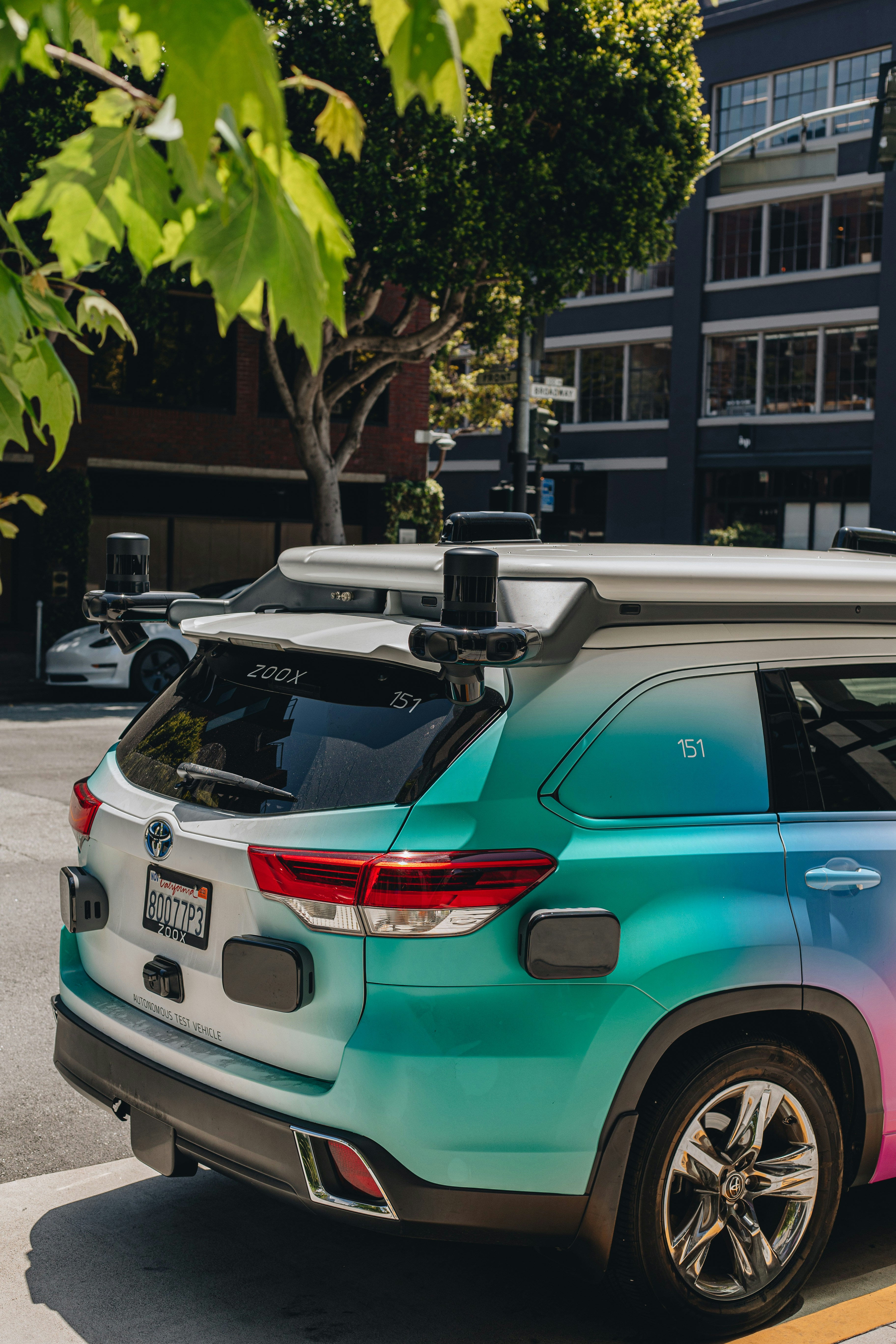
Introduction to Autonomous Traffic AI
Autonomous traffic AI agents represent a groundbreaking innovation in urban transportation management. These intelligent systems are designed to automate traffic control processes, optimizing the flow of vehicles and enhancing safety on busy streets. By employing advanced algorithms and machine learning, autonomous traffic AI can analyze real-time traffic data, predict congestion patterns, and make informed decisions that improve overall traffic efficiency.
The core functionality of these agents revolves around their ability to process vast amounts of data from various sources, such as traffic cameras, sensors embedded in roads, and GPS information from vehicles. This data allows them to identify traffic patterns, recognize anomalies, and adjust signals accordingly, thereby minimizing delays and reducing the likelihood of accidents. Furthermore, autonomous traffic AI systems can communicate with each other, creating a cohesive network that enhances collective intelligence across an entire city.
In recent years, cities like Patna have begun considering the deployment of autonomous traffic AI agents as a solution to persistent traffic management challenges. With rapid urbanization, Patna has experienced increased vehicular congestion, resulting in extended travel times and elevated pollution levels. By implementing AI-driven solutions, local authorities hope to create a more efficient traffic ecosystem that benefits both drivers and pedestrians. The integration of autonomous traffic AI could ultimately lead to smarter road usage, better emergency response times, and a significant reduction in accidents.
Current Traffic Challenges in Patna
The city of Patna, the capital of Bihar, India, faces significant traffic challenges that have repercussions on the daily lives of its residents. One of the most pressing issues is traffic congestion, which has become a ubiquitous experience for commuters. With the burgeoning population and increasing vehicle ownership, the existing road infrastructure is often inadequate to accommodate the higher volume of traffic. As a result, bottlenecks and gridlocks are common, leading to longer travel times and increased frustration among drivers.
In addition to congestion, accidents are a major concern in Patna’s traffic scenario. The rapid increase in the number of vehicles has not been matched with proportional improvements in road safety regulations or enforcement. Poorly designed intersections, lack of proper traffic signals, and inadequate signage contribute to the high incidence of road accidents. Such incidents not only endanger human lives but also exacerbate the existing challenges of traffic flow and urban mobility.
Another critical issue that cannot be overlooked is the environmental impact of traffic in Patna. The rise in vehicular emissions has led to heightened air pollution levels, which pose serious health risks to the city’s population. Studies have shown that the quality of air in urban areas like Patna deteriorates due to emissions from vehicles, with harmful pollutants affecting respiratory health and overall quality of life. Consequently, the need to explore innovative traffic solutions, such as deploying autonomous traffic AI agents, becomes essential to address these ongoing challenges and create a safer, more efficient, and environmentally friendly traffic ecosystem.
Potential Benefits of Autonomous Traffic AI
The deployment of autonomous traffic AI agents in Patna promises several significant advantages that could transform the city’s transportation landscape. First and foremost, one of the most compelling benefits lies in improved traffic flow. By analyzing real-time traffic data, these AI systems can optimize traffic signal timings, effectively reducing congestion during peak hours. Consequently, improved traffic flow not only enhances the commuting experience but also reduces fuel consumption, contributing to lower emissions and a cleaner environment.
Another critical area where autonomous traffic AI can have a profound impact is in reducing accident rates. By utilizing advanced algorithms and machine learning, these systems can predict potential hazards, allowing for proactive interventions. For example, autonomous vehicles equipped with this technology can adjust their speed or alter their route in response to emerging dangers, minimizing the potential for collisions. Enhanced safety measures, coupled with accurate monitoring of road conditions, could dramatically decrease the number of traffic-related incidents in Patna.
Moreover, autonomous traffic AI agents could optimize public transportation systems, ensuring that services are not only efficient but also responsive to real-time demand. By adjusting bus and train frequencies based on passenger needs and traffic conditions, public transport can become a more viable option for residents. This could encourage more people to use public transportation, thereby reducing reliance on private vehicles, alleviating road congestion, and leading to a more sustainable urban environment.
In exploring these benefits, it is essential to recognize that the implementation of autonomous traffic AI could revolutionize the way transportation operates in Patna, paving the way for a more efficient, safer, and eco-friendly future.
Technological Risks Associated with AI Traffic Management
The implementation of autonomous traffic AI agents introduces several technological risks that must be systematically examined to ensure successful deployment in urban areas like Patna. One primary concern is the existence of software bugs within the AI systems. Such glitches can lead to misinterpretations of real-time traffic data, which in turn can cause delays, accidents, or inefficient traffic flow. These bugs may arise from coding errors, insufficient testing before deployment, or limitations in the AI’s learning algorithms, potentially leading to serious repercussions in busy traffic scenarios.
Another significant risk lies in cybersecurity threats. As AI traffic management systems rely on interconnected networks and data exchange, they become prime targets for cyberattacks. Malicious entities could exploit vulnerabilities in the system to manipulate traffic signals or cause chaos on the roads. Ensuring robust cybersecurity measures is essential to protect against such intrusions, including encryption, regular security audits, and real-time monitoring of the AI systems.
Moreover, the reliance on data sources that may not always be reliable further complicates the risk landscape. Autonomous traffic AI agents utilize vast amounts of data, including input from sensors, satellite navigation, and historical traffic patterns. If these data sources are inaccurate, outdated, or compromised, the AI’s decision-making capabilities could be severely hindered. For instance, erroneous traffic data may lead an AI system to suggest routes that exacerbate congestion instead of alleviating it. Therefore, measures must be taken to ensure the integrity of the data utilized by these AI systems.
In summary, while autonomous traffic AI systems hold great promise for improving urban traffic flow, understanding the associated technological vulnerabilities is crucial for their successful integration. Addressing software bugs, enhancing cybersecurity, and ensuring reliable data sources will be integral to building a resilient traffic management framework in Patna.
Ethical and Social Implications
The deployment of autonomous traffic AI agents in urban settings such as Patna raises numerous ethical and social concerns that merit careful examination. Firstly, one of the significant issues is the potential for bias inherent in algorithms used to control these AI systems. Machine learning models trained on biased data can lead to unfair outcomes, where certain demographics may receive less favorable traffic management or enforcement actions. This could exacerbate existing social inequalities and raise questions about the fairness and justice of these automated systems.
Closely related to algorithmic bias are privacy concerns. The implementation of AI agents in public spaces typically involves extensive data collection, including surveillance footage and personal vehicle movement patterns. This has the potential to infringe on individuals’ privacy rights and create a society where constant monitoring becomes the norm. Citizens may feel uncomfortable or distrustful regarding how their data is collected, stored, and utilized, which can lead to broader implications for social cohesion and trust in public institutions.
Additionally, there are significant ramifications for employment within the traffic management sector. The introduction of autonomous systems could render traditional roles redundant, raising fears of widespread job losses among traffic officers and support staff. While AI can enhance efficiency, it is imperative to consider the social impact it may have on workers and the local economy. As the job market adapts, retraining and upskilling programs will be essential to help affected individuals transition into new roles that may arise from advancements in AI technologies.
Addressing these ethical and social implications will be critical to the successful integration of autonomous traffic AI agents. It is crucial for policymakers and developers to engage with stakeholders, ensuring that the deployment of such technologies aligns with public interest and ethical standards.
Road Safety and Liability Issues
The introduction of autonomous traffic AI agents in Patna poses significant questions regarding road safety and liability, particularly when these systems fail. The fundamental concern is the possibility of accidents occurring due to the malfunctioning of AI-driven vehicles. This raises the question of accountability: who is liable when an accident involves an autonomous vehicle? Unlike traditional vehicles where the driver bears responsibility, autonomous agents complicate liability. It may fall on manufacturers, software developers, or even the state for not providing proper infrastructure for these technologies.
When an automated system fails and results in a road accident, several legal scenarios can unfold. Jurisdictions might need to establish frameworks to determine liability, which could depend on factors such as whether the AI system was functioning as intended or if there was a technical error attributable to the developers. In some instances, courts may decide that liability rests with the owner of the AI vehicle if it can be shown that the owner did not maintain the vehicle correctly or ignored warnings from the system.
Public perception plays a crucial role in the acceptance of automated vehicles. If people believe that liability is ambiguous and that the technology creates safety risks, their trust in autonomous systems might diminish. This could lead to resistance against the adoption of AI agents, hampering innovation and the potential benefits these technologies offer, such as reduced traffic congestion and improved efficiency. Furthermore, establishing clear liability guidelines is imperative not just for addressing safety concerns but also for fostering public confidence. In conclusion, the interplay between road safety, liability, and public trust will significantly shape the future deployment of these autonomous traffic AI agents in Patna and beyond.
Public Acceptance and Trust in Technology
As autonomous traffic AI agents begin to make their presence felt in urban environments like Patna, public acceptance emerges as a crucial factor influencing the deployment of such technologies. Public trust in technology is not merely a passive response; it is shaped by various elements including transparency, community engagement, and prior experiences with technology. Awareness programs aimed at educating the public about the workings and benefits of AI traffic systems can significantly uplift its acceptance.
Transparency, defined as the openness about the functionalities and limitations of AI systems, is essential for building trust. When citizens understand how AI traffic agents operate, including the algorithms that guide their decision-making processes, they are more likely to perceive these systems as reliable. This trust is further reinforced through clear communication regarding data privacy concerns, inaccuracies, and potential biases in decision-making.
Community engagement plays a pivotal role as well. Involving local communities in the design and deployment stages of autonomous traffic systems fosters a sense of ownership, consequently boosting approval rates. Public forums, informational workshops, and collaborative initiatives can serve as platforms where residents express their concerns and provide insights on their needs. Establishing a feedback loop allows stakeholders to adjust AI systems according to public sentiment, thereby enhancing user experience and acceptance.
Moreover, the existing relationship between technology and society will also dictate the receptiveness to AI traffic solutions. If the public has experienced reliability and positive outcomes from previous technological advancements, they are more likely to embrace the introduction of AI in managing traffic. Conversely, past incidents involving poor technology performance can lead to skepticism and apprehension. Hence, cultivating a positive perception through consistent performance and community engagement remains essential for the successful integration of AI traffic agents.
Case Studies of Other Cities
As cities around the world pivot towards the adoption of autonomous traffic AI agents, several case studies provide valuable insights into their implementation and operational outcomes. Notably, cities such as San Francisco, Singapore, and Barcelona have pioneered the integration of autonomous traffic systems, demonstrating both operational benefits and challenges encountered during deployment.
In San Francisco, the introduction of autonomous vehicles has significantly influenced urban mobility, reducing traffic congestion in select corridors. Data collected over multiple months indicated a 20% improvement in traffic flow compared to traditional traffic systems. However, the city faced substantial public opposition related to pedestrian safety and ethical concerns, underscoring the need for robust regulatory frameworks. This highlights an essential lesson for Patna: the necessity of community engagement and policy alignment to foster acceptance of autonomous traffic AI.
Singapore provides a contrasting example, showcasing successful integration of autonomous public transport. The government actively involved stakeholders in the development process and initiated pilot projects testing self-driving buses. They reported enhanced public transport efficiency and satisfaction ratings, setting a precedent for balancing technological innovation with community needs. The crucial takeaway here for Patna is the importance of a pilot program, allowing gradual integration while assessing public perception and addressing safety concerns.
Conversely, Barcelona’s efforts met with unexpected challenges due to complex urban topography and high traffic volumes. The autonomous traffic AI systems experienced frequent disruptions, necessitating adjustments to their operational models. This experience illustrated that while technological advancements hold promise, local geographical and infrastructural factors significantly influence the effectiveness of such implementations. Therefore, Patna must consider its unique traffic dynamics when assessing the suitability of autonomous traffic AIs.
Overall, these case studies underline the critical need for tailored approaches that consider local contexts, a focus on stakeholder engagement, and adaptable regulatory frameworks to enhance the chances of success when implementing autonomous traffic AI in Patna.
Conclusion and Recommendations
In summary, the deployment of autonomous traffic AI agents in Patna presents a unique blend of opportunities and risks. As discussed, while these advanced technologies promise the potential for reduced traffic congestion and improved road safety, they also pose significant challenges. Issues such as system reliability, ethical considerations, data privacy, and the societal impact of replacing human roles in traffic management are critical areas of concern.
To ensure a responsible approach toward implementing autonomous traffic AI agents, it is imperative that several recommendations be adhered to. First, comprehensive testing and validation of AI systems should be mandated before they are deployed in real-world scenarios. This includes simulated environments that replicate the complex traffic conditions present in Patna.
Furthermore, collaboration between government agencies, technology developers, and local communities is essential. Engaging stakeholders in the planning and deployment phases can facilitate a more transparent process, allowing for the integration of local knowledge and addressing community concerns. Regular audits and monitoring of AI systems, coupled with a framework for accountability, will be vital in maintaining public trust in these technologies.
Additionally, ongoing dialogue about ethical guidelines surrounding data usage and the implications of automation on employment should be prioritized. Training programs aimed at upskilling workers impacted by these technological changes can help mitigate workforce displacement.
Lastly, public awareness campaigns to educate citizens about the benefits and limitations of autonomous traffic AI agents can foster a more informed and engaged community. By proactively addressing the outlined risks and implementing these recommendations, the deployment of autonomous traffic AI agents in Patna can lead to a safer and more efficient urban transport system.