Introduction to Flood Management Challenges in Patna
Patna, the capital city of Bihar, India, has a long history of dealing with flooding, primarily due to its geographical vulnerability and monsoon challenges. Situated along the banks of the Ganges River, the city experiences intense rainfall during the monsoon season, which often leads to significant waterlogging and flooding. Historically, the floods have caused extensive damage to infrastructure, homes, and the local economy, prompting ongoing concerns regarding efficient flood management and response strategies.
Recent trends have shown an alarming increase in the frequency and severity of flooding in Patna. Climate change has exacerbated these conditions, resulting in more unpredictable weather patterns. Moreover, urbanization has led to the reduction of green spaces and natural water drainage systems, further complicating flood response efforts. The city’s rapid development has outpaced the installation of effective drainage and flood mitigation systems, often leaving residents vulnerable to the whims of nature.
Managing flood response in Patna is a multifaceted challenge. The complexities are heightened by various factors, including the socioeconomic conditions of the population, the inadequate infrastructure to handle excess water, and the coordination required among different governmental and non-governmental agencies. Ensuring effective communication during emergencies can be hindered by technological limitations and a lack of public awareness regarding flood preparedness.
As the flood crisis continues to impact the lives of thousands in Patna, there is an urgent need for innovative flood management solutions. This calls for exploring advanced methodologies, including the use of agent swarms—intelligent systems designed to operate in a decentralized manner and respond swiftly to changing situations. Such innovative approaches could significantly enhance the effectiveness of flood management and preparedness in the city.
Understanding Agent Swarm Technology
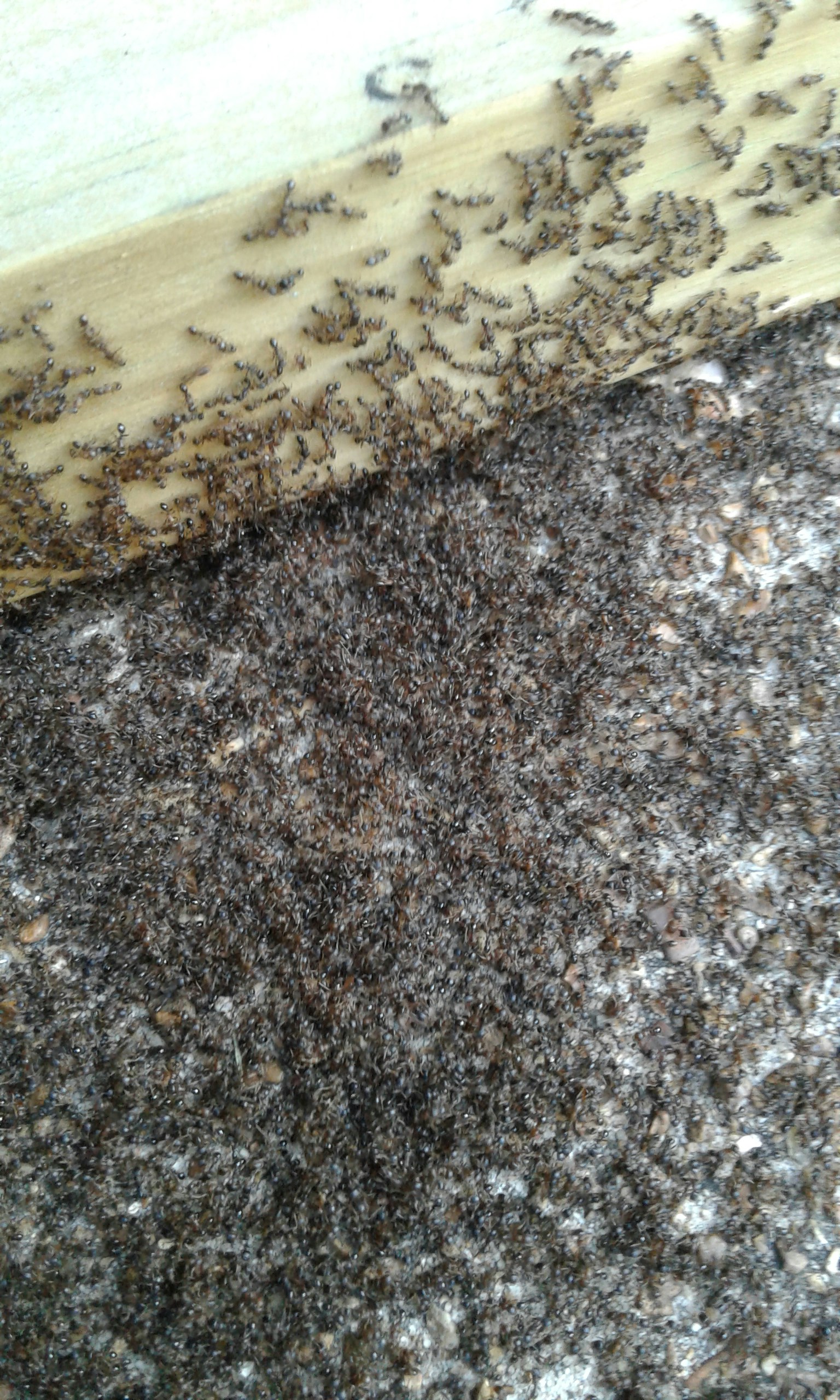
Agent swarm technology refers to the study and implementation of systems that consist of multiple autonomous agents, which collaboratively work to achieve a common goal. These agents, often inspired by the behavior of natural entities such as insects, birds, or fish, exhibit a form of collective intelligence. By mimicking the intricate coordination found in nature, agent swarms can solve complex problems more efficiently than individual agents acting alone.
The principles of agent swarm technology are grounded in several key characteristics: local interaction, decentralized control, and adaptability. Each agent operates based on simple rules and responds to its immediate environment and neighboring agents. This decentralized approach enables the system to adapt dynamically to changing conditions—an essential requirement in scenarios such as emergency response or resource management.
Applications of agent swarm technology span various fields, demonstrating its versatility and effectiveness. In robotics, for instance, swarms of drones can work together to survey disaster-stricken areas, gathering vital data that aids in crisis management. In agriculture, swarms of sensors can monitor crop health and optimize resource usage, leading to increased sustainability. Additionally, in the field of computer science, agent swarms are utilized in algorithms for optimization problems, network management, and simulation of social behaviors.
Furthermore, agent swarm technology has remarkable potential for disaster response operations, such as flood management in cities like Patna. By incorporating swarm intelligence into disaster response systems, authorities can improve coordination among response teams, optimize resource allocation, and ensure timely assistance to affected populations.
Current Flood Response Strategies in Patna
In Patna, the flood response strategies are a multifaceted approach involving government initiatives, local community involvement, and contributions from various organizations. The government of Bihar has implemented several structural measures to mitigate flood risks, including the construction of embankments, drainage systems, and reservoirs. These physical infrastructure developments are crucial for controlling the water flow, yet they often have limitations. For instance, many embankments are mismanaged or poorly maintained, leading to the risk of breaches during intense rainfalls.
Local community efforts also play an integral role in flood response. Various community-based organizations engage in awareness campaigns, educating residents about flood risks and preparedness strategies. These initiatives aim to empower local populations to take proactive measures, such as creating temporary shelters and developing basic rescue plans. The success of such grassroots efforts, however, can be hindered by the lack of resources and organized communication channels with local authorities.
Furthermore, several non-governmental organizations (NGOs) actively participate in flood management, providing essential aid during crises. These organizations often facilitate the distribution of relief materials, medical care, and rehabilitation assistance to affected communities. While their efforts are commendable, the coordination between NGOs and government bodies often lacks efficiency, leading to overlaps or gaps in service delivery. This fragmented approach to flood management underscores the challenges faced by existing strategies.
In summary, while Patna’s flood response strategies benefit from a collaborative framework, significant limitations exist. Government actions, community involvements, and NGO contributions are pivotal, yet they require better integration to enhance overall effectiveness. A more strategic and cohesive action plan is needed to address the ongoing flood challenges in Patna comprehensively.
The Role of Agent Swarms in Disaster Management
Agent swarms, comprised of multiple autonomous agents working collaboratively, have shown significant potential in enhancing disaster management strategies. By drawing on collective intelligence and adaptive decision-making capabilities, these swarms can respond more efficiently to crises such as floods, earthquakes, or wildfires. This section will explore how agent swarms can be applied to improve the management of disasters, highlighting notable successes in their deployment.
One prominent example of effective swarm intelligence can be found in the deployment during the aftermath of the 2011 Great East Japan Earthquake. Here, drones operated in swarms to assess damage and locate survivors in the affected areas. The drones communicated in real-time, allowing them to work in unison, covering more ground than traditional methods could achieve. This application demonstrates the potential for agent swarms to enhance situational awareness, a critical component in disaster response.
Moreover, in agricultural settings, swarms of small robotic agents have shown promise in managing large-scale irrigation systems. When floods occur, these agents can gather data on water levels and soil conditions, enabling rapid assessments of the emergency’s extent. By integrating this data into a centralized system, local authorities can make informed decisions on resource allocation and emergency measures. Such examples illustrate not just operational efficiency but also the adaptability of agent swarms in changing environments.
Another noteworthy case is the use of agent-based models in the simulation of flood scenarios, which allows for the prediction of flood impacts and the optimization of evacuation routes. These simulations can guide real-time responses, illustrating how agent swarms can inform strategies to mitigate the impact of disasters. The ability of these autonomous agents to learn from each interaction further equips them to handle the dynamic nature of disasters.
Potential Benefits of Integrating Agent Swarms into Patna’s Flood Response
The integration of agent swarm technology into Patna’s flood response strategy presents several significant advantages that could enhance the overall efficiency and effectiveness of emergency management systems. One of the key benefits is the capability for enhanced real-time data collection. Using agent swarms—comprising multiple intelligent agents—facilitates the rapid gathering of pertinent information regarding flood conditions. These agents can operate autonomously across various locations, capturing vital data such as water levels, weather patterns, and the status of infrastructure. This influx of timely and accurate information is crucial for decision-makers to implement immediate actions when floods occur.
Another beneficial aspect of agent swarms is their potential to improve coordination among various responders. Typically, during emergencies, challenges arise in communication and collaboration among multiple agencies involved in disaster management. Agent swarms can streamline information sharing and coordination by serving as an intermediary between different responders—ensuring that all parties have access to real-time updates and situational assessments. Additionally, enhanced communication can lead to a more unified response strategy, minimizing delays and redundancies in operations.
Furthermore, integrating agent swarms can optimize the allocation of resources. By analyzing data collected from the field, these systems can help identify areas most in need of assistance. This intelligent distribution of resources, such as rescue teams, food supplies, and medical aid, can lead to significant improvements in response times and effectiveness. Efficient resource allocation allows responders to focus their efforts where they are needed most, potentially saving lives and reducing overall damage from flooding.
Challenges and Limitations of Implementing Agent Swarms
Implementing agent swarms in Patna’s flood response entails several challenges and limitations that must be carefully considered to ensure effectiveness. One primary obstacle is the technological barrier; the successful deployment of agent swarms relies heavily on advanced technology for both hardware and software. The requirement for reliable communication networks, energy sources, and real-time data processing abilities presents significant hurdles, particularly in areas prone to flooding where infrastructure may be compromised.
Resistance to adopting new systems is another critical factor influencing the implementation of agent swarms. Stakeholders, including local authorities, emergency responders, and the general public, may express skepticism towards the effectiveness and reliability of autonomous systems. Overcoming this resistance involves not only demonstrating the advantages of such a system but also addressing concerns about accountability and safety. This societal hesitation can impede the integration of agent swarms into existing flood management strategies.
Funding presents another considerable challenge when looking to implement agent swarms for flood response. The initial investment required for developing and deploying these technologies can be substantial, leading to potential conflicts with budgetary constraints typical in many municipal disaster response programs. Securing adequate financial backing from governmental and non-governmental entities is crucial for the development and installation of agent swarm systems.
Finally, the training of personnel to effectively manage and operate these swarms cannot be overlooked. Adequate training programs are essential to equip responders with the necessary competencies to leverage this innovative technology. This involves not only understanding the technical aspects but also interpreting the data provided by the agents in a way that aids in timely and informed decision-making during crisis situations. Comprehensive training may require additional resources, further complicating the implementation process.
Case Studies: Successful Implementation of Agent Swarm Technologies
Agent swarm technologies have gained recognition for their effectiveness in managing disaster response, demonstrated through several key case studies from various regions. One notable example is the deployment of drone swarms in the aftermath of hurricanes in the Caribbean. Following Hurricane Maria in 2017, a project utilized autonomous drones operated in swarms to assess the extent of infrastructural damage and deliver essential supplies to remote areas. The swarming technology enabled real-time data collection, which facilitated timely aid allocation, demonstrating the flexibility and responsiveness of such systems in crisis situations.
Another case can be observed in the earthquake response efforts in Japan, where a combination of ground-based autonomous agents and aerial drones worked collaboratively to navigate through debris and locate survivors. This incident highlighted the efficacy of agent swarms in overcoming logistical challenges, as they were able to cover vast areas with minimal human intervention. The swarm intelligence exhibited in these operations allowed the systems to prioritize search areas based on real-time conditions, thereby enhancing the overall rescue operation efficiency.
Furthermore, in Australia, agent swarms were utilized during bushfire management initiatives. The swarming technology allowed for the deployment of multiple aerial units that could monitor fire spread and assess environmental conditions. This proactive approach provided firefighters with crucial information regarding fire behavior, allowing them to implement strategies that mitigated further damage and saved lives. Such examples not only underscore the adaptability of agent swarm technologies in diverse disaster scenarios but also highlight their potential for future applications in regions like Patna, where flooding poses recurrent challenges.
Recommendations for Policymakers and Stakeholders
To effectively implement agent swarms in the flood response mechanism, it is imperative for policymakers and stakeholders to consider a multifaceted approach that encompasses strategic partnerships, pilot programs, and diversified funding avenues. One primary recommendation is to form collaborative alliances with academic institutions, technology companies, and non-governmental organizations. Such partnerships can leverage interdisciplinary knowledge, drawing from experts in artificial intelligence, disaster management, and environmental science.
Moreover, launching pilot programs in select flood-prone regions within Patna can serve as a practical demonstration of the effectiveness of agent swarms in real-time disaster response. These pilot programs should be designed to integrate agent-based models with existing emergency management frameworks, allowing for a seamless evaluation of their performance in terms of speed, efficiency, and resource allocation during flooding events.
In terms of funding, stakeholders should explore diverse avenues such as government grants, public-private partnerships, and international aid targeted towards improving urban resilience. Transparency regarding budget allocations and operational costs associated with implementing agent swarms will be vital to gaining public and political support. Additionally, continuous monitoring and evaluation should be incorporated to assess the long-term impact of agent swarms on flood management strategies in Patna.
Furthermore, engaging community members in the development and execution of flood response strategies encourages local ownership and fosters trust in the deployed technologies. Education and outreach initiatives could help raise awareness of how agent swarms operate and their potential benefits during flood emergencies. By approaching flood response with an innovative mindset and fostering collaboration among diverse stakeholders, a more efficient and effective flood response mechanism can be realized, ultimately enhancing the resilience of Patna’s urban environment.
Conclusion: The Path Forward for Flood Management in Patna
In summary, the challenges posed by flooding in Patna necessitate innovative approaches to enhance response effectiveness. The integration of agent swarm technology presents a promising avenue for improving flood management systems in the city. This technology leverages the collective intelligence of multiple autonomous agents, enabling them to coordinate and respond to dynamic environmental conditions efficiently. The potential of agent swarms lies in their versatility and adaptability, allowing for real-time data processing and rapid deployment, which are critical in emergency situations.
The ongoing discussions surrounding the application of agent swarm strategies highlight a paradigm shift in disaster response mechanisms. Unlike traditional methods, which can be limited by bureaucratic workflows and slow response times, agent swarms offer a decentralized solution that can expedite decision-making and resource allocation during flood events. As Patna faces increasing flood risks, adopting such innovative solutions will be vital.
Furthermore, embracing technology as a critical component of flood management emphasizes the need for continuous innovation within the field. Collaborative efforts between government agencies, tech developers, and local communities will play a pivotal role in realizing the full potential of agent swarms in flood response. Investing in training and capacity building for stakeholders will ensure that they can effectively utilize advanced technological solutions.
As Patna navigates the complexities of climate change and urban development, fostering an environment that encourages novel approaches through agent swarm technology could significantly enhance flood resilience. By prioritizing innovation and collaboration, the city will be better equipped to tackle its flooding challenges head-on, ensuring a safer and more sustainable future for its residents.