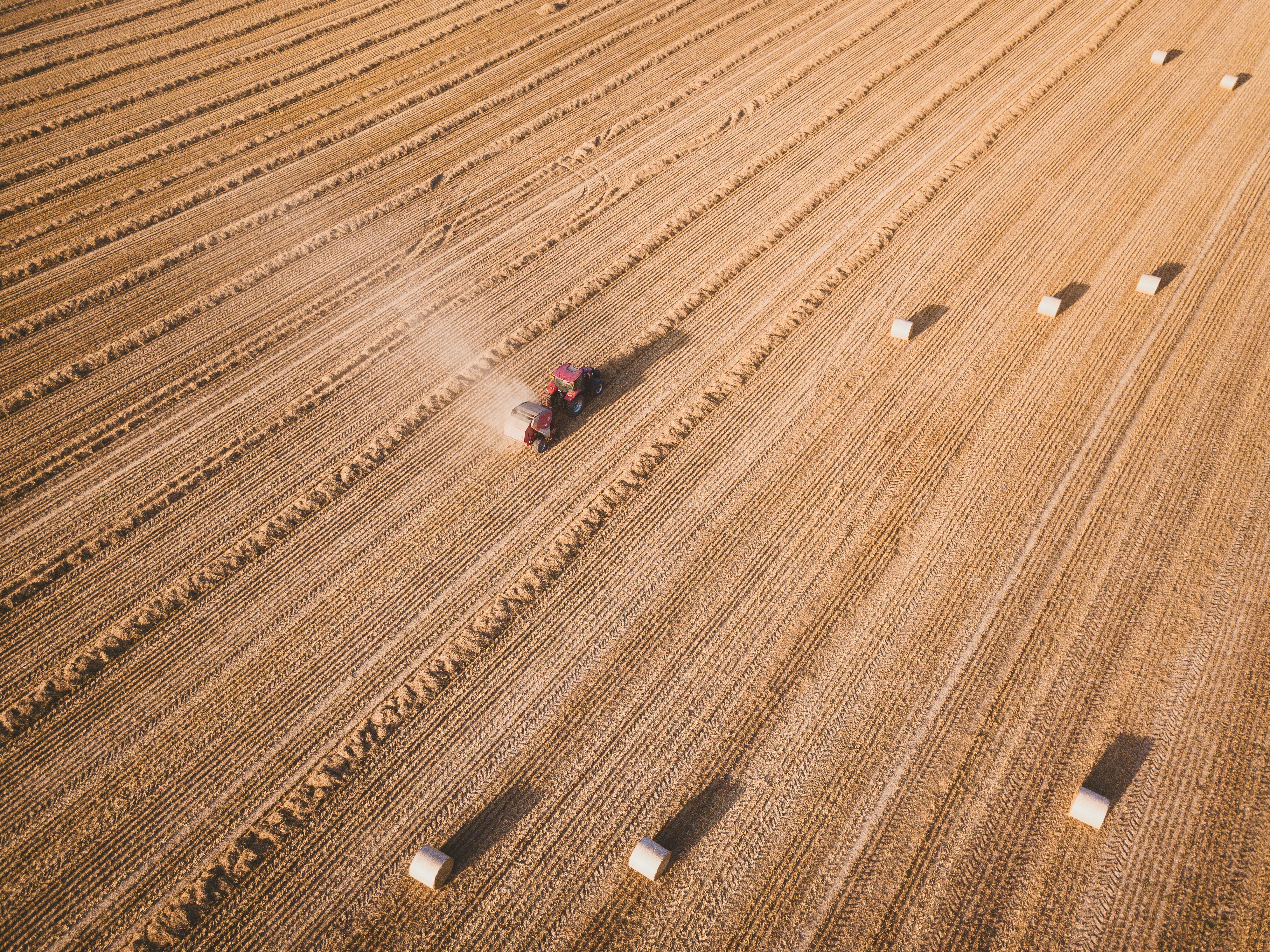
Introduction to AI’s Role in Agriculture
Artificial Intelligence (AI) has emerged as a transformative force across various sectors, prominently in agriculture. Given the increasing global population and the pressing need for enhanced food production, AI offers innovative solutions to longstanding challenges in farming practices. Through its applications, AI serves to improve productivity, efficiency, and sustainability, crucial aspects in the quest for food security.
AI technologies, including machine learning, data analytics, and computer vision, are being deployed to support farmers in making informed decisions. For instance, precision agriculture leverages AI to analyze vast amounts of data from sensors and drones. This capability allows farmers to monitor crop health, soil conditions, and weather patterns, providing timely insights that can lead to optimized resource allocation and increased yields.
Furthermore, AI is instrumental in predictive analytics, forecasting potential pest invasions and disease outbreaks. By analyzing historical data and current environmental factors, AI systems can alert farmers to emerging threats before they escalate, enabling proactive measures to protect crops. This not only enhances productivity but also reduces the need for chemical interventions, contributing to more sustainable farming practices.
In addition to these applications, AI-driven automation is becoming more prevalent in agriculture. Robotic systems, equipped with AI, can perform tasks such as planting, harvesting, and even weeding, with greater precision and less labor requirement. This shift not only alleviates the labor shortage issue faced by many farmers but also promotes efficiency and consistency in agricultural processes.
Overall, the integration of AI within the agricultural sector represents a paradigm shift that holds promise for addressing local agricultural challenges while fostering sustainable practices. As these technologies continue to evolve, the potential for AI to drive meaningful change in agriculture is both significant and exciting.
Understanding the AI CoE at IIT Patna
The Artificial Intelligence Center of Excellence (AI CoE) at the Indian Institute of Technology (IIT) Patna was established with the primary mission of promoting research and innovation in artificial intelligence and its various applications. One of the focal objectives of the AI CoE is to leverage cutting-edge AI technologies to address pertinent challenges in local agriculture. This initiative underscores the commitment of IIT Patna to not only advance technological research but also ensure that the outcomes thereof tangibly benefit regional stakeholders.
The center focuses on several key research areas within the realm of artificial intelligence, including machine learning, data analytics, and robotics. These domains are particularly crucial for optimizing agricultural practices and improving productivity in local farming. By harnessing the power of AI, the CoE aims to develop smart solutions that enhance crop management, pest prediction, soil monitoring, and yield forecasting. Such innovations are expected to provide farmers with critical insights that can lead to better decision-making.
Collaboration is at the heart of the AI CoE’s strategy. The center actively partners with local agricultural stakeholders, such as farmers, cooperatives, and agribusinesses, to identify specific agricultural challenges that can be effectively addressed through AI technologies. These collaborative efforts ensure that research initiatives are grounded in real-world problems, thereby maximizing the potential for practical applications. Furthermore, the AI CoE organizes workshops, training sessions, and outreach programs designed to educate the agrarian community about the benefits of AI and how it can revolutionize their farming practices.
In summary, the AI CoE at IIT Patna stands as a beacon of innovation, aiming to harness the potential of artificial intelligence to transform local agriculture while fostering synergistic partnerships that empower the farming community.
Bihar, a state in eastern India, is primarily agrarian, yet it faces numerous agricultural challenges that severely impact productivity and farmer livelihoods. One of the most pressing issues is climate change, which has led to unpredictable weather patterns, including erratic rainfall and drought conditions. These climatic changes adversely affect crop yields and can lead to food insecurity among local communities.
Soil degradation poses another significant challenge in Bihar. Intensive farming practices, coupled with inadequate soil conservation measures, have resulted in nutrient depletion and deterioration of soil health. Farmers often rely on chemical fertilizers to enhance crop production, which can exacerbate soil degradation in the long term. Addressing soil health is critical for sustainable agriculture and improving overall farming productivity.
Water scarcity is also a major concern for agricultural practices in Bihar. The region is characterized by both seasonal flooding and prolonged dry spells, leading to an imbalance in water availability. Traditional irrigation techniques are often insufficient to support the needs of crops, particularly during periods of drought. Innovative and efficient water management practices are essential to ensure that farmers have reliable access to water resources for their agricultural activities.
Moreover, crop diseases and pests significantly threaten agricultural sustainability in Bihar. The increasing prevalence of diseases, coupled with the limited access to effective pest management strategies, can lead to significant crop loss. Farmers often lack the knowledge and resources to implement advanced integrated pest management techniques, making them vulnerable to these challenges.
In light of these challenges, there is a pressing need for innovative solutions tailored to the local context. The integration of technology and research into agricultural practices can provide much-needed support to farmers in Bihar, enhancing their capacity to adapt to these persistent challenges.
AI Technologies Applicable to Agriculture
Innovative AI technologies are increasingly being deployed in agriculture to address various challenges faced by farmers. Machine learning, a subset of AI, is pivotal in leveraging historical data to predict crop yields, detect diseases, and optimize resource allocation. By analyzing patterns in data collected from previous agricultural seasons, machine learning algorithms can offer insights that help farmers make informed decisions regarding planting and harvesting times.
Predictive analytics plays a crucial role in agricultural planning and management. Through the analysis of data, including weather patterns and market trends, these analytical tools help farmers anticipate potential challenges such as adverse weather conditions or pest infestations. By equipping farmers with predictive insights, they can take preemptive actions, thereby safeguarding their crops and maximizing their yield potential.
Remote sensing technology employs satellites or drones to monitor agricultural fields. This technology enables farmers to obtain real-time data on crop health, soil moisture, and nutrient levels. With this information, farmers can apply interventions more precisely, such as targeted irrigation or fertilization, which enhances environmental sustainability and maximizes crop productivity. Remote sensing facilitates an efficient assessment of large tracts of farmland, thus saving valuable time and resources.
Robotics also holds significant promise in modern agriculture. Autonomous machines are designed for various tasks, from planting seeds to harvesting crops. These robotic systems can enhance the efficiency of farming operations, reducing manual labor and minimizing the rate of human error. As agricultural robots become more sophisticated, they will progressively address labor shortages and contribute to a more streamlined production process.
Overall, the integration of these AI technologies into agriculture presents a transformative opportunity to meet local agricultural challenges with innovative solutions. By embracing machine learning, predictive analytics, remote sensing, and robotics, farmers can enhance their productivity and sustainability practices while simultaneously addressing the pressing needs of modern agriculture.
Case Studies: Successful AI Implementations
Artificial Intelligence (AI) has proven to be a transformational force in numerous sectors, particularly in agriculture. By studying successful implementations, valuable lessons can be drawn regarding the potential of AI to tackle local agricultural challenges in Bihar. One exemplary case is the use of AI-driven predictive analytics in precision farming across the United States. Farmers have adopted AI technologies that analyze weather patterns, soil conditions, and crop health, allowing them to make informed decisions regarding irrigation and fertilization. This leads to increased yields and reduced resource waste, ultimately enhancing food security.
In Europe, AI systems have been implemented to manage crop diseases effectively. For instance, farmers in the Netherlands have employed AI-based image recognition tools to identify plant diseases early. These tools utilize machine learning algorithms to evaluate images of plants, providing real-time alerts and recommendations for treatment. This proactive approach has reduced the reliance on pesticides and optimized yields by ensuring timely responses to agricultural threats.
In India, several initiatives harness AI for agriculture, demonstrating its effectiveness in local contexts. One notable project is the initiative led by the Indian Institute of Technology Kharagpur, where AI models analyze satellite imagery to monitor crop health and predict productivity. This technology enables farmers to strategize their planting and harvesting schedules, thereby maximizing productivity.
Moreover, Serbia’s horticultural sector has seen remarkable improvements through the integration of AI for supply chain optimization. Farmers there have utilized AI algorithms to forecast market demand and streamline distribution channels, thus reducing waste and increasing profitability.
These successful case studies underscore the tremendous potential of AI in revolutionizing agriculture. They also provide valuable insights for the AI Center of Excellence (CoE) at IIT Patna, suggesting that similar strategies could be adopted to address local agricultural challenges in Bihar effectively.
Collaboration Between IIT Patna and Local Farmers
The integration of artificial intelligence into agriculture has the potential to transform traditional farming practices significantly. At the forefront of this initiative is the Artificial Intelligence Center of Excellence (AI CoE) at IIT Patna, which seeks to foster collaboration with local farmers. Through outreach programs tailored to the needs of the agricultural community, IIT Patna aims to bridge the gap between technology and farming methodology.
One key aspect of this collaborative effort is the organization of workshops designed specifically for farmers. These workshops serve as platforms where farmers can learn about various AI applications that can enhance productivity and efficiency. By focusing on real-world challenges faced by farmers, the AI CoE can present technologies such as predictive analytics for climate change impact, optimal resource allocation, and precision farming techniques. This hands-on learning approach allows farmers to understand how to leverage AI tools effectively.
Additionally, training sessions held by experts from IIT Patna will empower local farmers with the necessary skills to implement AI technologies in their operations. These sessions provide a space for farmers to engage directly with researchers, fostering an environment of mutual learning. Such interaction not only helps in demystifying complex AI tools but also ensures that the solutions developed are tailored to the specific agricultural conditions of the region.
As IIT Patna continues to develop its AI CoE, it remains committed to building sustainable partnerships with local farmers. The focus is on fostering innovation through collaborative efforts that support local agricultural practices. By creating a framework for continuous engagement and knowledge sharing, IIT Patna positions itself as a pivotal player in addressing the agricultural challenges faced by the local community.
Potential Impact on Local Economy
The integration of Artificial Intelligence (AI) in agriculture, particularly through initiatives like the AI Center of Excellence (CoE) at IIT Patna, has the potential to substantially transform the socio-economic landscape of local farming communities. By implementing AI-driven solutions, farmers can achieve greater efficiency in crop management, leading to improved yields and optimized resource utilization. These advancements may empower local farmers to significantly increase their financial income.
Moreover, the enhanced productivity that AI technologies in agriculture can bring is likely to stimulate the local economy. As farmers begin to generate higher revenues from their crops, they may invest more in local businesses, which can lead to job creation. Employment opportunities could arise not only in farming sectors but also in ancillary services such as logistics, processing, and retail. This holistic development can facilitate the emergence of a sustainable agricultural ecosystem, which would be beneficial for the wider community.
Additionally, AI applications can aid in addressing significant challenges such as pest management, crop prediction, and soil health monitoring. By providing tailored recommendations and data insights, AI tools can help farmers make informed decisions, thereby minimizing losses and reducing expenses. Increased agricultural resilience can enhance food security for the local population, contributing to improved nutritional outcomes.
Engaging with local stakeholders, including farmers and agricultural cooperatives, will be essential to ensure that AI-driven interventions align with the realities of local farming practices and cultural contexts. By fostering a collaborative approach, the AI CoE can help in creating technologies that not only increase agricultural productivity but also uplift the socio-economic conditions of the farmers and the communities they support. Such strategic engagement can cultivate a thriving agricultural ecosystem, ultimately benefiting the entire locality.
Challenges and Ethical Considerations
The integration of artificial intelligence (AI) into agriculture presents numerous challenges and raises several ethical considerations that must be carefully navigated to ensure its sustainable application. One primary concern is data privacy. The utilization of AI systems often relies on vast amounts of data, some of which may contain personal information about farmers and their practices. Safeguarding this data becomes critical, as mismanagement could lead to breaches of privacy and trust within the agricultural community.
Moreover, the equity of access to AI technology poses another significant challenge. While AI has the potential to increase productivity and efficiency in agricultural practices, its benefits may not be uniformly distributed. Smallholder farmers, particularly in rural areas, may lack the necessary resources, infrastructure, or knowledge to adopt these advanced technologies, thereby widening the gap between affluent agricultural businesses and underserved communities. Ensuring inclusivity and equitable access to AI resources is essential to mitigate such disparities.
Additionally, there is a risk of dependency on technology. As farmers increasingly rely on AI systems for decision-making, there might be a diminished capacity to make independent judgements regarding their practices. This dependency could undermine traditional knowledge that has been honed over generations, ultimately impacting the sustainability of local agricultural practices.
It is also essential to consider the ethical implications surrounding AI-driven agriculture. The decision-making processes of AI systems can sometimes lack transparency, leading to questions regarding accountability for farming outcomes. Implementing AI in agriculture should, therefore, come with robust ethical frameworks to ensure that technology serves as a tool for empowerment rather than a source of exploitation or disadvantage.
Conclusion and Future Directions
In review of the significant challenges faced by local agriculture, it is clear that the integration of artificial intelligence (AI) has emerged as a vital tool capable of addressing numerous issues. The AI Centre of Excellence (CoE) at IIT Patna stands at the forefront of this revolution, providing innovative solutions tailored to optimize agricultural practices. From leveraging AI-driven data analytics to implement precision farming techniques, the potential to enhance yields and resource management is substantial. The role of AI in predicting weather patterns, pest outbreaks, and crop diseases not only assists farmers in making informed decisions but also promotes sustainable agricultural practices.
As the blog highlights, collaboration between researchers, farmers, and technology developers is essential for effectively deploying AI solutions in local agricultural contexts. The success seen in pilot projects demonstrates that when traditional knowledge is combined with modern technology, farmers can significantly improve their productivity and resilience to climate change. However, there remains a pressing need for further research and development in this domain. Identifying region-specific agricultural challenges and tailoring AI applications to meet these needs is crucial for maximally harnessing its potential.
Future directions should focus on fostering educational programs that enhance farmers’ understanding of AI technologies, ensuring that they can effectively utilize these tools. Additionally, investments in infrastructure that facilitates the collection and analysis of agricultural data will be paramount. As AI technology evolves, so will its applications in farming, paving the way for more robust models that predict agricultural trends with greater accuracy. Ultimately, the commitment to explore these avenues will determine the extent to which AI can truly revolutionize local agriculture, ensuring food security and sustainable development in the years to come.