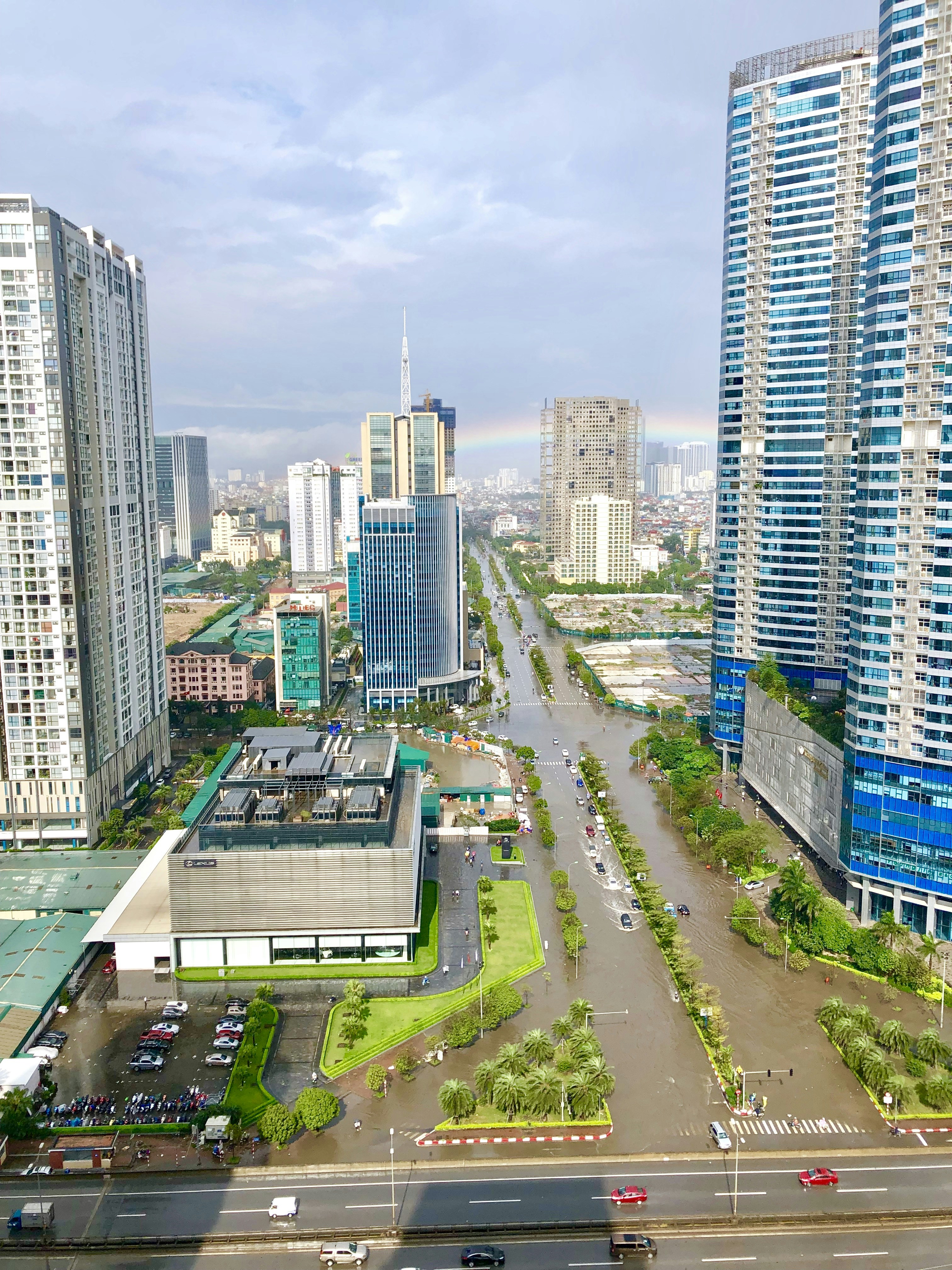
Introduction to Mumbai’s Climate Challenges
Mumbai, a bustling metropolis on the western coast of India, is significantly impacted by its geographical and climatic characteristics. This coastal city, situated along the Arabian Sea, is marked by a tropical climate which brings heavy rains during the monsoon season, typically from June to September. The unique topography of Mumbai, combined with its dense urbanization and inadequate drainage systems, renders it particularly vulnerable to flooding.
The implications of climate change exacerbate these existing vulnerabilities. Recent years have seen an increase in the frequency and severity of flooding events, a trend that correlates with rising sea levels and erratic weather patterns attributable to climate change. Historical records reveal that Mumbai has experienced significant flooding events in 1961, 1989, and more recently in 2005 and 2017, each resulting in severe disruptions to daily life, economic activities, and infrastructure.
The 2005 floods, for instance, have become a pivotal reference point in the city’s narrative related to climate challenges. This catastrophic event resulted in widespread loss of life and property, sparking public outcry and raising awareness regarding the need for a comprehensive approach to disaster management and urban planning. As the city develops, the risks associated with climate-induced flooding continue to shape public perception and policy formulation.
Moreover, the increasing intensity of rainfall, combined with the effects of urbanization, such as the encroachment of natural water bodies and the loss of green spaces, has aggravated the underlying susceptibility of Mumbai to flooding. Consequently, there is a pressing need for sustainable development strategies that not only mitigate flooding risks but also adapt to the inevitable impacts of climate change. Addressing these challenges is crucial for the long-term resilience of Mumbai and its inhabitants.
Understanding World Models and Climate Predictions
World models play a crucial role in climate science, serving as sophisticated tools to simulate and predict weather patterns and long-term climate changes. These models incorporate complex algorithms and vast datasets including meteorological data, geographic information, and historical climate variations. For urban environments like Mumbai, understanding these models is vital due to the density of population and infrastructure that are increasingly vulnerable to climatic shifts.
One significant aspect of world models is their ability to project future climatic conditions, such as rainfall patterns, temperature fluctuations, and sea-level rise. In the case of Mumbai, predictions indicate a concerning increase in extreme rainfall events, which is largely attributed to climate variability and change. These alterations in rainfall patterns pose considerable challenges for urban planning and management. For instance, understanding the likelihood of intense rainfall helps in assessing the flood risk, which is critical for a city already grappling with monsoon inundation.
Furthermore, the predictions related to sea-level rise are becoming alarming as coastal cities like Mumbai face heightened threats. According to various climate models, the city could see significant inundation in the coming decades due to rising ocean levels—a consequence of global warming. Insights from these models underscore the need for immediate action in infrastructure planning and disaster management, as a more precise understanding of potential climate impacts allows for more effective adaptation strategies.
Therefore, the integration of world models into local policy-making can provide a scientific basis for decision-making in urban environments. It encourages proactive measures against climate impacts, ensuring that cities like Mumbai are better equipped to handle the challenges posed by climate change and its associated implications.
Historical Context of Flooding in Mumbai
Mumbai, as one of India’s largest cities, has a long history of facing challenges associated with flooding, particularly given its unique geographic and climatic conditions. The city’s coastal location and tropical monsoon climate create a setting where heavy rainfall can lead to significant water accumulation. Historical patterns of flooding have highlighted the need for effective urban planning and disaster management.
One of the most noteworthy incidents occurred in July 2005, when unprecedented rainfall resulted in severe flooding across the city, causing substantial loss of life and property. On this occasion, Mumbai recorded over 900 millimeters of rainfall in just 24 hours, leading to waterlogged roads, disrupted transportation, and significant infrastructure damage. This catastrophic event prompted a reevaluation of Mumbai’s urban development policies and flood management systems.
The consequences of the 2005 floods were felt long after the rains subsided. Societal responses included heightened community awareness regarding climate resilience and the importance of preparedness for similar events in the future. Urban planning efforts were reexamined, with an emphasis on integrating flood management strategies into the broader framework of urban development. For example, the government initiated projects aimed at improving drainage systems and establishing reservoirs to accommodate excess rainfall.
In addition, these significant flood events have influenced policy measures taken by local authorities. Policymakers increasingly recognize the need for collaborative approaches between various stakeholders, including government agencies, non-governmental organizations, and local communities. The ongoing experiences with flooding have shaped both resilience-building efforts and adaptations needed in city infrastructure to better cope with the reality of climate change and urbanization.
Social and Cultural Impact of Flooding
The cultural dynamics of Mumbai have been significantly impacted by the recurring floods, leading to changes in social structures and community interactions. The flooding, exacerbated by climate change, has not only displaced thousands of individuals but has also altered long-standing community ties. Many residents recount stories of their dramatic rescues, showcasing the courage and determination of neighbors and strangers alike. These narratives highlight a profound sense of shared experience and resilience, as communities come together in times of crisis.
In the aftermath of floods, a notable shift in habitation patterns has emerged. Families are relocating to safer areas, often resulting in the fragmentation of historically cohesive communities. For instance, neighborhoods that once thrived on cultural events and local traditions now face challenges in maintaining their cultural identities amid displacement. The once vibrant street festivals and community gatherings are now reduced in frequency and scope, illustrating how environmental factors can erode traditional practices.
Moreover, these disasters have engendered a focus on sustainability and community-led initiatives. Groups are banding together to organize relief efforts, plant trees, and engage in discussions on climate awareness, fostering a new sense of community engagement that prioritizes environmental resilience. These efforts not only aim to mitigate future flooding impact but also serve to strengthen community bonds, redefining social interactions post-disaster.
In essence, the flooding in Mumbai serves as a poignant example of how natural disasters not only reshape physical landscapes but also influence cultural practices and community resilience. Through personal stories and collective action, the cultural fabric of Mumbai is being tested and transformed, revealing the adaptive nature of its residents in the face of environmental challenges.
Impacts on Urban Infrastructure and Development
The recurring flooding incidents in Mumbai have significantly impacted the city’s urban infrastructure, shaping both its present and future development. The floods, particularly those exacerbated by climate change, have exposed the vulnerabilities in the city’s transportation systems, housing, and public services, prompting a critical need for adaptation strategies.
Transportation infrastructure has been one of the most visibly affected sectors. Roads and highways often become impassable during monsoon seasons, disrupting daily commutes and economic activities. As a response, the government has taken steps to enhance drainage systems, implement smart traffic management solutions, and invest in better road materials that can withstand heavy rainfall. Furthermore, public transit systems, including suburban trains and buses, are being upgraded to ensure continuity of services during extreme weather events, showcasing the adaptability of urban transportation in the face of ecological challenges.
The housing sector is also undergoing transformations to cope with the implications of flooding. Many informal settlements, which are prevalent across Mumbai, lack adequate infrastructure to handle flood waters. Government initiatives are increasingly focusing on improving housing resilience through the development of flood-resistant structures and retrofitting existing homes. This involves creating elevated platforms and using water-resistant materials, aiming not only to protect residents but also to secure investments in property development throughout the city.
Public services, which include sanitation and emergency response systems, are critical during flooding events. The repeated crises have pushed local authorities and private sectors to devise novel solutions for waste management, ensuring that sewage systems are capable of handling overflow during floods. Moreover, initiatives like disaster management training for citizens are being implemented to enhance community resilience against future climate-related adversities. By addressing these infrastructural challenges, Mumbai aims to adapt to the increasing frequency of climatic disruptions, ultimately fostering a more resilient urban environment.
The Role of Local Governance and Policy Measures
Local governance plays a pivotal role in managing the myriad challenges posed by climate change, particularly in urban settings like Mumbai, which are increasingly vulnerable to severe flooding. The growing intensity and frequency of rainfall, attributed to climate change, have compelled local authorities to rethink their flood management strategies and policies comprehensively. One prominent example is the Mumbai Disaster Management Plan, which integrates climate adaptation strategies aimed at reducing flood risks and enhancing community resilience.
Moreover, local policy measures must address the inadequacies of existing infrastructure. The Mumbai Municipal Corporation (BMC) has initiated several projects aimed at improving drainage systems and managing stormwater effectively. Such projects entail not only technological upgrades but also the incorporation of natural solutions, such as the restoration of wetlands, which can absorb excess water and mitigate flooding hazards.
Engagement with local communities is another critical aspect of effective governance in climate adaptation. Policies developed in isolation often overlook the unique challenges and needs of different neighborhoods. Therefore, participatory governance models that include community input can lead to more tailored and effective solutions. Local residents possess invaluable knowledge regarding their environment, contributing to more informed decision-making processes in flood management.
Furthermore, collaboration between governmental agencies and non-governmental organizations promotes a multi-faceted approach to flood risk reduction. Such partnerships foster information sharing and resource mobilization, facilitating innovative responses to the ongoing threats of climate change. By integrating diverse perspectives and expertise, local governance can thus enhance resilience against flooding while addressing socio-economic disparities exacerbated by climate events.
Cultural Practices and Climate Change Adaptation
The city of Mumbai, known for its rich tapestry of cultures, is facing increasingly severe climate challenges, particularly in the form of flooding. As a response, various cultural practices have emerged or evolved, demonstrating the resilience and adaptability of local communities. Mumbai’s diverse population relies on a blend of traditional knowledge and contemporary methods to navigate the complexities introduced by climate change.
Community-based adaptations play a crucial role in Mumbai’s response to flooding. Local groups often mobilize, utilizing their collective knowledge to implement straightforward yet effective solutions. For instance, during monsoon seasons, residents have been known to create temporary barriers using locally available materials, effectively redirecting floodwaters. These grassroots initiatives not only highlight practical measures but also underscore a deep-seated communal spirit that fosters collaboration in the face of adversity.
Traditional knowledge also remains a pivotal element of Mumbai’s adaptation practices. Many communities possess time-honored methods of managing land and water that have been passed down through generations. This knowledge provides valuable insights into local ecosystems and helps in both mitigating the impacts of flooding and enhancing community resilience. For instance, the use of traditional rainwater harvesting techniques is gaining traction once again, exemplifying how cultural practices can be integrated into modern environmental strategies.
Moreover, new cultural expressions are emerging as a response to the climate crisis. Musicians, artists, and filmmakers are increasingly portraying climate change narratives in their work, thus raising awareness and inspiring action among the populace. These creative endeavors not only serve as a means of coping but also as a call to collective action, highlighting the interconnectedness of culture and climate resilience.
Education and Awareness Initiatives
The rising frequency and intensity of floods in Mumbai due to climate change have prompted various educational and awareness initiatives aimed at equipping residents with knowledge about its implications. Numerous organizations, including non-governmental organizations (NGOs), local authorities, and educational institutions, have mobilized to enhance climate literacy among the city’s population. These initiatives not only focus on understanding the science behind climate change but also emphasize the practical steps that individuals and communities can take to mitigate its effects.
Community workshops serve as a vital platform for engaging residents in discussions about climate change and flooding. These workshops often feature experts who explain the causes and consequences of climatic shifts. By promoting interactive learning, participants can better comprehend their vulnerability to floods and the best practices to adopt in response. Such workshops also foster community solidarity by encouraging participants to collaborate on local solutions, demonstrating the power of collective action.
Educational programs targeting schools have been particularly effective in instilling a sense of responsibility in younger generations. Curricula that incorporate environmental science and climate change-related topics encourage students to actively engage in discussions about sustainability and disaster preparedness. Through hands-on projects, students learn about the local ecosystem’s fragility and the urgent need for proactive measures against flooding. Schools also partner with local NGOs to facilitate field trips and practical sessions that reinforce theoretical knowledge.
In addition to formal education, various awareness campaigns have employed digital platforms to reach a wider audience. Social media and community radio broadcasts provide accessible content on climate issues, offering tips on how to prepare for floods and adapt to changing weather patterns. Through these multifaceted approaches, educational and awareness initiatives are playing a crucial role in shaping a well-informed citizenry capable of tackling the cultural implications of climate change induced flooding in Mumbai.
Conclusion: Moving Towards a Resilient Future
The cultural implications of climate change, particularly evident in the case of the Mumbai floods, underscore the urgent need for adaptive frameworks that integrate both infrastructural resilience and cultural preservation. Throughout this discussion, we have explored how climate change impacts not just the physical landscape but the socio-cultural fabric of communities. The floods of Mumbai serve as a profound reminder of the vulnerabilities faced by urban populations and the importance of bolstering cultural identity in the face of these environmental challenges.
As we look toward a resilient future, it becomes essential to foster community engagement that encompasses a diverse array of voices. Local stakeholders, including residents, cultural leaders, and policy-makers, must collaborate to devise adaptive strategies that acknowledge and incorporate cultural heritage into urban planning and disaster management. Such initiatives can enhance the resilience of communities, preserving their distinct cultural narratives while equipping them to confront future climate challenges.
Moreover, investing in education and awareness campaigns promotes a unified approach towards climate adaptation. By empowering communities with knowledge about environmental changes and their potential impacts on cultural practices, we can nurture a proactive ethos. This ensures that as infrastructural adaptations are implemented, they are sympathetic to the cultural significance of spaces and practices that define the community’s identity.
In conclusion, the path towards a climate-resilient future should not solely focus on physical infrastructure but must also consider cultural resilience as a necessary foundation. By harmonizing these aspects, we can create holistic solutions that honor the past while preparing for a sustainable future, ultimately transforming challenges into opportunities for growth and community solidarity.