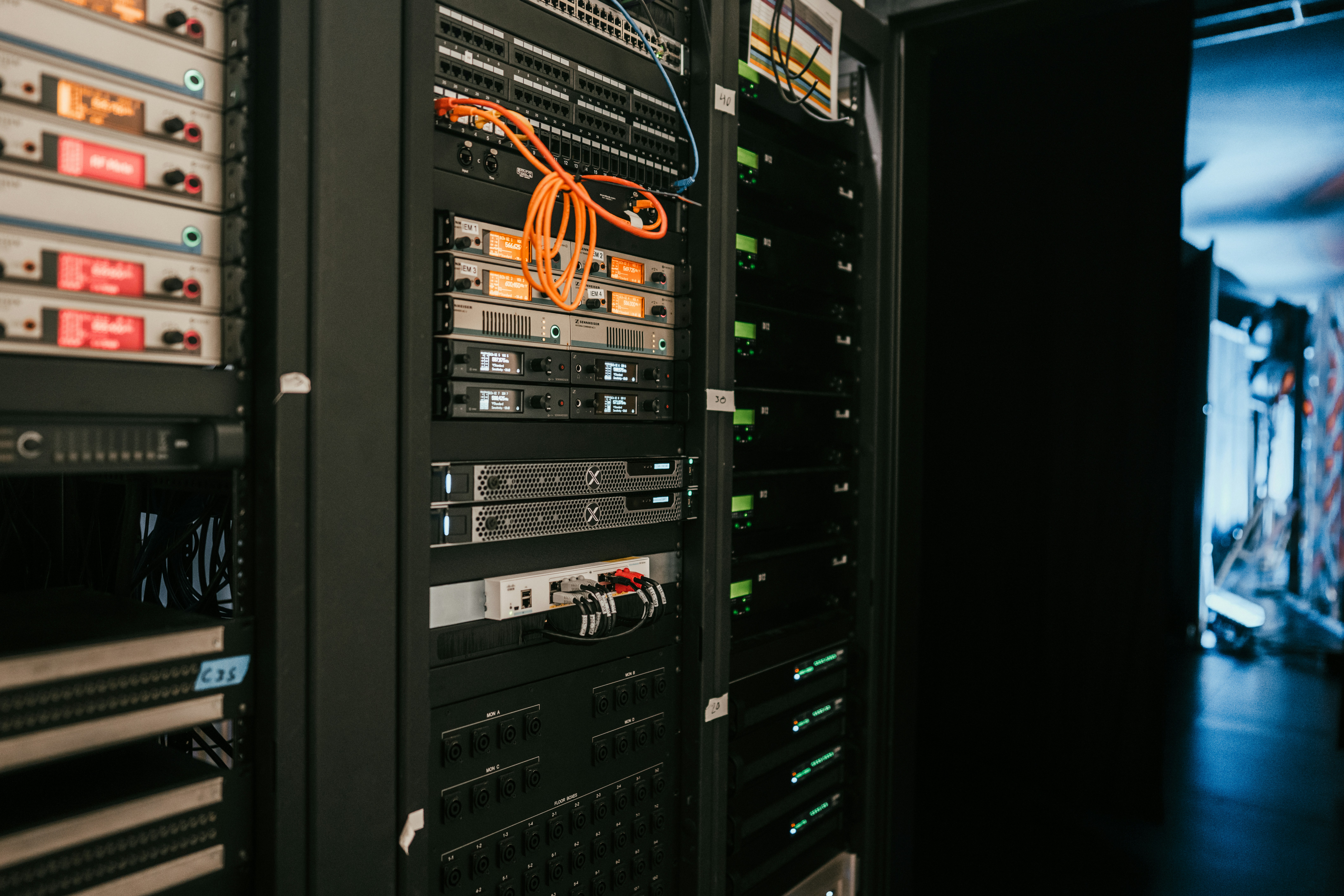
Introduction to Navi Mumbai’s Data Center Landscape
Navi Mumbai has emerged as a significant player in India’s data center landscape, driven by a combination of strategic geographical advantages, proactive government policies, and substantial investments from leading technology firms. Located on the west coast of India, this planned city offers proximity to major communication networks and optimal climate conditions that are vital for data center operations. The coastal environment helps in maintaining lower energy costs, primarily by leveraging natural cooling methods, thereby enhancing operational efficiency.
In recent years, the Indian government has recognized the importance of data centers as pivotal infrastructure for the digital economy. Initiatives such as the Digital India program have emphasized the need to bolster the country’s information technology framework. Navi Mumbai’s infrastructure improvements, backed by government initiatives, have made it an attractive destination for new data center projects, contributing to its rapid development in this sector.
Major tech companies and cloud service providers have taken note of these advancements. Investments from these industry leaders indicate a growing demand for data processing, storage, and management capabilities essential for driving advancements in artificial intelligence (AI) and cloud computing. This influx of capital not only accelerates the development of data centers but also enhances the region’s technological ecosystem, fostering innovation and collaboration.
The convergence of these factors is setting the stage for Navi Mumbai to become a pivotal hub for AI infrastructure by 2027. As advancements in AI technology require robust and scalable data centers, the ongoing growth in Navi Mumbai’s data center market positions it as a frontrunner in supporting future AI initiatives. The combination of a solid foundation and ongoing investment ensures that the region is well-prepared to meet the demands of the digital future.
Current Demand for Data Centers: The Need for 800 MW
The accelerating digital transformation across various sectors has significantly influenced the demand for data center facilities in Navi Mumbai, with projections indicating a need for approximately 800 megawatts (MW) by the year 2027. This projected requirement stems from several critical factors, including the exponential growth in cloud computing services, increased reliance on data analytics, and the overall expansion of the digital economy.
In recent years, businesses have increasingly turned to cloud computing to enhance operational efficiency and scalability. The adoption of cloud-based solutions has not only transformed how organizations manage their IT resources but also led to a substantial increase in data storage and processing needs. As companies migrate to the cloud and utilize software-as-a-service (SaaS) applications, the demand for reliable, high-capacity data centers has surged, driving the urgency for an additional 800 MW of power.
Furthermore, the dependence on data analytics for informed decision-making cannot be overlooked. Organizations are now leveraging big data analytics to derive insights that drive business strategies. This shift has necessitated the establishment of robust infrastructure to process, store, and analyze vast amounts of data efficiently. As a result, the requirement for advanced data center facilities, equipped with high energy capacities, becomes indispensable.
The implications of this demand extend beyond mere infrastructure enhancements; they signal significant opportunities for the local economy. The establishment of additional data centers is likely to catalyze job creation, as a skilled workforce will be required to manage these facilities. Moreover, the growth of the data center sector can contribute to attracting more businesses to the area, consequently enhancing the overall economic landscape of Navi Mumbai.
Understanding AI Infrastructure: Requirements and Components
Artificial Intelligence (AI) infrastructure refers to the underlying components and resources that facilitate the development, training, and deployment of AI models. As AI technology continues to advance at a rapid pace, understanding the specific requirements and components essential for efficient AI operations becomes crucial. At its core, AI infrastructure comprises three primary elements: data storage, processing power, and software solutions.
Data storage is a critical component of AI infrastructure, as it encompasses the repositories where vast amounts of data are collected, stored, and retrieved. Given that AI relies on large datasets for training models, high-capacity storage solutions, such as cloud storage or dedicated data centers, are necessary to handle the volume of information required. Furthermore, the speed at which data can be accessed is also important; thus, implementing fast storage systems—like SSDs (Solid-State Drives)—is essential to support low-latency operations.
Equally important is processing power, which refers to the computational resources required to train AI models and execute complex algorithms. Graphics Processing Units (GPUs) and Tensor Processing Units (TPUs) are commonly employed in AI infrastructure to perform large-scale computations quickly and efficiently. As AI applications become increasingly sophisticated, the demand for processing power grows, necessitating robust hardware configurations that can support parallel processing and extensive numerical calculations.
Lastly, software solutions play a pivotal role in AI infrastructure. Machine learning frameworks, data analytics platforms, and AI-specific programming languages streamline the process of model development and deployment. Integrating these software tools into the AI infrastructure ensures that data scientists and engineers can efficiently develop and iterate on their models, facilitating quicker insights and more effective applications of AI technology.
In conclusion, the convergence of data storage, processing power, and software solutions defines the AI infrastructure essential for nurturing the next generation of AI applications. As data centers evolve, ensuring that these components are appropriately managed will pave the way for a robust AI ecosystem.
The Role of Airoli in Navi Mumbai’s Tech Ecosystem
Airoli serves as a vital component within Navi Mumbai’s burgeoning tech ecosystem, owing largely to its strategic geographic location. Positioned in close proximity to major transport networks and technology hubs, Airoli is becoming increasingly attractive for tech firms and startups focused on data management and artificial intelligence (AI) development. The area is conveniently connected to Mumbai via the Thane-Belapur road and the Airoli bridge, facilitating access to a skilled workforce and a robust market for technology services.
In recent years, Airoli has witnessed significant growth in the establishment of tech firms, including multinational corporations and local startups specializing in data centers, software development, and IT services. These companies leverage the area’s advanced infrastructure and supportive policies offered by the Navi Mumbai municipal corporation. Notable firms have laid down roots in Airoli, contributing to the population of tech-savvy professionals and fostering an environment conducive to innovation.
The existing technology infrastructure in Airoli also plays a crucial role in supporting data and AI-centric initiatives. With several coworking spaces, incubators, and research centers, the area provides entrepreneurs and innovators with essential resources to thrive. Additionally, there is a growing emphasis on integrating sustainable practices in tech operations, aligning with global trends toward environmentally friendly business solutions. This focus on sustainability further enhances Airoli’s appeal as a location for future investment in technological advancements.
Airoli’s alignment with Navi Mumbai’s aspirations to become a global data center hub will be pivotal in determining the region’s economic trajectory. Its evolving landscape is likely to not only host data-driven enterprises but also encourage collaboration among businesses, researchers, and educators, ultimately positioning Airoli at the forefront of technological evolution within the Greater Mumbai region.
AI Trends Influencing Data Center Growth by 2027
As we look towards 2027, several key trends in artificial intelligence (AI) are positioned to fundamentally shape the data center landscape. Leading this transformation are advancements such as machine learning, the Internet of Things (IoT), and edge computing. Each of these technologies plays a crucial role in evolving the requirements for data storage and the overall capabilities of data centers.
Machine learning, a fantastic subset of AI, is anticipated to drive the demand for data centers that can process vast amounts of data efficiently. As machine learning algorithms grow more sophisticated, the need for infrastructure that supports real-time processing and analysis becomes critical. This shift places a premium on high-performance computing capabilities within data centers, pushing the boundaries of storage solutions and data transfer protocols.
Alongside machine learning, the proliferation of the Internet of Things (IoT) is expected to generate enormous datasets from billions of connected devices. By 2027, the IoT is projected to exponentially increase the amount of data generated and, consequently, require data centers to manage this influx effectively. To facilitate seamless data traffic, innovative data management practices and robust storage solutions must be integrated within data center frameworks.
Furthermore, edge computing is emerging as a significant trend that aims to process data closer to the source of generation rather than relying solely on centralized data centers. This shift not only enhances response times but also alleviates the load on traditional data center infrastructures. Consequently, data centers will need to adapt their capabilities to support hybrid models that capitalize on both edge and cloud computing.
In summary, the convergence of these AI trends will undoubtedly reshape the data center ecosystem by 2027, compelling operators to innovate and scale their operations to meet the evolving demands of modern data processing and storage requirements.
Investment Landscape: Key Players and Stakeholders
Navi Mumbai, particularly the Airoli region, has emerged as a pivotal area for data center development, largely underpinned by significant investment activities. The investment landscape in this region reflects a confluence of government initiatives, private sector engagements, and collaborative partnerships that collectively shape the framework for AI-driven data centers. Major players in this space include established technology firms, data center operators, and various infrastructure companies willing to invest substantially in expanding their footprints within this burgeoning hub.
The central government, along with local authorities in Maharashtra, has implemented various policies and incentives aimed at promoting the growth of data centers in Navi Mumbai. These initiatives often focus on easing regulations, providing tax benefits, and enhancing infrastructure capabilities, all critical for creating a conducive environment for tech investments. Furthermore, private investments are being funneled into the development of state-of-the-art data centers. Companies such as Google, Microsoft, and Amazon Web Services have expressed interest in establishing facilities in this region, recognizing its strategic advantages and growth potential.
In addition to national and international tech giants, local players are also navigating this investment landscape. Regional firms are actively engaging in partnerships, forming alliances with global technology leaders to leverage shared expertise and resources. These collaborations facilitate the exchange of knowledge necessary for building the sophisticated infrastructure that AI applications require. Moreover, public-private partnerships serve as key facilitators in financing projects, ensuring that both community benefits and investor interests align. The ongoing growth and expansion of data center capabilities in Navi Mumbai encapsulate a broader narrative about the rise of AI infrastructure, with Airoli poised to play a transformative role by 2027.
Challenges Facing Data Centers and AI Infrastructure
The development of data centers and AI infrastructure in Airoli, part of Navi Mumbai, is fraught with various challenges that impede growth and innovation. One notable issue revolves around regulatory hurdles, which encompass local zoning laws, obtaining permits for construction, and compliance with complex environmental regulations. These bureaucratic challenges can significantly delay projects and create uncertainty for investors aiming to establish data centers in the region.
Environmental concerns also pose serious challenges. Data centers are notorious for their substantial energy consumption and carbon footprint. As demand for AI solutions increases, so does pressure on data centers to adopt sustainable practices. This necessitates investment in energy-efficient technologies and renewable energy sources, which can be costly and may require advancements in infrastructure to deliver consistent energy supply.
Energy supply issues further complicate the landscape. As data centers expand, they will require vast amounts of electricity to run servers and maintain optimal cooling conditions. Unfortunately, Airoli and its surrounding regions face limitations with existing energy infrastructure, leading to potential shortages or increased costs. The reliance on traditional energy sources also raises questions about long-term sustainability, especially as governments push for greener alternatives.
Furthermore, the growth of AI infrastructure in the area hinges on the availability of a skilled workforce. The rapid pace of technological advancements demands professionals who are not only well-versed in data center operations but also skilled in AI technologies. However, there is currently a skills gap, which necessitates investment in educational programs and training initiatives to ensure that the workforce is equipped to meet the demands of this emerging sector.
Regulatory Framework and Government Support
The regulatory environment surrounding data centers in Navi Mumbai is shaped by various policies and frameworks aimed at fostering the growth of this critical sector. The Maharashtra government’s proactive approach is evident in its introduction of the Data Center Policy, which aims to attract investments by providing financial incentives and a conducive business climate. This policy not only addresses the compliance and environmental considerations but also seeks to streamline operations for data center operators.
To facilitate the establishment of AI-ready data centers, zoning laws have been updated to allocate specific areas within Navi Mumbai for such developments. This initiative is crucial as it aligns with the city’s vision of becoming a technological hub, thus minimizing bureaucratic obstacles often faced by new enterprises. Clear demarcation of zones helps in managing logistics and enhances the overall efficiency of data center operations.
The local government has also undertaken significant infrastructure development projects, including the enhancement of road networks and energy supply, which are imperative for data center functioning. Given the high energy demands of data centers, the provision of reliable and affordable power supply is pivotal. Initiatives, such as public-private partnerships, are being encouraged to upgrade power infrastructure that can support the projected data load from AI-driven applications.
In addition, various grants and subsidy schemes are available to incentivize the construction and operation of data centers. This financial support can significantly lower the initial investment burden, thereby attracting a diverse range of businesses to Navi Mumbai. With the increasing focus on data security and compliance, the regulatory framework also emphasizes adherence to international standards, fostering an environment where data centers can thrive while ensuring consumer trust.
Conclusion and Future Outlook for Airoli’s AI Infrastructure
The emergence of Navi Mumbai as a prominent data center hub signifies a transformative shift in the region’s technological landscape, particularly in the realm of artificial intelligence (AI) infrastructure. As highlighted in the previous sections, Airoli is poised to play a crucial role in this evolution. By 2027, with the increasing demand for data processing and storage capabilities, the area is likely to see significant investment from both private and public sectors aimed at bolstering its data center facilities.
To effectively harness the potential of AI technologies, it is imperative that continuous investment in infrastructure is prioritized. This includes upgrading existing facilities and integrating cutting-edge technologies that can support extensive data processing capabilities necessary for AI applications. Additionally, collaboration among various stakeholders—such as tech firms, governmental agencies, and educational institutions—will be vital for fostering innovation and creating an ecosystem conducive to growth.
Furthermore, the development of a skilled workforce will be essential for maintaining competitive advantage in AI infrastructure. This can be achieved through educational programs tailored to equip individuals with the requisite skills in data science, machine learning, and related fields. By nurturing a talent pool, Airoli can attract businesses seeking to leverage AI technology, thus solidifying its position as a leading hub for AI infrastructure.
In conclusion, the future of Airoli’s AI infrastructure by 2027 looks promising, contingent on sustained efforts toward investment, innovation, and collaboration. By strategically positioning itself as a data center nexus, Airoli is well on its way to becoming a pivotal player in the AI revolution in India, ultimately contributing to the broader goals of technological advancement and economic growth in the region.