Introduction to the IndiaAI Mission
The IndiaAI Mission represents a significant initiative aimed at bolstering artificial intelligence (AI) research across India, with a particular focus on empowering researchers in Tier-2 and Tier-3 cities. This program seeks to democratize access to AI technologies, ensuring that the benefits of advanced computing resources are not confined to metropolitan areas.
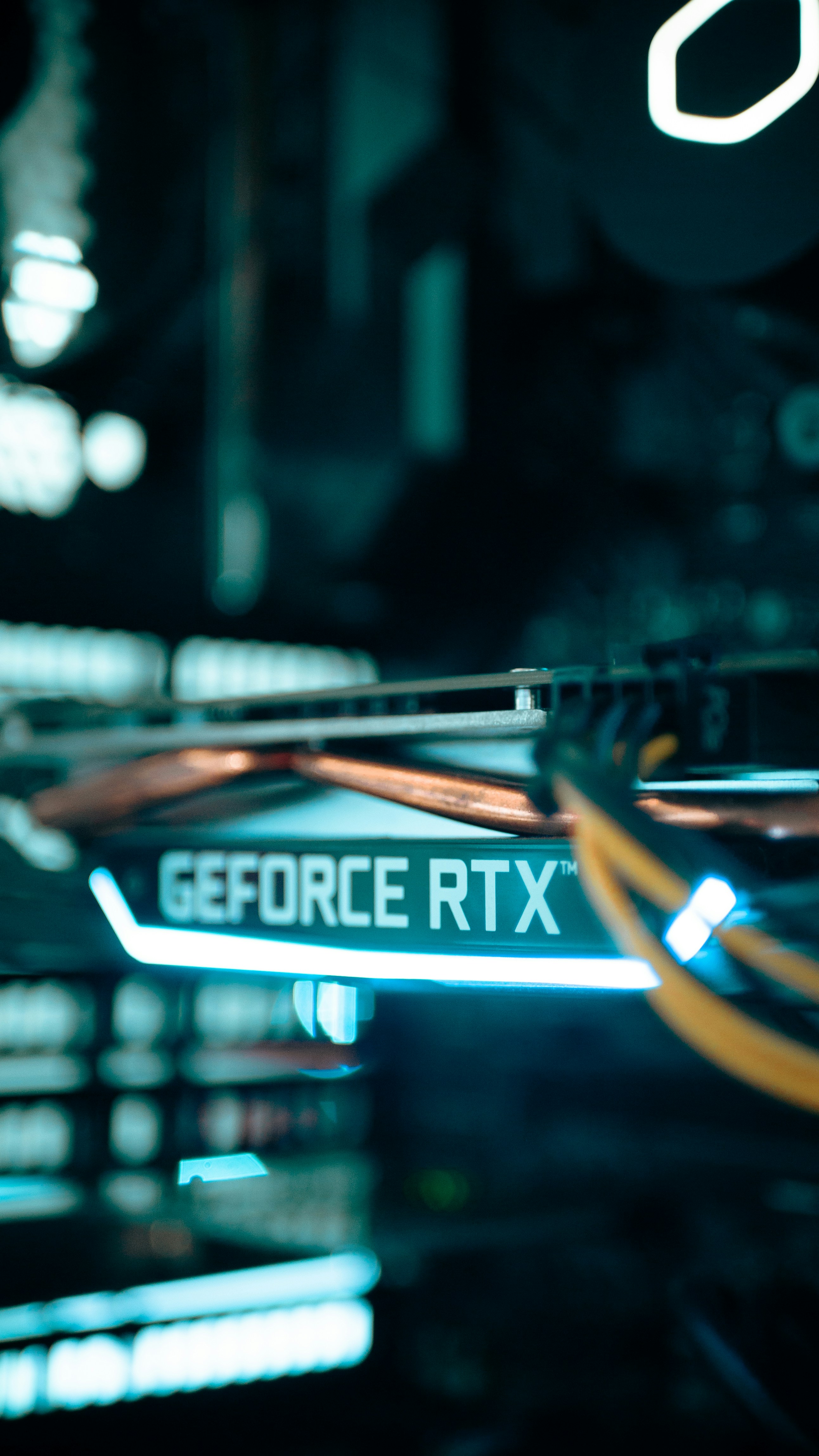
At its core, the mission is driven by the ambition to enhance India’s position as a global leader in AI development and innovation. By providing access to a substantial 38,000 GPU compute units, the IndiaAI Mission seeks to bridge the resource gap that often exists between urban and rural research environments. The GPU resources are pivotal for researchers engaged in complex calculations and high-demand AI tasks, which traditionally have required significant financial and infrastructural investments.
Moreover, the IndiaAI Mission is designed to address the specific challenges faced by researchers in smaller cities. Many of these researchers possess remarkable talent and innovative ideas, yet lack the necessary infrastructure and computing capabilities to transform their visions into reality. By democratizing access to such sophisticated technology, the mission not only supports existing research endeavors but also stimulates the growth of new projects that can contribute to various sectors, including health care, agriculture, and education.
Ultimately, the significance of the IndiaAI Mission extends beyond availability of resources; it embodies a commitment to fostering an inclusive ecosystem for AI research. By empowering researchers from diverse geographical backgrounds, the mission aims to create a more equitable landscape for technological advancement in India, promoting collaboration and innovation that transcends conventional boundaries.
Understanding GPU Computing and Its Importance in Research
Graphics Processing Units (GPUs) are specialized hardware designed to perform complex computations efficiently. Unlike Central Processing Units (CPUs), which are optimized for sequential processing, GPUs excel at parallel processing. This architectural difference makes GPUs particularly well-suited for tasks that involve large data sets and require extensive mathematical computations. In various research fields, the use of GPUs has transformed how researchers conduct analyses, allowing for faster and more efficient data processing.
GPU computing has become increasingly important in disciplines such as data analysis, machine learning, and scientific simulations. In the realm of data analysis, the ability of GPUs to handle multiple operations concurrently significantly reduces the time required for data processing. This acceleration is especially crucial in fields like genomics and big data analytics, where researchers deal with vast amounts of information that need rapid interpretation.
Additionally, in machine learning, GPUs enable the training of complex models on massive datasets. They facilitate deep learning processes, allowing researchers to develop predictive algorithms that can identify patterns and make decisions based on data. This enhanced computational capability has led to breakthroughs in artificial intelligence and has empowered researchers in tier-2 and tier-3 cities to leverage cutting-edge technologies in their investigations.
Moreover, simulations that require complex computations—such as climate modeling, fluid dynamics, and molecular dynamics—benefit from the high performance of GPU resources. By utilizing GPU computing, researchers can run simulations in a fraction of the time it would take with traditional CPU systems, leading to quicker insights and advancements in their respective fields. Therefore, access to GPUs is not only a technological enhancement but a vital resource that can elevate the research capabilities of scientists across various disciplines.
The Role of Tier-2/3 Cities in Advancing AI Research in India
Tier-2 and tier-3 cities in India, such as Airoli and Navi Mumbai, have increasingly become pivotal in the realm of artificial intelligence (AI) research and innovation. These cities harbor a rich reservoir of human capital, consisting of skilled professionals who possess the potential to contribute significantly to AI advancements. However, while the talent pool is robust, the lack of adequate resources, including infrastructure and technological support, poses considerable challenges for researchers operating in these areas.
Airoli, for instance, is strategically located near the bustling technology hub of Navi Mumbai, which facilitates networking and collaboration opportunities for local researchers. The proximity to major industries allows these researchers to engage in projects that address real-world problems, particularly in domains such as healthcare, finance, and urban development. As AI continues to evolve, the importance of harnessing local insights and expertise becomes increasingly apparent, particularly in cities that experience unique socio-economic challenges.
Moreover, the integration of AI technologies can significantly transform local industries in tier-2 and tier-3 cities. By leveraging AI, businesses can optimize operations, enhance decision-making, and ultimately improve productivity. For instance, agricultural enterprises can utilize AI-driven analytics to predict crop yields and improve supply chain logistics, thereby boosting profitability and sustainability. Consequently, the demand for AI talent in these regions is likely to increase, creating a virtuous cycle of talent development, industry growth, and localized innovation.
In conclusion, the potential of tier-2 and tier-3 cities in India is vast, and with the right resources and support, researchers in places like Airoli and Navi Mumbai can play a crucial role in advancing AI research and fostering economic growth. By focusing on developing the appropriate infrastructure and promoting collaboration, India can ensure that its AI landscape remains robust and dynamic.
Accessing 38,000 GPU Computes: What It Means for Researchers
The launch of 38,000 GPU compute resources under the IndiaAI Mission signifies a pivotal moment for researchers operating in Tier-2 and Tier-3 cities. This unprecedented accessibility to high-performance computing resources enables local researchers to engage in advanced computational tasks, which were previously constrained by infrastructure limitations. To leverage this resource effectively, researchers must adhere to a specified process of obtaining access.
Initially, interested researchers will need to register on the designated platform created for this initiative. The registration process typically requires researchers to provide pertinent details about their academic affiliation, research focus, and intended use of the GPU computes. Upon successful submission, an evaluation of the proposed projects will take place, determining eligibility based on factors such as innovation, societal impact, and alignment with national goals surrounding artificial intelligence and data science.
Once approved, researchers can begin utilizing the GPU computes for various projects, including machine learning, data analytics, and intricate simulations which are essential for a wide array of scientific inquiries. This resource caters to a diverse set of disciplines, potentially boosting local research capabilities in sectors such as healthcare, agriculture, and education, thus fostering regional development.
Furthermore, the infrastructure is designed to be user-friendly, providing tutorials and guidance to assist researchers in maximizing the benefits of these computational resources. Local research communities can collaborate to share insights and experiences, fostering an environment of mutual growth and innovation. By democratizing access to such critical technology, the IndiaAI Mission is set to enhance the research landscape across the country.
Case Studies of Local Researchers: Success Stories with GPU Access
The advent of GPU compute access under the IndiaAI Mission has opened new avenues for researchers in Tier-2 and Tier-3 cities, particularly those in Airoli and Navi Mumbai. One notable case study involves a local team dedicated to advancing agricultural technology through machine learning. By leveraging GPU resources, this research team was able to process vast datasets of agricultural practices and weather patterns. The efficiency of their model, empowered by GPU acceleration, led to predictive analytics that improved crop yields by 30% over traditional methods.
Another compelling success story emanates from a medical research initiative focused on early disease detection. Researchers in Navi Mumbai utilized GPU compute capabilities to analyze thousands of medical images for identifying symptoms of diseases such as diabetes and thyroid disorders. The high processing power afforded by GPUs allowed for more intricate deep learning algorithms, ultimately enhancing diagnostic accuracy and shortening the time required to analyze samples. This work not only showcases the technological benefits but also highlights the improved healthcare outcomes for the local population.
A third example can be seen in the field of environmental research. Airoli-based researchers utilized GPU access to model urban air quality and its correlation with various socio-economic factors. Map visualizations generated through this research have had a significant impact on local policy-making, promoting cleaner urban development strategies. The ability to compute complex models rapidly means that researchers can present findings to stakeholders more efficiently, thus driving immediate action.
These case studies collectively illustrate how access to GPU computing resources has empowered local researchers in Airoli and Navi Mumbai to transcend traditional barriers. By fostering innovation across various fields, these researchers have not only achieved substantial results but have also enhanced their communities’ technological and socio-economic landscapes.
Enhancing Collaboration Between Academia and Industry
As the IndiaAI Mission rolls out access to 38,000 GPU compute resources, the potential for enhanced collaboration between academic institutions and local industries becomes increasingly evident. The availability of high-performance GPUs can serve as a pivotal catalyst for partnerships aimed at leveraging cutting-edge technological advancements. Academic researchers in tier-2 and tier-3 cities often face challenges related to limited resources and funding, which can hinder their ability to contribute effectively to industry needs. By providing these researchers with the computational power they require, the IndiaAI initiative empowers them to develop innovative solutions that are directly relevant to local industries.
Such collaborations can take many forms, ranging from joint research projects to internships and knowledge-sharing programs. Academic institutions can partner with businesses to co-develop projects that use GPU resources in data analysis, machine learning, and artificial intelligence applications. This information exchange not only benefits the industries tasked with overcoming technological hurdles but also enriches the academic curriculum by integrating real-world problems into research. Furthermore, local industries can benefit immensely from the fresh insights that academic researchers offer, leading to the development of more effective and tailored products.
Moreover, initiatives that promote workshops, seminars, and innovation hubs can serve as platforms to facilitate dialogue between industry stakeholders and academic researchers. They can explore various use cases for GPU applications in sectors ranging from agriculture to manufacturing. As researchers and industry practitioners collaborate, they can address pressing issues and devise practical, scalable solutions, ultimately driving economic growth in their regions. The advancement of such collaborative efforts underlines the requirement for systematic engagement of academic institutions with local businesses, thereby solidifying the relationship between education and industry in the context of technological evolution.
Training and Skill Development Opportunities for Local Researchers
The rapid evolution of artificial intelligence (AI) and GPU computing technologies necessitates that researchers continually update their skills. For local researchers in Tier-2 and Tier-3 cities, targeted training programs and workshops can play a pivotal role in facilitating this process. The IndiaAI Mission’s provision of 38,000 GPU compute access presents a unique opportunity for developing tailored educational initiatives that address the specific needs and challenges faced by researchers in these regions.
To harness this potential, one approach is to collaborate with academic institutions, industry experts, and local governments to design and implement comprehensive training curricula. These programs should include both fundamental and advanced topics in AI, data science, and GPU programming, catering to various levels of expertise. Workshopping sessions could provide hands-on experience with real-world AI applications, allowing participants to gain practical knowledge and proficiency with GPU computing environments.
Moreover, online training modules can significantly increase accessibility for researchers who may have geographical or resource constraints. By leveraging digital platforms, the IndiaAI Mission can offer resources such as video lectures, interactive coding sessions, and access to a vibrant community of peers and mentors. This collaborative ecosystem encourages knowledge exchange and enhances the overall skill level of participants.
It is crucial to emphasize the importance of continuous learning in this rapidly evolving tech landscape. With AI rapidly advancing, researchers need to stay informed about the latest trends and technologies. By fostering a culture of ongoing education and professional development, the mission can ensure that Tier-2 and Tier-3 city researchers not only keep pace with technological changes but also contribute to the broader AI community through innovative research and applications.
Potential Impact on Local Economies and Job Creation
The introduction of advanced computing resources such as GPU access under the IndiaAI Mission is poised to significantly transform the economic landscape of tier-2 and tier-3 cities in India. These cities, often overlooked in terms of infrastructure and technological investment, are uniquely positioned to benefit from the enhanced capabilities that modern computing offers. Increased access to GPU computing can catalyze a surge in AI research and development, giving local researchers and entrepreneurs the tools necessary to innovate and solve local problems.
One of the most immediate impacts of this development is the potential for job creation. As researchers harness GPU power to develop AI solutions tailored to regional needs, new business ventures will emerge. Startups focusing on sectors such as agriculture, healthcare, and education, which are vital to these urban areas, can thrive with advancements in machine learning and data analytics. The knowledge and skills acquired through this access to resources can also lead to a rise in high-skilled jobs, attracting talent that might have otherwise moved to larger urban centers.
Moreover, the entrepreneurial ecosystem within these cities is likely to flourish. With increased GPU availability, local innovators can pursue their business ideas, fueling a spirit of entrepreneurship. As startups evolve, they will not only create new employment opportunities but also stimulate the local economy through increased spending and service demand, ushering in a more comprehensive economic uplift. Access to modern computing resources can therefore become a crucial driver for local economic resilience, fostering a self-reinforcing cycle of innovation, job creation, and infrastructural growth. This enhancement aligns with the overarching goals of the IndiaAI Mission to cultivate a robust and inclusive AI research environment across all regions of India.
Conclusion: Looking Ahead to a Promising Future
The IndiaAI mission represents a significant step forward in democratizing access to advanced computing resources for researchers in tier-2 and tier-3 cities across India. With the introduction of 38,000 GPU compute units, this initiative not only enhances local capabilities but also fosters an environment where innovation can thrive outside the major metropolitan hubs. Researchers in these regions will now have the opportunity to engage in projects that were previously constrained by limited access to computational power, thus expanding the frontiers of knowledge and discovery.
The impact of this initiative extends beyond immediate research benefits. By enabling researchers to conduct complex computations and analyses, the IndiaAI mission is likely to catalyze a shift in the research landscape, encouraging collaboration and knowledge sharing among a wider array of scholars. Such shifts are essential for evolving India’s position within the global research community. It is anticipated that the effects of this initiative will inspire a new wave of talent, harnessing the local expertise available in tier-2 and tier-3 cities, thereby contributing to India’s overall technological advancement.
Moreover, as these researchers gain proficiency in leveraging GPU computing, it is expected that more groundbreaking solutions to local and national challenges will emerge. This grassroots approach holds the potential to address pressing societal needs while simultaneously contributing to India’s commitment to becoming a global leader in artificial intelligence and technology. As we look to the future, the foundational changes initiated by the IndiaAI mission can pave the way for a more inclusive and innovative research ecosystem, fostering the next generation of thinkers and doers across the country.