Introduction to Interactive Virtual Environments
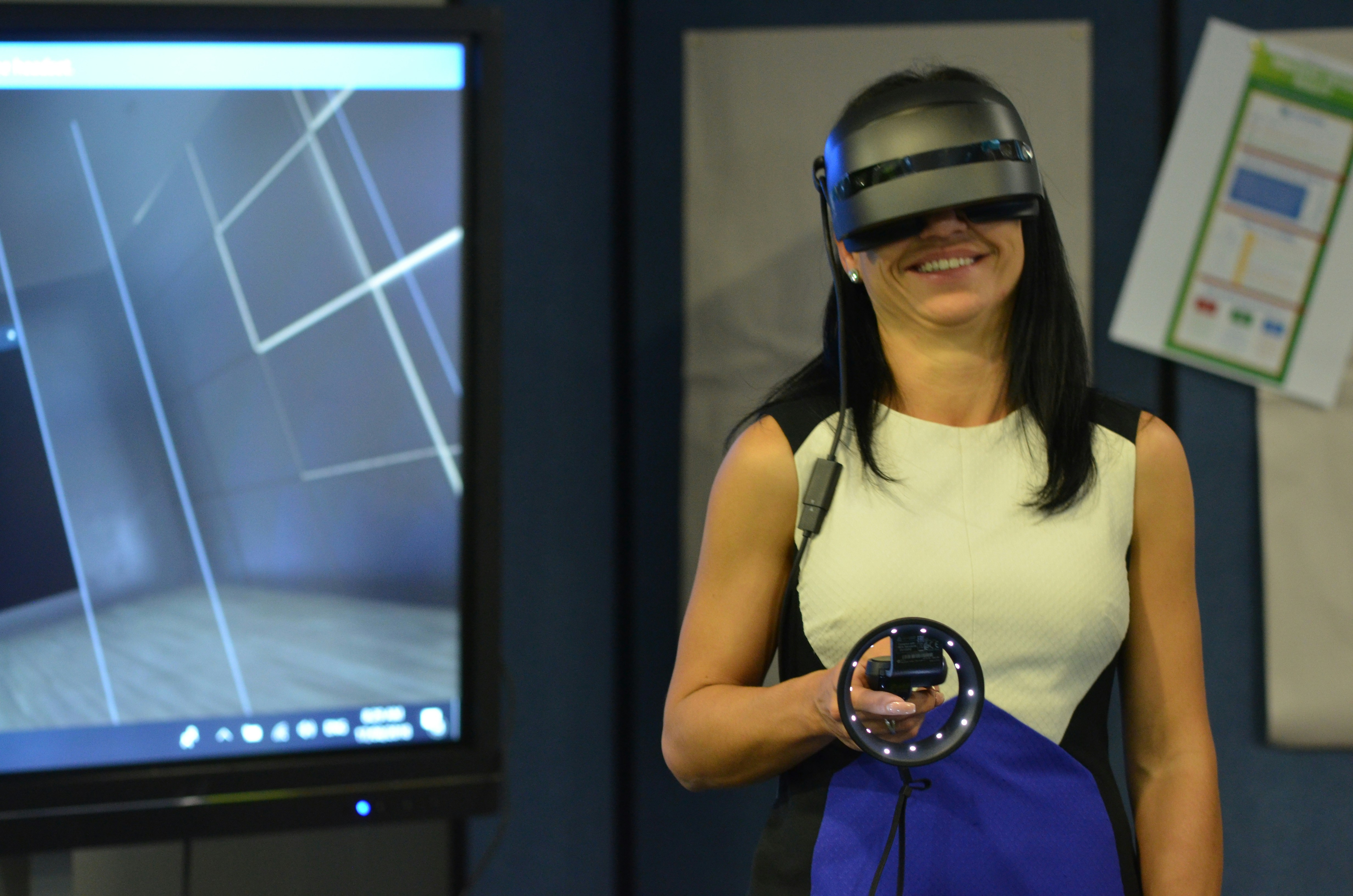
Interactive Virtual Environments (IVEs) represent a significant development in the use of technology across various sectors, including gaming, education, and professional training. IVEs are designed to create immersive experiences that allow users to interact with digital worlds in real-time. This level of interaction is achieved through the utilization of various technologies, notably Virtual Reality (VR) and Augmented Reality (AR), which enhance the user’s experience by providing a rich, immersive environment.
In the gaming industry, IVEs have transformed the way players engage with virtual worlds by allowing them to not only observe but actively participate in the game’s narrative and mechanics. This interactivity heightens the overall engagement and enjoyment, leading to more profound connections with characters and scenarios. The advent of sophisticated game engines has further facilitated the development of richly detailed graphics and responsive gameplay, which are hallmarks of modern gaming experiences.
Moreover, educational institutions are increasingly incorporating IVEs into their curricula. By leveraging these environments, educators can create simulations that replicate real-world situations, offering students hands-on experience in a controlled setting. For example, medical students can practice surgical procedures within a virtual operating room, thereby enhancing their skills without the risks associated with live patients.
Training programs across various industries are also adopting IVEs to facilitate skill acquisition in a safe yet realistic context. This technology enables employees to engage in scenario-based training, enhancing both retention and practical application of skills learned. As the technology continues to evolve, it is expected that the quality and accessibility of IVEs will further improve, making these environments a staple in both learning and entertainment.
Technological Advancements in Virtual Environment Generation
The realm of Interactive Virtual Environments (IVEs) has experienced significant enhancements thanks to groundbreaking technological advancements, particularly in graphics rendering, 3D modeling, artificial intelligence (AI), and machine learning. These innovations have played a pivotal role in improving the realism and immersive quality of virtual experiences.
One of the notable advancements is in the area of graphics rendering. Techniques such as real-time ray tracing have transformed how light and shadows are depicted within virtual environments. This method allows for realistic reflections and refractions, resulting in lighting scenarios that closely mimic the real world. As processing power increases, more users can experience these sophisticated graphics without sacrificing performance, ultimately enriching their interaction with the virtual space.
In addition to graphics rendering, developments in 3D modeling have also contributed significantly to enhancing IVEs. The use of sophisticated software and tools has streamlined the process of creating dynamic and intricate models. Advancements in texture mapping and material simulation allow designers to create objects that possess depth and realism equivalent to their real-world counterparts. As a result, users can engage in environments that are not only visually striking but are also rich in detail.
Moreover, the integration of AI and machine learning into IVE generation has opened new horizons for user engagement. Algorithms can now analyze user behaviors and adapt the environment accordingly, providing a customized experience that evolves based on individual interactions. For instance, AI-driven NPCs (non-playable characters) can interact intelligently with players, enhancing the narrative depth and realism of the experience. This personalized approach creates an evolving environment that keeps users engaged over extended periods.
In essence, the convergence of advanced graphics rendering, innovative 3D modeling, and the incorporation of AI technologies is transforming the landscape of virtual environment generation. These advancements not only enhance the quality of IVEs but also contribute to a more immersive and interactive experience, establishing a new benchmark for future developments in the field.
Key Metrics for Evaluating IVE Quality
Evaluating the quality of Interactive Virtual Environments (IVEs) requires a comprehensive understanding of various key metrics that define their effectiveness. Among these, visual fidelity stands out as a primary metric, referring to how closely the visual representations within the IVE match real-world objects and environments. High visual fidelity contributes significantly to immersion, allowing users to engage more deeply with the virtual setting.
Equally important is the level of interactivity offered by the IVE. This metric assesses how responsive and engaging the environment is to user input. A high degree of interactivity allows for real-time manipulation and involvement, enhancing the user’s sense of agency within the environment. Consequently, it can determine the overall quality of experience in interactive scenarios, making it crucial for developers to prioritize this aspect during the creation of IVEs.
User experience (UX) is another vital metric that encompasses overall satisfaction derived from interacting within the virtual environment. This includes usability factors such as interface design, ease of navigation, and the intuitiveness of controls. A positive user experience can significantly impact the acceptance and effectiveness of an IVE, as it influences whether users are likely to return to or recommend the environment to others.
Performance benchmarks also play a critical role in assessing IVE quality, measuring aspects such as frame rates, load times, and system responsiveness during usage. High performance is essential to prevent user frustration and maintain immersion, as technical shortcomings can detract from the overall experience. By evaluating these key metrics—visual fidelity, interactivity, user experience, and performance benchmarks—stakeholders can develop a clearer understanding of the strengths and weaknesses of an IVE, ultimately guiding enhancements and innovations in this evolving field.
Case Studies of Realistic IVEs
Interactive Virtual Environments (IVEs) have transformed various sectors by offering a rich, immersive experience to users. These environments have been successfully implemented in architecture, training simulations, and entertainment, enhancing user engagement and operational efficiency.
In the field of architecture, firms utilize IVEs to present their designs in a three-dimensional space, enabling clients to visualize and interact with the projects before realization. For instance, a renowned architectural firm employed IVEs to create a virtual tour of a proposed residential complex. Clients were able to explore different layouts and finishes, leading to quicker decision-making and increased satisfaction with the final product. This method not only showcases the design effectively but also allows for real-time feedback on elements such as spatial arrangement and aesthetics.
In the realm of training simulations, the military has adopted IVEs for tactical training applications. Personnel can engage in realistic combat scenarios without the risks associated with live-action training. A specific case involved a virtual battlefield simulation that provided soldiers with the opportunity to practice strategy planning and decision-making in high-pressure environments. The feedback was overwhelmingly positive as troops reported higher confidence levels and better preparedness for real-world scenarios. Such IVEs facilitated multi-sensory engagement, thereby enhancing learning retention and operational readiness.
The entertainment industry has also embraced IVEs, particularly in video gaming. Groundbreaking titles utilize realistic virtual environments to immerse players fully in their narratives. A popular example includes a game where players explore meticulously crafted worlds that replicate real-life locations and historic events. The inclusion of detailed graphics and interactive elements captivates the audience, ensuring prolonged engagement. Players not only enjoy the entertainment aspect but also gain insights into history and culture through these immersive experiences.
These case studies illustrate the diverse applications of realistic virtual environments across various industries. By employing IVEs, businesses can enhance user engagement, improve learning outcomes, and ultimately drive success in their respective fields.
Challenges in Achieving High-Quality IVEs
The creation of high-quality Interactive Virtual Environments (IVEs) presents numerous challenges that developers must navigate to deliver immersive experiences. Among these, hardware limitations significantly impact the quality of virtual environments. Many users may not possess the latest equipment, which can lead to performance discrepancies. Developers must design IVEs that can run efficiently across a range of hardware setups, balancing quality and accessibility.
Another critical challenge lies in content creation barriers. Developing distinctive and captivating content for virtual environments often requires advanced skills in 3D modeling, animation, and sound design. These competencies can be scarce among teams, limiting the scope and depth of the environments they can produce. Additionally, the collaboration between various specialists is not always seamless, leading to inconsistencies in the final output.
Real-time rendering complexities further compound the difficulties of producing high-quality IVEs. Achieving photorealism and responsiveness demands robust optimization techniques and powerful graphic processing units (GPUs). The challenge amplifies when considering the diverse graphical settings required to accommodate varying user preferences and hardware capabilities.
Lastly, ensuring cross-platform compatibility adds another layer of complexity. Developers must account for the different operating systems, devices, and input methods that users may employ. This requirement often leads to increased development time and resource allocation as teams must refine their environments to ensure a consistent experience across platforms.
In summary, while the potential of high-quality interactive virtual environments is vast, developers face significant challenges in overcoming hardware weaknesses, content creation limits, rendering demands, and compatibility issues. Each of these factors requires careful consideration and innovative solutions to create truly engaging and immersive user experiences.
User Experience and Engagement in Interactive Virtual Environments
As the field of interactive virtual environment generation continues to evolve, the importance of user experience and engagement has become increasingly critical. Users’ interactions with these environments greatly depend on the overall quality of the platforms. High-quality virtual environments can lead to increased user satisfaction, heightened engagement, and improved overall effectiveness of the experience.
Immersive design plays a vital role in shaping user perceptions. A well-crafted virtual environment can seamlessly blend user objectives with the experience, making interactions more intuitive and enjoyable. Elements such as realistic graphics, spatial audio, and dynamic interactivity contribute significantly to the feeling of presence, drawing users deeper into the experience. This immersion is crucial in applications ranging from education to entertainment, as users are more likely to remain engaged in environments that feel lifelike.
Equally important is the design of intuitive interfaces. Environments that prioritize ease of use and accessibility help users navigate virtual spaces with minimal frustration and effort. An intuitive interface can facilitate quick learning curves, enabling individuals to engage with the IVE without extensive training. Furthermore, effective feedback mechanisms within the interface will assist users in understanding their actions and the consequences, enhancing their sense of control and satisfaction.
Accessibility features cannot be overlooked, as they enable a wider audience to enjoy virtual experiences. Ensuring that interactive environments accommodate diverse user needs, including those with visual or auditory impairments, not only expands the potential user base but also enhances the overall quality of the experience. Inclusive design fosters a sense of belonging, allowing users from different backgrounds to immerse themselves fully in the virtual world.
Future Trends in Interactive Virtual Environment Generation
The rapid advancement of technology is set to significantly transform interactive virtual environment (IVE) generation, leading to unprecedented levels of realism and user engagement. Among the key developments, spatial computing stands out as a pivotal trend that will redefine how users interact with virtual spaces. By seamlessly blending the physical and digital worlds, spatial computing enables immersive experiences that are more intuitive and accessible. For instance, augmented reality (AR) and mixed reality (MR) applications will allow users to interact with virtual objects as though they exist in the real world, enhancing the quality of simulations and training environments.
Furthermore, haptic feedback technologies are anticipated to play a crucial role in enhancing the sensory experience within IVEs. The evolution of haptic systems will provide users with tactile sensations, allowing them to feel textures, resistances, and even temperature changes as they interact with digital elements. This advancement will significantly increase the realism of virtual interactions, enabling users to fully immerse themselves in interactive scenarios, which is particularly beneficial for sectors such as gaming, education, and healthcare.
Another noteworthy trend is the continuous improvement of motion capture technologies. Advances in motion tracking will facilitate the creation of more lifelike avatars and characters, bridging the gap between user actions and virtual responses. This evolution will not only enhance the quality of user-generated content but will also improve the overall realism of IVEs. As motion capture becomes more accessible and sophisticated, developers will be able to create intricate and responsive environments that adapt to user behavior, further enhancing engagement.
In conclusion, the future of interactive virtual environment generation is poised for remarkable progress as spatial computing, haptic feedback, and advanced motion capture technologies converge. These innovations promise to elevate the quality and realism of IVEs, fostering experiences that are increasingly indistinguishable from reality.
Expert Opinions on Current and Future Interactive Virtual Environment Quality
In recent years, the quality of interactive virtual environments (IVEs) has been a topic of extensive discussion among industry professionals, including game developers, designers, and researchers. Many experts agree that the current state of IVEs has significantly advanced due to improvements in technology and artistry. Developers emphasize that these enhancements have facilitated the creation of more immersive experiences that engage users more effectively than before.
One prominent game designer notes that the integration of advanced graphics and artificial intelligence has led to a marked increase in realism within IVEs. This realism is not solely visual; it also encompasses dynamic interactions that react intelligently to user inputs, thus creating a more compelling virtual world. According to this expert, such advancements allow users to develop emotional attachments to the characters and narratives they encounter, enhancing the overall experience.
Conversely, some industry veterans express concerns regarding the potential oversaturation of the market with IVEs that prioritize spectacle over substance. They assert that while technical quality may reach new heights, the essence of engaging storytelling and rich gameplay mechanics should not be overlooked. This opinion highlights a critical juncture in the evolution of IVEs, where the balance between aesthetic appeal and genuine interaction becomes paramount.
Looking ahead, experts predict a continued evolution in IVE quality, driven by emerging technologies such as virtual reality (VR) and augmented reality (AR). They foresee a future in which IVEs become even more integrated into everyday life, offering opportunities for learning, social interaction, and entertainment. The consensus is that to maintain high quality, developers must focus on innovating in both technology and narrative depth, ensuring that future IVEs are not only graphically stunning, but also culturally and emotionally resonant. This dual focus is essential to cater to the evolving expectations of the user base.
Conclusion: The Realistic Outlook for Interactive Virtual Environments
As the field of interactive virtual environment generation continues to evolve, it is crucial to reflect on the significant advancements and current limitations observed in technology. Initially, we explored the progression of graphics and computational power that has made it possible to create increasingly immersive experiences. These improvements have set a higher standard for user expectations regarding realism and interactivity.
Furthermore, advancements in artificial intelligence and physics simulations have started to shape new paradigms in how virtual environments are constructed and interacted with. The integration of these technologies facilitates more dynamic and adaptable environments, enhancing the overall user experience. However, while the progress is commendable, challenges remain. For instance, the balance between graphical fidelity and computational efficiency is still a major concern. High-resolution textures and complex algorithms may enhance visual appeal, but they can also lead to longer loading times and increased hardware requirements.
Looking ahead, the realistic expectation is that the quality of interactive virtual environments will continue to improve, albeit accompanied by technical challenges. It is likely that developers will increasingly turn towards optimization techniques that maintain an immersive experience without overwhelming system capabilities. Collaborative efforts across fields such as game design, computer graphics, and user experience engineering will be vital in pushing the boundaries further. Readers are encouraged to share their perspectives on these developments, reflecting on personal experiences and insights regarding virtual environments. Such discourse is essential as we navigate the future landscape of interactive digital experiences, allowing a collective understanding of what could be achieved moving forward.