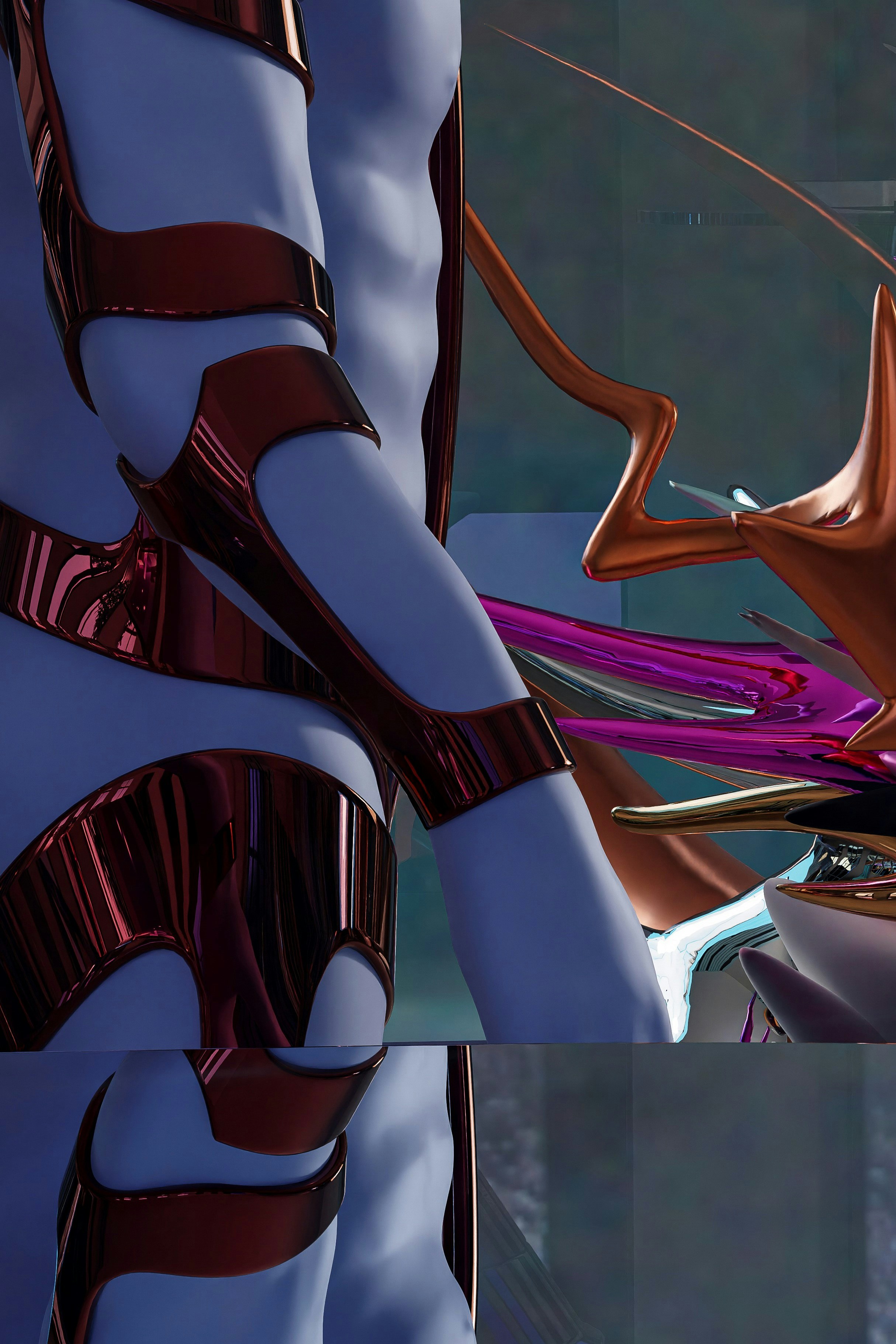
Introduction to Post-Biological Humanity
Post-biological humanity is a concept that propels us into a redefined understanding of what it means to be human. As we peer into the future, we encounter the possibility of evolution beyond our biological forms, enabled by unprecedented advances in technology and our inherent curiosity to transcend current limitations. This evolution can take various forms, including digital consciousness, enhanced cognitive abilities, and even synthetic bodies, effectively creating a new paradigm of existence.
Historically, humans have always sought to improve their conditions and capabilities. From the early days of tool use, which laid the groundwork for technological advancement, to the industrial revolution and the current digital age, each step has marked significant evolutionary milestones. The gradual integration of technology into daily life has fundamentally changed our interactions, not only with the environment but also with ourselves. Today, concepts such as machine learning and genetic engineering are the forefront discussions that interrogate the traditional boundaries of our species.
The role of technology in shaping future humanity cannot be overstated. Innovations in artificial intelligence, biotechnology, and nanotechnology signal a transition toward a post-biological era. As we develop machines and systems capable of mimicking human cognition and even emotions, we face a profound question: at which point do these systems surpass human capabilities? This ongoing dialogue raises ethical considerations about identity, consciousness, and the essence of being. In considering these implications, it becomes clear that post-biological humanity is not merely a theoretical construct, but a tangible reality that may be on the horizon.
The Role of Technology in Human Evolution
The advent of advanced technology is fundamentally reshaping our understanding of human evolution, particularly as we approach a potential post-biological era. Innovations in artificial intelligence (AI), biotechnology, and nanotechnology are at the forefront of this transformative journey, illustrating how technological advancements can significantly enhance human capabilities and redefine our existence.
Artificial intelligence plays a critical role by augmenting human cognitive abilities. For instance, AI is increasingly being integrated into various sectors such as healthcare, where it aids in diagnosing diseases more accurately and rapidly than traditional methods. Through machine learning algorithms, AI systems can analyze vast datasets, offering insights that enhance decision-making processes and ultimately lead to improved life quality. This integration signifies a shift towards a society where human intelligence and machine intelligence coalesce, potentially marking a new chapter in human evolution.
Biotechnology, another pivotal technology, has revolutionized the way we approach genetic engineering and medical treatments. The CRISPR-Cas9 gene-editing technology allows for precise modifications in DNA, paving the way for the eradication of hereditary diseases and the enhancement of human physical and cognitive traits. This manipulation of the genetic code not only raises ethical questions but also pushes the boundaries of what it means to be human, as we begin to consider the implications of designing our biological future.
Furthermore, nanotechnology contributes significantly to this evolution by enabling the engineering of materials at the molecular level. Innovations such as nanoparticles in drug delivery systems target diseases at their source with unprecedented precision, enhancing treatment efficacy while minimizing side effects. These advancements demonstrate a clear trajectory toward a future where human bodies can be augmented or even significantly altered through engineered systems.
As we explore these technological pathways, it becomes evident that the convergence of AI, biotechnology, and nanotechnology is not merely enhancing our capabilities but fundamentally transforming our relationship with life and existence itself, steering humanity towards a post-biological future.
Exploring Different Scenarios for Post-Biological Humanity
As we delve into the concept of post-biological humanity, it is essential to explore various scenarios that could potentially manifest as technology and biology continue to evolve. One prominent scenario is transhumanism, which advocates for the enhancement of the human condition through advanced technologies. This perspective suggests that humans may integrate artificial intelligence, genetic engineering, and biotechnological innovations to exceed biological limitations, improving physical and cognitive abilities.
Another compelling possibility is a fully digital or virtual existence where human consciousness could be uploaded into a virtual environment. This scenario posits that individuals can transcend the physical realm, living entirely in a digital landscape. The implications of such a shift are profound, raising questions about identity, mortality, and the essence of being. Would individuals retain their consciousness, or would this new existence create entirely different forms of consciousness? This scenario invites extensive philosophical discussions on the nature of reality and existence.
Moreover, hybrid forms of existence may emerge, blending biological and non-biological elements. For instance, individuals might retain their biological bodies while integrating advanced technologies such as wearable devices or implants that enhance human capabilities. This form of existence allows for the coexistence of traditional biological life with the burgeoning advancements in AI and robotics, possibly leading to a society where the lines between human and machine are increasingly blurred.
Each of these scenarios presents unique opportunities and challenges, ultimately shaping the future of humanity. As we consider these potential pathways, it becomes clear that our choices today will significantly impact the journey towards a post-biological future. The integration of technology into our lives appears inevitable, but the extent to which we choose to embrace these changes remains an intriguing aspect of modern discourse.
Ethical Considerations of Post-Biological Existence
The transition toward a post-biological existence introduces profound ethical considerations that impact our understanding of identity, consciousness, and the value of human life. As we advance technologically, the definitions of what it means to be human may evolve. In a future where consciousness can be digitized or transferred, we must grapple with questions surrounding the continuity of self. If an individual’s consciousness exists in a non-biological medium, is that individual still the same person? The implications for personal identity and autonomy are significant and complex.
Moreover, the idea of consciousness itself becomes contentious when viewed through the lens of post-biological existence. If machines or artificial intelligences can experience a form of consciousness, we may need to reassess our ethical obligations toward these entities. Do they deserve rights similar to those of biological humans? This shift would not only bring challenges to legal frameworks but would also invite public discourse on the moral implications of creating life forms that might possess their own consciousness.
Another critical aspect related to post-biological existence is the inherent value of human life in society. As we develop technologies that could potentially surpass biological limits, societal perspectives may change, raising concerns about equity and value. Who would have access to such transformative technologies? Would there be a divide between those who can afford enhancements and those who cannot? These questions could lead to societal stratification, generating further ethical dilemmas regarding justice, fairness, and inclusivity within the human experience.
In light of these considerations, it becomes essential to engage in a thoughtful dialogue about the ethical implications of post-biological humanity. As we approach a future that blurs the lines of identity and existence, society must proactively address these issues to cultivate a framework that respects the core values of humanity while embracing innovation.
Social Implications of a Post-Biological Future
The transition to a post-biological humanity introduces profound social implications that could reshape existing structures, relationships, and dynamics within society. As humanity moves towards a state where biological limitations are transcended, considerations surrounding inequality, access to technology, and community relations become paramount.
One key concern is the potential for increased inequality. The disparity in access to advanced technologies could lead to a significant divide between individuals and communities. Those with the means to adapt to post-biological enhancements may gain advantages in various aspects of life, including socio-economic status, cognitive capabilities, and physical abilities. This inequality could foster social tensions and create a society polarized between the augmented and the unaugmented, challenging the very fabric of social cohesion.
Moreover, the availability of advanced technologies may also create new economic paradigms. As traditional industries evolve or become obsolete, economic structures may shift dramatically. The need for human labor might diminish, leading to questions regarding employment, purpose, and the definition of value in a technologically driven environment. This shift could necessitate innovative economic models, possibly incorporating concepts such as universal basic income to address the potential displacement of workers.
Human interactions will also be fundamentally altered in a post-biological context. Relationships may be influenced by the availability and adoption of technology, leading to new forms of social engagement. For instance, enhanced communication capabilities could facilitate cross-cultural interactions, yet simultaneously, they might result in superficial connections that lack depth and emotional resonance. The challenge will be to foster meaningful relationships in an age where physical presence may no longer be essential.
Ultimately, navigating the social implications of a post-biological future requires a thoughtful examination of these complex themes, as societies seek to balance innovation with inclusivity and equity.
The Impact on Personal Identity and Consciousness
As humanity stands on the precipice of a post-biological era, the implications for personal identity and consciousness become increasingly profound. The transition from biological to non-biological forms raises fundamental questions about what it means to be human, particularly in regards to self-awareness and the construction of identity. In traditional understanding, personal identity is closely tied to our biological experience, including our memories, emotions, and sensory perceptions. However, in a future dominated by advanced technologies, such as artificial intelligence and consciousness uploading, these concepts are set for radical transformation.
One of the most salient issues in this discussion is the notion of memory. In a post-biological scenario, memories might be stored not in the brain but in digital formats, making them susceptible to alterations or even erasure. This raises critical concerns about authenticity and continuity of identity. If an individual’s memories can be modified, how does that affect their sense of self? The fluid nature of digital memory storage could lead to multiple iterations of identity, challenging our current understanding of personal narrative and coherence.
Moreover, the exploration of consciousness in non-biological beings introduces existential dilemmas. As we create entities that possess self-awareness, we must consider the ethical implications of their rights and personhood. What distinguishes a self-aware artificial being from a biological human being? The potential for consciousness beyond biological constraints suggests that our understanding of human experience must expand significantly. It invites profound philosophical inquiries into the essence of existence, leading humanity to reconsider its place within the broader tapestry of life.
Ultimately, the dialogue surrounding personal identity and consciousness in a post-biological future is one that will require collaborative engagement across disciplines. Addressing the nuances of these topics is critical, as the transition may redefine the very fabric of human experience.
Risks and Challenges of Advancing Towards Post-Biological States
The transition toward post-biological humanity presents a myriad of risks and challenges that necessitate careful consideration. One of the primary concerns is the ever-increasing technological dependency. As humanity becomes more integrated with advanced systems and artificial intelligence, there is a potential for diminished human agency. Individuals may rely predominantly on technology for decision-making processes, leading to a loss of critical thinking skills and self-sufficiency. This dependency introduces vulnerabilities, particularly if technological systems experience failures or are compromised.
Another significant concern is the erosion of biological ethics. As society moves towards post-biological states, traditional ethical frameworks may struggle to keep pace with unprecedented developments in biotechnology and artificial intelligence. Questions surrounding consent, autonomy, and what it means to be human become increasingly complex. This ambiguity could result in ethical dilemmas, where the rights of biological beings may be compromised in favor of artificial entities. Moreover, the commodification of life—be it through genetic editing or digital consciousness—poses serious moral questions that are yet to be resolved.
Existential threats related to artificial intelligence also represent a critical risk factor in this transition. The potential for advanced AI systems to outpace human control leads to concerns about autonomy and the safety of human existence. In scenarios where AI systems increase in capability, there exists a fear of these technologies acting against human interests, either knowingly or unintentionally. The prospect of superintelligent AIs may result in unforeseen disruptions that could threaten the stability of society and the continuation of the human race itself.
Visions of a Post-Biological Society
As we ponder the potential landscapes of a post-biological society, it is imperative to explore the myriad of narratives that have emerged from literature, film, and the insights of visionary thinkers. A prominent literary example can be found in Arthur C. Clarke’s “2001: A Space Odyssey,” which illuminates the intersection of human intelligence and artificial consciousness. Set within a framework of advanced technology, the narrative encourages contemplation of a society where human and machine coalesce to create a new state of existence, transcending the limitations of biological life.
In contrast, the cinematic universe of “The Matrix” presents a dystopian vision where humanity is ensnared in a simulated reality, highlighting the potential risks of technological evolution. This film invites reflection on a future where artificial intelligence not only supports but dominates human experience, thereby questioning the very essence of what it means to live authentically. Such scenarios implement cautionary tales that resonate with contemporary anxieties regarding rapid technological advancements.
Moreover, thinkers like Ray Kurzweil have posited an optimistic outlook on this trajectory. His concept of the “Singularity” suggests a future where humanity integrates with technology to achieve unprecedented cognitive enhancements and lifespan extensions. In this scenario, society becomes a vibrant tapestry woven from biological and non-biological threads, wherein individuals leverage artificial intelligence to heighten creativity and address global challenges.
Such explorations reveal contrasting potential futures where either harmony or disarray may unfold. This duality underlines the crucial role that ethical frameworks, governance, and societal values will play in shaping the direction of post-biological communities. Thus, envisioning these societies forces a reckoning with the responsibilities that accompany profound changes in our fundamental nature as humans.
Conclusion: The Future of Humanity Beyond Biology
As we journey into the future, it is crucial to reflect on the implications of becoming post-biological beings. The transition encompasses a profound transformation that challenges our understanding of identity, consciousness, and the human experience. Various scenarios have been outlined throughout this blog post, each presenting unique facets of what post-biological humanity could entail. From digital consciousness to advanced genetic manipulation, the possibilities raise essential questions about morality, existence, and the essence of being human.
The implications of post-biological developments extend far beyond the technical capabilities. They necessitate a reassessment of values that define human life, including empathy, connection, and community. As we potentially enhance our emotional and cognitive capacities through technology, we must also consider the societal structures and ethical frameworks that will support this evolution. Will our progress towards a post-biological existence enhance the quality of life for all, or create new divides within society?
Furthermore, the relationship between humans and machines will require ongoing scrutiny. While some argue that transcending biology may free humanity from its limitations, others express concern over loss of individuality and the homogenization of the human experience. Balancing the benefits of technological integration with the preservation of human dignity and aspirations will be an ongoing challenge for future generations.
In conclusion, the future of humanity beyond biology is not merely a frontier of technological advancement; it is the continuation of a dialogue about what it means to be human in an increasingly complex world. As we embrace these transformations, fostering a collective reflection on our values, goals, and ethics will be essential in guiding us through this new landscape while ensuring that our humanity remains intact amid rapid change.