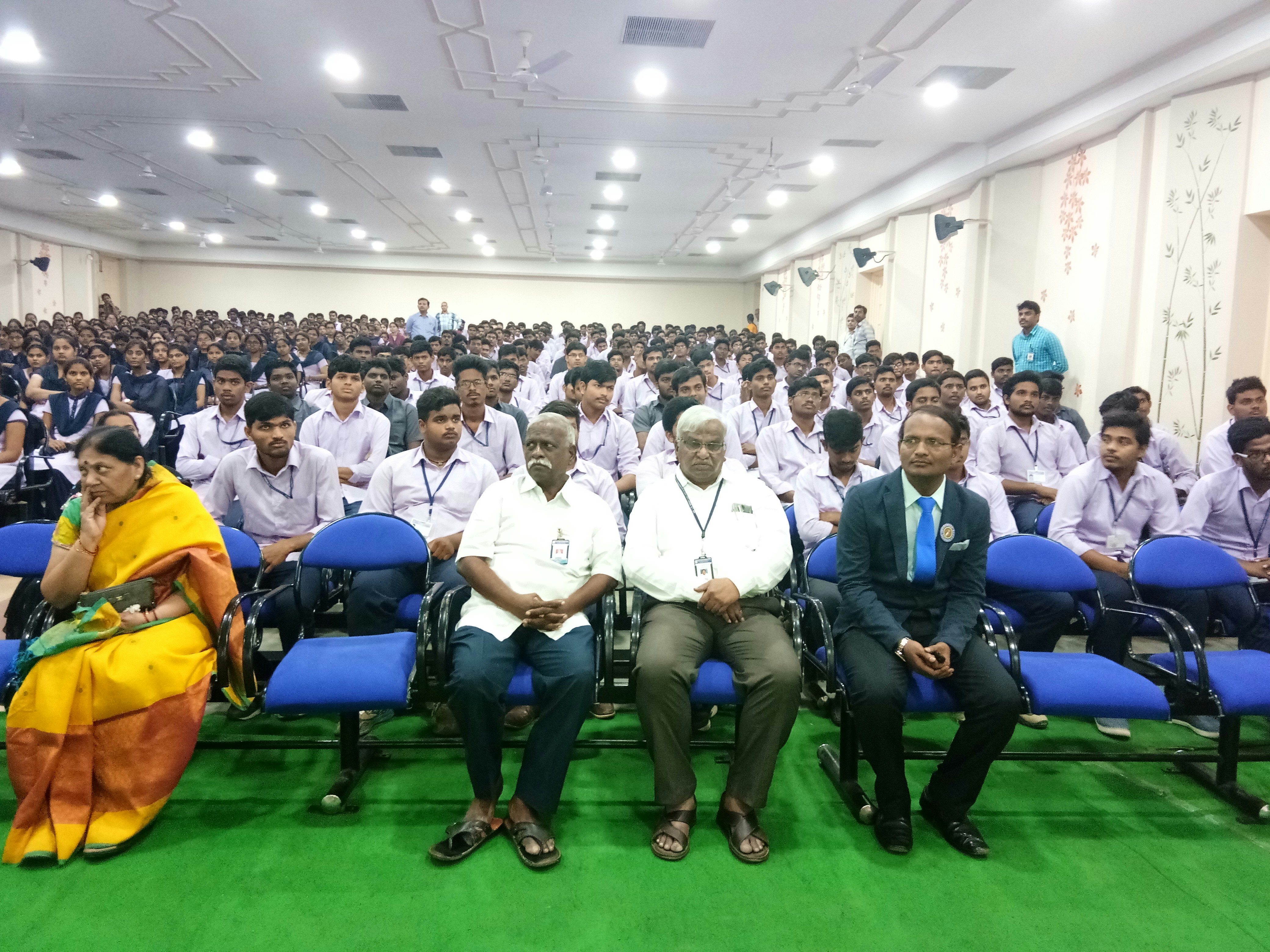
Introduction to AI in Education
Artificial Intelligence (AI) is increasingly gaining traction within the educational sector, impacting various aspects of teaching and learning. In Maharashtra schools, the integration of AI technologies is creating new educational paradigms that can potentially enhance learning outcomes for students. By employing AI applications, educators are equipped with tools that support personalized learning, enabling tailored educational experiences based on individual student needs.
One of the most significant benefits of AI in education is its ability to effectively analyze vast amounts of data. This capacity allows teachers to receive insights into student performance and learning styles, facilitating more informed instructional decisions. Furthermore, AI-based learning platforms can offer interactive and engaging experiences, which are particularly beneficial in subjects requiring logical reasoning, such as mathematics and science.
However, the incorporation of AI into the educational framework does not come without challenges. One major concern revolves around the ethical considerations of using AI in schools, particularly regarding data privacy and security. Ensuring that student data is protected while taking advantage of AI’s capabilities is crucial for maintaining trust between educators, students, and parents. Additionally, there is a need to address the potential digital divide that may arise, as not all students have equal access to the necessary technology.
The intersection of AI and traditional educational methodologies, such as Nyaya logic, presents an intriguing opportunity for enhancing logical reasoning skills in students. Nyaya, an ancient Indian school of philosophy, emphasizes critical reasoning and discourse. Integrating AI with this framework could encourage students to engage in higher-order thinking and analytical skills, yielding benefits in their overall academic performance.
As we delve deeper into the implications of AI in Maharashtra schools, the ongoing discussion surrounding its advantages and drawbacks will likely shape the future of education in the region. The balance of leveraging technology while preserving the foundational values of traditional educational practices remains an essential focal point in this evolving narrative.
Understanding Nyaya Logic
Nyaya logic, one of the six orthodox schools of Indian philosophy, has a rich historical and philosophical background that dates back to ancient India, particularly articulated in the Nyaya Sutras, composed by the sage Gautama around the 2nd century BCE. Its foundational role in the Indian philosophical landscape is centered around the principles of logical reasoning, debate, and inquiry, which are crucial competencies in both philosophical and educational contexts.
Central to Nyaya is the concept of pramāṇa, or sources of valid knowledge, which delineates four means of acquiring knowledge: perception, inference, analogy, and testimony. Each of these sources plays a pivotal role in establishing what can be deemed credible and reliable in argumentation. Inference, known as anumāna, is particularly significant within Nyaya, emphasizing the process of drawing conclusions based on premises, which can be juxtaposed with contemporary discussions on artificial intelligence and its reliance on logical structures to reach conclusions.
Nyaya thinkers also place great importance on the clarity and structure of debate. This aspect is encapsulated in the art of tarka, a rigorous method of reasoning designed to arrive at truth through systematic discourse and critical analysis of various viewpoints. Thus, Nyaya endows participants with the ability to dissect arguments, effectively promoting intellectual engagement and critical thinking skills. In the context of education, especially in Maharashtra’s schools, these principles of inquiry and reasoning could enrich curricula, fostering a culture of analytical thinking among students.
The relevance of Nyaya extends beyond historical interest; it prompts a reassessment of how logical frameworks can be integrated into modern educational philosophies and technologies, including artificial intelligence. As discussions about AI ethics and logic evolve, the principles of Nyaya provide a classic reference point for understanding the intersections between logic, philosophy, and technology, demonstrating its enduring legacy and significance in shaping our intellectual tradition.
The Role of AI in Logic Education
Artificial Intelligence (AI) is increasingly transforming various domains of education, and logic education is no exception. In the context of teaching Nyaya principles, which are fundamentally rooted in logical reasoning, AI provides innovative tools that potentially enhance students’ comprehension and engagement. One of the primary methods through which AI operates in this educational sphere is through adaptive learning platforms. These platforms utilize algorithms to tailor the learning experience based on individual student performance, allowing for a more personalized approach to understanding complex logical frameworks.
Furthermore, AI-powered virtual tutors can offer interactive assistance to students, providing explanations and clarifications on Nyaya concepts. These tutors can engage students through a conversational interface, prompting critical thinking and encouraging them to explore the principles of logic in depth. Additionally, in utilizing AI-based logical reasoning games, educators can create an engaging environment that not only reinforces logical reasoning skills but also enhances problem-solving abilities essential for mastering Nyaya.
The integration of AI in logic education can also lead to increased student motivation. Features such as real-time feedback and gamification elements stimulate interest and foster creativity in learning. By presenting logical concepts through captivating scenarios or challenges, students are more likely to participate actively, making the learning process enjoyable.
Moreover, AI tools can help identify areas where students struggle, allowing educators to provide tailored support to those who may lag behind. By analyzing data collected from students’ interactions with AI tools, teachers can develop targeted interventions that address knowledge gaps in logical reasoning. This capability not only improves individual student outcomes but also enhances the overall effectiveness of logic education focused on Nyaya principles.
The Current State of AI Integration in Maharashtra Schools
As artificial intelligence (AI) continues to transform various sectors, its integration into the educational landscape of Maharashtra has gained significant attention. Presently, many schools in the region are beginning to incorporate AI technologies into their curricula. Recent studies indicate that approximately 15% of schools in Maharashtra have adopted AI tools, with numbers steadily increasing as awareness and funding for such technologies grow.
One noteworthy case is the implementation of AI-driven learning platforms at the Divya Jyoti School in Pune. This institution has successfully integrated adaptive learning software that tailors educational content to each student’s learning pace, resulting in a reported improvement in academic performance by over 20%. Similarly, the Genius School in Nashik has begun using AI for administrative tasks, enabling educators to focus more on direct student engagement and instruction.
Despite the promising developments in AI adoption, several challenges persist. Infrastructure remains a significant barrier, as many schools lack the necessary technology and internet connectivity. The disparity between urban and rural institutions is particularly stark, with urban schools often equipped with better resources. Additionally, teacher training is a crucial aspect that is often overlooked. Many educators require professional development to effectively utilize AI tools in teaching, which further complicates integration efforts.
Funding is another critical issue, as schools often struggle to allocate budget towards new technological initiatives. Government support and partnerships with tech companies are vital in addressing these financial constraints. While some progress has been made, robust strategies are essential for overcoming the current obstacles to successful AI integration in Maharashtra’s educational system.
The Debate: Pros and Cons of AI-based Logic Education
The integration of artificial intelligence (AI) in educational settings, particularly for teaching logic through the framework of Nyaya, prompts a multifaceted debate regarding its advantages and potential drawbacks.
On one hand, proponents of AI-driven logic education advocate for personalized learning experiences. AI systems can adapt to the individual learning styles and paces of students, offering tailored resources and support that help in grasping complex concepts in Nyaya philosophy. This individualized approach can facilitate better engagement, as students receive immediate feedback and can explore topics of interest in greater depth. Moreover, AI technology can enhance educational accessibility, enabling students from diverse backgrounds to access quality learning materials regardless of geographic or socio-economic constraints.
Conversely, there are significant concerns regarding the reliance on technology in education. One of the major criticisms is the potential loss of human interaction in the learning process. Traditional methods often emphasize direct engagement between students and educators, fostering critical thinking and discussions that are essential in understanding the nuances of Nyaya logic. The introduction of AI could diminish this interpersonal element, leading to a more solitary learning experience.
Furthermore, over-reliance on AI tools may pose ethical questions surrounding accountability and data privacy. As educational institutions transition to AI-assisted learning, concerns about the handling of student data, potential biases in AI algorithms, and the implications of automating teaching roles become increasingly pressing. Critics argue that without carefully designed safeguards, AI applications could inadvertently reinforce existing educational inequities.
In conclusion, the debate surrounding the incorporation of AI in teaching logic through Nyaya reflects a complex interplay of benefits and challenges that must be thoughtfully navigated to ensure effective educational outcomes.
Case Studies: Successful Implementation of AI and Nyaya Logic
In recent years, several schools in Maharashtra have embarked on pioneering initiatives to integrate AI-driven logical reasoning programs grounded in Nyaya philosophy. One notable case study is the implementation of an AI logic reasoning program at Vidyalankar High School in Mumbai. The school partnered with a technology firm to develop an interactive curriculum that leverages AI to facilitate logical reasoning exercises inspired by Nyaya principles. Through the use of machine learning algorithms, the program adapts to individual student learning paces, providing personalized feedback and guidance.
The outcomes from this initiative have been substantial. Educators reported a noticeable improvement in students’ critical thinking and problem-solving skills. Not only did students perform better in logic-based assessments, but they also exhibited enhanced collaborative skills in group activities. Feedback from teachers indicated that the program fostered a more engaging learning environment, encouraging students to question and analyze information more rigorously.
Another case worth highlighting is the initiative taken by Shree Ganesh Secondary School in Aurangabad. By integrating an AI-supported learning platform with a curriculum focused on Nyaya logic, this school emphasized the significance of reasoning in daily life. Students participated in workshops that combined AI simulations with traditional Nyaya discussions, promoting an immersive learning experience. Educators noted that students were able to draw connections between theoretical concepts and real-world applications, thus enhancing their overall comprehension.
Stakeholder feedback from both case studies has underscored the positive reception of AI technologies in education. Students expressed enthusiasm towards learning, noting that the AI features made lessons interactive and fun. Moreover, parents appreciated the achievements in their children’s analytical abilities, indicating that such educational advancements align with their aspirations for academic excellence.
Future Prospects: Integrating AI and Nyaya into the Curriculum
The integration of Artificial Intelligence (AI) with traditional Nyaya logic in educational curricula offers a myriad of opportunities for innovation in teaching methodologies. As educational institutions across Maharashtra contemplate modernizing their academic frameworks, incorporating AI tools alongside the timeless principles of Nyaya can enhance students’ critical thinking and analytical skills. This approach not only prepares students for an increasingly digital future but also preserves the rich philosophical heritage of Indian logic.
To realize this integration effectively, significant curricular changes are essential. Educational policymakers should encourage the development of interdisciplinary courses that combine the principles of Nyaya with the functionalities of AI. Such curricula can include modules on reasoning, argumentation, and decision-making using AI technologies, thereby creating a learning environment conducive to the exploration of both fields. Schools could implement project-based learning where students, through hands-on experience, apply Nyaya principles to solve real-world problems using AI.
Furthermore, training programs for teachers will play a pivotal role in fostering this integration. Comprehensive professional development workshops focused on both AI technologies and Nyaya logic can empower educators to deliver integrated lessons. Familiarizing teachers with AI tools such as automated reasoning systems or natural language processing applications will enable them to facilitate enriched discussions that elucidate the connections between traditional logic and advanced technologies.
As technology continues to evolve, educational policies must reflect a commitment to continuous improvement. The adoption of AI’ in classrooms can lead to personalized learning experiences that cater to individual student needs. Embracing innovative teaching methods, including gamified learning and interactive platforms, can further engage students in the study of logic while ensuring they remain adept with modern technological capabilities.
Challenges and Ethical Considerations
The integration of Artificial Intelligence (AI) in the teaching of Nyaya logic within Maharashtra schools presents various challenges and ethical considerations that must be addressed for successful implementation. Primarily, data privacy stands out as a critical issue. Student data is often sensitive and requires robust protection against breaches. Schools must ensure that data collection practices comply with privacy laws and that students and parents are adequately informed about how their data will be utilized. Establishing consent protocols is essential to foster trust and transparency among all stakeholders.
Another significant concern revolves around algorithmic biases inherent in AI systems. These biases can inadvertently reinforce existing stereotypes or fail to accommodate diverse learning needs, potentially disadvantaging certain groups of students. It is crucial for developers to employ datasets that are representative of the entire population, so that AI tools can promote an equitable learning environment rather than exacerbate inequities. Continuous monitoring and evaluation of AI systems are necessary to identify and mitigate biases as they arise.
Furthermore, the role of AI in education requires clear guidelines. While AI technologies can enhance the teaching of Nyaya logic by providing personalized learning experiences, they should supplement, not replace, traditional teaching methods. Educators play an irreplaceable role in fostering critical thinking and creativity. Striking a balance between technology and human interaction is essential; thus, teacher training programs must incorporate AI literacy to equip educators with the skills necessary to integrate these tools effectively.
In essence, addressing these challenges and ethical aspects is vital to ensure that the use of AI in Maharashtra schools contributes positively to the educational landscape. A collaborative effort among policymakers, educators, and technology developers will be necessary to create sustainable solutions that enhance learning without compromising ethical standards.
Conclusion and Call to Action
In exploring the intersection of artificial intelligence (AI) and the Nyaya logic debate within Maharashtra schools, it becomes increasingly clear that both educators and policymakers have a critical role to play. The integration of AI technologies in educational settings presents an invaluable opportunity to enhance students’ logical reasoning capabilities. Through the framework of Nyaya, a philosophical system that has long championed structured thinking, we can devise curricula that encourage more profound analytical skills. This alignment of ancient wisdom with modern technology offers a transformative approach to learning.
However, along with the potential benefits there also lie significant challenges and risks, including ethical considerations and the digital divide that may arise among different schools and communities. Therefore, it is essential for stakeholders in education—teachers, administrators, and government officials—to collaborate effectively. By fostering community engagement and ensuring equitable access to AI resources, we can work collectively to make logical reasoning education accessible to all students.
We call upon educators to actively engage in professional development that focuses on AI and its implications for teaching logic. Policymakers are urged to support initiatives that not only fund the integration of AI in classrooms but also prioritize a curriculum that includes traditional philosophies such as Nyaya. Community stakeholders should advocate for inclusive educational practices that address diverse learning needs and leverage technology responsibly.
In summary, it is imperative that together we harness the potential of AI to not only enhance education but also preserve the rich philosophical traditions, such as Nyaya, that can guide our approach. By fostering a collaborative environment, we can ensure that students emerge as capable thinkers equipped for the complexities of the modern world.