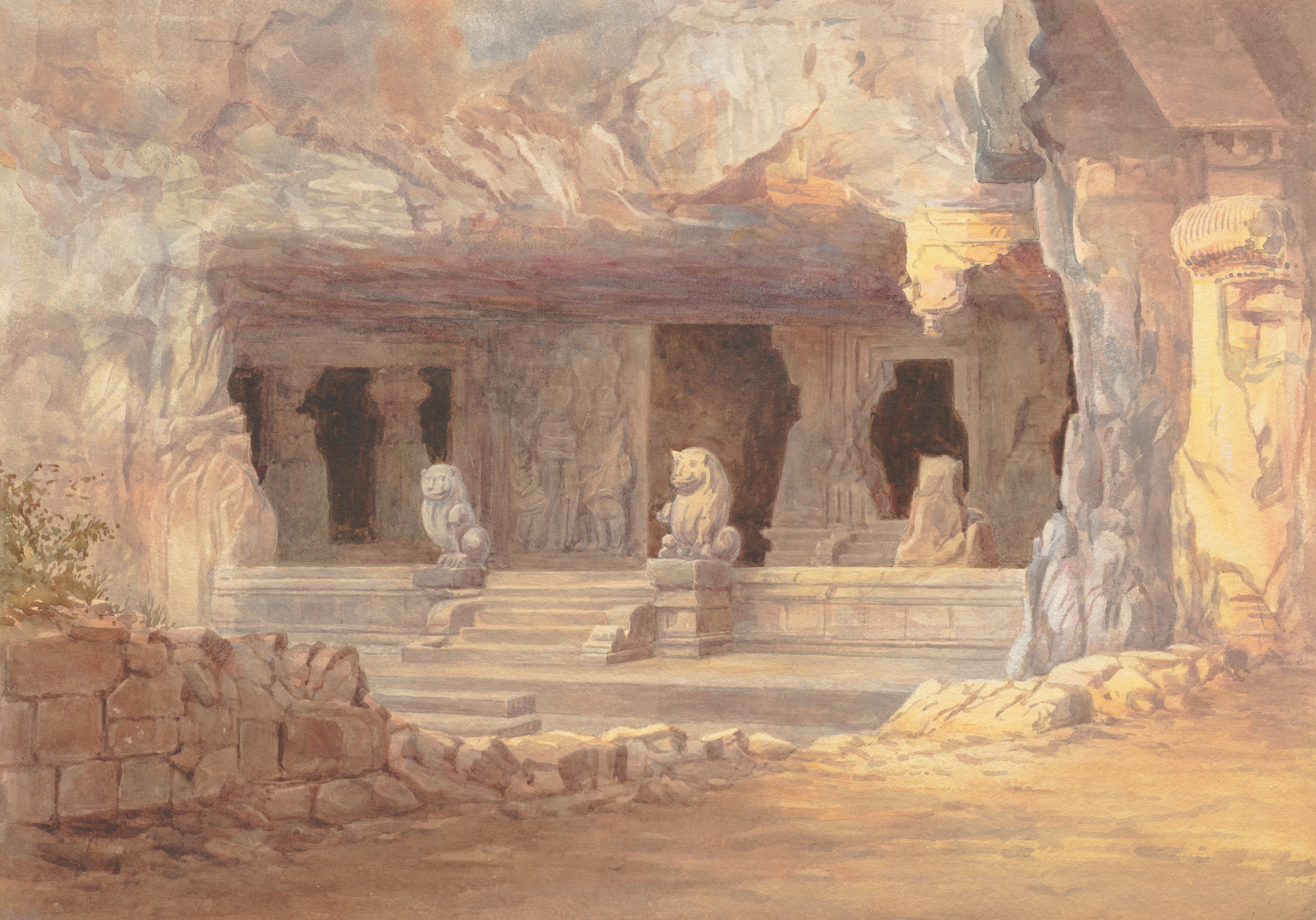
Introduction to Elephanta Caves
The Elephanta Caves, located on Elephanta Island in the Mumbai Harbour, represent a fascinating composite of history, religion, and art that has captivated visitors for centuries. These ancient rock-cut temples are renowned primarily for their striking sculptures dedicated to Lord Shiva, signifying the region’s deep-rooted Hindu heritage. Designated as a UNESCO World Heritage Site in 1987, the Elephanta Caves stand as a testament to the remarkable craftsmanship and spiritual significance of this location, making it a must-visit for tourists exploring Navi Mumbai.
Historically, the caves are believed to have been carved during the 5th to 8th centuries AD, during the reign of the Rashtrakuta dynasty, although some evidence suggests earlier origins. The main cave, known as Cave 1, houses a monolithic sculpture of Trimurti, a 20-foot depiction of a three-headed figure of Shiva. Other remarkable sculptures include depictions of various Hindu deities, intricate carvings, and narratives derived from Hindu mythology that reveal the artistic prowess of ancient artisans.
Tourists are often drawn to the Elephanta Caves not only for their artistic brilliance but also for the serene environment surrounding the island. The journey to the caves typically begins with a ferry ride from the Gateway of India, offering breathtaking views of the Mumbai skyline and the Arabian Sea. Upon arrival, visitors can explore a series of caves connected through well-maintained paths, while also enjoying the lush greenery and tranquil surrounding waters.
The Elephanta Caves continue to serve as an important spiritual site and a popular tourist destination, attracting visitors from around the globe. Their immense cultural value and the enchanting ambiance of Elephanta Island create a unique experience that offers a glimpse into India’s rich historical tapestry.
The Artistic Grandeur of the Caves
The Elephanta Caves, a UNESCO World Heritage Site located on Elephanta Island, display an extraordinary collection of rock-cut sculptures and intricate carvings that exemplify the artistic excellence of ancient Indian artisans. Divided into two main complexes, Hindu and Buddhist caves, these artistic marvels reflect the cultural and religious significance of the period during which they were created.
The focal point of the Hindu caves is the imposing Trimurti statue, a monumental representation of Lord Shiva, which highlights the exquisite craftsmanship of the sculptures. Measuring approximately 20 feet in height, this tri-headed figure not only portrays the might of Shiva but also serves as a testament to the technical skill and artistic vision of ancient sculptors. Surrounding the Trimurti are other remarkable carvings, including scenes from various Hindu texts, which meld mythology and artistry in a seamless narrative.
On the other hand, the Buddhist caves, although less ornate than their Hindu counterparts, possess an understated elegance that reflects a different artistic style. These caves predominantly feature simple yet profound sculptures that embody serenity and devotion, demonstrating the evolving artistic trends predominant during their construction.
The architecture of the Elephanta Caves is equally significant, with their rock-cut style representing a sophisticated understanding of structural engineering. The caves are carved from basalt rock, and the meticulous detailing in the sculptures showcases the skill required to transform raw stone into lifelike figures.
Each cave complex has its own unique characteristics, with artistic styles varying significantly between them. While the Hindu caves feature elaborate depictions of deities and myths, the Buddhist caves embrace a more austere and meditative form of artistry. This diversity not only enhances the overall experience for visitors but also offers insight into the rich tapestry of India’s cultural heritage.
The Role of AI in Enhancing Visitor Experiences
The advent of artificial intelligence (AI) has significantly transformed the tourism sector, providing innovative solutions aimed at enriching visitor experiences at locations like the Elephanta Caves in Navi Mumbai. By deploying advanced AI tools, tourists can engage with the historical and cultural heritage of the caves in immersive ways that were previously unimagined.
One of the notable applications of AI in enhancing visitor experiences is through virtual tours. Utilizing virtual reality (VR) technology, these tours enable visitors to experience the Elephanta Caves before their arrival, offering a glimpse of their remarkable rock-cut sculptures and intricate carvings. This pre-visit experience not only heightens anticipation but also allows tourists to plan their visit more effectively.
Moreover, smart guides powered by AI are redefining how information is accessed during the tours. These digital assistants can analyze a visitor’s preferences and provide tailored information, including historical context and anecdotal tales about the caves, thereby enriching the overall experience. Through natural language processing, these guides enable visitors to ask questions and receive immediate answers, making the exploration of the Elephanta Caves a more interactive experience.
Another noteworthy AI-driven tool is the development of interactive mobile applications. These apps can enhance visitor engagement by offering navigation help, augmented reality features, and detailed background information about different aspects of the caves. Such applications not only support tourists in understanding the cultural significance of the site but also enable real-time updates regarding their surroundings, including visitor hotspots and other attractions nearby.
In conclusion, the integration of artificial intelligence into the visitor experience at the Elephanta Caves exemplifies how technology can foster a deeper connection to historical sites. By harnessing AI tools such as virtual tours, smart guides, and interactive applications, tourists are afforded a richer, more informative, and engaging experience, making their visit truly memorable.
Augmented Reality (AR) Applications for Tourists
Augmented Reality (AR) technologies have emerged as powerful tools for enhancing the cultural experience of tourists, particularly in locations such as the Elephanta Caves. These applications create immersive and interactive educational opportunities, allowing visitors to engage with the historical context and artistic significance of the caves in a novel way. One prominent feature of these AR applications is the 3D modeling of sculptures and carvings that adorn the Elephanta Caves.
Tourists can utilize their smartphones or AR glasses to view detailed 3D representations of the famous sculptures, such as the Trimurti, a colossal representation of the Hindu god Shiva. Through AR, users can gain insights into the artistic techniques and historical narratives that define these remarkable works. The features often include animations that showcase the structural evolution of these sculptures over time, allowing for a richer understanding of the site’s heritage.
Additionally, interactive maps are a vital component of AR applications available to tourists. These maps guide visitors through the complex cave system, offering real-time information about various points of interest. With a tap on their devices, users can access multimedia content, including audio guides that narrate the significance of each cave and its artwork. This not only enhances the journey through the Elephanta Caves but also increases visitor engagement by immersing them in a multidimensional storytelling experience.
As a result, AR applications in the Elephanta Caves have transformed conventional sightseeing into an engaging, educational adventure. Implementing such technologies reflects a growing trend in tourism where digital innovation enhances cultural preservation and accessibility, ultimately enriching the overall visitor experience.
Planning Your Visit to the Elephanta Caves
The Elephanta Caves, a UNESCO World Heritage Site, are located on Elephanta Island, approximately 11 kilometers from the coast of Mumbai. To ensure a smooth visit, careful planning is essential. First, transportation options include taking a ferry from the Gateway of India, which offers a scenic route across the Arabian Sea. Ferries operate daily, with the journey typically lasting around 45 minutes. It is advisable to check schedules in advance, especially during monsoon season when services may be disrupted.
Seasonality also plays a significant role in determining the best time to visit. The optimal months are from October to March, when the weather is milder and more comfortable for exploring the caves. Weekdays are less crowded than weekends, making Monday to Thursday the ideal days to visit. If you’re aiming to avoid large tourist groups, arriving early in the morning can provide a quieter experience.
As for ticketing, entry fees are reasonable, with separate rates for Indian and foreign tourists. Tickets can be purchased at the ferry terminal or online. It’s recommended to carry cash, as some vendors on the island only accept this form of payment. Be sure to wear comfortable shoes, as the terrain includes uneven pathways and a significant number of steps leading up to the caves.
For first-time visitors, a suggested itinerary typically involves spending around two to three hours exploring the various caves, particularly Cave 1, which is renowned for its impressive sculptures of Hindu deities. Consider bringing along water and snacks, as amenities on the island are limited. Additionally, hiring a local guide can enhance your understanding of the historical context behind the artwork.
Cultural Events and Activities Around the Caves
The Elephanta Caves, a UNESCO World Heritage Site, are not only famed for their stunning rock carvings but also serve as a vibrant hub of cultural events and activities that significantly enhance the visitor experience. Each year, numerous festivals and cultural celebrations are organized around these ancient caves, providing tourists with the perfect opportunity to immerse themselves in the rich heritage of the region.
One of the most notable events is the Elephanta Festival, held annually during the spring season. This celebration features a series of dance performances, music, and interactive art installations that pay homage to the artistic beauty of the caves. Local and national artists gather here to showcase their talents, enriching the atmosphere with a sense of cultural pride and historical significance.
Guided tours are another compelling activity that allows visitors to delve deeper into the history and significance of the Elephanta Caves. Knowledgeable guides lead groups through the intricate carvings and sculptures, providing insights into the mythology and artistry of the time. These tours often include storytelling sessions that bring the ancient narratives to life, allowing tourists to appreciate the spiritual essence of the site.
Moreover, visitors can explore local handicrafts available from nearby artisans. The markets surrounding the caves often feature products that reflect the traditional craftsmanship of the area, including intricate sculptures, textiles, and jewelry that make for delightful souvenirs. Supporting local artisans not only enriches the visitor experience but also promotes the preservation of cultural heritage.
Additionally, cultural performances often take place in the vicinity of the Elephanta Caves, including traditional music and dance forms specific to Maharashtra. These performances, paired with the stunning backdrop of the caves, create a memorable experience that highlights the region’s artistic heritage.
Safety and Preservation Efforts
The Elephanta Caves, a UNESCO World Heritage Site, have become a significant attraction for tourists visiting Navi Mumbai. As the influx of visitors continues to grow, ensuring the safety of these tourists while preserving the integrity of the caves has become paramount. Various measures have been implemented to address both visitor safety and the conservation of this cultural treasure.
The Archaeological Survey of India (ASI) plays a crucial role in safeguarding the Elephanta Caves. This organization has established clear guidelines and protocols that govern visitor access to sensitive areas of the caves. Guided tours are organized to ensure that tourists are escorted by knowledgeable professionals who can enhance the visitor experience while also providing safety oversight. Additionally, the paths leading to the caves have been improved and maintained to reduce the risk of accidents, making it easier and safer for visitors to navigate the site.
Simultaneously, various conservation initiatives are in place to protect the intricate rock-cut sculptures and architectural elements within the caves. The introduction of controlled visitor entry, along with limited daily quotas, helps minimize wear and tear on the site. Moreover, regular assessments are conducted to monitor the conditions of the carvings, allowing for timely interventions to mitigate damage caused by humidity, pollution, and human interaction.
Engaging the local community in preservation efforts is another critical aspect of maintaining the Elephanta Caves. Local guides are educated on the importance of conservation and are often involved in awareness campaigns aimed at tourists. This helps foster a sense of responsibility among visitors, emphasizing the need to respect the site and its cultural significance.
By implementing these combined safety and preservation efforts, the authorities aim to strike a balance between tourism and conservation, ensuring that future generations can enjoy the Elephanta Caves while retaining their historical and cultural essence.
Connecting with Local Guides and Communities
The Elephanta Caves, with their intricate carvings and historical significance, offer visitors a glimpse into India’s rich cultural heritage. Engaging with local guides proves to be an invaluable aspect of the tourist experience at these iconic sites. Local guides possess an intimate knowledge of the Elephanta Caves, often being native to the region and deeply steeped in its history and traditions. Their expertise enriches visitors’ understanding and appreciation of the artistic and spiritual narratives that these caves encapsulate.
Furthermore, local communities play a vital role in preserving the unique heritage of the Elephanta Caves. When tourists connect with local guides, they not only gain insights into the history of the caves but also experience the vibrant local culture. These interactions foster a sense of cultural exchange that benefits both visitors and residents. For instance, local artists may share their crafts and storytelling traditions, enhancing the overall visitor experience while also promoting cultural heritage.
By choosing to engage with local guides, tourists contribute to the local economy and support sustainable tourism practices. This connection can lead to more authentic experiences, as guides often share personal anecdotes, local folklore, and recommendations for exploration beyond the typical tourist paths. Thus, tourists are invited into a more holistic journey, allowing them to appreciate not just the majestic carvings of the caves, but also the living culture that surrounds them.
Incorporating local guides into an Elephanta Caves visit, therefore, enhances the overall experience, making it a richer and more meaningful excursion. The stories, knowledge, and companionship that these guides offer serve to create lasting memories while nurturing a deeper appreciation for the cultural mosaic that defines Navi Mumbai.
Conclusion: The Future of Elephanta Caves as a Tourist Destination
The Elephanta Caves, with their rich historical significance and intricate rock-cut sculptures, are set to evolve as a prominent tourist destination in the coming years. This potential transformation is not solely due to the natural allure of the site, but also as a result of the integration of technology, notably Augmented Reality (AR) and Artificial Intelligence (AI). As tourists increasingly seek immersive and engaging experiences, the Elephanta Caves stand to benefit greatly from these technological advancements.
Through initiatives incorporating AR, visitors will have the opportunity to interact with the environment in unprecedented ways. For example, AR applications could provide digital replicas of original structures or dynamic storytelling related to the art and history of the caves, deeply enriching the visitor experience. This level of engagement not only promotes a deeper understanding of the cultural significance of the site but also aids in attracting a younger audience who are often more inclined towards tech-driven tourism experiences.
However, the modernization of the Elephanta Caves must not overshadow the essential need for preservation. Balancing the implementation of these cutting-edge technologies with the protection of the site’s cultural and historical integrity is crucial. Sustainable tourism practices, focused on safeguarding the delicate structures and environment of the caves while accommodating tourists, will be paramount. Preservation initiatives will ensure that future generations will still be able to appreciate this UNESCO World Heritage Site.
In conclusion, the Elephanta Caves are poised for a bright future as a tourist destination, characterized by an innovative blend of technology and cultural respect. The ongoing efforts to incorporate AR and AI can not only enhance the visitor experience but also serve as a model for the responsible merging of heritage and modernity in tourism.