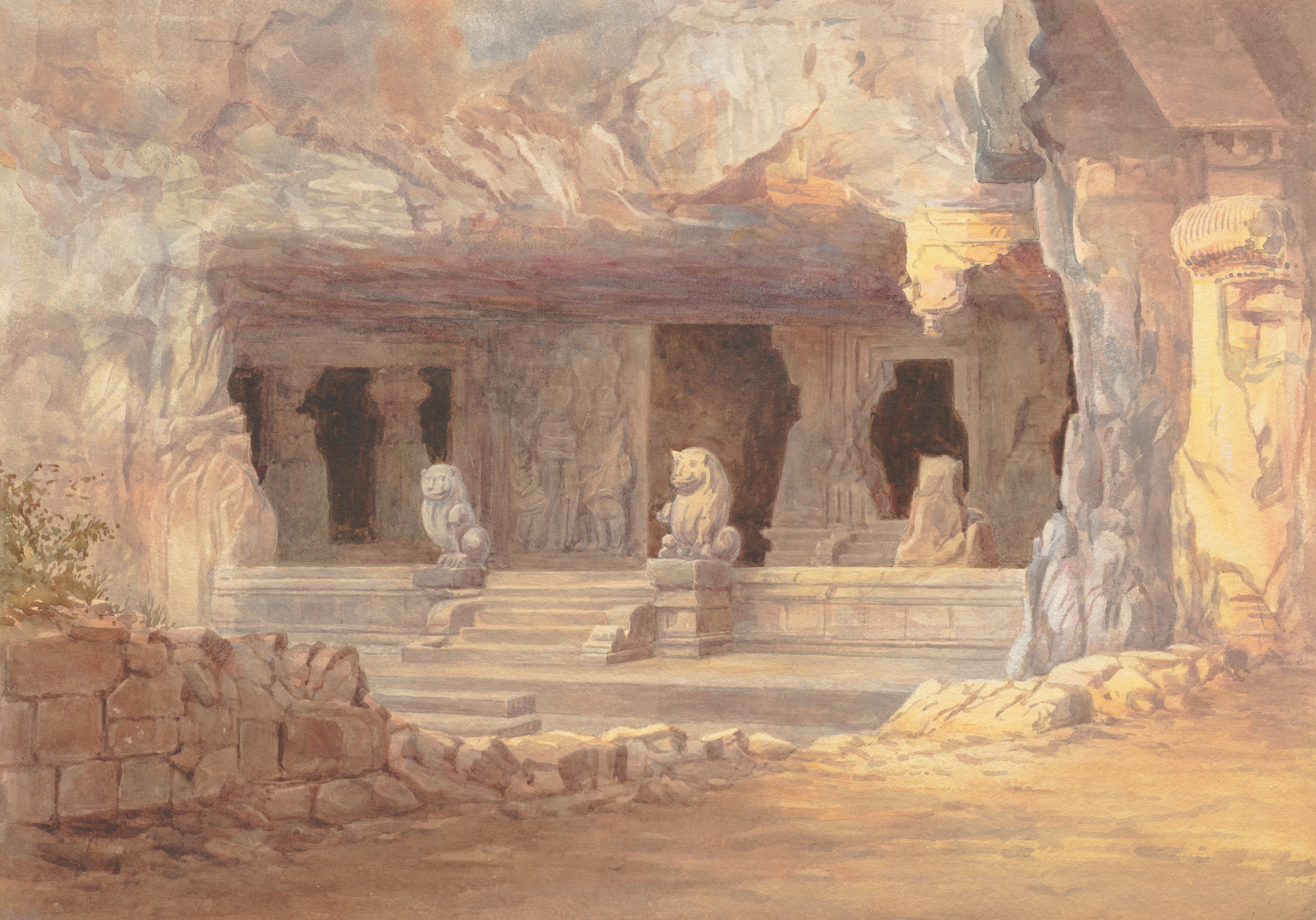
Introduction to Elephanta Caves and Navi Mumbai
The Elephanta Caves, situated on Elephanta Island, approximately 11 kilometers from Mumbai, are a remarkable ensemble of ancient rock-cut sculptures that showcase the rich cultural heritage of India. Designated as a UNESCO World Heritage Site in 1987, these caves date back to the 5th to 8th centuries and are primarily dedicated to Hindu deities, particularly Lord Shiva. The intricate carvings and artwork found within the caves reflect the artistic excellence and religious philosophies of ancient Indian society. Among the most notable sculptures is the colossal Trimurti, depicting a three-headed representation of Lord Shiva, which captures the essence of divine cosmology.
Navi Mumbai, on the other hand, serves as a striking contrast to the ancient historical narratives represented by the Elephanta Caves. Established in 1972 as an urban extension of Mumbai, Navi Mumbai has evolved into a major urban hub, characterized by its planned infrastructure and modern amenities. With well-developed residential areas, commercial centers, and recreational zones, Navi Mumbai attracts a plethora of business and tourist activities. Its proximity to the Elephanta Caves makes it a convenient and appealing base for travelers seeking to explore the rich tapestry of history that the caves represent.
Visitors flock to Elephanta Island not only to marvel at its historical relics but also to enjoy the serene surroundings, which juxtapose beautifully with the bustling cityscape of Navi Mumbai. Tourists frequently combine their visit to the Elephanta Caves with other cultural explorations around Navi Mumbai, enhancing their overall experience of Maharashtra’s vibrant heritage. This modern urban center underscores the coexistence of historical and contemporary elements in the region, inviting exploration of both realms.
The Historical Significance of Elephanta Caves
The Elephanta Caves, an integral part of India’s cultural heritage, date back to the 5th century, showcasing remarkable rock-cut architecture and intricate sculptures that offer insights into ancient Indian civilization. Situated on Elephanta Island, these caves are primarily dedicated to Lord Shiva, encapsulating the rich traditions of both Hindu and Buddhist practices. The main cave, often referred to as the Shiva cave, features an immense sculpture of a three-headed figure, known as Trimurti, representing the divine aspects of creation, preservation, and destruction.
The origins of the Elephanta Caves can be traced to the period when various dynasties flourished in the region, including the Western Indian dynasties that were significantly influenced by the religious and cultural melting pot that characterized ancient India. The sculptures at Elephanta reflect a synthesis of artistic styles that were prevalent in the Gupta period, emphasizing the importance of these caves in understanding the evolution of Indian art and spirituality.
The modern appreciation of these caves can be attributed to their colonial discovery in the mid-19th century. British officials and explorers, drawn to India’s ancient heritage, played a pivotal role in bringing international attention to the Elephanta Caves. This increase in interest has led to extensive academic research and tourism initiatives focused on preserving the site and educating visitors about its significance. Noteworthy figures, including scholars and preservationists, have contributed to the discourse surrounding the caves, ensuring that Elephanta’s legacy endures in contemporary society.
In essence, the Elephanta Caves serve not only as a testament to ancient artistry but also as a cultural bridge connecting India’s historical past with its present and future. As visitors explore these remarkable caves, they embark on a journey through time, experiencing the grandeur of India’s artistic heritage and its profound spiritual narratives.
The Use of AI in Tourism: An Overview
Artificial Intelligence (AI) has emerged as a pivotal force in reshaping the tourism industry, significantly enhancing the travel experience for visitors. Its incorporation into tourism, especially in archaeological sites like the Elephanta Caves, facilitates a more immersive and informative journey for tourists. AI technologies streamline visitor management, create personalized experiences, and provide advanced educational tools that deepen engagement with historical treasures.
One of the primary applications of AI in tourism is optimizing visitor management systems. These systems utilize AI algorithms to predict visitor flow, enabling site managers to implement crowd control measures effectively. For instance, by analyzing historical data and real-time information, AI can suggest optimal visiting times, reducing congestion and allowing for a more enjoyable experience.
Moreover, AI fosters personalized experiences by analyzing tourist preferences and behaviors. Mobile applications equipped with AI capabilities can offer tailored recommendations for activities, dining, and attractions based on the user’s interests. Such customization ensures that each visitor’s experience is unique, enhancing their connection to the destination.
Additionally, AI-powered educational tools like augmented reality (AR) applications offer innovative ways for tourists to interact with their surroundings. In places rich in history, such as the Elephanta Caves, AI-driven AR enhances the storytelling aspect of visits, allowing users to visualize the past through interactive elements. These tools not only provide historical context but also encourage visitors to engage meaningfully with the site.
In essence, AI significantly transforms how tourists experience cultural and archaeological sites. By improving visitor management, offering personalized recommendations, and enhancing educational opportunities, AI creates a more enriched tourism experience, making historical exploration both enjoyable and educational.
Innovative AR Applications in Elephanta Caves
As technology advances, the integration of augmented reality (AR) into tourism has opened new pathways for engaging with heritage sites, such as the Elephanta Caves in Navi Mumbai. AR applications are designed to enhance the visitor experience by providing interactive storytelling and immersive guided tours that deepen the understanding of the historical significance of the caves.
One of the standout AR features available to tourists is the interactive storytelling experience. Through smartphone applications or AR glasses, visitors can witness the vibrant narratives surrounding the beautifully sculpted panels and reliefs inside the caves. For instance, tourists can point their devices at specific carvings, and the AR technology activates a rich audio-visual presentation. This blending of traditional sightseeing with modern technology enriches the learning experience, allowing visitors to grasp the intricate mythologies depicted in the ancient art forms.
Furthermore, AR applications help visualize the historical context of the Elephanta Caves. Some apps overlay digital reconstructions of the original architectural elements that have eroded over time. By seeing these restorations, visitors can appreciate the grandeur of the site as it once stood. This experience offers a unique perspective that mere textual explanations or static displays cannot provide.
Moreover, guided tours powered by AR enhance the educational immersion for tourists. Knowledgeable guides equipped with AR technology can showcase additional layers of information, making each segment of the tour interactive. Guests can engage with dynamic visuals that complement the live narration, thereby retaining more knowledge about the Elephanta Caves’ artistic and cultural heritage.
In sum, the innovative applications of AR at the Elephanta Caves significantly elevate the visitor experience by transforming the understanding of this ancient heritage, making it not just a visit, but an interactive journey through time.
Visitor Experience: Merging Tech with Tradition
The Elephanta Caves, a UNESCO World Heritage site, draw thousands of tourists with their intricate rock-cut sculptures and rich historical significance. Recently, the integration of Augmented Reality (AR) technology has brought a new dimension to the visitor experience, enhancing both enjoyment and understanding of this ancient site. Upon entering the caves, tourists can utilize AR tools that provide immersive insights into the architecture, history, and mythology intertwined within the carvings.
User feedback has been overwhelmingly positive, as many visitors appreciate the ability to visualize the historical context of the caves through AR. For instance, virtual guides deliver enriched narratives that explain significant sculptures in real-time. This interactive approach not only captivates tourists but also fosters a deeper connection to the cultural heritage of the Elephanta Caves. Many users have reported that the blend of technology and tradition has transformed their exploration into an engaging learning journey, making historic narratives more accessible and memorable.
The practicality of AR applications enhances the overall visitor experience. Users can explore various features such as interactive maps and 3D models, which help in navigating the expansive site and discovering hidden details that may not be immediately apparent. Furthermore, the use of AR is intuitive, allowing visitors of all ages to engage without technical difficulties. This user-friendly aspect contributes significantly to the enjoyment of the experience, as visitors can focus on absorbing the stunning visuals and mesmerizing stories rather than struggling with complicated devices.
In addition to enhancing the educational experience, AR technology also caters to modern expectations of interactivity in tourism. The combination of AR with the Elephanta Caves ensures that the site remains relevant, appealing to tech-savvy generations while preserving its rich historical legacy. Such innovations signify a promising direction for cultural heritage sites aiming to enrich visitor experiences through the harmonization of technology and tradition.
Practical Information for Tourists
Visiting the Elephanta Caves, a UNESCO World Heritage Site located near Navi Mumbai, requires some planning to ensure an enriching experience. To reach the Elephanta Caves, tourists primarily use ferries that depart from the Gateway of India in Mumbai. The 11-kilometer boat ride offers scenic views of the harbor and takes approximately one hour. Ferries generally operate from 9:00 AM to 5:30 PM, but it is advisable to check the schedule beforehand, as timings may vary based on weather conditions.
As for ticket pricing, as of now, the entry fee for Indian citizens is relatively modest, while foreign tourists are charged a higher fee. Additionally, a nominal charge is applicable for the ferry ride, which is essential for accessing the island. Once visitors arrive, they can expect to trek uphill for about 20 minutes to reach the main cave complex, so comfortable footwear is recommended.
The best times to visit the Elephanta Caves are during the cooler months, particularly from October to March, when the temperatures are milder. This period also coincides with the peak tourist season, thus it is wise to arrive early to avoid large crowds. Visitors should be prepared to encounter various sculptures and carvings reflecting ancient Indian artistry, particularly the impressive stone carvings dedicated to Lord Shiva.
To maximize the experience, it is beneficial to engage a local guide or use audio guides that may be available at the site. Bringing adequate water and snacks is advisable, as facilities on the island may be limited. Furthermore, tourists are encouraged to explore the lush surroundings, as the island also offers hiking trails and observation spots that provide stunning views of the Arabian Sea.
Cultural Insights: Understanding the Art of Elephanta
The Elephanta Caves, a UNESCO World Heritage site located on Elephanta Island, are renowned for their majestic rock-cut sculptures that showcase the rich heritage of Indian art. The artwork primarily encompasses Hindu deities, with the most significant being the Trimurti, a colossal representation of Lord Shiva in three-headed form. This sculpture embodies the essence of creation, preservation, and destruction, reflecting the cyclical nature of existence that is central to Hindu philosophy.
Moreover, the intricacies of the carvings that adorn the walls of these caves offer profound insights into ancient Indian myths and spiritual beliefs. The narratives depicted through the stone sculptures often draw from sacred texts such as the Puranas and Upanishads, presenting stories of divine intervention, cosmic battles, and the journey of the soul. Through meticulous attention to detail, the artisans of this period have successfully conveyed complex theological concepts and narratives, illustrating the relationship between humanity and the divine.
Sculptural themes prevalent in Elephanta’s artwork extend beyond mere representation of deities; they are a testament to the socio-cultural milieu of the time. The presence of various figures, including attendants, celestial beings, and animals, underscores the interconnectedness of life and spirituality in ancient Indian society. Such artistic expressions not only serve as religious icons but also communicate the era’s values, aspirations, and challenges.
Furthermore, the Elephanta Caves act as an important reflection of the evolution of art techniques in India. The use of negative space, intricate bas-reliefs, and proportions demonstrates a high level of skill and aesthetic sensibility that continues to inspire contemporary artists. Understanding the art of Elephanta not only enhances the appreciation of its architectural significance but also deepens one’s insight into India’s ancient heritage, replete with narratives of mythology, spirituality, and culture.
Future of Tourism at Elephanta Caves: Challenges and Opportunities
The Elephanta Caves, renowned for their intricate rock-cut sculptures and rich historical significance, stand at a crossroads where tourism dynamics are both challenged and invigorated by emerging technologies and environmental factors. Given the increasing number of visitors, managing the delicate ecosystem surrounding these ancient structures presents a significant challenge. The rise in foot traffic has led to environmental degradation, which threatens the integrity of the caves and nearby flora and fauna. Thus, the future of tourism at Elephanta Caves hinges not only on attracting visitors but also on implementing sustainable practices that protect this UNESCO World Heritage Site.
One of the key opportunities lies in the integration of advanced technology, such as augmented reality (AR), to enhance the visitor experience while minimizing physical impact. With AI-driven AR, tourists can engage with the rich history and intricate details of the sculptures in an immersive manner, enabling deeper understanding and appreciation without the need for intrusive measures. This innovative approach allows visitors to receive tailored information, effectively engaging them while ensuring that the physical environment remains undisturbed.
Moreover, educating tourists about the significance of preserving heritage sites like the Elephanta Caves is vital to fostering a culture of respect and stewardship. Awareness campaigns and visitor guidelines can augment this educational outreach, encouraging guests to act responsibly during their visit. Collaboration with local communities can also enhance sustainable practices by creating economic incentives tied to conservation, resulting in shared benefits for both the residents and the preservation of cultural heritage.
Nevertheless, the challenges of funding and resource allocation remain significant barriers to achieving these goals. As tourism continues to evolve, articulating a comprehensive strategy that addresses both the environmental challenges and technological opportunities will be fundamental in ensuring the long-term sustainability of tourism at Elephanta Caves. By actively engaging with these challenges and opportunities, stakeholders can pave the way for a sustainable and enriched visitor experience that honors India’s ancient heritage.
Conclusion
The integration of artificial intelligence (AI) in tourism has the potential to profoundly impact how heritage sites are experienced and preserved. The Elephanta Caves, with their rich tapestry of historical significance and stunning artistry, serve as a prime example of this evolving dynamic. AI-driven augmented reality (AR) can enhance visitor engagement by providing an immersive experience that allows tourists to interact with the site in ways previously unimaginable. This innovative approach not only educates visitors about the site’s cultural heritage but also fosters a deeper appreciation for its historical context.
Furthermore, the application of AI technology in conservation efforts can aid in the preservation of such sites by providing crucial data for restoration and maintenance. This technological advancement allows for a more systematic approach to safeguarding vulnerable cultural artifacts and architecture from the effects of time and environmental degradation. AI can also assist in monitoring visitor flows, helping to manage tourism sustainably and reduce the risk of overexploitation of these invaluable sites.
As tourism continues to evolve, the symbiotic relationship between AI and cultural heritage will become increasingly important. Future tourism models that incorporate AI solutions will likely prioritize not only visitor satisfaction but also the integrity of historical sites. By leveraging technology, sites like the Elephanta Caves can attract a diverse audience while simultaneously promoting educational initiatives that enrich the knowledge of India’s ancient heritage. As we look ahead, the collaboration between technology and tourism represents a promising avenue for enhancing our cultural landscape while ensuring that it remains accessible and relevant for generations to come.