Introduction to Elephanta Caves and AI Technology
The Elephanta Caves, located on Gharapuri Island in Mumbai Harbour, represent a remarkable confluence of art, history, and spirituality. This UNESCO World Heritage Site, known for its stunning rock-cut sculptures, displays intricate carvings dedicated primarily to the Hindu deity, Shiva. With origins dating back to the 5th century, the caves not only serve as a reflection of the artistic excellence of ancient Indian culture but also as a significant pilgrimage site. Their majestic structures encapsulate the rich cultural tapestry of India, attracting thousands of tourists annually, including numerous visitors from Navi Mumbai.
In recent years, advancements in technology have opened new avenues for enhancing how visitors engage with historical sites like the Elephanta Caves. Artificial Intelligence (AI) and 3D graphics technology are at the forefront of this innovation, offering the potential to create immersive virtual tour experiences. By leveraging AI algorithms, it is possible to generate realistic 3D visualizations of the caves, allowing users to explore the site from the comfort of their homes. These virtual tours not only enable tourists to appreciate the intricate details of the carvings and the caves’ layout but also provide informative narratives that can deepen their understanding of the site’s significance.
This technological integration not only serves to enhance the visitor experience but also widens access to those who may find it challenging to visit the site in person due to physical, geographical, or financial constraints. Moreover, the fusion of AI with the historical context of the Elephanta Caves highlights the importance of preserving cultural heritage while embracing modern advancements, creating a dialogue between the past and the future. As Navi Mumbai tourists increasingly seek innovative and enriching experiences, AI-driven 3D tours present an exciting opportunity to explore the beauty and history of the Elephanta Caves like never before.
The Historical Significance of Elephanta Caves
The Elephanta Caves, located on Elephanta Island near Mumbai, are a UNESCO World Heritage Site that deeply embodies the rich cultural and historical tapestry of India. These caves date back to between the 5th and 8th centuries and are primarily dedicated to Lord Shiva, showcasing intricate carvings and sculptures that reflect the artistic prowess and spiritual beliefs of that era. The most iconic feature is the colossal Trimurti, a 20-foot depiction of a three-headed Shiva, symbolizing the divine aspects of creator, preserver, and destroyer, representing the cyclical nature of existence.
The origins of the Elephanta Caves remain somewhat enigmatic. Archaeologists speculate that they may have been constructed during the rule of the Rashtrakuta dynasty and later the Chalukyas. Influences from several religions, including Hinduism and Buddhism, are evident, illustrating a period of spiritual syncretism. This diversity is further reflected in the sculptural depictions found throughout the caves, such as the Ardhanarishvara, a composite of Lord Shiva and goddess Parvati, which represents the unity of male and female energies.
The significance of the Elephanta Caves extends beyond their architectural marvel; they serve as a testament to the evolution of Indian art and spirituality. The meticulously carved reliefs and sculptures not only engage viewers on a visual level but also invite them to explore the deeper philosophical narratives they encapsulate. As such, the Elephanta Caves embody the recurring themes of creation, preservation, and destruction, which resonate throughout Indian spiritual traditions.
In modern times, the importance of these caves has amplified with advancements in technology; recreating the essence of the Elephanta Caves through AI-driven 3D tour experiences presents a unique opportunity to share this cultural heritage with a global audience. This modern approach helps highlight the historical significance of the caves while making them accessible and engaging for contemporary viewers.
The Role of AI in Creating 3D Models
The Elephanta Caves, located off the coast of Mumbai, are renowned for their intricate sculptures and historical significance. As technology evolves, the creation of 3D models of such sites has been revolutionized by artificial intelligence (AI). The process begins with high-resolution photography and laser scanning techniques. Photogrammetry captures multiple images from various angles, while LiDAR mapping provides precise depth information. Together, these methods offer a comprehensive dataset for building detailed 3D representations.
Once the initial data is gathered, AI algorithms come into play. Machine learning techniques are employed to analyze the myriad of captured images and to fill in gaps where data may be missing. This is particularly useful in areas where human error may have hindered the capture process, or where physical access is limited due to the caves’ complex structure. By utilizing AI’s predictive capabilities, creators can reconstruct sections of the caves based on learned patterns and previously captured imagery.
Moreover, AI enhances the overall quality of the 3D models. By recognizing textures and features from the data collected, it allows for realistic rendering of surfaces within the cave, contributing significantly to the representation’s authenticity. The algorithm assesses historical contexts and styles to replicate the essence of the original carvings accurately.
Additionally, the ability of AI to process vast datasets swiftly means that these 3D renditions can be updated continually, allowing for ongoing improvements in fidelity as technology advances or as new archaeological findings emerge. For tourists in Navi Mumbai, these AI-enhanced 3D models provide an immersive experience of the Elephanta Caves that transcends traditional viewing methods, offering insights into this historical marvel that might otherwise remain undiscovered.
Diffusion Models: Enabling Realistic Visualizations
Diffusion models represent a groundbreaking approach in the field of generative modeling, primarily focusing on creating realistic visualizations and recreations of complex structures. At their core, diffusion models leverage mathematical algorithms that capture the process of diffusion to generate seamless transitions from noise to detailed images. This methodology is pivotal in producing high-fidelity visual content, especially evident in applications like the 3D recreation of the Elephanta Caves.
The underlying principle of diffusion models involves a two-step process: the forward diffusion process and the reverse diffusion process. In the forward process, random noise is systematically added to the image data, resulting in a gradual deterioration of clarity. In contrast, the reverse diffusion process aims to extrapolate and refine the noise back into a coherent visual representation. This transformation utilizes learned patterns from vast datasets, enabling the model to generate realistic textures and elements that closely mirror the original structures found in locations such as the Elephanta Caves.
The application of diffusion models in reconstructing the Elephanta Caves offers several advantages. Firstly, these models can accurately reproduce intricate details, such as the carvings and natural formations characteristic of this UNESCO World Heritage Site. Moreover, they take into account varying lighting conditions and environmental factors, which are essential for a vivid 3D experience. As tourists virtually explore the caves, the realism achieved through diffusion modeling enhances their understanding and appreciation of the intricate artwork and historical significance of the site.
In the context of Navi Mumbai’s tourism, the integration of AI-driven diffusion models represents a notable advancement. By utilizing advanced computational techniques, these models not only facilitate the creation of engaging visual content but also ensure that audiences are provided with an authentic representation of the Elephanta Caves, enriching their virtual touring experience.
Benefits of AI Tours for Navi Mumbai Tourists
The advent of artificial intelligence (AI) in tourism presents numerous advantages, particularly for visitors from Navi Mumbai looking to explore the Elephanta Caves. One of the primary benefits is enhanced accessibility. AI-driven tours can be tailored to accommodate various needs, including those of individuals with mobility challenges. With virtual reality options, tourists can engage with the caves from the comfort of their homes, thus broadening the scope of who can experience this UNESCO World Heritage site.
Affordability is another significant advantage of AI tours. Traditional tours often involve various costs, including transportation, entry fees, and guide services. In contrast, an AI-powered experience provides a cost-effective alternative, allowing users to access high-quality information and immersive experiences at a fraction of the price. This democratization of travel encourages more people to engage with cultural heritage, ultimately fostering a greater appreciation for historical sites like the Elephanta Caves.
Moreover, AI tours eliminate the logistical challenges frequently encountered during physical travel. Tourists no longer have to navigate transportation routes, deal with the unpredictability of weather, or confront time constraints. Instead, AI technology allows for a flexible exploration schedule, empowering users to visit the Elephanta Caves on their terms, without the pressures often associated with organized group tours. This flexibility additionally encourages deeper engagement with the content, as tourists can revisit sections of the tour that pique their interest.
In summary, the emergence of AI-driven tours significantly enhances the overall experience for Navi Mumbai tourists, offering improved accessibility, affordability, and convenience that traditional travel methods cannot match. By providing an engaging and user-friendly platform, these AI tools open up the Elephanta Caves to a wider audience, ensuring that the rich history and culture of the site are appreciated by many.
User Experience: Immersive Navigation Through 3D Caves
The Elephanta Caves offer a rich blend of history, culture, and artistry that can now be experienced in an entirely new dimension through an AI-driven 3D tour. Users are greeted with a stunning visualization of the cave system, which is designed to replicate the original architecture and artistry as accurately as possible. This immersive digital environment allows for a more engaging exploration, making the experience accessible to both local and international tourists visiting Navi Mumbai.
One of the standout features of the AI-generated 3D tour is its interactive elements. As users navigate through the caves, they can click on various sculptures and carvings to receive detailed descriptions and historical context regarding the artifacts they encounter. This not only enriches the visitor’s understanding but also encourages a more profound connection to the artistry that the Elephanta Caves are renowned for. Enhanced interactivity means that every visit can be unique, appealing to the inquisitive nature of history enthusiasts and casual visitors alike.
Additionally, the inclusion of guided audio tours adds another layer of engagement. Visitors can listen to narrations that blend storytelling with factual information, which can significantly enhance their appreciation for the cave’s heritage. The audio guides are often available in multiple languages, ensuring that they are accessible to a diverse audience. Furthermore, the ability to explore the caves at one’s own pace allows users to pause and delve deeper into aspects of interest, catering to personal preferences and learning styles.
Ultimately, the AI-driven 3D tour of the Elephanta Caves combines technology with the rich tapestry of cultural history, providing an engaging and enlightening experience that resonates well with tourists. The enhancements in user experience, through interactive features and guided audio, make this virtual exploration an exemplary model for future tourism initiatives.
Future Prospects of AI in Cultural Heritage Preservation
The integration of artificial intelligence (AI) in the realm of cultural heritage preservation is a monumental step towards safeguarding our historical assets. With advancements in technology, AI has the potential not only to enhance the visitor experience at landmarks like the Elephanta Caves in Navi Mumbai but also to revolutionize the way we preserve and interpret cultural sites globally. The future prospects are both promising and multifaceted.
One significant application of AI is in the area of digital preservation. This involves creating accurate digital replicas of cultural heritage sites, which can serve as invaluable resources for education, research, and tourism. For instance, AI-driven modeling can simulate the wear and tear of structures over time, allowing for timely interventions and maintenance measures. Furthermore, virtual tours and augmented reality experiences can engage wider audiences, especially in a post-pandemic world where physical visits could be limited.
Moreover, the implementation of AI technologies can lead to smarter data collection and management. By utilizing machine learning algorithms, researchers can analyze patterns in visitor interactions and feedback, making it possible to tailor educational programs and exhibits to better meet public interest. Such customized experiences can foster deeper engagement and understanding of cultural heritage, enhancing tourism and educational pursuits.
As we look ahead, the potential applications of AI extend beyond the Elephanta Caves. Historical sites worldwide, ranging from ancient ruins to art collections, can benefit enormously from these innovations. Emphasizing the importance of AI for cultural heritage preservation underscores a broader commitment to maintaining our collective history in a dynamic and adaptive manner. The confluence of AI technology and cultural heritage will likely yield new methodologies for preservation, providing future generations with enhanced access to their cultural legacy.
Challenges in AI-Based Recreation of Historical Sites
The endeavor to recreate historical sites such as the Elephanta Caves through AI technology presents a unique set of challenges. One significant obstacle lies in the technological limitations inherent in current artificial intelligence systems. While advances in machine learning and 3D modeling have made it possible to generate impressive visual representations, the intricacies involved in accurately capturing the historical context and details of sites can be daunting. For example, AI algorithms must often rely on existing photographs, which may not provide comprehensive or high-resolution data necessary for a complete and faithful recreation.
Another challenge arises in finding the appropriate balance between accuracy and artistic interpretation. Historical sites are not just physical structures but embody cultural narratives and artistic expressions that may not be quantifiable. Consequently, an AI-generated representation may either err on the side of overly technical accuracy, losing the interpretative essence of the site, or conversely, adopt an artistic license that could misrepresent the original intent and significance of the site. This dichotomy mandates careful consideration by developers in terms of what aspects of the site should be prioritized in the recreation process.
Furthermore, ethical considerations must also be taken into account when employing AI for historical reconstructions. The potential for replications to misinform or provide skewed representations of cultural heritage is a significant concern. For instance, AI technology can inadvertently propagate biases present in the data it is trained on, thereby jeopardizing the authentic depiction of a site. It is crucial for developers and cultural organizations to work collaboratively to establish guidelines that respect and preserve the integrity of these historical sites while leveraging modern technology. This ensures that the journey of recreating the Elephanta Caves and similar sites through AI aligns with the broader goals of cultural preservation and education.
Accessing the AI-Driven Elephanta Caves Tour
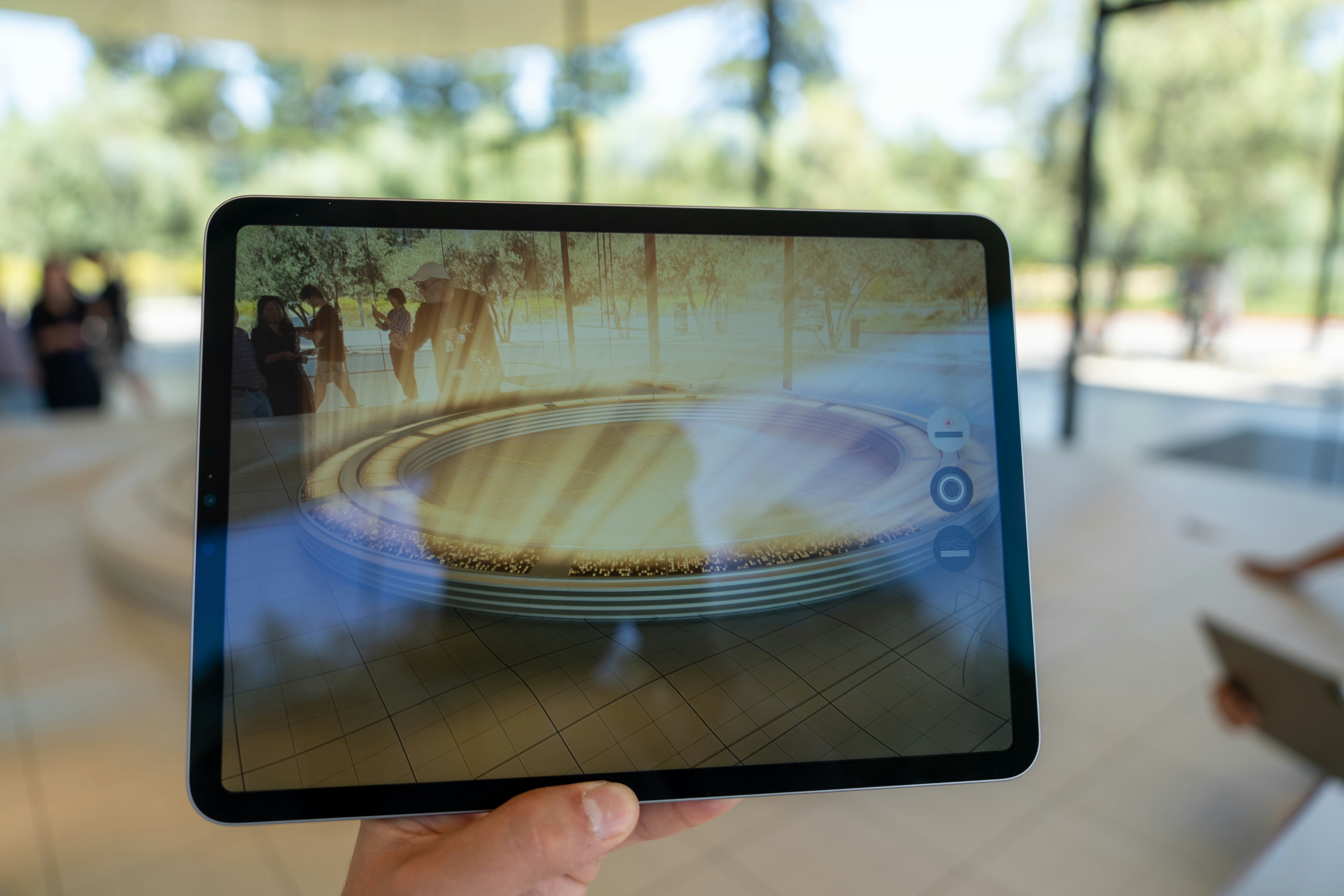
The AI-driven 3D tour of the Elephanta Caves offers an innovative way for tourists in Navi Mumbai to explore this UNESCO World Heritage Site. To access this immersive experience, travelers can utilize various platforms and devices that enhance their engagement with the historical site. Primarily, the tour is available through specialized applications designed for smartphones and tablets, which can be downloaded via the Apple App Store or Google Play Store.
For an optimal experience, it is advisable to use devices equipped with good processing power and sufficient storage. High-resolution screens will allow users to appreciate the detailed 3D renderings of the Elephanta Caves and its remarkable sculptures. Moreover, it is recommended to use headphones for auditory elements such as guided narrations and ambient sounds, which enrich the overall experience. Prioritize a stable internet connection, as the tour relies on streaming to provide real-time visuals and interactive content.
Additionally, some platforms may offer VR headsets compatibility, elevating the exploration to a fully immersive environment. Those who wish to delve deeper into the history of the caves can check for integrated links directing to online resources, such as scholarly articles and documentaries. Participating in forums or community groups focused on travel in Navi Mumbai can also provide valuable insights and tips on making the most of the AI-driven tour. By planning ahead and ensuring the necessary technological requirements are met, tourists can truly maximize their visit to the Elephanta Caves through this groundbreaking digital experience.