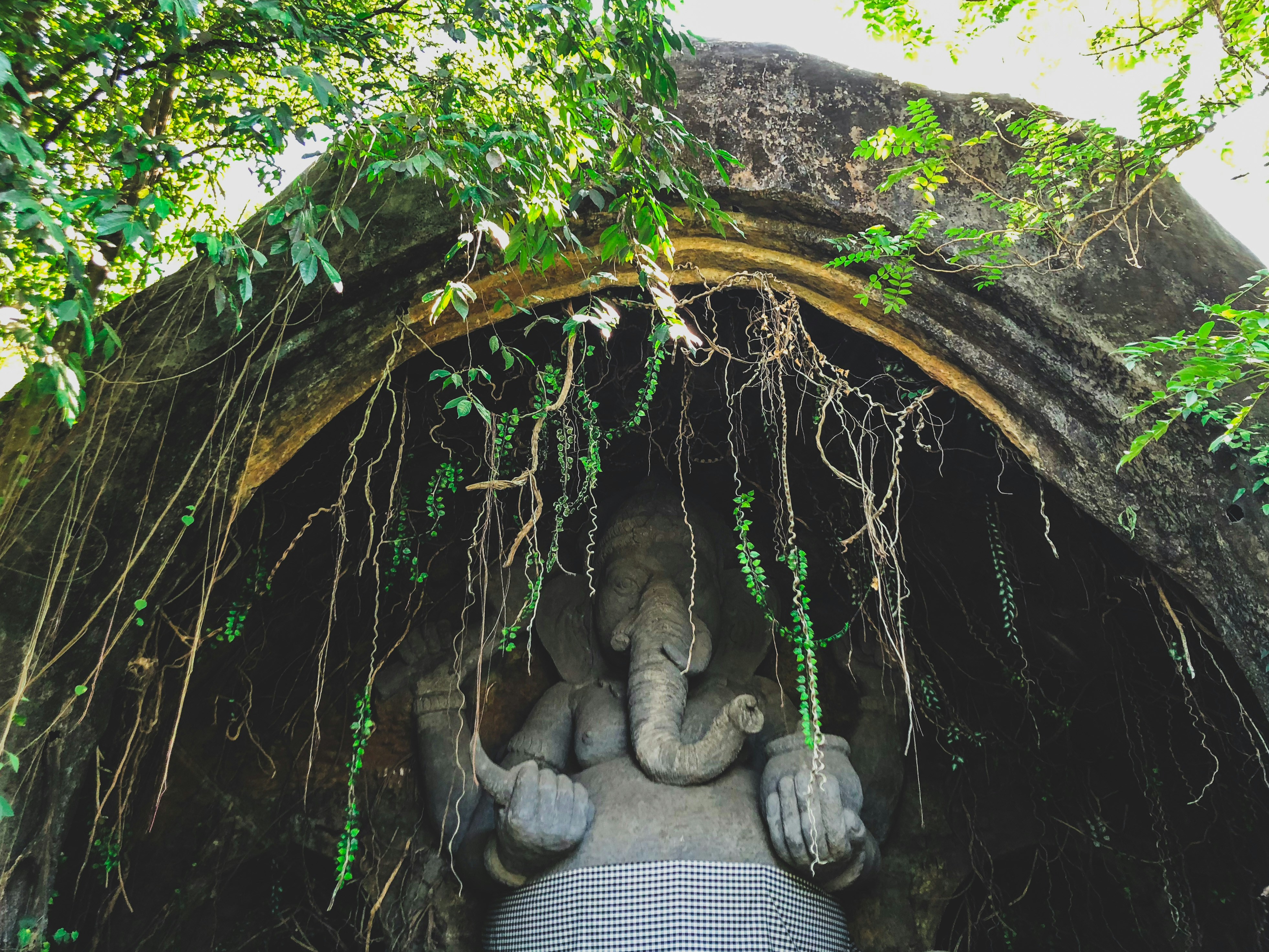
Introduction to the Elephanta Caves
Located on Elephanta Island, approximately 11 kilometers from the bustling city of Mumbai, the Elephanta Caves are a remarkable testament to ancient Indian architecture and religious art. This complex of sculpted caves, dating back to between the 5th and 8th centuries, is primarily dedicated to Lord Shiva, reflecting the rich cultural heritage of the region. The site showcases an impressive collection of rock-cut stone sculptures and intricate carvings that illustrate various themes from Hindu mythology.
The Elephanta Caves gained recognition as a UNESCO World Heritage Site in 1987, acknowledging their outstanding universal value and significance. This designation not only emphasizes the artistic and historical importance of the caves but also highlights the need for conservation efforts to preserve such cultural treasures for future generations. The island’s lush greenery, coupled with the awe-inspiring rock formations, creates an inviting backdrop for visitors, enhancing the allure of the site.
Tourists flock to the Elephanta Caves from diverse backgrounds, drawn by their spiritual significance and architectural marvels. The main cave, known as the Great Cave, features a colossal sculpture of Trimurti, a representation of the three aspects of the divine, symbolizing Brahma the creator, Vishnu the preserver, and Shiva the destroyer. Such artistry is a reflection of the technical prowess and artistic vision that ancient Indian craftsmen possessed.
In addition to their historical and cultural significance, the Elephanta Caves offer visitors an immersive experience into the spiritual practices of antiquity. The site’s caves, monuments, and stratified layers of history not only allow exploration of India’s religious past but also invite contemplation and reflection. Thus, the Elephanta Caves stand as a compelling node of artistic expression and spiritual importance, marking their place in the heart of India’s rich heritage.
The History of the Elephanta Caves
The Elephanta Caves, located on Elephanta Island near Mumbai, India, represent a significant archaeological site with a rich history that dates back to around the 5th to 8th centuries CE. These caves are intricately carved from solid rock and are primarily dedicated to Lord Shiva, reflecting the religious practices of the time. The artistic and architectural styles evident in the caves suggest a profound influence of both Hindu mythology and Buddhist traditions, indicative of the syncretic nature of Indian culture during this period.
Initially, the caves are believed to have been developed during the rule of the Kadamba dynasty, which contributed significantly to the region’s cultural and spiritual life. The sculptures and carvings manifest a unique blend of native artistry and influences from the neighboring regions, particularly from the Gupta Empire, renowned for its patronage of the arts. The enchanting carvings showcase various scenes from Hindu mythology, with the most prominent being the Trimurti, a colossal depiction of a three-headed Shiva, which exemplifies the pinnacle of rock-cut sculpture.
The subsequent periods also saw further enhancements and adaptations to the Elephanta Caves, particularly during the reign of the Rashtrakuta dynasty. This era marked an influx of artistic innovation, and the caves became a focal point for the dissemination of religious and cultural narratives. Myths surrounding the caves, such as the legend of Lord Shiva’s dance, contributed to the site’s spiritual significance, making it a pilgrimage destination. As centuries passed, the Elephanta Caves endured periods of abandonment and rediscovery, solidifying their place in India’s historical and cultural tapestry.
Importance of Ancient Rock Art
The Elephanta Caves, a UNESCO World Heritage Site, boast a remarkable collection of ancient rock art that reflects the rich cultural heritage of India. These sculpted caves, dating back to the 5th and 6th centuries, are primarily dedicated to the Hindu deity Shiva, showcasing the intricate artistry and religious significance synonymous with ancient Indian civilization. The rock-cut sculptures narrate profound stories from Hindu mythology, serving as a visual feast for historians, artists, and visitors alike.
Among the artistic styles found in the Elephanta Caves, the colossal figures and detailed carvings stand out, particularly those of Shiva. A prime example is the majestic Trimurti, a monumental representation of the three manifestations of Shiva as the creator, preserver, and destroyer. This piece, along with others, exemplifies the mastery of ancient artisans who skillfully transformed solid rock into divine figures, showcasing not only their artistic talent but also their deep understanding of religious themes.
The themes depicted through these ancient artworks extend beyond mere representations; they encapsulate complex narratives that resonate with the philosophical underpinnings of Hinduism. The iconography surrounding Shiva often includes motifs representing cosmic elements, destruction, and regeneration, highlighting the interconnectedness of life forces. By exploring these themes, one can gain insights into the spiritual beliefs and cultural values that shaped the society of that era.
The Elephanta Caves serve as a testament to the enduring nature of rock art, preserving the stories and legends of Hindu deities for future generations. As visitors traverse the caves, they are not merely observing art; they are engaging with centuries-old narratives that continue to inspire reverence and fascination. The importance of such ancient rock art lies not only in its aesthetic appeal but also in its capacity to connect us with the past, allowing for a deeper understanding of our cultural origins.
Augmented Reality: A New Perspective
Augmented Reality (AR) represents a significant leap in technological advancements, seamlessly blending digital elements with the physical world. Unlike virtual reality, which immerses users in an entirely synthetic environment, AR enhances the real-world experience by overlaying interactive digital information onto it. This innovative approach has begun to transform various sectors, including education and tourism, by providing users with more engaging and informative experiences.
The Elephanta Caves, a UNESCO World Heritage Site located near Mumbai, India, offer an apt canvas for the application of AR technology. These ancient rock-cut caves, renowned for their intricate sculptures and historical significance, have attracted countless visitors; however, many may find it challenging to fully appreciate their rich history without contextual knowledge. Integrating AR can bridge this gap, providing enhanced interpretive experiences that reveal hidden stories and insights about the art and architecture of the caves.
As visitors roam through the Elephanta Caves, they can utilize AR-enabled devices or mobile applications that allow them to see reconstructions of the original features of the caves. For instance, digital overlays can illustrate the vibrant colors that once adorned the sculptures, or interactive guides can narrate the mythological tales depicted in stone. Such enhancements not only educate visitors but also encourage deeper engagement with the site’s historical context.
Furthermore, as AR technology continues to evolve, visitors can expect increasingly sophisticated applications that harness elements such as artificial intelligence and geolocation. These advancements promise to create an immersive experience where historical events, cultural narratives, and artistic styles come to life, offering a new perspective on the Elephanta Caves. Thus, exploring these magnificent caves through augmented reality can transform a standard historical visit into a memorable adventure.
The augmented reality (AR) experience at the Elephanta Caves is meticulously designed to enhance visitors’ understanding of the rich history and artistry of this UNESCO World Heritage site. One of the most striking features of the AR experience is its interactive elements, which allow users to engage with the site in a profound manner. As visitors navigate through the intricately carved caves, AR applications provide real-time information via their smartphones or AR glasses, overlaying digital content onto the physical structures. This unique blend of the virtual and the real creates an immersive adventure that captivates the audience.
Each exploration point is equipped with guiding functionalities that simplify the journey through the caves. The AR technology not only identifies specific sculptures and inscriptions but also narrates their historical significance and mythology in an engaging format. The user-friendly interface allows visitors to select which part of the cave they are interested in, enabling them to delve deeper into the stories behind the intricate carvings of deities such as Lord Shiva and the various avatars depicted in the cave artworks.
Moreover, the educational insights provided through the AR experience are remarkable. As users point their devices at various elements within the cave, they are greeted with enriching content like 3D reconstructions showing the original state of the cave artifacts before time and weather took their toll. Additionally, historical context, artistic techniques, and anecdotes about the artisans who crafted these masterpieces come to life, making for an enlightening experience. The integration of educational slideshows and animations allows for a comprehensive understanding of the Elephanta Caves, ensuring that visitors leave with a deeper appreciation of the site’s cultural significance.
The Elephanta Caves, a UNESCO World Heritage Site, are located on Elephanta Island in Mumbai, India, and are well-known for their intricate sculptures and rock-cut temples dedicated primarily to Lord Shiva. For visitors planning a trip to these fascinating caves, it is essential to be aware of several practical aspects that can enhance their overall experience.
Transportation to Elephanta Island typically involves a ferry ride from the Gateway of India, which takes approximately 30 minutes. Various ferry services operate throughout the day, and it is advisable to check the schedule ahead of time as weather conditions may affect service availability. Tickets for the ferry can be purchased on-site, usually priced at a reasonable fee, and it is recommended to arrive early to secure a comfortable spot on the boat.
Once on the island, visitors are required to purchase an entrance ticket to gain access to the caves. Ticket prices vary for Indian and international tourists, and it includes admission to all the caves, including the well-known Hindu temple dedicated to Lord Shiva. It is worth noting that children under a certain age may be eligible for free entry, making it a family-friendly outing.
Guided tours are an option for those who wish to learn more about the rich history and significance of the caves. Engaging a local guide can provide valuable insights into the sculptures and the cultural context of the site. For optimal exploration, it is recommended to visit during the cooler morning hours or late afternoon, to avoid the sweltering heat and the peak tourist crowds.
Moreover, the introduction of an augmented reality (AR) application has revolutionized the visitor experience at the Elephanta Caves. This innovative app allows guests to visualize how the caves once might have appeared and access detailed information about each sculpture through their smartphones. The combination of technology and history creates a unique and engaging way to appreciate the site.
Conservation Efforts for Elephanta Caves
The Elephanta Caves, a heritage site recognized for its rock-cut sculptures depicting Hindu deities, require ongoing conservation efforts to protect them from both environmental degradation and human-induced threats. Natural erosion, pollution, and increased tourist activity are among the primary factors jeopardizing the integrity of this archaeological treasure. Therefore, various governmental and non-governmental organizations have launched initiatives aimed at preserving these iconic caves while promoting sustainable tourism.
One of the key players in the conservation of the Elephanta Caves is the Archaeological Survey of India (ASI). This esteemed organization is responsible for maintaining and restoring significant cultural monuments across the country. The ASI has implemented measures such as regular monitoring of the structural integrity of the caves, addressing issues related to water seepage, and controlling vegetation growth that could further damage the sculptures.
In addition to the efforts of the ASI, non-governmental organizations and local communities also play a crucial role in advocating for the preservation of the Elephanta Caves. They engage in awareness campaigns aimed at educating visitors about the cultural and historical importance of the site. Collaborative efforts often focus on reducing litter and managing tourist traffic to lessen human impact on the caves. Furthermore, initiatives that promote environmental conservation help ensure that the surrounding ecosystem remains healthy, thereby supporting the preservation of the caves.
The integration of modern technology, including potential augmented reality experiences, can enhance visitor engagement while reinforcing the significance of protecting this UNESCO World Heritage Site. By combining tradition with innovation, stakeholders can work towards a sustainable approach to conservation, ensuring that future generations can appreciate the grandeur of the Elephanta Caves.
Cultural Significance in Modern Times
The Elephanta Caves, a UNESCO World Heritage site situated on Elephanta Island off the coast of Mumbai, continue to resonate deeply within contemporary society. Their intricate rock-cut sculptures and temples, primarily dedicated to Lord Shiva, serve not only as a testament to India’s rich history and craftsmanship but also as a pivotal element of cultural identity. In recent years, these ancient structures have witnessed a resurgence in interest, prompting various festivals and events that celebrate their historical significance.
Annual festivals, particularly the Elephanta Festival, have become a focal point for cultural expression, where musicians, dancers, and artists converge to showcase traditional and contemporary interpretations of the themes depicted in the caves. This event not only draws tourists from around the globe but also instills a sense of pride among local communities, fostering a connection to their heritage.
Moreover, the ongoing preservation and promotion of the Elephanta Caves underscore their relevance in educational contexts. Numerous organizations conduct workshops and art exhibitions that focus on the iconic sculptures and motifs of the caves, enabling a deeper understanding of their artistic and religious significance. Educational programs targeted at schools often include field trips to the site, allowing young learners to experience the caves firsthand and encouraging a new generation to appreciate and advocate for cultural heritage.
As new technologies emerge, the integration of augmented reality experiences at the Elephanta Caves has begun to offer visitors innovative ways to engage with the site. Through digital applications, the history and artistry of these caves are brought to life, further enriching their ongoing legacy. Thus, the Elephanta Caves remain a vibrant symbol of India’s enduring cultural landscape, continuously influencing art, religion, and education in modern society.
Conclusion: The Future of Elephanta Caves
Preserving the Elephanta Caves is not merely about maintaining a physical structure; it is about safeguarding a vital piece of history that connects generations to their cultural heritage. The significance of these caves extends beyond their impressive sculptures and intricate carvings; they are a window into the rich history of Indian art and religion. As heritage tourism continues to gain momentum, the importance of protecting these invaluable sites becomes ever more crucial.
Technological advancements, particularly in augmented reality (AR), present an innovative opportunity to enhance visitor experiences at historical sites like the Elephanta Caves. By integrating AR into these locations, we can provide an enriched storytelling experience that brings the history and artistry of the caves to life. Visitors can engage with the caves in a manner that traditional tours may not allow, seeing ancient carvings, murals, and artifacts in a whole new dimension. This interactive approach fosters deeper appreciation and understanding of the cultural narratives behind the structures.
Moreover, AR has the potential to attract a more diverse audience, including younger generations who may be less inclined to visit traditional historical sites. By making the experience immersive and relatable through technology, we can inspire a newfound respect for our shared heritage. In the future, as technological innovations become more accessible and integrated into our daily lives, the landscape of heritage tourism can evolve significantly. This evolution may not only improve visitor engagement but also highlight the necessity of preserving these historical locations for future generations.