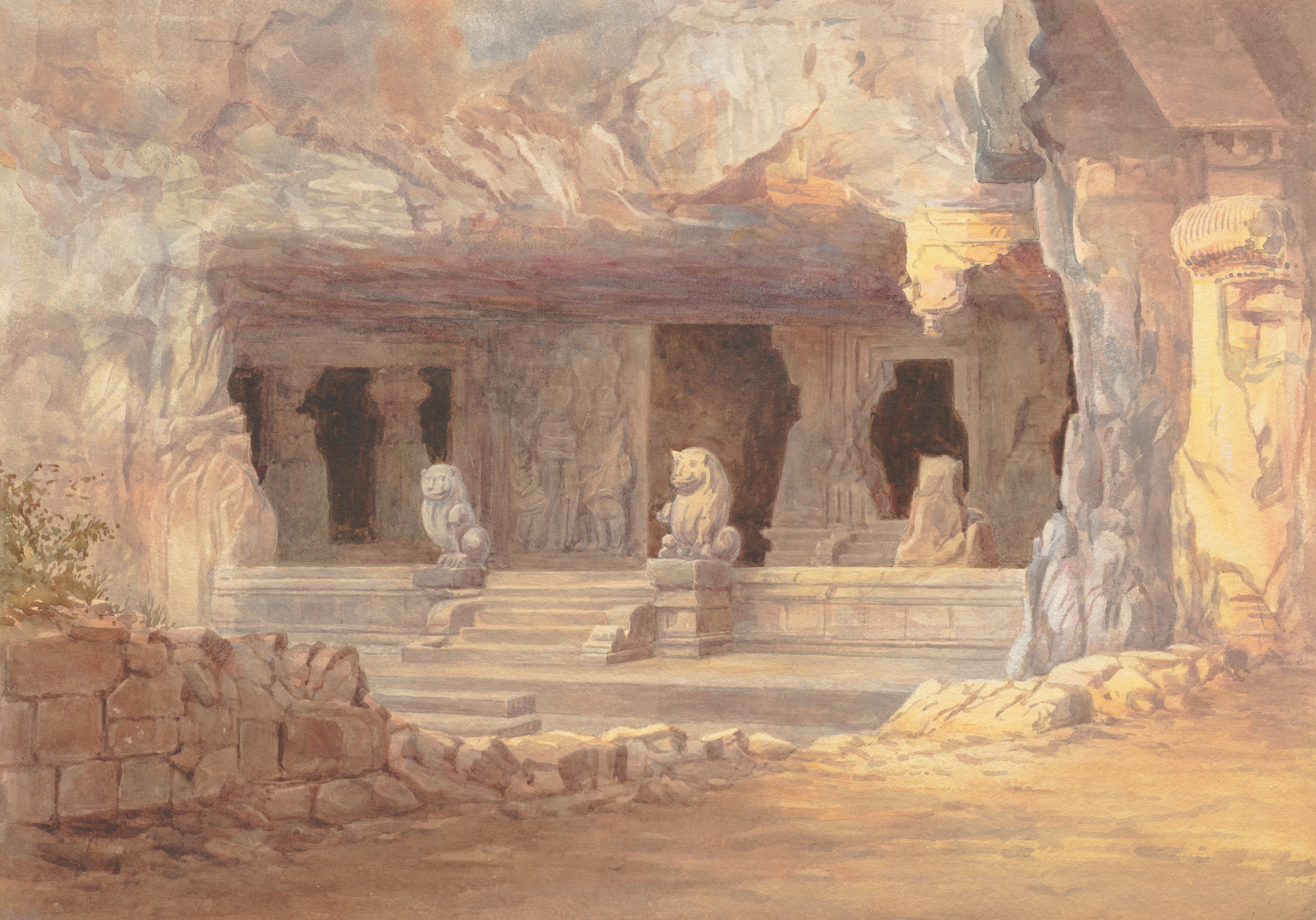
Introduction to Elephanta Caves
The Elephanta Caves, an exquisite collection of rock-cut sculptures, are located on Elephanta Island, approximately 11 kilometers to the east of the bustling city of Mumbai, India. These ancient caves are not only a significant archaeological site but also hold profound historical and cultural importance, making it a must-visit destination for tourists exploring Navi Mumbai. The site was designated as a UNESCO World Heritage Site in 1987, a testament to its remarkable artistic value and its representation of Indian heritage.
The Elephanta Caves date back to between the 5th and 8th centuries and are primarily dedicated to the Hindu god Shiva. Visitors to the site can marvel at the intricate carvings and sculptures that adorn the cave walls, showcasing various deities and narrative scenes from Hindu mythology. Among the most notable sculptures is the colossal Trimurti, a 20-foot depiction of a three-headed Shiva, which captivates all who enter the main cave. The artistry found within these caves exemplifies the grandiosity of ancient Indian architecture and craftsmanship, reflecting the spiritual and cultural ethos of that era.
Tourists can anticipate a rich experience that combines nature with artistry, as the caves are set against the backdrop of lush greenery and scenic views of the Arabian Sea. The journey to the Elephanta Caves involves a picturesque ferry ride, offering visitors a chance to soak in the coastal beauty of Mumbai. Upon landing on the island, they will encounter not only the caves themselves but also various vendors and guides, who enhance the overall experience by providing insights into the historical context of what they are witnessing. Therefore, a visit to Elephanta Caves serves as an engaging encounter with India’s heritage, making it a highlight of any tour in Navi Mumbai.
The Importance of Augmented Reality (AR) in Tourism
Augmented Reality (AR) is swiftly transforming the landscape of tourism by enriching the experience of visitors at historical sites, such as the Elephanta Caves in Navi Mumbai. By integrating digital elements into the real world, AR technology provides tourists with immersive content that offers a deeper insight into the historical and cultural significance of these locations. Visitors can now engage with digital reconstructions, detailed animations, and relevant information that were previously unavailable or difficult to access.
One notable application of AR in tourism is the use of smartphone apps that guide users through historical sites with real-time overlays. For instance, as visitors navigate the Elephanta Caves, they may point their devices at certain carvings to reveal 3D models of the deities depicted, along with historical narratives about their origins. This kind of interactive engagement enhances the learning experience, making the history more relatable and easier to understand.
The popularity of AR applications has surged within the tourism sector, fueled by the increased accessibility of smartphones and tablets. As travelers seek unique experiences, AR becomes an attractive tool for destinations aiming to captivate their audience. Engaging features such as gamified tours or scavenger hunts utilizing AR encourage visitors to explore locations more thoroughly, leading them to discover hidden gems and stories about cultural heritage.
Moreover, AR serves to bridge the gap between education and entertainment. By presenting historical facts in an engaging manner, it fosters a greater appreciation for cultural sites while drawing in a diverse range of tourists. In this context, AR is not just a novelty; it represents a significant advancement in how tourism experiences are designed and delivered, ultimately enhancing visitor satisfaction and promoting cultural preservation.
How AI and AR are Changing Tourism at Elephanta Caves
The Elephanta Caves, a UNESCO World Heritage Site located near Navi Mumbai, have begun to embrace cutting-edge technologies such as Artificial Intelligence (AI) and Augmented Reality (AR) to redefine the tourist experience. These innovative applications are poised to change how visitors interact with the art and history of the caves, providing a more engaging and informative experience.
One significant implementation of AR technology is through mobile applications that overlay digital information onto the physical environment. For instance, when a visitor points their device at a particular sculpture, the application can display detailed information about its history, significance, and the techniques used in its creation. This immersive, interactive approach serves to illuminate the rich narratives surrounding the caves’ intricate artwork, making history accessible in a captivating manner.
Moreover, guided tours can now incorporate AI-driven chatbots that assist visitors with real-time questions, offering insights into various aspects of the caves. This personalized guidance not only enhances the overall learning process but also caters to the diverse interests of tourists. These chatbots can provide tailored experiences based on user preferences, creating a unique tour for every visitor.
Furthermore, future plans for installations may include interactive kiosks that utilize AI algorithms to analyze visitor patterns and preferences, allowing the Elephanta Caves to evolve their offerings based on real-time feedback. This data-driven approach aligns with the growing trend towards personalized tourism experiences.
As these technologies continue to advance, the potential for AI and AR at Elephanta Caves will likely expand, enhancing storytelling and enriching education about the caves’ significance in art and history. Such advancements not only promise to elevate visitor satisfaction but also set a benchmark for other heritage sites aiming to modernize their tourist engagement strategies.
What to Expect During Your Visit
A visit to the Elephanta Caves presents a unique opportunity to explore stunning rock-cut sculptures and immerse oneself in the rich history of Indian art. The journey begins at the Gateway of India, from where tourists can board a ferry to Elephanta Island. The ferry ride, lasting about an hour, offers picturesque views of the Mumbai skyline and the Arabian Sea, setting an enchanting tone for the adventure ahead.
Upon arriving at Elephanta Island, visitors will need to purchase an entry ticket. It is advisable to carry some cash, as digital payment methods may not be universally available. Visitors should also bring essentials such as water, sunscreen, and comfortable walking shoes, as the terrain can be uneven, and the caves involve uphill walks.
The major attraction of the Elephanta Caves is the intricate sculptures dedicated to the Hindu god Shiva, showcasing remarkable artistry that dates back to the 5th and 6th centuries. As you navigate through the several caves, key highlights to look for include the iconic Trimurti, a 20-foot sculpture of a three-headed Shiva, as well as various smaller shrines and carvings that illustrate important aspects of Hindu mythology.
Augmented reality (AR) adds an innovative layer to the visiting experience. Prior to your trip, consider downloading the Elephanta Caves AR application on your smartphone or tablet. Once on the island, point your device at specific sculptures to unlock informative visualizations and audio guides. These AR elements elevate the historical significance of the art, providing deeper cultural contexts that could easily be missed during a conventional visit.
By planning adequately and utilizing available technology, visitors can greatly enrich their exploration of the Elephanta Caves, ensuring that this historic location leaves a lasting impression.
Best Time to Visit Elephanta Caves
When planning a visit to the Elephanta Caves, it is crucial to consider seasonal weather patterns, as these can significantly impact the experience. Located off the coast of Mumbai, the Elephanta Caves enjoy a tropical climate, characterized by a distinct wet and dry season. The best time to visit is between October and March. During these months, visitors can experience cooler temperatures and reduced humidity, making the exploration of the caves more enjoyable.
October marks the onset of the tourist season as the region transitions from the monsoon. By this time, the caves are often dry, providing safer access and better opportunities for photography. Moreover, the period from December to February sees the arrival of winter, when temperatures can drop to a comfortable range, making it particularly inviting for tourists.
In addition to weather considerations, local festivals can enhance your visit to the Elephanta Caves. The festival of Ganesh Chaturthi, peaking in late August or early September, showcases Mumbai’s cultural richness and spirit. Visitors during this period can partake in the lively celebrations and witness the vibrant local culture that surrounds the city before heading to the caves.
Practical considerations are also essential when planning your trip. The island is best accessed via ferry from the Gateway of India, which runs regularly throughout the day. Arriving early can provide a quieter experience while allowing ample time to explore all that the caves have to offer. Additionally, the average visitor spends approximately two to three hours wandering the intricate carvings and learning about the historical significance of the site. For those fascinated by history and culture, the Elephanta Caves are not to be missed.
Things to Do Around Elephanta Caves
The Elephanta Caves, renowned for their ancient rock-cut sculptures and historical significance, are just one facet of the attraction-rich landscape surrounding Navi Mumbai. Visitors to the region will find an array of activities and sites to explore that enhance their overall experience.
One of the noteworthy attractions near the Elephanta Caves is the Gateway of India, iconic for its stunning architecture and historical importance. Located a short ferry ride away, the Gateway presents a picturesque view, especially during sunset, making it an ideal spot for photography enthusiasts.
For those interested in further immersing themselves in local history, a visit to the Chhatrapati Shivaji Maharaj Vastu Sangrahalaya is recommended. This museum, housed in a grand heritage building, showcases a wealth of artifacts that represent India’s history and culture.
Natural beauty and tranquility can also be found at the Hanging Gardens of Mumbai, situated in the nearby area of Malabar Hill. These terraced gardens offer a peaceful retreat from the bustling city, alongside stunning views of the Arabian Sea.
For culinary enthusiasts, Navi Mumbai boasts a vibrant food scene. Tourists can delight in local specialties such as vada pav, a famous street food, or savor Malvani cuisine, known for its spiciness and seafood dishes. Many restaurants in the vicinity provide authentic dining experiences where visitors can explore the rich flavors of the region.
Apart from these activities, engaging in cultural experiences such as local art exhibitions, music performances, and festivals can further enrich your visit, providing insights into the life and traditions of the people in this region. Thus, the Elephanta Caves serve as a gateway to not only historical wonders but also a variety of attractions and experiences that celebrate the vibrancy of Navi Mumbai.
Safety Tips and Guidelines for Tourists
Navigating the Elephanta Caves can be an exhilarating experience, yet it is essential to prioritize safety while exploring this historic site. Visitors are advised to wear comfortable and sturdy footwear, as the terrain can be uneven and challenging in some areas. Good walking shoes can help prevent slips or falls, enhancing both safety and comfort throughout the journey.
While inside the caves, it is crucial to respect the site’s integrity. Tourists should refrain from touching the ancient sculptures and artifacts, as this can cause irreversible damage. Flash photography is often prohibited in specific areas to preserve the artwork, so checking for signage regarding photography rules is recommended. Additionally, maintaining a reasonable noise level ensures that all visitors can enjoy the ambiance of the caves.
Health precautions should also be considered. Travelers with respiratory issues may want to carry necessary medications, as humidity and dust levels can vary within the caves. Adequate hydration is vital, so tourists are encouraged to carry bottled water, especially when embarking on guided tours that may last several hours.
Safety also includes being aware of your surroundings. As the area attracts large groups, it is advisable to stay close to your tour group and avoid wandering off alone. If visiting during the peak tourist season, be prepared for crowds and plan your visit accordingly, ensuring a more pleasant experience.
Lastly, it’s wise to stay informed about the latest travel advisories or any particular regulations pertaining to the Elephanta Caves. By adhering to these guidelines, visitors can fully appreciate the beauty of the site while ensuring their safety and the preservation of its cultural heritage.
User Experiences: Testimonials from Tourists
Visitors to the Elephanta Caves have expressed varied experiences, particularly when integrating augmented reality (AR) technology in their tours. One tourist, Priya Sharma, noted, “The AR app truly brought the caves to life. Seeing the intricate carvings and then watching an animated history unfold right before my eyes was mesmerizing. It enhanced my understanding of the rich cultural heritage of the site.”
Another traveler, James Thompson, shared his excitement: “I had heard about the Elephanta Caves before visiting, but the AR feature allowed me to explore aspects I wouldn’t have noticed otherwise. It was like having a personal guide that explained the stories behind each sculpture and carving, adding depth to my visit.” This sentiment was echoed by many others who emphasized how AR redefined their interaction with the historical narratives.
Families visiting the Elephanta Caves have also praised the AR technology for its educational value. A family of four remarked, “Our kids loved the interactive elements of the tour. The AR brought history alive for them, making learning enjoyable and engaging. It sparked their curiosity about Indian mythology, further enhancing our family trip.”Reflecting on the accessibility of the AR tour, Rina Patel expressed, “As someone who has visited numerous heritage sites globally, the integration of AR in Elephanta Caves stands out. It is an excellent tool for making such rich history accessible to all age groups.”
Overall, the positive feedback from tourists highlights the seamless fusion of history and technology at the Elephanta Caves. By enhancing the visitors’ experience through augmented reality, the cultural significance and intricate details of the caves become more engaging and relatable, drawing in both local and international tourists.
Conclusion: The Future of Tourism with AR and AI
As we delve into the enhanced experiences offered by augmented reality (AR) and artificial intelligence (AI) in tourism, it becomes evident that these technologies are revolutionizing how we interact with historical sites such as the Elephanta Caves. By providing immersive narratives and interactive content, AR enriches the visitor experience, allowing tourists to engage with the rich history and culture contained within these ancient structures more deeply. The ability to visualize the past through AR overlays creates a more meaningful connection between visitors and the sites they explore.
Moreover, the integration of AI offers personalized recommendations and tailored experiences, ensuring that each tourist’s journey is unique and satisfying. With the continuous evolution of AI algorithms, future applications will likely include real-time language translations, virtual guides that can understand and respond to visitor inquiries, and data-driven insights that enhance operational efficiency at tourist sites. This ensures not only an enriching experience but also a seamless one.
The potential for AR and AI technologies to transform the face of tourism is immense. As more cultural heritage sites adopt these innovations, the opportunities to learn about history in novel and engaging ways expand dramatically. Tourists will be encouraged to embrace these advancements, enabling them to uncover layers of history that might otherwise remain hidden.
It is essential that travelers remain open to incorporating technology into their explorations. By leveraging AR and AI, tourists can significantly enrich their understanding of cultural and historical contexts, gaining insights that foster a deeper appreciation of the locations they visit. As we look toward the future, the marriage of technology and tourism promises to create captivating experiences that will inspire generations to come.