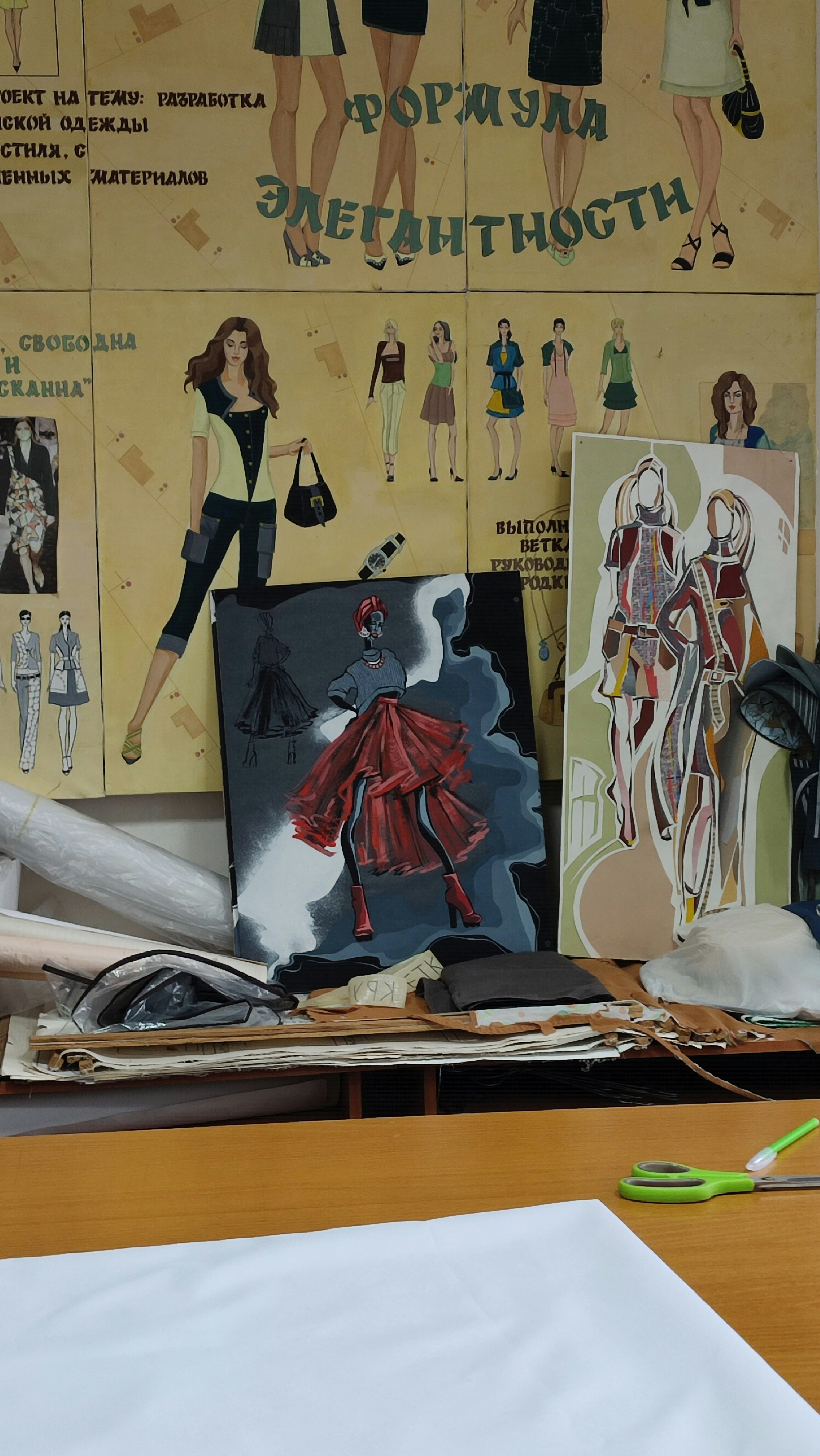
Introduction to AI in Fashion Design
Artificial Intelligence (AI) represents a significant technological advancement that has been adopted across numerous industries, including fashion design. The integration of machine learning algorithms, data analytics, and automated systems is transforming the way designers create, market, and distribute fashion products. In the fashion industry, AI is not just a tool for efficiency; it is a catalyst for innovation and creativity.
One of the primary applications of AI in fashion design is in trend forecasting. By analyzing vast amounts of data from social media, sales records, and online searches, AI systems can predict emerging trends and consumer preferences with remarkable accuracy. This capability allows designers to align their creations with the demands of the market, thereby reducing the risk of unsold inventory and ensuring relevance.
Moreover, AI technology facilitates personalized shopping experiences for consumers. Advanced algorithms enable brands to offer tailored recommendations based on individual shopping behaviors and preferences. This level of personalization not only enhances customer satisfaction but also drives sales, creating a more engaging and interactive shopping environment.
Additionally, AI tools are being employed in the design process itself. Generative design software allows designers to explore countless variations of a design concept quickly, fostering creativity and reducing the time from idea to prototype. Such tools can simulate numerous fabric choices, cuts, and styles, providing designers with insights that were previously unattainable.
In summary, the arrival of AI in the fashion design realm signifies a shift from traditional practices to a more dynamic and data-driven approach. It holds the potential to redefine the roles of designers and consumers alike, fostering an environment where creativity and technology thrive together. As we delve deeper into this topic, we will explore various applications of AI in the fashion industry and examine the implications of these changes on the future of design.
The Evolution of Fashion Design Through Technology
The evolution of fashion design has been significantly influenced by technological advancements, creating a dynamic interplay between creativity and innovation. In the early stages of fashion, handcrafting played a pivotal role, with designers relying exclusively on manual techniques to produce garments. The introduction of the sewing machine in the 19th century marked a revolutionary shift, enabling mass production and altering the pace of fashion design. This innovation not only made clothing more accessible but also sparked changes in consumer behavior, as mass-produced items became possible.
As the industry progressed into the 20th century, further technological developments transformed the fashion landscape. The invention of synthetic fabrics in the1930s, such as nylon and polyester, expanded the array of materials available to designers, facilitating the creation of new styles and patterns. This not only affected the aesthetics of fashion but also influenced practicality and affordability. The rise of television and later the internet brought fashion into the homes of consumers, allowing them to participate more actively in fashion trends and styles and setting the stage for a more interconnected global fashion community.
With advancements in digital technology, the 21st century has witnessed a paradigm shift in fashion design practices. Tools such as computer-aided design (CAD) software have streamlined the design process, allowing for greater precision and the rapid prototyping of ideas. Moreover, the current integration of Artificial Intelligence (AI) is transforming the industry once again. AI technologies offer predictive analytics to foresee trends, optimize supply chains, and even personalize shopping experiences. These innovations not only enhance design capabilities but also reshape consumer interactions with fashion, creating a more data-driven marketplace. Consequently, the evolution of fashion design through technology continues to redefine how designers create, produce, and market their work, ensuring that the fashion industry remains at the forefront of innovation.
AI Tools Revolutionizing Fashion Design
The fashion industry is experiencing a remarkable transformation, largely driven by advancements in artificial intelligence (AI). Various AI tools are now streamlining processes, enhancing creativity, and personalizing consumer experiences in fashion design. One notable application is algorithm-based design programs, which enable designers to create innovative patterns and styles by leveraging complex algorithms. These programs analyze vast datasets to generate unique designs, thus significantly reducing the time and effort required for traditional design methods.
Additionally, virtual fitting applications are gaining traction among fashion brands, as they allow consumers to virtually try on clothing. By employing augmented reality (AR) and AI, these applications analyze body measurements and suggest sizing, ensuring a more accurate fit without the need for physical trials. Offering an immersive shopping experience not only enhances customer satisfaction but also decreases return rates, a persistent issue in the fashion sector.
Machine learning analytics plays an essential role in predicting fashion trends and consumer preferences. By examining historical purchase data, social media behavior, and online trends, AI can identify emerging patterns that inform design decisions. This enables designers to create collections that resonate with their target audience and respond proactively to changing market demands. Furthermore, these predictive insights empower brands to optimize their inventory management, ultimately resulting in more sustainable practices.
As these AI tools become increasingly integrated within the fashion design process, they reshape the landscape by fostering innovation and efficiency. Designers who embrace this technology are better equipped to navigate the rapidly changing industry, ensure their creations capture the zeitgeist, and deliver personalized experiences that meet consumer needs.
Enhancing Creativity with AI
The intersection of fashion design and artificial intelligence (AI) is fostering a transformative shift in the creative process for designers. By leveraging AI tools, fashion designers can enhance their creativity, sparking innovation and bringing previously unimaginable concepts to life. AI is not intended to replace the human touch; rather, it serves as a collaborator, providing a potent combination of technology and imagination.
One notable way in which AI enhances creativity is through the generation of new and inspiring design concepts. For instance, machine learning algorithms can analyze vast datasets of past designs, trends, and consumer preferences. By synthesizing this information, AI can propose fresh ideas and unique styles that may not have otherwise emerged from traditional brainstorming processes. This collaboration leads to an exhilarating fusion of human intuition and AI-generated possibilities, allowing designers to explore frontiers of creativity.
Moreover, AI applications aid in pattern generation, a fundamental aspect of fashion design. Designers can use AI to create innovative patterns that complement existing lines or thread together various influences into a cohesive collection. These algorithms can analyze colors, textures, and styles, providing designers with fitting options that align with their artistic vision while also attracting consumer interest.
Additionally, AI-powered tools can suggest optimal color schemes based on current market trends or analyze the visual appeal of various combinations. This valuable input not only streamlines the design process but also helps designers stay ahead of evolving consumer preferences. Overall, the synergistic relationship between AI and fashion design can elevate the creative process significantly, allowing for a more experimental and informed approach to creating fashion that resonates uniquely with audiences.
Ethics and Challenges in AI-Driven Fashion Design
The integration of Artificial Intelligence (AI) into fashion design comes with a myriad of ethical implications and challenges that warrant careful consideration. One significant concern revolves around data privacy. AI algorithms often rely on vast amounts of consumer data to make design predictions and recommendations. This raises important questions regarding how this data is collected, stored, and utilized. Ensuring that consumers’ privacy is respected while leveraging their data for insights is a balancing act that fashion brands must navigate diligently.
Another pressing issue is the potential for bias in AI-driven design. If the data fed into AI systems is not diverse or representative of various demographics, the outcomes may perpetuate existing stereotypes or exclude certain consumers altogether. Fashion, as a highly visual and cultural domain, cannot afford to overlook the representation of all identities. Brands must work towards developing algorithms that are designed to be inclusive and equitable, acknowledging the multiplicity of consumer identities.
Furthermore, the rise of AI in the fashion industry poses significant implications for employment. Traditional fashion designers might face challenges as AI becomes capable of generating designs, reducing the demand for human creativity. While AI can enhance efficiency by streamlining processes, it also raises concerns about job displacement in a sector that heavily relies on creative talent. Companies must consider how to balance the benefits of AI innovation with the need to retain the human touch that is crucial to fashion design.
Lastly, the sustainability challenges presented by AI-driven mass production cannot be overlooked. While AI can optimize production processes to reduce costs and waste, it can also encourage overproduction—leading to increased environmental impact. To achieve a responsible approach in utilizing AI, the fashion industry needs to institute practices that advocate for sustainability and ethical production.
Consumer Experience and AI in Fashion
The fashion industry is undergoing a significant transformation, largely driven by advancements in artificial intelligence (AI). With the integration of AI technologies, retailers are moving towards creating highly personalized shopping experiences that cater to the preferences and behaviors of individual consumers. This shift is largely facilitated by sophisticated data analytics that enable brands to gain deeper insights into customer preferences, thereby enhancing customer engagement.
One major avenue through which AI is positively impacting consumer experience in fashion is personalized shopping. Recommendation systems powered by AI algorithms analyze user behavior, purchase history, and product preferences to offer tailored suggestions. For instance, when consumers visit an online store, AI analyzes their past choices to present items that align with their style, ensuring a more engaging shopping journey. This targeted approach not only increases customer satisfaction but also boosts conversion rates for retailers.
In addition, virtual reality (VR) fitting rooms have begun to reshape the traditional shopping experience. AI-driven VR technology allows consumers to visualize how clothes will look and fit without needing to physically try them on. Shoppers can upload their measurements or images to create a virtual representation of themselves, making online shopping more interactive and reducing the likelihood of returns due to size or fit mismatches. This technological advancement not only enhances customer convenience but also aids companies in optimizing inventory management.
As consumer expectations continue to evolve, the role of AI in fashion retail is set to expand further. Businesses that leverage these technologies are likely to improve customer loyalty and drive sales, ultimately transforming the landscape of fashion retail. By combining personalized experiences with innovative tools like virtual fitting rooms, AI is enhancing overall customer satisfaction while modernizing the way consumers interact with fashion brands.
Case Studies of AI in Fashion Brands
Several fashion brands have begun embracing artificial intelligence (AI) to revolutionize their design processes and enhance their operational effectiveness. This integration of AI technology into the fashion industry has led to innovative projects and collaborations, illustrating the potential benefits of such methodologies.
One notable example is the partnership between Stitch Fix and advanced machine learning algorithms. Stitch Fix, an online personal styling service, leverages AI to analyze customer preferences and past purchases, allowing them to curate personalized clothing selections. Through this data-driven approach, the brand effectively responds to individual customer needs, thereby improving customer satisfaction and retention rates. The use of AI has not only optimized inventory management but has also reduced waste by making more accurate predictions about fashion trends.
Another prominent case is the collaboration between Burberry and AI firm Original Stitch, which managed to create customized fashion items. This project utilized AI technology to analyze customer input and design preferences, enabling consumers to tailor their pieces. The combination of machine learning and creative design empowers buyers with greater control over their wardrobe choices, while Burberry benefits from enhanced customer engagement and brand loyalty.
The successful implementation of AI in these projects highlights the significance of adapting to technological advancements within the fashion sector. As brands integrate AI-driven tools into their development cycles, they gain valuable insights and enhance design innovation. Lessons learned from these companies illustrate that collaboration between fashion designers and technology firms is essential in creating a synergistic relationship that promotes creativity while streamlining processes. Such innovative tactics set a precedent for future endeavors in an ever-evolving industry.
Future Trends in AI and Fashion Design
As artificial intelligence continues to develop, its applications within the fashion industry are expected to expand significantly, transforming various aspects of design, production, and consumer interaction. One notable trend is the emergence of AI-driven design tools, allowing designers to create collections with unprecedented speed and efficiency. These tools can analyze vast datasets to generate design concepts that align with current market trends, enabling a more responsive approach to consumer demand.
Moreover, personalization is anticipated to become a cornerstone of fashion design in the age of AI. AI algorithms can analyze individual consumer preferences, body types, and lifestyle choices to recommend custom-tailored styles. This shift toward hyper-personalization allows brands to foster deeper connections with consumers, as products become more reflective of personal identity and aesthetic preferences.
Furthermore, the use of AI in forecasting fashion trends is likely to become increasingly sophisticated. By leveraging machine learning models that analyze social media, runway shows, and buying patterns, fashion houses can predict upcoming trends more accurately. This predictive capability not only aids designers in conceptualizing future collections but also assists retailers in managing inventory, thereby reducing waste and fostering sustainability in the industry.
The hybridization of AI and virtual reality (VR) is another future trend worth noting. With advancements in immersive technologies, brands may soon offer virtual try-ons that utilize AI to simulate how garments fit and look on various body types, thus enhancing the online shopping experience. As such innovations unfold, they will reshape consumer engagement and redefine the traditional clothing purchasing paradigm.
In navigating these future trends, the fashion industry stands at a pivotal crossroads, embracing AI technologies that not only enhance creativity and operational efficiency but also address essential issues such as sustainability and individualism in design.
Conclusion: The Balance of Tradition and Innovation
As we explore the intersection of fashion design and artificial intelligence, the discourse has illuminated the profound transformation occurring within this industry. With AI technologies advancing rapidly, fashion designers are afforded unprecedented tools that can enhance their creativity and streamline their processes. Yet, it is vital to remember the foundational aspects of traditional fashion design that have shaped the industry for decades. The age-old techniques and artistry of craftsmanship remain essential, providing a rich context from which new innovations can emerge.
The discussion reveals that while artificial intelligence can analyze trends, predict consumer behavior, and even generate designs, it cannot replace the nuanced understanding of aesthetics and cultural significance that seasoned designers possess. Instead, AI should be viewed as a complementary force—augmenting creativity rather than substituting for it. This partnership between tradition and technological advancement creates a unique synergy, broadening the horizons for fashion design and enabling designers to focus more on the ideation and conceptual stages.
Looking ahead, it becomes increasingly important for stakeholders within the fashion industry to actively consider how best to strike a balance between these two realms. Embracing AI’s potential without undermining the intrinsic value of handcrafted design is essential for preserving the richness of fashion as an art form. The future demands a thoughtful integration, where heritage and cutting-edge innovation coexist harmoniously, pushing the boundaries of what fashion can be. As we stand on the brink of this new era, it is the responsibility of designers and technologists alike to foster a dialogue that champions both tradition and innovation, ensuring that the essence of fashion continues to thrive amidst change.