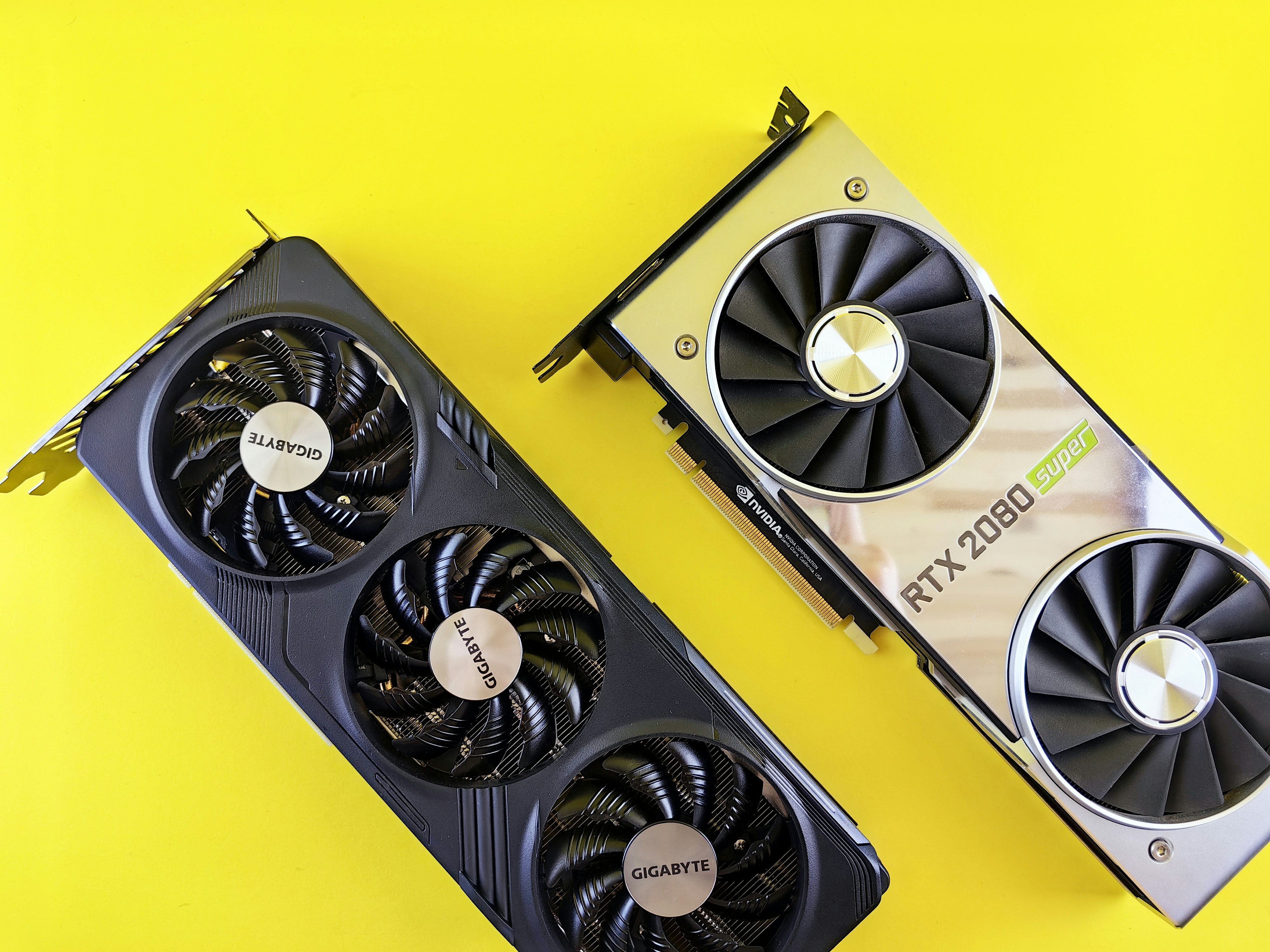
Introduction to GPU Dominance
The evolution of the graphics processing unit (GPU) has profoundly influenced the landscape of computer graphics and computational processing. Initially designed to accelerate rendering graphics, GPUs have emerged as a dominant force, largely due to their parallel processing capabilities. This capability enables them to handle multiple tasks simultaneously, making them an ideal choice for resource-intensive applications such as artificial intelligence (AI), video gaming, and data analysis.
In the past decade, the GPU market has witnessed a remarkable transformation, driven by technological advancements and a growing demand for high-performance computing. Key players, such as NVIDIA and AMD, have been at the forefront of this evolution. NVIDIA, in particular, has established itself as a leader by continuously innovating with architecture improvements and hardware advancements. Their introduction of the CUDA programming model allowed developers to harness the power of the GPU for general-purpose computing, further broadening the application scope beyond graphics.
Meanwhile, AMD has risen to prominence, providing competitive products that appeal to both gamers and enterprise solutions. Their focus on delivering high-performance GPUs at varying price points has captured a significant market share, fostering competition that has ultimately benefited consumers. Moreover, both companies have capitalized on the growing fields of machine learning and deep learning, wherein GPUs provide substantial acceleration compared to traditional CPUs.
As the demand for more powerful computing capabilities continues to surge, particularly in data-intensive industries, GPUs stand at the center of this evolution. The infusion of AI and advanced graphics technologies will likely perpetuate GPU dominance, leading to exciting developments in the coming years. Advances in manufacturing technologies and optimization efforts indicate that the GPU will remain a critical component in the technological arsenal of the future.
The Rise of Emerging Accelerator Technologies
The landscape of computation is evolving, as the demand for high-performance processing power surges in various fields, particularly artificial intelligence (AI) and machine learning. While the dominance of Graphics Processing Units (GPUs) has been noteworthy, several emerging accelerator technologies are beginning to carve out their niches within this rapidly changing environment. These include Tensor Processing Units (TPUs), Field-Programmable Gate Arrays (FPGAs), and Application-Specific Integrated Circuits (ASICs), each offering unique benefits tailored for specific workloads.
Tensor Processing Units (TPUs), developed by Google, are specialized processors specifically designed to accelerate machine learning tasks. Unlike GPUs, TPUs are optimized for matrix calculations and large-scale numerical computations, making them particularly advantageous in deep learning applications. Their architecture allows for high throughput and low latency, enabling organizations to train large models more efficiently than ever before. As a result, TPUs have rapidly gained traction in the AI community, especially for applications involving natural language processing and image recognition.
Field-Programmable Gate Arrays (FPGAs) provide another compelling alternative to traditional GPUs. These devices are highly versatile, allowing developers to configure their hardware to suit particular applications after fabrication. This feature empowers organizations to optimize performance for specific workloads, particularly in edge computing and real-time data processing scenarios. The adaptability of FPGAs has seen them increasingly integrated into data centers and IoT (Internet of Things) applications, where customized processing capabilities are essential.
Application-Specific Integrated Circuits (ASICs), on the other hand, are designed for a very particular purpose, providing exceptional performance and energy efficiency for dedicated tasks. While their development costs are higher and they lack the versatility of FPGAs or GPUs, ASICs excel in environments where a specific function needs to be executed with maximum efficiency, such as cryptocurrency mining or specific AI inference tasks. With the rise of deep learning, ASICs are gaining attention as companies look to maximize performance in their specialized applications.
As these technologies continue to advance, they present formidable competition to the established GPU paradigm, paving the way for more efficient and powerful processing solutions in the realm of AI and machine learning.
Market Share Projections for 2026
The landscape of computing technologies is continuously evolving, with GPUs (Graphics Processing Units) currently holding a significant position in the market. However, emerging accelerator technologies, such as TPUs (Tensor Processing Units) and FPGAs (Field-Programmable Gate Arrays), are predicted to gain traction over the coming years. By 2026, market share projections indicate a notable shift that could impact the dominance of GPUs.
According to recent analyses by technology research firms, the global GPU market was valued at approximately $43 billion in 2022, with estimates suggesting a growth to nearly $70 billion by 2026. This represents a compound annual growth rate (CAGR) of around 10%. The consistent demand for GPUs in gaming, artificial intelligence (AI), and data analytics showcases their integral role in various sectors, ensuring that they maintain a substantial share of the market. However, the rise of specialized accelerators poses a challenge to this trajectory.
Emerging technologies like TPUs specifically engineered for machine learning applications are expected to witness exponential growth, forecasted to account for 15% of the computing market by 2026, a substantial increase from the current 5%. Similarly, FPGAs, which offer flexibility and reconfigurability, are anticipated to capture around 10% of the market, motivated by their growing use in telecommunications and automotive industries.
Market insights suggest that while GPUs will remain prevalent, the diversification and specialization of computing solutions are leading to a more segmented market. The competitive landscape will likely evolve with more players entering the field, resulting in a dynamic environment where businesses must adapt to these technological advancements.
Performance Metrics: GPUs vs. Accelerators
As we delve into the capabilities of traditional Graphics Processing Units (GPUs) compared to emerging accelerators, it is essential to establish definitive performance metrics that encapsulate their effectiveness. The primary metrics to consider include speed, efficiency, and throughput, all of which play a significant role in evaluating the suitability of each technology for specific tasks.
Speed, often measured in FLOPS (floating-point operations per second), is a critical performance indicator. Traditional GPUs have historically excelled in speed due to their highly parallel architecture, allowing them to process multiple tasks concurrently. For instance, NVIDIA’s Ampere architecture demonstrates this with impressive benchmarks in training large machine learning models, showcasing speeds that remain competitive even against specialized accelerators.
Efficiency is another vital metric, typically defined by performance per watt. Emerging accelerators, such as TPUs (Tensor Processing Units) and FPGAs (Field Programmable Gate Arrays), often focus on maximizing this ratio. For example, Google’s TPU achieves superior efficiency in executing deep learning tasks compared to conventional GPUs, which results in reduced energy costs and improved environmental sustainability in large-scale deployments. Such efficiency is crucial in data centers, where operational electricity expenses can significantly impact overall profitability.
Throughput, which measures the amount of data processed in a given timeframe, is also an essential performance metric. In scenarios where large datasets are involved, such as in scientific simulations or big data analytics, accelerators may offer enhanced throughput due to their design, which is tailored for specific workloads. In contrast, GPUs sometimes struggle with highly specialized tasks but still deliver remarkable performance across a broad range of applications. A case in point is the use of GPUs in real-time graphics rendering, where their versatility gives them a distinct advantage.
As we progress through 2026, understanding these performance metrics becomes increasingly significant as organizations weigh their options between traditional GPUs and the burgeoning category of specialized accelerators. By evaluating speed, efficiency, and throughput using real-world benchmarks, stakeholders can make informed decisions that align with their computational needs.
Use Cases Driving Competition
The landscape of computing technology is continuously evolving, marked by the competition between Graphics Processing Units (GPUs) and emerging accelerators, such as Tensor Processing Units (TPUs) and Application-Specific Integrated Circuits (ASICs). This rivalry is particularly pronounced across various sectors where specialized tasks demand distinct computational strategies.
In the realm of autonomous vehicles, GPUs have been instrumental due to their exceptional parallel processing capabilities, enabling real-time data analysis from multiple sensors. However, as the need for increased efficiency and power management intensifies, accelerators designed specifically for deep learning are gaining traction. These accelerators optimize computations, thus providing a competitive edge in terms of performance and energy consumption.
Cloud computing is another industry where the competition is evident. Traditionally dominated by GPUs for their versatility and maturity in handling graphical and parallel tasks, the rise of highly specialized accelerators is reshaping the optimal hardware choice for cloud service providers. Accelerators offer significant benefits in specific workloads, such as machine learning tasks, where they can outperform GPUs by accelerating matrix multiplications and tensor operations.
Deep learning applications further exemplify the ongoing shift. While GPUs were initially the go-to for training complex neural networks, newer architectures such as TPUs capitalize on their design to enhance specific workloads. This capability makes them a compelling choice for organizations focused on deploying AI at scale. The choice between GPUs and accelerators depends on factors such as workloads, cost efficiency, and power constraints, creating an ongoing dynamic in the industry.
The diverse requirements across these use cases illustrate how the selection of computing hardware is pivotal in determining performance, efficiency, and overall success in driving innovations. As industries continue to develop, the competition between GPUs and accelerators is expected to intensify, further influencing technological advancements.
Challenges & Limitations of GPUs
Graphics Processing Units (GPUs) have long been the preferred choice for high-performance computing applications, including gaming, machine learning, and data analytics. However, as the demands on computational power escalate, GPUs face several challenges and limitations that could hinder their dominance in the technology landscape.
One significant limitation of GPUs is their performance scaling capabilities. Despite advancements in architecture and manufacturing technologies, GPUs encounter physical constraints that affect their ability to increase processing power beyond a certain point. This phenomenon, often referred to as diminishing returns, implies that while performance continues to improve, the rate of enhancement is slowing, leading to concerns about the future viability of relying on GPUs for ever-increasing workloads.
Power consumption is another critical challenge associated with GPU technology. As GPUs are pushed to their limits to meet performance demands, power usage also escalates significantly. This increased energy consumption raises operational costs and poses environmental concerns, particularly amid a global push for sustainable computing solutions. Power-efficient designs are increasingly prioritized, yet this remains a challenge in balancing performance gains with energy requirements.
Cost efficiency further complicates the landscape for GPUs. The price of high-end GPUs has soared, often rendering them inaccessible to smaller organizations and individual developers. Furthermore, market saturation has led to increased competition, with diverse alternatives emerging that aim to provide performance without the associated costs of high-end GPUs. The transition towards specialized accelerators, such as TPUs and FPGAs, reflects the growing demand for cost-effective solutions that can meet specific computational needs without the overhead associated with traditional GPU systems.
The Future Outlook for GPU Dominance
The landscape of computing is in a constant state of evolution, particularly with the rising prominence of graphics processing units (GPUs) in various applications. As of 2026, many industry analysts and experts forecast that GPUs will continue to hold a dominant position in areas such as artificial intelligence (AI), gaming, and data analytics. The inherent parallel processing capabilities of GPUs allow them to handle large datasets and execute multiple tasks simultaneously, making them an efficient choice for modern computing needs.
One of the key aspects contributing to the sustained prevalence of GPUs is their ongoing innovation. Companies involved in GPU development are vigorously competing to enhance performance, reduce power consumption, and integrate advanced features such as real-time ray tracing and AI-driven functionalities. For instance, the advent of newer architectures and manufacturing processes is driving significant improvements in speed and efficiency. These advancements play a crucial role in retaining the competitive edge of GPUs against emerging technologies.
However, the trajectory of GPU dominance is not without challenges. Emerging accelerator technologies, including tensor processing units (TPUs) and field-programmable gate arrays (FPGAs), are increasingly being leveraged in specific applications, particularly in machine learning and complex computational tasks. These alternatives may offer specialized performance improvements that could take away some market share from traditional GPUs. Industry detractors argue that as these technologies mature, they may provide a formidable challenge to the GPU’s supremacy.
Despite the competition, the enthusiasm surrounding GPU technology remains robust. The versatility of GPUs spans beyond conventional graphics rendering, allowing them to serve a diverse array of industries. As we move further into this decade, the question remains whether the traditional GPU will adapt and evolve sufficiently to maintain its long-standing dominance amidst the rising tide of alternative computing accelerators.
The Role of AI and Machine Learning
Artificial Intelligence (AI) and machine learning are playing a pivotal role in shaping the landscape of computing, directly influencing GPU and accelerator technologies. The demand for high-performance computing has surged, driven primarily by the intensive computational requirements of AI algorithms and machine learning applications. These technologies require not only speed but also a level of efficiency that has led to unprecedented advancements in hardware design.
Graphics Processing Units (GPUs) have traditionally dominated the market due to their parallel processing capabilities, which make them exceptionally suited for training machine learning models. However, as the complexity and size of these models grow, the need for enhanced performance has prompted the exploration of emerging accelerators, such as Tensor Processing Units (TPUs) and other domain-specific architectures. These novel solutions offer tailored capabilities that optimize specific workloads, often resulting in significant improvements in processing speed and energy efficiency.
Moreover, the development of AI and machine learning is fostering a technology feedback loop. As researchers gain insights into more efficient algorithms and neural network architectures, there is a concurrent push for hardware advancements that can accommodate these evolving needs. The integration of AI into hardware design processes is also becoming increasingly common, enabling systems to dynamically adapt to workloads and improve resource allocation. This paradigm shift not only aids in performance optimization but also encourages sustainability by minimizing wasted computational power.
A key challenge that arises from this competitive environment is the balance between the established dominance of GPUs and the potential of newer accelerators. As AI continues to evolve, both GPUs and emerging technologies are expected to coexist, each serving specific market niches. Understanding their respective strengths will be crucial for industry professionals as they navigate the unique demands of AI-driven applications.
Conclusion and Implications for 2026 and Beyond
As we look towards 2026, the competitive landscape for graphics processing units (GPUs) and emerging accelerator technologies is poised for significant evolution. The discussions throughout this blog post have highlighted the prevailing dominance of GPUs, underscored by their versatility and strong market presence. However, challengers such as tensor processing units (TPUs), field-programmable gate arrays (FPGAs), and custom silicon are increasingly demonstrating their capabilities, particularly in specialized workloads and artificial intelligence applications. This diversification creates an intricate interplay among various computing architectures, each carving out niches that align more closely with specific user needs.
For consumers, the proliferation of alternative accelerators signifies a potential for greater choice and optimization for their unique computing requirements. While GPUs remain a robust solution for gamers and general-purpose applications, the rise of purpose-built accelerators could lead to improved performance in areas such as machine learning and data analytics. Consumers may benefit not only from enhanced efficiency but also from potentially more competitive pricing as the market becomes increasingly crowded.
Developers, on the other hand, will need to adapt to this evolving ecosystem by broadening their skill sets. Mastery of multiple platforms and an understanding of how different architectures can complement each other will be vital for harnessing the full potential of these technologies. This adaptability could prove decisive for developers looking to leverage the most efficient tools for their projects.
For industry stakeholders, the implications are vast. Companies engaged in hardware manufacturing, cloud computing, and software development must stay attuned to these dynamics to position themselves advantageously. Anticipating trends and potential breakthroughs will be key to not merely surviving but thriving in this competitive arena.
In conclusion, as we move toward 2026, the interplay between GPUs and emerging accelerators will shape the future of computing. Stakeholders across the board must remain vigilant, flexible, and proactive in navigating this transformative landscape.