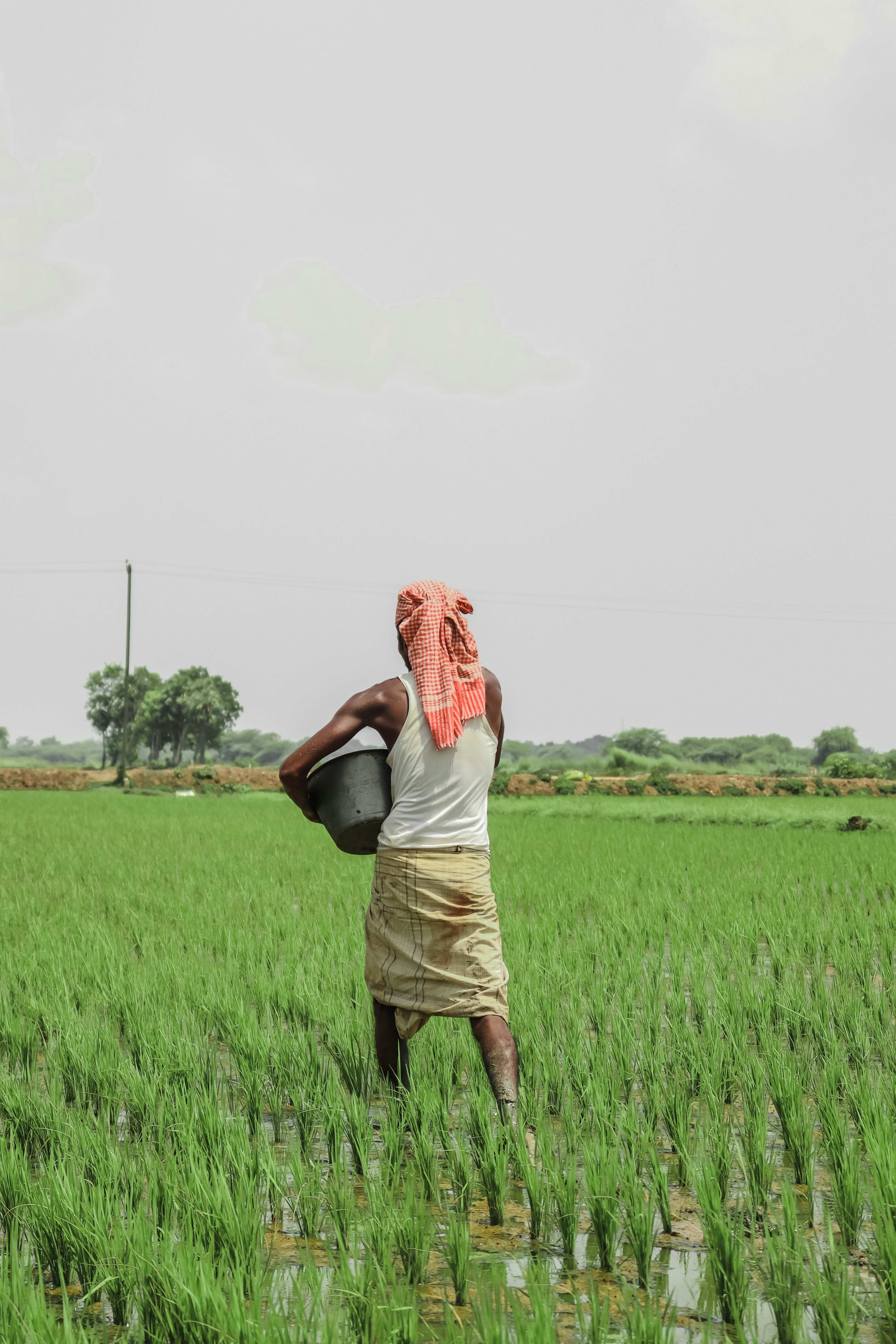
Introduction: The Crisis of Farmer Suicides
The issue of farmer suicides is a multifaceted crisis that has captured global attention, with alarming rates reported in various regions, particularly in developing countries. Factors contributing to this tragic phenomenon are complex and interwoven, encompassing economic pressures, mental health challenges, and environmental issues. Farmers often encounter severe financial burdens due to fluctuating market prices, debt accumulation, and the rising costs of farming inputs. These economic strains can lead to overwhelming stress, ultimately exacerbating mental health issues among agriculturalists.
In addition to financial difficulties, many farmers face a lack of access to mental health resources, which serves to compound their struggles. A societal stigma surrounding mental health can prevent individuals from seeking help, further isolating them in times of crisis. Furthermore, environmental challenges such as climate change, drought, and flooding significantly impact agricultural productivity, leading to reduced income and an increased sense of hopelessness among farmers. These interconnected issues create a precarious situation, where the pressure to sustain both their livelihoods and mental well-being becomes unbearable.
Amidst this crisis, technological interventions, especially artificial intelligence (AI), hold potential as transformative agents for change. AI can be harnessed to gather and analyze data, offering insights that help predict individuals at risk of suicide based on various indicators, including economic trends and psychological factors. Additionally, technology can facilitate improved mental health interventions and resource allocation, allowing for timely support to those in need. By leveraging AI and similar advancements, stakeholders can work towards not only alleviating the pressures that farmers face but also creating proactive measures that address the root causes of this devastating trend. The integration of AI into solutions aimed at preventing farmer suicides epitomizes a modern approach to tackling an age-old problem, merging technological prowess with humanitarian concern.
Understanding the Factors Leading to Farmer Suicides
The issue of farmer suicides has emerged as a critical concern worldwide, with multiple intertwined factors contributing to this tragic phenomenon. Financial insecurity stands as one of the foremost reasons behind such incidents. Farmers often face fluctuating income levels due to unpredictable market conditions, low prices for their produce, and escalating costs of agricultural inputs. These financial challenges can lead to excessive debt, creating a crippling cycle of distress that weighs heavily on mental well-being.
Moreover, social isolation exacerbates the plight of farmers, particularly in rural areas. The stigma attached to financial failure may prevent them from seeking help or sharing their struggles with others, resulting in feelings of loneliness and despair. This lack of social support can be detrimental to mental health, exacerbating feelings of hopelessness.
Another significant factor contributing to farmer suicides is the impact of harsh weather conditions. Unpredictable climate patterns, including droughts, floods, and extreme temperatures, can destroy crops and livestock, severely affecting productivity and income. Such environmental challenges evoke a sense of helplessness among farmers as they contend with forces beyond their control.
Market fluctuations further complicate the situation. Agricultural commodities are subject to volatile price changes based on global supply and demand dynamics. Sudden drops in product prices can significantly reduce a farmer’s earnings, pushing them into financial uncertainty. Stress from the continuous cycle of uncertainty associated with farming can lead to severe mental health issues, including depression and anxiety.
In summary, the interplay of financial insecurity, social isolation, adverse weather conditions, and market fluctuations creates a precarious situation for farmers. Understanding these factors is crucial, as they significantly contribute to the stress and mental health issues that lead to the tragic decision of suicide. Addressing these factors through preventative measures can help improve the overall well-being of farmers and reduce the incidence of suicides in this vulnerable population.
The Role of AI in Data Collection and Analysis
Artificial Intelligence (AI) has emerged as a pivotal tool in enhancing our understanding of the multifaceted challenges that farmers encounter. Utilization of big data analytics is fundamental in this context, enabling the aggregation and processing of vast streams of information from diverse sources, including climate data, market trends, and social media. Through advanced algorithms, AI systems can analyze these datasets to identify patterns and correlations that may not be immediately apparent to human analysts.
One significant area where AI contributes is in climate data analysis. By merging historical weather patterns with real-time meteorological data, AI can forecast adverse weather conditions that could jeopardize crop yields. This predictive capability allows farmers to make informed decisions regarding planting and harvesting schedules, thereby reducing potential losses caused by unexpected climate events.
Additionally, AI tools can analyze market trends by scrutinizing agricultural commodity prices, consumer demand, and global trade dynamics. By leveraging this information, farmers can adjust their production strategies, optimize crop diversification, and ultimately improve their economic resilience. The integration of real-time market data into decision-making processes has the potential to enhance profitability and reduce economic vulnerability.
Social media platforms also serve as a rich data source for understanding the social dimensions affecting farmers. AI systems can analyze sentiments expressed in online forums and discussions, providing insights into the mental well-being of farmers and the community’s perceptions of agricultural issues. This social analysis can aid in the development of targeted support programs, enhancing mental health resources and interventions.
In summary, the integration of AI in data collection and analysis breaks down silos, providing farmers with actionable insights drawn from a multitude of sources. By mastering the art of data synthesis, AI not only helps prevent adverse outcomes but also plays an integral role in fostering a sustainable agricultural future.
Predictive Analytics: Identifying Vulnerable Farmers
In recent years, the integration of advanced technologies such as artificial intelligence (AI) has emerged as a transformative approach to enhancing agricultural practices, particularly in identifying vulnerable farmers and predicting suicidal tendencies within this demographic. By analyzing historical data and recognizing patterns, AI algorithms can serve as powerful tools for understanding the complex interplay of factors that lead to mental health crises among farmers.
Predictive analytics involves employing statistical algorithms and machine learning techniques to forecast future outcomes based on past data. In the case of farmers, these models utilize a variety of key indicators including economic conditions, weather patterns, crop yields, and mental health statistics. For instance, farmers operating in regions prone to drought or economic instability may exhibit higher susceptibility to stress and mental health issues. AI can analyze this data, allowing for the early identification of individuals at higher risk for suicide by identifying alarming trends and anomalies.
One prominent example of predictive models in agriculture is the work being done by the Indian government through initiatives like the Digital Agriculture Mission. This project utilizes a range of data points, such as soil quality, climate change impacts, and market fluctuations, to assess and support farmers’ mental well-being. Additionally, platforms like ‘Farmers First’ utilize mobile technology combined with predictive analytics to assess farmers’ vulnerability through real-time data collection and feedback loops, ensuring timely interventions.
Such predictive models not only create opportunities for timely mental health support but also help in designing targeted agricultural policies. By adopting a proactive approach through predictive analytics, stakeholders can collectively work towards preventing crises among farmers, thereby reducing the rates of suicide. The use of AI in analyzing farmer data presents a promising avenue for increasing resilience within farming communities, ultimately fostering a healthier and more sustainable agricultural sector.
Developing Intervention Strategies with AI
Recent advancements in artificial intelligence (AI) have opened new avenues for addressing complex social issues, including the alarming rates of farmer suicides. By leveraging AI-driven analytics, researchers and policymakers can develop targeted intervention strategies that provide essential support to farmers experiencing distress. One of the most crucial aspects of these strategies involves the identification of at-risk individuals and communities through the analysis of various data points.
AI systems can analyze vast quantities of data sourced from different domains, such as economic indicators, climatic conditions, and personal health records. Machine learning algorithms can identify patterns and correlations that may not be immediately evident, allowing for early detection of farmers who may be facing severe hardship. For instance, a predictive model developed in collaboration with agricultural universities has shown promising results by identifying farmers at risk due to changes in crop yield or fluctuations in market prices.
To effectively support farmers in need, AI can also facilitate the creation of tailored assistance programs. By understanding the unique challenges faced by different demographics within the agricultural sector, interventions can be customized to meet specific needs. Case studies, such as the one implemented in the southern regions of India, highlight that personalized support systems—ranging from mental health counseling to financial advisory services—are more effective when they are based on real-time data insights provided by AI technology.
Furthermore, successful pilot programs have demonstrated the potential financial support models could benefit from AI analysis. For example, a joint project by NGOs and tech companies has employed AI systems to predict crop failures and deploy emergency funds to affected farmers. The outcomes of these initiatives have been promising, resulting in significantly reduced stress levels among beneficiaries and lower suicidal ideation rates. These examples underscore the transformative role AI can play in the agricultural sector, fostering resilience among farmers by enabling proactive and precise intervention strategies.
Enhancing Mental Health Support Through Technology
The mental health crisis among farmers is an urgent issue, where technology, particularly Artificial Intelligence (AI), can play a pivotal role in alleviating distress. With AI’s capacity to analyze vast amounts of data, it can be instrumental in identifying farmers at risk and facilitating timely mental health support. One of the most significant advantages of integrating technology into mental health initiatives is its ability to connect farmers with resources efficiently. Through targeted outreach, AI can enable access to vital services, including mental health hotlines specifically designed for agricultural communities.
In addition to hotlines, AI-driven chatbots have emerged as a promising tool for providing real-time counseling. These chatbots can engage users in meaningful conversations, helping them to express their feelings and concerns without fear of judgment. By fostering a safe space, these automated systems can help break down the stigma often associated with seeking mental health support among farmers. Many individuals may hesitate to reach out for help due to fear of social repercussions, but the anonymity provided by AI solutions allows for a more open dialogue about mental health.
Moreover, AI can be utilized to tailor support services to the unique circumstances of individual farmers. By analyzing patterns in data—such as economic pressures, weather patterns, and social dynamics—AI can recommend personalized resources and strategies to enhance mental well-being. This targeted approach not only aids in immediate support but also fosters long-term resilience against mental health issues.
Integrating technology into mental health support systems holds the potential to revolutionize the way farmers access care. By addressing their needs in a timely and sensitive manner, AI can help create a more sustainable agricultural community where mental health is prioritized, ultimately reducing the risk of suicide. Embracing these technologies is a necessary step towards enhancing the overall well-being of farmers and their families.
Community Engagement and Empowerment via AI
The integration of artificial intelligence in agriculture has opened new avenues for fostering community engagement and empowerment among farmers. By harnessing the power of AI technologies, farmers can access critical data and insights that can enhance their farming practices and decision-making processes. This empowerment is vital, especially in regions where traditional support systems may be lacking.
AI can analyze climatic trends, soil health, and market demands to provide tailored recommendations to farmers. These insights allow farmers to make informed choices, ultimately leading to sustainable agricultural practices that can withstand environmental and socio-economic pressures. When farmers are educated about these AI tools, they become active participants in the decision-making processes that affect their livelihoods. This shift fosters a sense of community ownership and resilience.
Moreover, the effectiveness of AI in addressing the mental health crisis among farmers is significantly augmented through community involvement. By engaging local stakeholders, such as non-profit organizations and agricultural cooperatives, AI tools can be more effectively disseminated, ensuring that farmers are not only aware of the available technologies but also feel supported in their usage. Workshops and community seminars can further enhance understanding and encourage collaboration among farmers, helping them form robust support networks.
As farmers begin to harness technological solutions and collaborate within their communities, the likelihood of developing sustainable farming practices increases. This community empowerment, driven by data and insights, forms the foundation of resilient agricultural systems that can significantly reduce the risks associated with farming. In turn, this empowers farmers to take proactive measures in their mental health and well-being.
Challenges and Ethical Considerations of Implementing AI
The integration of artificial intelligence (AI) technologies in agriculture, specifically for predicting and preventing suicides among farmers, presents a myriad of challenges and ethical dilemmas. One of the foremost concerns is data privacy. The collection of sensitive personal data from farmers is requisite for effective AI implementation, yet such practices can lead to potential misuse, breaches of confidentiality, and violations of privacy rights. There needs to be a stringent framework in place that safeguards such data while ensuring that consent is informed and voluntary.
Accessibility is another significant challenge, particularly for rural farmers who may lack the necessary technological infrastructure, such as reliable internet connectivity and smartphones. The digital divide is a pressing issue; farmers in remote areas may find themselves at a disadvantage when AI solutions are deployed. Thus, there is an imperative to explore alternative methods of delivering assistance that do not solely rely on high-tech solutions but that also consider the diverse economic and social landscapes in which these farmers operate.
Furthermore, the risk of over-reliance on technology raises critical ethical questions. While AI-driven insights can be beneficial, an undue dependence on algorithms might diminish the capacity for human judgment and empathy, which are essential in addressing mental health issues. It is paramount that these technologies are used as supplementary tools rather than replacements for traditional support systems, ensuring that farmers have access to human resources capable of comprehending the complexities of their situations.
Finally, implementing AI responsibly also requires an ongoing dialogue involving all stakeholders—farmers, policymakers, tech developers, and mental health professionals. Establishing ethical standards and accountability measures can help navigate the complexities of integrating AI into farmer support initiatives while prioritizing human welfare.
Conclusions and Future Directions
The potential of artificial intelligence (AI) in preventing farmer suicides is remarkable, offering innovative solutions to address the complex issues faced by farmers today. By harnessing AI, stakeholders can gain valuable insights into mental health trends, crop yields, and socioeconomic factors that contribute to farmers’ well-being. This technology can foster early intervention by providing accurate predictions of mental health crises and identifying at-risk individuals, thereby enabling timely support and preventative measures.
Moreover, the integration of AI tools within the agricultural community can lead to a more resilient farming ecosystem. Improved access to data can empower farmers to make informed decisions regarding sustainability and productivity, ultimately reducing financial pressure and the associated mental health risks. By focusing on enhanced connectivity and real-time data analysis, AI can help mitigate the challenges that farmers face as they navigate an increasingly volatile market influenced by climate change and economic uncertainties.
Looking ahead, the future trends suggest a growing collaboration among various stakeholders, including agricultural institutions, government agencies, and technology firms. This collaboration will be essential for advancing research that addresses mental health issues in agriculture, ensuring that effective tools are developed and shared widely. Additionally, continuous investment in AI technologies that prioritize farmer well-being will be vital to creating a supportive infrastructure, promoting both mental health and sustainable agricultural practices.
In conclusion, leveraging AI to predict and prevent farmer suicides presents a responsible pathway toward tackling this critical issue. By emphasizing collaboration, further research, and investment in technology, the agricultural community can foster an environment that not only supports farmers’ mental health but also cultivates a sustainable future for all involved in the agricultural sector.