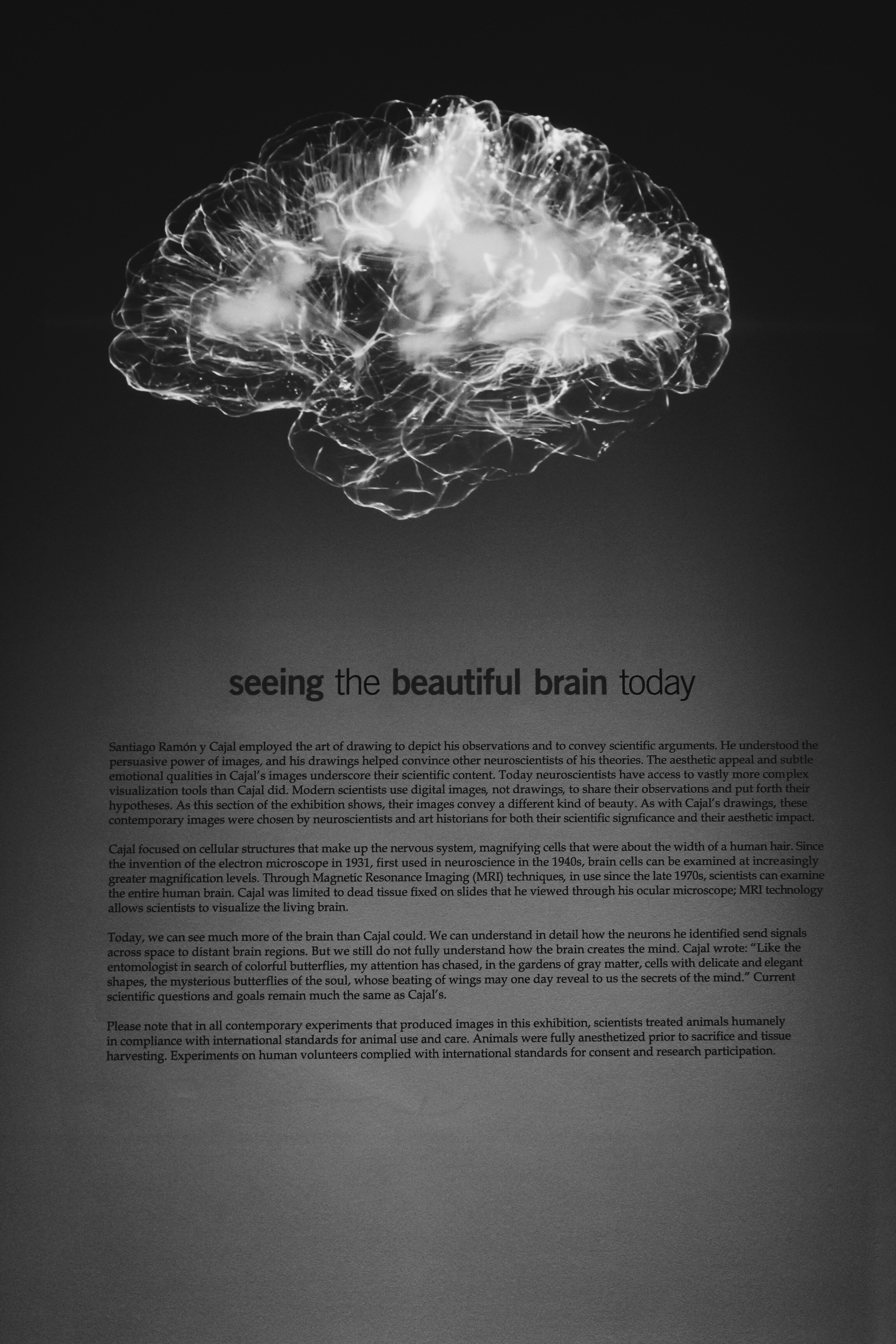
Introduction to Brain-Scale Simulation
Brain-scale simulation refers to the endeavor of emulating the functional processes of the human brain through advanced computing hardware. This research aims to recreate the complexities of brain activity, including neural connections, synaptic transactions, and the overall information processing that occurs within the biological framework of the brain. As an interdisciplinary field, it merges concepts from neuroscience, computer science, and engineering, fostering an environment ripe for innovation and discovery.
The significance of brain-scale simulation extends beyond mere academic interest. By successfully simulating the brain’s functionality, researchers aim to enhance our understanding of neurobiological processes, leading to potential breakthroughs in various domains, including artificial intelligence, neurodegenerative disease treatment, and cognitive enhancement. In particular, the insights gained could inform the development of more sophisticated neural networks and computer systems that mimic human-like decision-making and learning capabilities.
The potential applications of brain-scale simulations are vast. In medicine, such simulations could pave the way for new therapeutic strategies to combat neurological disorders, allowing for patient-specific treatment protocols tailored to individual brain activity patterns. In the realm of artificial intelligence, improved understanding of human cognition could inspire novel algorithms that better replicate human thought processes, ultimately advancing machine learning technologies. Moreover, these simulations may contribute to advancements in understanding consciousness and the fundamental nature of human experience.
This burgeoning field, however, is accompanied by significant technical challenges. Current hardware capabilities are continually evolving, making it imperative for researchers to assess whether existing computational resources are sufficient for achieving realistic and scalable brain simulations. As we delve deeper into the possibilities and limitations of brain-scale simulation, it is evident that this area holds remarkable promise for both scientific inquiry and technological advancement.
Current State of Neuroscience and Computing Technologies
The intersection of neuroscience and computing technologies has witnessed remarkable advancements over the past few years, shaping our understanding of the brain while pushing the boundaries of computational capabilities. Neuroscience research has significantly deepened our insights into neural processes, which are foundational for constructing more accurate brain models. The increasing complexity of these experimental frameworks necessitates high-performance computing systems capable of processing vast amounts of data rapidly.
Current computing technologies are characterized by impressive processing power, often measured in teraflops (trillions of floating-point operations per second). This computational capability is crucial as it supports sophisticated simulations and the analysis of large datasets derived from neural activities. Cutting-edge architectures, such as Graphics Processing Units (GPUs) and specialized hardware like Tensor Processing Units (TPUs), enhance the simulation of neuronal networks, providing a clearer understanding of brain dynamics. These advancements enable researchers to model specific brain functions more accurately, although challenges remain in scaling these systems to full brain simulations.
However, the limitations of existing models must be acknowledged. Current technologies often fall short of replicating the full intricacies of human brain functions. For instance, while machine learning algorithms can recognize patterns, they lack the nuanced understanding inherent in biological processes. Furthermore, data storage capabilities, though significantly improved, struggle with the massive volumes required to simulate the intricacy of brain activities effectively. Expanding our storage solutions and refining simulation algorithms are vital steps in bridging the gap between neuroscience and computing. The synergy between these fields continues to evolve; nonetheless, achieving a fully functional brain-scale simulation remains an ongoing challenge, necessitating further breakthroughs in both neuroscience and computing technologies.
Understanding the Complexity of the Human Brain
The human brain is an extraordinarily complex organ, composed of approximately 86 billion neurons interconnected through trillions of synaptic connections. This intricate network allows for a vast range of cognitive functions, yet it also presents formidable challenges for any attempt to simulate it at brain-scale. Each neuron operates not as an isolated entity but as part of a larger, dynamic system where communication occurs through electrical impulses and chemical signaling, contributing to the overall functionality of the brain.
In exploring brain-scale simulation, one must consider not only the sheer number of neurons but also the diversity among them. Neurons can vary significantly in terms of type, shape, and function, leading to a complex interplay that governs neuronal firing patterns and signal transmission. To accurately model these biological processes within a simulation framework requires immense computational power and sophisticated algorithms, capable of mimicking the subtle nuances of neural interaction.
Moreover, the requirement for real-time processing adds another layer of difficulty. For a simulated brain to be functional or useful, it must exhibit real-time responsiveness comparable to that of a biological brain. This involves not just simulating neuronal activity but also integrating sensory inputs and executing motor outputs seamlessly, thereby reflecting the dynamic nature of human cognition.
The challenges of simulating the human brain are further compounded by the necessity of incorporating the various biochemical processes, oscillatory dynamics, and plasticity mechanisms that are pivotal for functional networks. Thus, understanding the complexity of the human brain is not merely an academic endeavor; it is at the core of advancing simulation technology that might one day replicate brain-like behavior in artificial systems.
Current Hardware Capabilities for Brain Simulation
The progress toward brain-scale simulation has heavily depended on advancements in computing hardware. Presently, the leading technologies in this domain include supercomputers, neuromorphic chips, and quantum computers, each offering distinct advantages and facing unique limitations in their capacity to replicate neural processes.
Supercomputers, such as the Fugaku and Summit, are among the most powerful tools available for brain simulation. These systems utilize massive parallel processing capabilities that can handle extensive data sets and complex calculations required to model brain activity. However, while they excel at numerical simulations, they often struggle with the energy efficiency and speed required for real-time processing associated with neural computations.
On the other hand, neuromorphic chips, which are designed to mimic the neural structure of the human brain, hold significant promise. These chips operate more efficiently by processing information in a manner similar to biological neurons, allowing them to execute parallel processing tasks with lower power consumption. For instance, IBM’s TrueNorth and Intel’s Loihi represent significant strides in this direction. They enable the simulation of neural networks but often face limitations in programmability and scalability, particularly when approaching the complexity of human brain connections.
Lastly, quantum computers are emerging as an innovative avenue for brain simulation. By leveraging quantum bits (qubits) to perform calculations at unparalleled speeds, they have the potential to tackle problems currently insurmountable by classical computers. Nevertheless, quantum technology is still in its infancy, grappling with challenges related to qubit coherence, error rates, and the lack of suitable algorithms for brain simulation.
Understanding the capabilities and constraints of these current hardware technologies is essential as research continues to explore the possibilities of achieving effective brain-scale simulation. Each of these hardware solutions plays a crucial role in paving the way for more advanced computational models in neuroscience.
Recent Breakthroughs in Brain Simulation Research
In recent years, the field of brain simulation research has made significant strides, primarily through initiatives like the Human Brain Project (HBP) and OpenWorm. These projects have adopted innovative methodologies aimed at facilitating our understanding of brain function and structure through computational models.
The Human Brain Project, launched by the European Commission in 2013, aims to create a comprehensive simulation of the human brain. This project focuses on integrating neuroscience data, computer science, and advanced computing technology to develop high-level simulated models. One of the critical aspects of the HBP is its use of supercomputers capable of processing vast amounts of data quickly. By employing a multi-scale approach, researchers aim to simulate brain processes at various levels, from molecular to systemic functioning. Recent successes in modeling the cortical layer and connections within the brain demonstrate promising steps toward realizing highly detailed brain simulations.
On the other hand, OpenWorm represents a unique endeavor focused on creating a digital model of the roundworm Caenorhabditis elegans. This project emphasizes open-source methodologies and collective research contributions. By mapping the entire neural circuitry of this simple organism and simulating its behavior, OpenWorm serves as a valuable tool for understanding the foundational principles of neural function and reconceptualizing brain-scale simulation. This model encompasses not only the structure and connectivity of neurons but also integrates aspects of the organism’s behavioral responses to various stimuli.
These pioneering projects collectively offer insights that may significantly enhance future brain-scale simulations. By leveraging advanced computational techniques and collaborative frameworks, researchers can better simulate brain activity, ultimately pushing us closer to achieving our goal of fully understanding and replicating the complexities of human brain processes.
The Role of AI and Machine Learning in Brain Simulation
Artificial intelligence (AI) and machine learning (ML) are revolutionizing various fields, and brain simulation is no exception. The incorporation of these advanced computational techniques plays a vital role in enhancing the accuracy and efficiency of models that seek to replicate the complexities of the human brain. Traditional methods of brain simulation often struggle with the intricate nature of neural processes, but AI and ML provide new avenues for improvement.
One of the most significant contributions of AI to brain simulation is its ability to analyze large datasets. Brain research generates massive amounts of data from neuroimaging, electrophysiological recordings, and other diagnostic tools. Through machine learning algorithms, researchers can identify patterns and correlations within this data that might remain hidden through conventional analysis methods. This capability allows for the creation of more precise simulations that account for individual variability in neural architecture and function.
Moreover, ML techniques can enhance the dynamism of simulations by enabling adaptive learning. By applying reinforcement learning or other types of ML, simulations can adjust their parameters based on real-time feedback from experimental data. This process improves the fidelity of the representations of neural behavior and interactions, allowing for more robust predictions about brain performance under varying conditions.
AI also accelerates the simulation process, significantly reducing the computational power and time required. With advanced algorithms, complex simulations that traditionally might have taken weeks or months can often be completed in a fraction of the time. This advantage allows researchers to explore more extensive and more intricate models, further pushing the boundaries of our understanding of the brain.
In summary, the integration of AI and machine learning into brain simulation efforts is a transformative development in neuroscience. These techniques provide greater modeling accuracy and improved simulation efficiency, propelling researchers closer to achieving comprehensive brain-scale simulations with current hardware.
Ethical Considerations and Challenges
The prospect of achieving brain-scale simulation with current hardware raises numerous ethical concerns that warrant careful consideration. One of the most pressing issues is the implications of simulating consciousness. If we successfully create an artificial representation of human cognition, questions arise regarding the rights and recognition of such entities. Should these simulated beings be granted rights akin to those of biological humans, given that they may possess characteristics of consciousness? The moral ramifications of creating a digital version of human cognition are profound, as society must grapple with the potential for suffering and autonomy within these simulations.
Data privacy is another significant concern in the context of brain-scale simulations. As advancements in technology allow for more intimate access to human thoughts and behaviors, the integrity and confidentiality of individual data may be jeopardized. The intricacies of human cognition mean that any breach of this information could have severe consequences. Establishing clear guidelines and regulations around data ownership, consent, and the implications of misuse is vital to ensure that individual rights are maintained.
Additionally, there are moral dilemmas surrounding the potential misuse of brain-scale simulation technology. The creation of digital minds capable of experiencing sensations, emotions, and thoughts suggests a responsibility that goes beyond mere technical achievement. Concerns over how this technology could be weaponized or exploited for profit highlight the need for ethical frameworks to govern its application. The balance between scientific innovation and ethical accountability poses a challenge that cannot be overlooked, as it has far-reaching implications for future generations.
The convergence of neuroscience and technology necessitates comprehensive discussions about these ethical considerations. Careful deliberation on the ramifications of brain-scale simulation will be crucial to ensure that advancements in this area contribute positively to society while mitigating potential risks associated with creating artificial consciousness.
Future Prospects: How Close Are We Really?
The prospect of achieving brain-scale simulation is an endeavor that encompasses a myriad of interdisciplinary challenges and advancements in current hardware capabilities. Experts in computational neuroscience have posited that advancements in technology could significantly shorten the timeline for realizing this ambitious objective, with some estimates suggesting we may reach functional brain simulations within the next two decades. However, this optimistic outlook is tempered by the complexities involved in replicating neural processes.
One crucial aspect of this research is the existing hardware limitations. Modern supercomputers, while powerful, often fall short of achieving the energy efficiency and speed required to simulate complex biological processes in real time. Researchers are frequently turning to neuromorphic computing as a potential solution. This type of computing mimics the architecture of the human brain, potentially allowing for more efficient and faster simulations. Yet, the deployment of neuromorphic systems on a large scale is still an emerging field, necessitating significant investment and research.
Additionally, a standardized methodology for simulating neural circuitry is yet to be fully established. The human brain comprises approximately 86 billion neurons interlinked by trillions of synapses, making it crucial to ascertain accurate modeling techniques. Progress in this area hinges not only on hardware advancements but also on interdisciplinary collaboration between neurologists, computer scientists, and engineers. Efforts such as the Human Brain Project exemplify this approach by fostering international partnerships aimed at neuroscientific research and brain simulation.
As we gaze into the future, it becomes increasingly essential for the scientific community to address these technological hurdles proactively. By prioritizing research in both computational techniques and hardware development, we may inch closer to realizing the dream of brain-scale simulation, which could revolutionize our understanding of the brain and pave the way for groundbreaking innovations in medicine and artificial intelligence.
Conclusion and Final Thoughts
As we reflect on the journey toward achieving brain-scale simulation, it is evident that we stand at a critical juncture. Throughout this discussion, we have explored the intricate relationship between neuroscience and advanced computational techniques, which are pivotal in driving this innovative frontier. The complexities of the human brain present unparalleled challenges, but the ongoing advancements in hardware capabilities and algorithmic sophistication are paving the way for significant breakthroughs.
Importantly, the exploration of brain-scale simulation is not merely a scientific endeavor. It holds profound implications for various fields, including artificial intelligence, cognitive science, and even philosophy. Unlocking the secrets of brain functionality through simulation could enhance our understanding of neurodegenerative diseases and brain injuries, ultimately leading to improved therapeutic interventions.
Despite the challenges we face, the collective efforts of researchers, engineers, and neuroscientists will be crucial in pushing the boundaries of what is achievable with current hardware. The integration of innovative computing paradigms, such as neuromorphic computing and quantum computing, alongside traditional methods, raises the potential for unprecedented advancements in simulating the brain’s complexities.
In conclusion, while we are not yet at a stage where a complete brain-scale simulation is fully realizable, the pathway is becoming clearer. Continued dedication to overcoming both technical and theoretical obstacles will accelerate our progress. As we move forward, fostering collaboration among interdisciplinary teams will be essential, as the journey towards a comprehensive brain simulation remains at the forefront of scientific inquiry, promising a future rich with possibilities for understanding the brain’s myriad functions.