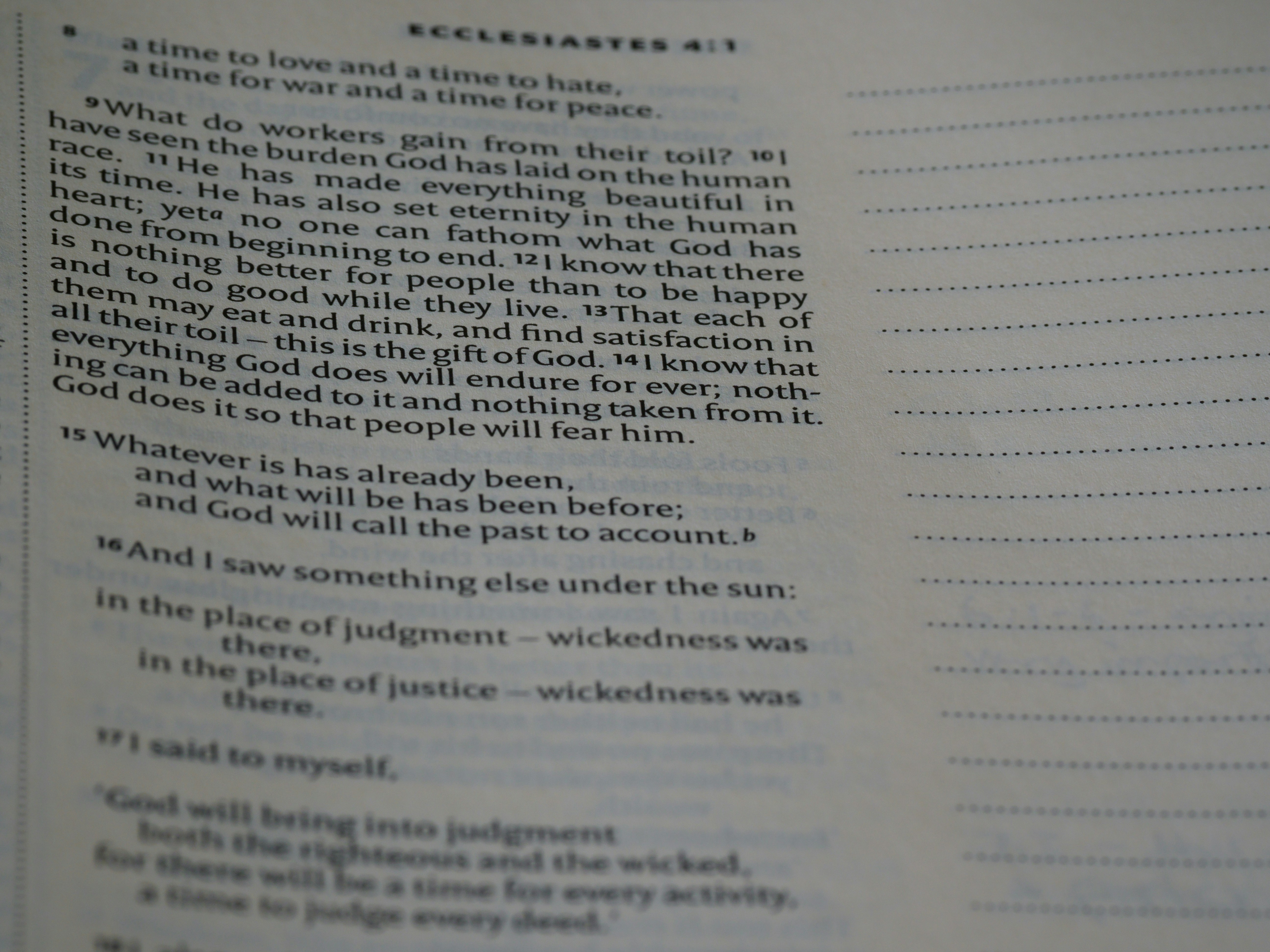
The Concept of Original Sin
The concept of original sin is a foundational element within Judeo-Christian theology, originating primarily from interpretations of the traditional Biblical narratives, particularly the accounts found in the Book of Genesis. This doctrine suggests that humanity inherited a fallen nature from the first humans, Adam and Eve, who disobeyed God’s command in the Garden of Eden. Consequently, this disobedience led to their expulsion from paradise, symbolizing the initiation of estrangement between humanity and the divine.
Original sin serves as a theological explanation for the inherent tendency towards sinfulness that many believe characterizes human nature. It posits that individuals are born not just with the capacity to sin but are predisposed to it due to the transgressions of their ancestors. This idea has profound implications for understanding morality, ethics, and the human condition itself, as it suggests that each person enters the world with a moral defect that requires redemption.
Throughout history, the notion of original sin has exerted considerable influence over various aspects of society, including norms, laws, and cultural values. It has shaped the discourse on human morality, often leading to the belief that true goodness is unattainable without divine intervention. Different interpretations of this concept exist across various denominations, and the implications stretch beyond individual morality to influence broader existential questions about purpose and accountability in a flawed world.
Engaging with the implications of original sin allows for a richer dialogue on existence itself. As we explore whether existence could be seen as the original sin, we must confront the nuances of human nature, our moral framework, and the inherent qualities that define our being. This exploration promises to unravel the intricate connections between existence and the moral challenges it presents.
Existence in Philosophy: A Brief Overview
Philosophy has long grappled with the intricate concept of existence, with various thinkers providing a range of interpretations that often reflect their cultural and temporal contexts. Existentialism, a prominent philosophical movement, places existence at the forefront of its discourse, emphasizing individual experience and the inherent absurdities of life. Thinkers such as Jean-Paul Sartre argue that existence precedes essence, suggesting that individuals define their own meaning and purpose in a world devoid of intrinsic value. This perspective invites a profound exploration of personal responsibility and the implications of freedom as one confronts the existential void.
Conversely, metaphysical debates regarding the nature of being and nothingness raise crucial questions about existence itself. Philosophers like Martin Heidegger shift focus towards the ontology of being, exploring what it means “to be”. His work posits that understanding existence involves not only the physical components of the world but also a contextual appreciation of temporality and human experience. This ontological inquiry has stirred numerous dialogues about the interconnectedness of existence, consciousness, and reality.
Furthermore, various philosophical traditions, such as Eastern philosophies like Buddhism, approach existence from a different angle, highlighting the concept of impermanence and the interconnectedness of all beings. In contrast to the Western emphasis on individualism, these traditions often perceive existence as a cycle of suffering, urging adherents to seek enlightenment and liberation from the cycle of birth and rebirth.
In sum, the exploration of existence within philosophy reveals a vast and intricate landscape of thought. From existentialist concerns about individual meaning to metaphysical inquiries into the very nature of being, philosophy offers a rich tapestry of perspectives that continuously engage with the existential questions that define human experience.
Theological Perspectives on Existence
The discourse surrounding existence presents a fascinating tapestry of theological interpretations that consider existence itself as a potential original sin. Ancient texts and contemporary theological thought often deliberate on the intricate relationship between being and sin, viewing existence not simply as a state, but rather as an embodiment of cosmic implications.
From a Judeo-Christian standpoint, the concept of original sin often emerges from the narrative of the Fall in the Garden of Eden. The act of disobedience by Adam and Eve, leading to their expulsion, reverberates through theological debate, raising pertinent questions about the nature of mankind’s existence. Notable theologians, such as Augustine of Hippo, have asserted that human existence is marred by this inherent sin tied to our first parents’ actions, positing that existence itself can be seen as a consequence of sin.
Conversely, some interpretive traditions suggest that existence is not inherently sinful but a divine manifestation. This perspective is particularly evident in Eastern Orthodox theology, which emphasizes the potential for humans to achieve theosis, or union with God, through their existence. The synergy of human will and divine grace creates a narrative that sees existence as a pathway to redemption rather than a burden of sin.
Moreover, modern existential theologians grapple with the duality of existence, contemplating it as both a gift and a challenge laden with moral responsibilities. This aligns with existentialist philosophy, where the essence of being prompts introspection about the ultimate purpose of life. Such discourse influences the contemporary understanding of humanity’s place in the cosmos, inviting reflections on existential meaning and the moral implications of human existence.
In conclusion, the theological perspectives on existence present a rich dialogue that underscores the complexities of sin and being. These interpretations shape our understanding of life’s purpose, encouraging ongoing exploration of humanity’s role within the divine tapestry of existence.
Existence and Suffering: A Human Condition
Throughout history, the intricate relationship between existence and suffering has been a topic of profound philosophical and theological exploration. Many schools of thought, including various religions and philosophies, have consistently highlighted the idea that suffering is an inherent aspect of human existence. This notion suggests that to live is to confront suffering in its myriad forms, whether physical, emotional, or existential.
From a Buddhist perspective, suffering, or “dukkha,” is a fundamental characteristic of existence. This belief posits that suffering arises from attachments and desires, leading individuals to cyclical patterns of birth, death, and rebirth. To escape this cycle, one must attain enlightenment, which represents the cessation of suffering. Thus, in Buddhism, existence is inescapably linked to suffering, emphasizing the significance of transcending it to achieve true liberation.
Similarly, in Christian theology, suffering is often viewed as a consequence of original sin, which is believed to affect all aspects of creation. The Fall of Man, as described in the Book of Genesis, introduces the idea that human beings, by virtue of their existence following this original transgression, are predisposed to suffering and moral failings. In this framework, existence is intertwined with sin, framing suffering not just as a personal experience but also as a shared human condition stemming from a collective fall from grace.
Philosophically, thinkers such as Arthur Schopenhauer have argued that existence itself is a source of suffering. He contended that life is characterized by unending desire and dissatisfaction, suggesting that the essence of existence incurs suffering. This viewpoint encourages the contemplation of existential questions about the nature of life and the human experience, emphasizing that being alive inherently involves grappling with suffering.
Ethics and Morality: The Consequences of Existence
The concept of existence as original sin permeates various ethical and moral frameworks, prompting significant reflections on the implications of being. It posits that the mere act of existing carries inherent moral dilemmas, as it often leads individuals to confront the burdens of responsibility, choice, and their consequences. The philosophical inquiry into existence raises crucial questions about the nature of good and evil, inspiring diverse interpretations rooted in cultural, religious, and existential perspectives.
In many traditions, existence is seen as a trial filled with moral challenges. For example, in some Eastern philosophies, the individual’s duty is intimately linked to the notion of karma, where every action reverberates through the cycle of life and death. Here, existence itself is not just a backdrop but a core element that influences ethical conduct, emphasizing compassion and interconnectedness. Conversely, in Western perspectives, particularly those influenced by Judeo-Christian values, existence is frequently associated with the burden of original sin, which necessitates a redemptive understanding of morality and ethical action.
The moral dilemmas stemming from existence manifest in various forms, often leading individuals to question their own ethical frameworks. The tension between self-interest and altruism is a prime example, as the act of living necessitates decision-making that can either promote individual well-being or harm others. Different cultures have arrived at varied resolutions to these dilemmas, navigating the balance between individual autonomy and collective responsibility.
Moreover, the implications of existence challenge individuals to reflect on the impact of their actions within a broader societal context. Ethical conduct is often encouraged through the acknowledgment of one’s existence affecting not only personal relationships but also the larger community. This interconnectedness calls for a reevaluation of morality as a dynamic construct, shaped by the complexities of existence itself and the continuous quest for meaning beyond mere survival.
Existentialism: A Response to Original Sin
Existentialist philosophy, particularly as articulated by prominent thinkers such as Jean-Paul Sartre and Albert Camus, presents a compelling counter-narrative to the theological concept of original sin. Central to existentialism is the exploration of human existence, emphasizing the individual’s quest for meaning in a universe that often appears indifferent to our struggles and aspirations.
Sartre famously posited that “existence precedes essence,” suggesting that individuals are not born with a predetermined purpose. Instead, they must forge their own identities through choices and actions. This perspective critically undermines the notion of original sin, which implies a shared guilt that precedes individual existence. Under existentialism, each person is accountable for their own actions and the meanings they construct, rather than being inherently flawed from the onset of life.
Similarly, Albert Camus’s exploration of the absurd reflects a profound engagement with existence itself. In works such as “The Myth of Sisyphus,” Camus illustrates the struggle against a meaningless universe. Instead of viewing existence as a fall from grace, he advocates for an embrace of life’s inherent absurdity. Thus, rather than falling prey to despair, individuals can find liberation in the acknowledgment that they possess the power to create their own significance.
Through these frameworks, existentialists argue against the deterministic implications of original sin. They assert that individuals have the freedom and responsibility to shape their destinies, implying that it is not existence that is sinful, but the failure to recognize and respond authentically to the circumstances of one’s life. By rejecting the notion of original sin, existentialism champions the idea that humanity can rise above imposed limitations and cultivate personal meaning amid an otherwise indifferent cosmos.
Existence and Redemption: Can We Overcome Original Sin?
The concept of original sin, in some philosophical and theological perspectives, serves as a profound reflection on the nature of existence. This idea posits that the very condition of being alive comes with inherent burdens, implications that carry consequences affecting both the individual and the collective. In this light, redemption emerges as an essential theme, raising the question of whether it is possible, or even necessary, to transcend the limitations imposed by our existence.
Different beliefs offer diverse pathways to redemption, reflecting a spectrum of understandings about the human condition. In Christianity, for instance, redemption is intricately linked to faith, grace, and the teachings of Christ. The notion suggests that through sincere repentance and acceptance of divine grace, individuals can overcome their sinful nature and achieve salvation. This path is characterized by a personal relationship with the divine, emphasizing the transformative power of love and forgiveness.
Conversely, existential philosophies might advocate for personal responsibility and authenticity as mechanisms for overcoming the burden of existence. They assert that by confronting our absurd realities and making conscious choices, individuals can carve their own paths to meaning and redemption. In this philosophical framework, redemption is not a divine gift but a self-generated process, achieved through the courage to embrace one’s freedom and inherent limitations.
Moreover, Eastern philosophies, such as Buddhism, present an alternative perspective on redemption through the concepts of enlightenment and the cessation of suffering. Here, the objective is to transcend the cyclical nature of existence, recognizing that attachment and desire often lead to spiritual discontent. Through practices like meditation and mindfulness, individuals seek to attain a state of liberation, thus overcoming the existential weight they bear.
In essence, the quest for redemption amidst the burdens of existence takes myriad forms across different cultures and belief systems. Whether through divine grace, personal agency, or contemplative practices, the pursuit of redemption remains a significant element in the human experience, reflecting our desire to transcend the original sin of existence itself.
Contemporary Views: Is Existence Beneficial or Detrimental?
Modern debates regarding existence often reflect a wide spectrum of thought, encompassing philosophical, scientific, and sociological perspectives. The inquiry into whether existence is inherently beneficial or detrimental has engaged various thinkers, each presenting distinct arguments contributing to this multifaceted dialogue.
From a philosophical standpoint, existentialists argue that existence is neutral; individuals imbue it with meaning through their choices and actions. Jean-Paul Sartre famously posited that “existence precedes essence,” suggesting that the act of living allows one to define their essence rather than being bound by predetermined notions of being. This perspective champions the idea that existence provides the canvas upon which life is painted, rather than a flawed or sinful construct.
Conversely, some philosophers delve into the darker aspects of existence. Schopenhauer, for instance, considered existence to be a source of suffering, viewing life as substantially flawed. He believed that desires and aspirations inevitably lead to dissatisfaction, making existence appear burdensome. This pessimistic viewpoint raises compelling questions about the nature of life and existence’s inherent qualities.
Scientific perspectives also contribute valuable insights into this discussion. Psychology reveals that positive psychological constructs, such as meaning and purpose, can lead to beneficial outcomes for individuals, suggesting that existence can be favorable when perceived through a lens of growth and resilience. Similarly, sociological research indicates that social connections and shared experiences can enhance the quality of existence, showcasing the potential for existence to foster community and belonging.
In summary, the contemporary views on existence are diverse and complex, drawing from a wealth of disciplines that highlight both the advantages and challenges of being. While some argue existence is inherently flawed or even sinful, others recognize its potential for richness and meaning, illustrating the dynamic nature of this ongoing debate.
Conclusion: Reassessing Existence in Context of Original Sin
The exploration of the relationship between existence and original sin reveals profound insights into human nature and the overarching quest for meaning. Throughout the previous sections, we have delved into the concept of existence as a potential breeding ground for original sin. This is often viewed through the lenses of various philosophical, theological, and psychological frameworks. It becomes essential to reflect on how existence itself—far from being merely neutral—can be perceived as an inherent conflict embedded within the human experience. The implications of this perspective challenge the typical narrative that original sin solely originates from a transgression in the Garden of Eden.
A critical reassessment allows for a deeper understanding of human flaws and virtues, illustrating that the struggle for meaning may itself be a byproduct of the existential condition. As individuals grapple with the burdens of existence, they are inevitably confronted with the moral complexities that arise from such awareness. This confrontation leads to the questioning of one’s role in the larger tapestry of life, pushing individuals toward a more profound consciousness that transcends mere survival.
Furthermore, recognizing existence as intertwined with original sin can invite a sense of solidarity in the human struggle. It suggests that the journey towards redemption may not only be about overcoming sin but also about embracing the vulnerabilities attached to being human. This nuanced understanding emphasizes compassion towards oneself and others in the context of shared human flaws and aspirations. By reframing the dialogue around existence and original sin, one may unearth transformative paths towards personal and collective meaning.