Introduction to Suffering and Existence
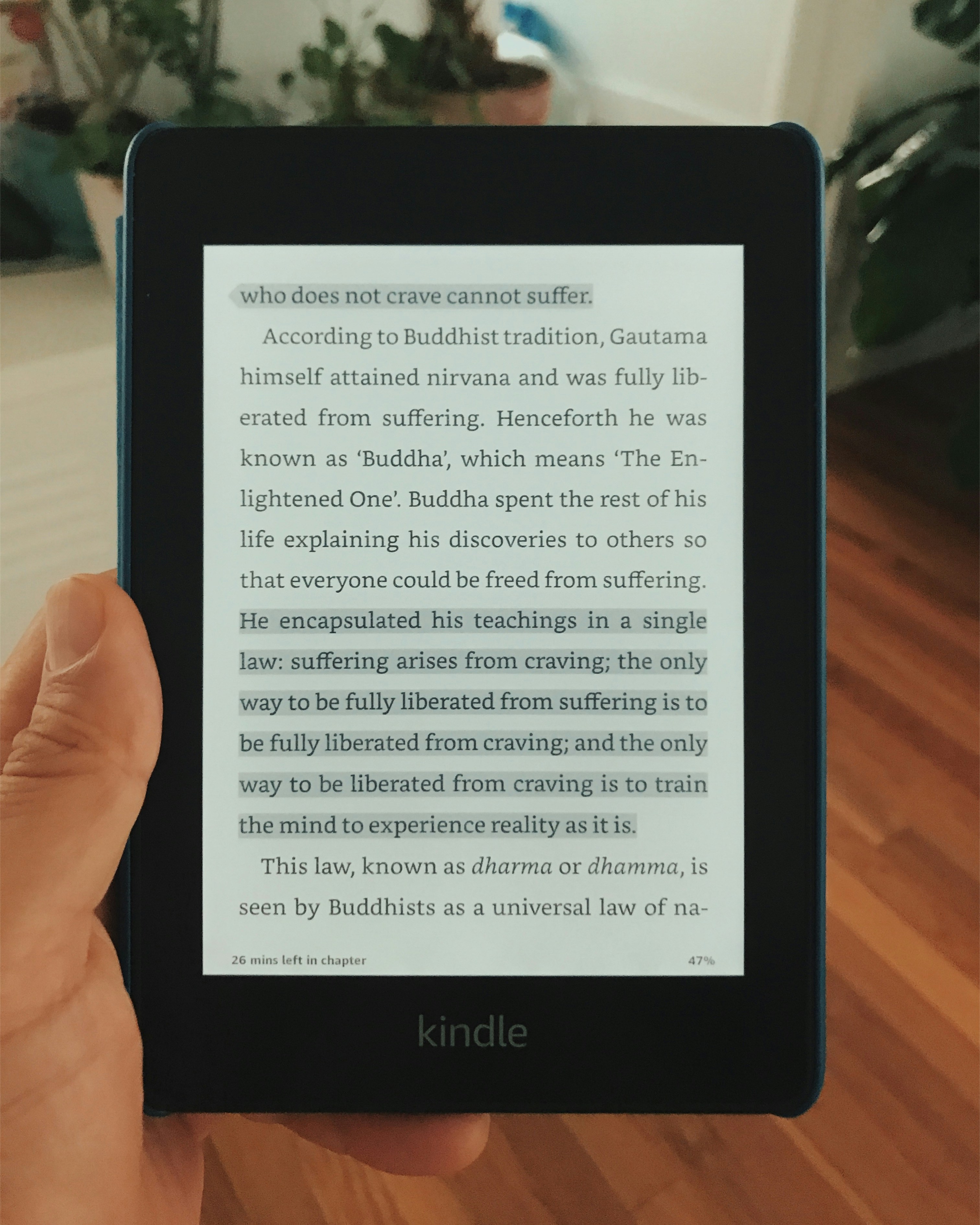
Suffering has long occupied a central role in philosophical discourse, prompting questions about its relationship to existence itself. Various cultural and philosophical traditions offer differing interpretations of suffering and its significance in the human experience. For instance, in Eastern philosophies such as Buddhism, suffering is regarded as an intrinsic aspect of life, intricately tied to the nature of desire and attachment. The First Noble Truth of Buddhism states that life is characterized by suffering (dukkha), suggesting that recognizing and acknowledging suffering is essential for attaining enlightenment.
Conversely, Western philosophical thought often grapples with the existential implications of suffering. Existentialist thinkers like Jean-Paul Sartre and Friedrich Nietzsche contend that suffering can serve a transformative purpose, prompting individuals to create their own meaning in a seemingly indifferent universe. Nietzsche’s concept of “amor fati” or love of fate, posits that embracing suffering can lead to personal growth, ultimately enriching one’s existence.
From a psychological perspective, suffering, particularly in the form of emotional pain, can be viewed as a catalyst for self-discovery and empathy. Prominent psychologists argue that navigating through hardship can foster resilience and deeper human connections. The idea that suffering has a constructive function invites a critical examination of whether an existence devoid of suffering would also lack significance.
As we explore this complex relationship between suffering and existence further, we aim to uncover whether it is possible to alleviate suffering without sacrificing the depth and meaning of life. This inquiry raises important questions that have captivated philosophers, theologians, and psychologists alike, challenging us to reflect on our own understanding of suffering and its place in our lives.
Historical Perspectives on Suffering
The concept of suffering has been a subject of contemplation since ancient times, shaping various philosophical and religious frameworks. In many ancient civilizations, suffering was often understood through a cosmological lens. For instance, the ancient Greeks viewed suffering as an integral part of the human condition, deeply embedded in the narratives of their mythology and literature. Figures such as Homer depicted suffering not merely as a source of pain but as a catalyst for character development and wisdom.
Religious perspectives have heavily influenced the interpretation of suffering. In Buddhism, the very foundation of the philosophy rests on the understanding of suffering, encapsulated in the Four Noble Truths, which identify the existence of suffering as a fundamental aspect of life. Buddha taught that understanding the nature of suffering and its causes is essential for liberation from the cycle of rebirth, encouraging followers to transcend worldly attachment through mindfulness and compassion.
In stark contrast, Friedrich Nietzsche perceived suffering as a vital force for creativity and empowerment. He famously asserted that “what does not kill me makes me stronger,” suggesting that grappling with suffering can lead to personal transformation and the affirmation of life. Nietzsche’s existential perspective challenged traditional moral frameworks, encouraging individuals to embrace suffering as a means of realizing their true selves.
Moreover, Søren Kierkegaard, often regarded as one of the forerunners of existential thought, viewed suffering through a religious lens. He posited that true understanding comes from confronting existential despair. Kierkegaard argued that it is through suffering that individuals can achieve a deeper relationship with the divine, as it compels one to acknowledge the limitations of human existence and the necessity of faith.
These historical perspectives reveal that interpretations of suffering have significantly evolved, shaping individual and collective understandings of existence. By reflecting on these varied philosophies, societies are better equipped to navigate the complex nature of suffering in contemporary times.
Psychological Impacts of Suffering
Suffering, both physical and emotional, plays a significant role in shaping an individual’s mental health. The psychological impacts of suffering can be profound, often leading to distress, anxiety, and depression. Conversely, enduring suffering can also foster resilience and personal growth. This duality highlights the complex relationship between suffering and psychological well-being.
Researchers have long examined how different types of suffering affect mental health. For instance, chronic physical pain can lead to significant psychological distress, exacerbating conditions such as anxiety disorders and depressive episodes. Emotional suffering, stemming from loss, trauma, or grief, also contributes to a decline in mental health and overall quality of life. Individuals experiencing such suffering often report feelings of isolation, helplessness, and emotional numbness, indicating that suffering’s psychological toll is substantial.
However, some psychological theories provide alternative perspectives on suffering. Viktor Frankl’s exploration of meaning in suffering posits that individuals can find purpose even amidst their pain. In his seminal work, “Man’s Search for Meaning,” Frankl suggests that suffering itself can be an impetus for personal development. By reframing suffering as a catalyst for growth, individuals can cultivate resilience and a deeper understanding of their existence. This act of finding meaning allows individuals to navigate their suffering more effectively, transforming it into a source of personal strength.
In summary, while suffering undeniably impacts mental health, its relationship with resilience and personal growth cannot be overlooked. Understanding the psychological implications of suffering provides valuable insights into how individuals can confront and transcend their challenges, potentially leading to enriched lives despite their hardships.
The Biological Perspective on Suffering
Suffering, from a biological standpoint, encompasses the experience of pain and distress that organisms undergo in reaction to harmful stimuli. This concept is intricately tied to the survival mechanisms fundamental to all living beings. Pain functions as a crucial alert system; it warns an individual of potential injury or illness, prompting timely responses to avoid greater harm. The biological basis of suffering can be seen as an evolutionary adaptation that has shaped the survival strategies of species over millennia.
The nociceptive pathways—nerve pathways that signal injury—are a prime example of how suffering serves essential functions. These pathways transmit information about environmental dangers to the brain, leading to both immediate and long-term behavioral adjustments that promote survival. For instance, the reflexive withdrawal from a harmful stimulus is a swift response to pain designed to minimize injury. Thus, suffering can be interpreted as a protective mechanism, crucial for the maintenance of health and well-being.
Furthermore, evolutionary psychology posits that suffering can serve broader purposes within social contexts. Experiences of pain and distress can foster empathy and strengthen communal bonds among individuals. When one person suffers, it often evokes responses from others, encouraging supportive behaviors that are vital for group cohesion. Therefore, while the biological perspective emphasizes that suffering can arise from inevitable physiological processes, it also acknowledges the social dimensions of pain, suggesting that its negative aspects might be counterbalanced by positive social repercussions.
However, contemporary discussions challenge whether experiencing suffering is an unavoidable aspect of existence or a byproduct of certain biological processes that could be modified. With advancements in medical science and mental health, the potential to alleviate suffering raises questions about the necessity of pain for a meaningful human experience. This invites further inquiry into the extent to which suffering contributes to personal growth and resilience versus being an experience that could be minimized without sacrificing the richness of life.
Modern philosophy has increasingly turned its attention towards the complex relationship between suffering and the human experience. Various philosophical movements, such as utilitarianism and effective altruism, present compelling arguments advocating for the alleviation or complete eradication of suffering. Utilitarianism, championed by philosophers like Jeremy Bentham and John Stuart Mill, seeks to maximize overall happiness and minimize pain. According to this doctrine, actions should be guided by their consequences, with the ultimate aim of achieving the greatest good for the greatest number. This ethical framework raises significant questions about the role of suffering in human life and implies that if suffering can be eliminated, then it should be pursued as a moral imperative.
Similarly, the concept of effective altruism promotes the idea that individuals can and should use their resources—be it time, money, or skills—to effectively reduce suffering. This movement encourages data-driven approaches to philanthropy, focusing on interventions that yield the highest positive impact. Proponents argue that by systematically addressing global issues such as poverty, disease, and animal suffering, we can work towards a future with markedly less suffering. Yet, this perspective invites scrutiny regarding the potential risks of oversimplifying complex human experiences. Can suffering, in some respects, not serve as a catalyst for personal growth and meaning?
Modern existentialist thought also engages with the theme of suffering, presenting a counter-narrative that suggests meaning can emerge from facing and overcoming struggles. Philosophers like Jean-Paul Sartre and Simone de Beauvoir contend that suffering is an inherent part of the human condition, shaping individual identity and purpose. While the quest to eliminate suffering acknowledges its detrimental effects, it may inadvertently undermine the existential understanding that embraces struggle as integral to authentic living. Thus, as we navigate these modern philosophical debates, we are invited to consider critically whether the pursuit of a suffering-free existence truly aligns with the search for meaning in life.
Cultural Relativism of Suffering
The concept of suffering is multifaceted and varies significantly across different cultures. Each society has developed its own framework for understanding, interpreting, and coping with suffering, which can profoundly impact the individual’s approach to pain and hardship. Cultural relativism plays a crucial role in how suffering is perceived and addressed, leading to distinct practices and beliefs that shape the human experience.
For instance, in many Indigenous cultures, suffering is often viewed as an integral part of the human journey, serving as a means for growth and spiritual development. Rituals and community support systems are commonly employed to alleviate individual suffering, reinforcing communal bonds while providing emotional assurance. The transition rites, such as those seen in various African cultures, exemplify how suffering can be ritualized and transformed into a communal experience of healing and renewal rather than an isolated burden.
Conversely, in Western societies, there tends to be a more individualized perspective on suffering, frequently associated with medical definitions and approaches. Here, psychological therapies, pharmaceuticals, and technological interventions are prominent methods for managing pain. The cultural emphasis on autonomy and personal responsibility can sometimes result in increased stigmatization of those who experience suffering, as they may be perceived as failing to cope effectively with life’s challenges.
Furthermore, Buddhist philosophies offer another lens through which to understand suffering, suggesting that it is an inherent aspect of existence. The Four Noble Truths acknowledge suffering as a universal experience, yet they also provide a framework for transcending it through mindfulness and ethical living. Such teachings emphasize the importance of acceptance and compassion, illustrating how cultural interpretations of suffering can lead to diverse coping mechanisms.
Ultimately, the cultural variances in the interpretation and management of suffering not only reflect the diversity of human experience but also highlight the profound ways in which meaning is derived from pain. This multiplicity suggests that while suffering may be an unavoidable aspect of existence, its interpretation and the resulting coping strategies are deeply influenced by cultural context.
Transformative Aspects of Suffering
Suffering is generally perceived as a negative experience; however, it can often lead to profound personal transformation. Throughout history, numerous individuals have emerged from their struggles not only unscathed but also with a deeper understanding of themselves and the world around them. For many, this journey through pain and hardship has acted as a catalyst that facilitated significant changes in their lives and priorities.
Consider the narratives of those who have battled serious illness. Many recount how facing mortality prompted a reevaluation of their life’s purpose, leading them to engage more meaningfully with their relationships and their passions. This transformative potential becomes particularly evident in various accounts from individuals who have turned their suffering into a driving force for change, not only in their own lives but also in the lives of others. Such transformations often ignite a newfound empathy towards others experiencing their own hardships, creating a ripple effect that promotes collective healing.
Another poignant example includes individuals who have endured traumatic events. These individuals frequently highlight how such experiences have shaped their identities, reinforcing resilience and fostering a commitment to helping others cope with similar tribulations. By sharing their stories, they become beacons of hope, inspiring those still navigating the depths of their suffering. Their triumph over adversity exemplifies the notion that pain can serve as a mentor, imparting invaluable lessons that might not have been learned otherwise.
Reflecting on personal experiences of suffering can be a deeply introspective process. It invites individuals to examine the ways in which their struggles have shaped their character, provided insights into life, or fueled their ambitions. Ultimately, suffering can possess a transformative power, capable of redefining meaning and purpose, instilling resilience, and promoting empathy. Through these reflections, individuals may discover that while suffering is an inherent part of the human experience, it is also a potential source of growth and transformation.
The Argument for a Meaningful Life Without Suffering
The conventional wisdom suggests that suffering is an inherent part of the human experience, integral to understanding life’s greater meanings. However, numerous philosophical and psychological frameworks challenge this premise, proposing that a fulfilling life can be achieved without the burden of suffering. One such framework is positive psychology, which emphasizes the cultivation of strengths and virtues that promote well-being. This paradigm shift encourages individuals to focus on positive experiences rather than merely treating psychological distress. By prioritizing happiness, people can create a life rich in meaning and satisfaction.
Another approach that underscores a meaningful existence devoid of suffering is mindfulness. Rooted in ancient contemplative practices, mindfulness teaches individuals to embrace the present moment and develop a non-judgmental awareness of their thoughts and emotions. This practice not only reduces stress but also fosters a deeper appreciation for life’s beauty. By accepting life as it is, rather than through the lens of ongoing struggle, individuals can discover meaning beyond the traditional narratives of suffering.
Moreover, contemporary philosophers argue that the requisite of suffering for meaning is a limiting belief. Thinkers such as Friedrich Nietzsche have claimed that it is through the embrace of life’s challenges that individuals find strength; yet, this does not preclude the notion that life can also be profoundly meaningful in the absence of hardship. The exploration of joy, connection, and love can yield personal insights and a sense of purpose equally valuable as those derived from pain.
As we ponder the future of human existence, it is crucial to contemplate the potential for a life enriched by positivity and devoid of suffering. This perspective is not merely an idealistic wish; it poses significant implications for psychological well-being and human development in contemporary society.
Conclusion: Reimagining Suffering and Existence
In exploring the complex relationship between suffering and existence, we have traversed various philosophical and psychological perspectives. It is evident that suffering has long been perceived as an inherent aspect of the human condition, often linked to the deeper search for meaning in life. However, the notion that suffering must be a given in our existence warrants further reflection. By contemplating the narratives surrounding pain and joy, we can begin to understand suffering not merely as a burden to bear but as a transformative element that shapes our experiences and insights.
This contemplation invites us to reconsider our perspectives on suffering. In many philosophies, suffering is viewed as a catalyst for growth, prompting resilience and fostering empathy. Yet, it is equally valid to explore whether such experiences are essential or if they can be understood as optional paths toward a fulfilling existence. The challenge lies in recognizing that while suffering can lead to personal development, it is not the sole avenue through which meaning can be derived. Instead, we can pivot toward embracing joy, connection, and creativity as equally significant contributors to our life narratives.
Encouraging a shift in thinking, we should aim to perceive life through a lens of possibility rather than limitation. This perspective advocates for a balanced view, wherein suffering and joy coexist, each enriching the tapestry of our lives. By acknowledging that both elements contribute to a rich, meaningful existence, we can empower ourselves to create conditions that minimize unnecessary suffering while celebrating the moments of joy that punctuate our journeys. In understanding this duality, we may ultimately find a deeper appreciation for the myriad experiences that define what it means to exist.