Introduction to Logistics and AI
Logistics is a complex process that involves the planning, implementation, and control of the efficient flow and storage of goods, services, and related information from the point of origin to the ultimate consumer. It encompasses various activities including transportation, warehousing, inventory management, and order fulfillment. In today’s globalized economy, logistics plays a crucial role in connecting suppliers, manufacturers, and customers, ensuring that products are delivered in a timely manner and at the right cost.
As industries evolve, the integration of artificial intelligence (AI) into logistics has emerged as a transformative force. AI encompasses a range of technologies, including machine learning, natural language processing, and robotics, which enables machines to analyze vast amounts of data, make decisions, and perform tasks that traditionally required human intervention. The application of AI in logistics is revolutionizing how businesses operate, leading to increased efficiency, reduced costs, and improved customer satisfaction.
The intersection of logistics and AI is particularly significant in optimizing the global supply chain. By leveraging AI tools and algorithms, organizations can anticipate demand, optimize delivery routes, manage inventory levels more effectively, and enhance supply chain visibility. This analytical approach enables businesses to respond swiftly to market changes, minimize delays, and allocate resources more efficiently. As a result, AI technologies are not merely augmenting logistics capabilities but are fundamentally reshaping the landscape of supply chain management.
This introduction sets the foundation for a deeper exploration of how AI is impacting logistics and highlights the importance of technological advancements in optimizing the global supply chain. The ability to harness AI-driven solutions will enable companies to not only stay competitive but also thrive in an increasingly complex and dynamic market environment.
The Importance of Supply Chain Optimization
Supply chain optimization is a critical component of modern business strategies, driving numerous benefits that significantly enhance operational efficiency. One of the primary reasons for focusing on supply chain optimization is the reduction of operational costs. By streamlining processes, companies can eliminate redundancies, reduce waste, and optimize resource allocation. For example, a major retailer might implement an AI-powered system to predict inventory needs more accurately, resulting in less overstock and decreased holding costs.
Another vital aspect is improving delivery times. In today’s fast-paced environment, customers expect quicker delivery of goods. By optimizing the supply chain, businesses can improve their logistics and transportation strategies. This improvement may involve leveraging technologies such as drone delivery, which has been adopted successfully by companies like Amazon, thus effectively shortening delivery windows and enhancing customer satisfaction.
Enhancing customer satisfaction is also a direct benefit of an optimized supply chain. When companies can consistently deliver products on time and respond swiftly to customer demands, they foster a stronger relationship with their clientele. For instance, companies like Zara have revolutionized their supply chain processes, allowing them to respond to fashion trends almost instantaneously, which keeps customers engaged and satisfied.
Moreover, increasing inventory efficiency is crucial in maintaining a competitive edge. A well-optimized supply chain ensures that inventory levels are matched closely with demand, minimizing both excess stock and stockouts. Companies such as Toyota exemplify efficiency in their supply chain practices, utilizing just-in-time inventory systems that significantly reduce lead times and associated costs.
AI Technologies in Logistics
Artificial Intelligence (AI) is becoming a cornerstone in the logistics sector, fundamentally altering traditional operational processes. A myriad of AI technologies, including machine learning, predictive analytics, robotics, and automation, are being implemented to enhance efficiency, accuracy, and responsiveness in supply chain management.
Machine learning algorithms analyze large quantities of data to identify patterns and trends, enabling companies to make informed decisions regarding inventory management. By leveraging historical data, businesses can optimize stock levels, thus reducing the occurrences of both overstocking and stockouts. This proactive approach allows for improved cash flow and customer satisfaction.
Predictive analytics plays a crucial role by utilizing statistical techniques and data mining to forecast future demand more accurately. Companies can assess seasonal trends, market fluctuations, and consumer behavior, making it possible to adjust supply chain strategies accordingly. This level of foresight, paired with agile warehouse management, allows for timely fulfillment of orders, further enhancing the customer experience.
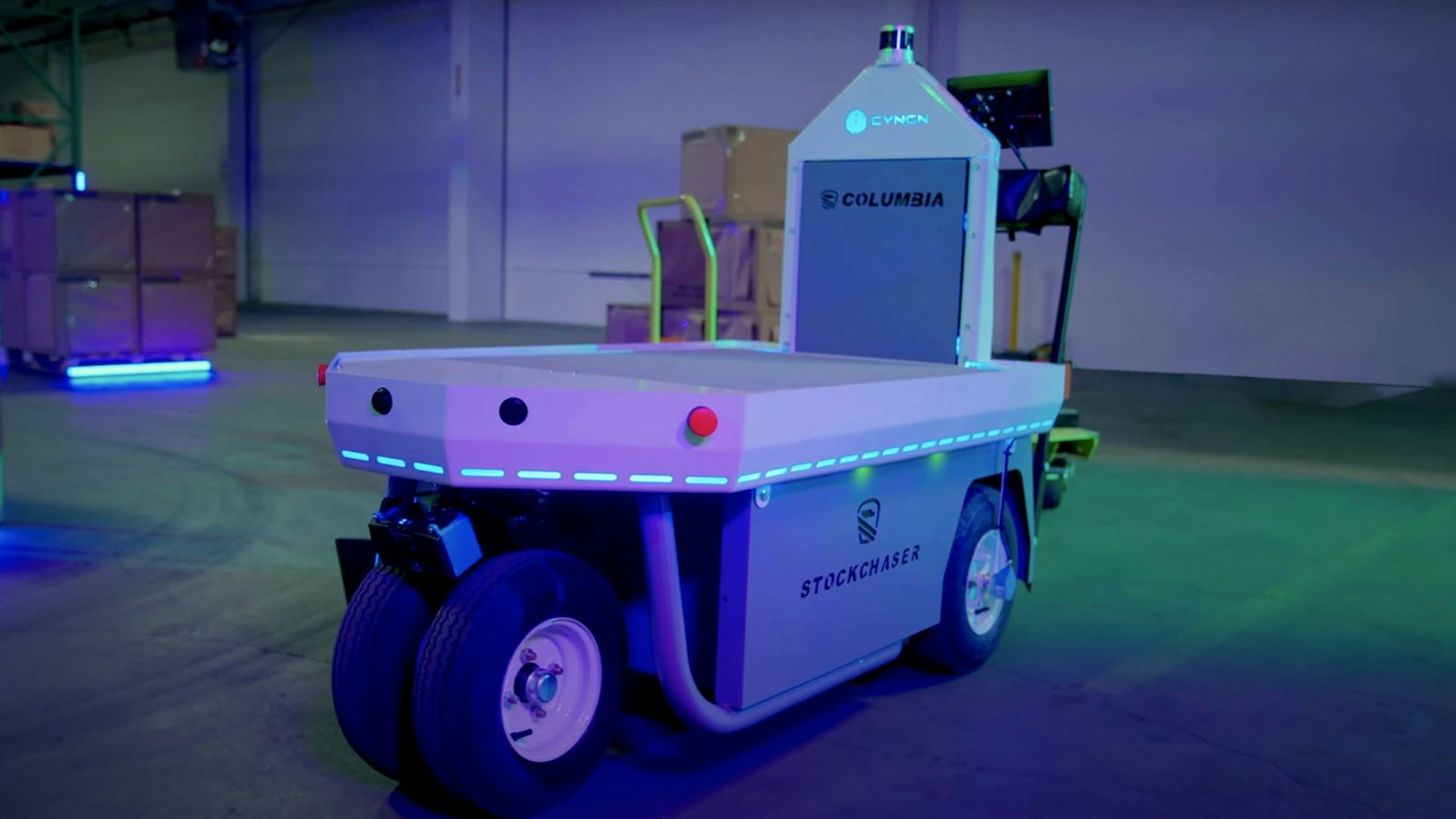
Robotics and automation are key components in revolutionizing logistics operations. Automated guided vehicles (AGVs) and drones are being deployed in warehouses for tasks such as sorting, picking, and transporting goods. These technologies minimize human error, increase speed, and reduce labor costs, thereby streamlining operations. Moreover, by implementing automation in repetitive tasks, human workers can focus on more strategic roles, enhancing overall productivity.
Finally, route optimization algorithms utilize AI to analyze traffic patterns, weather conditions, and delivery schedules, allowing for more efficient transportation planning. These solutions ensure timely deliveries while minimizing transportation costs, contributing to a more sustainable supply chain operation.
Challenges in Integrating AI into Supply Chains
Integrating artificial intelligence (AI) into supply chains presents numerous challenges that companies must navigate to unlock the full potential of this technology. A primary hurdle is the high initial investment required to implement AI systems. Businesses often face the necessity of upgrading or replacing existing infrastructure, purchasing new hardware and software, and investing in skilled personnel to operate these advanced systems. These financial barriers can deter companies from proceeding with AI integration.
Another significant challenge involves data privacy concerns. As supply chains become more digitized and reliant on AI, vast amounts of sensitive data are collected and processed. Companies must ensure compliance with regulations, foster customer trust, and protect their data against breaches, which can complicate the integration process. Effective data governance frameworks and robust security measures must be established to address these concerns adequately.
Employee resistance to change poses another obstacle as organizations adopt AI-driven solutions. Many employees may be apprehensive about the implications of AI integration, fearing job insecurity or inadequate skills. To counter this, companies must invest in comprehensive training programs that empower employees to adapt to new technologies. Encouraging a culture of innovation and emphasizing the enhancements AI can bring to their roles can help mitigate resistance.
Finally, the complexity of existing systems often complicates AI adoption. Organizations may operate on legacy systems that are incompatible with new AI applications. Conducting a thorough review of current systems and considering gradual integration or the use of middleware solutions can help address these complexities. By acknowledging these challenges and strategically planning for them, companies can improve their chances of successfully integrating AI into their supply chains.
Case Studies: Successful Implementations of AI in Logistics
In recent years, numerous companies have successfully integrated artificial intelligence (AI) into their logistics operations, enhancing efficiency and effectiveness. One noteworthy case is that of Amazon. The company has revolutionized its supply chain through AI by employing advanced predictive analytics to forecast demand accurately. This AI-driven approach enables Amazon to optimize inventory levels, thereby reducing both excess stock and stockouts. By streamlining warehousing operations and employing robotics for sorting and packing, Amazon has dramatically decreased delivery times, solidifying its position as a leader in the e-commerce sector.
Another pertinent example can be seen in the operations of DHL. Faced with escalating operational costs and the need for improved delivery precision, DHL turned to AI solutions. Utilizing machine learning algorithms, DHL was able to analyze historical shipping data and predict potential disruptions in their supply chain, allowing for proactive measures to be implemented. This system not only minimized delays but also significantly reduced transportation costs. As a result of these initiatives, DHL reported an increased customer satisfaction rate, reinforcing the importance of AI in maintaining competitive advantage within logistics.
Moreover, the case of UPS provides additional insights into the effectiveness of AI in logistics. UPS implemented an AI-driven route optimization tool known as ORION. This technology analyzes complex datasets to optimize delivery routes, minimizing fuel consumption and improving delivery speed. The results have been remarkable: UPS has reported saving millions of miles driven and hundreds of thousands of gallons of fuel annually. This successful application of AI demonstrates how leveraging technology can lead not only to cost savings but also to substantial environmental benefits.
These case studies exemplify how AI can address specific challenges in logistics, ultimately leading to enhanced operational performance, cost-effectiveness, and customer satisfaction. The successful adoption of these technologies is paving the way for future advancements in the sector, making AI an indispensable tool in the logistics domain.
Future Trends in Logistics and AI
As we delve into the intersection of logistics and AI, it is important to recognize the trends that are poised to revolutionize the global supply chain. One of the most promising developments is the advancement in autonomous delivery vehicles. Companies are increasingly investing in drone technology and self-driving trucks, which promise to enhance delivery efficiency while reducing operational costs. These autonomous systems can optimize routes in real time, leading to significant reductions in delivery times and fuel consumption.
Moreover, the reliance on big data analytics is becoming essential in logistics optimization. By leveraging vast amounts of data generated from various sources, organizations can gain actionable insights that improve inventory management, demand forecasting, and operational efficiency. This data-driven approach allows for better decision-making, reducing waste and enhancing responsiveness to market fluctuations. Companies that successfully harness this capability will likely gain competitive advantages in a dynamic market landscape.
Another noteworthy trend is the integration of the Internet of Things (IoT) into logistics operations. IoT technology facilitates real-time tracking of goods, enhances warehouse management, and improves container monitoring. By connecting devices and sensors throughout the supply chain, businesses can gather critical information about asset locations and statuses, leading to better visibility and accountability. This level of connectivity is also instrumental in predictive maintenance, which can avert delays and reduce costs associated with equipment failures.
In summary, the future of logistics and AI is characterized by advancements in autonomous delivery solutions, increased reliance on big data analytics, and the transformative impact of IoT technology. These innovations are essential for optimizing the global supply chain and will shape how businesses operate in the coming years.
Best Practices for AI Integration in Supply Chain Management
Integrating Artificial Intelligence (AI) into supply chain management is no longer an option but a necessity for companies aiming to enhance efficiency and drive innovation. To successfully implement AI technologies within logistics, several best practices should be followed.
Firstly, businesses must begin with a thorough assessment of their current processes. Understanding the existing workflow, pain points, and areas that can benefit from AI applications is crucial. This assessment will guide companies in identifying specific use cases, such as demand forecasting, inventory management, or route optimization, where AI can add value.
Secondly, it is essential to invest in data quality and infrastructure. AI systems depend heavily on accurate and timely data. Companies should ensure they have robust data collection processes, data cleaning protocols, and a strong IT infrastructure in place to support AI technologies. This may involve employing data analytics tools that facilitate the integration of various data sources, ensuring a comprehensive dataset to train AI algorithms.
Moreover, fostering a culture of collaboration between cross-functional teams is important. Successful AI implementation in supply chain management often requires input from various departments, including IT, operations, and finance. Regular communication and shared objectives among teams can streamline the integration process and ensure that all stakeholders are aligned with the goals of the AI initiative.
Additionally, it is vital to establish clear metrics for evaluating the performance of AI systems. Key performance indicators (KPIs) should be defined to measure the impact of AI on supply chain efficiency, cost savings, and customer satisfaction. This evaluation not only aids in monitoring progress but also supports continuous improvement in AI utilization.
In conclusion, following these best practices can significantly ease the integration of AI in supply chain management, ensuring that logistics operations become more efficient, responsive, and capable of meeting the modern demands of the market.
The Role of Workforce in an AI-Driven Supply Chain
The integration of artificial intelligence (AI) within the logistics sector significantly transforms traditional supply chain mechanisms. However, despite advancements in automation, the workforce remains a critical component in the successful implementation of AI technologies. Employees play an essential role in not just utilizing these technologies, but also ensuring that AI systems operate optimally and align with organizational goals.
As the logistics industry increasingly relies on AI-driven solutions, it becomes vital to invest in workforce training and development. Employees must evolve alongside technology, acquiring skills that complement AI systems. This includes understanding data analytics, machine learning principles, and software management. Training programs should therefore focus on enhancing both hard skills related to AI systems and soft skills, such as critical thinking and problem-solving abilities. A well-rounded workforce equipped to engage with AI can significantly enhance overall supply chain efficiency.
Moreover, the human element is crucial for overseeing AI operations. Human oversight ensures that algorithms function effectively while adhering to ethical standards and compliance regulations. Employees are needed to interpret complex data outputs, make judgment calls based on contextual knowledge, and manage exceptions that AI may not adequately handle. This synergy between technology and human intelligence not only preserves operational integrity but also fosters a culture of continuous improvement.
Ultimately, while automation through AI systems represents a significant leap in optimizing the global supply chain, it is the collaboration between workforce competency and technology that will define the future of logistics. Therefore, finding the right balance between automation and human involvement will be key to maximizing the benefits of AI in logistics, ensuring that both productivity and workforce satisfaction are maintained.
Conclusion and Future Outlook
In conclusion, the integration of artificial intelligence into logistics is reshaping the global supply chain landscape. Throughout this discussion, we have explored various ways in which AI technologies are enhancing operational efficiencies, improving decision-making processes, and optimizing inventory management. These advancements not only streamline logistic operations but also increase responsiveness to market demands, ultimately providing businesses with a competitive edge.
Looking forward, the future impact of AI on logistics promises to be profound. As AI algorithms continue to evolve, we can expect improved predictive analytics, better route optimization, and enhanced demand forecasting capabilities. This wave of innovation holds significant potential for businesses to further reduce costs, minimize waste, and enhance customer satisfaction by ensuring timely deliveries and reducing stock shortages.
Moreover, organizations that embrace AI-driven logistics solutions will likely inspire industry-wide shifts, encouraging greater collaboration and integration across supply chains. By leveraging these AI innovations, companies can position themselves not only to adapt but to thrive amid the complexities of global trade. The ongoing development of AI technologies also suggests an increasing role for machine learning and data analytics in inventory and supply chain management, allowing businesses to respond in real-time to changes in consumer behavior.
As we move forward, it is essential for businesses to consider how they can implement AI solutions effectively within their logistics framework. Continuous evaluation and adaptation to new technologies will be key to sustaining growth and efficiency in the global supply chain. Embracing this change will enable companies to remain competitive in an ever-evolving market landscape.